


Introduction
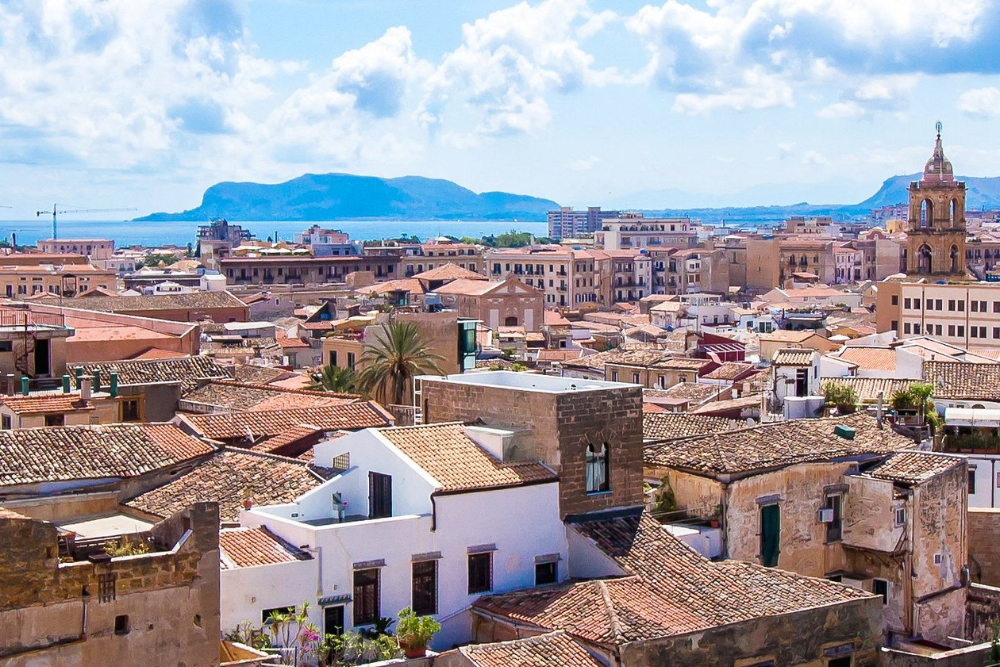
Palermo, the vibrant capital of Sicily, Italy, is a city rich in history, culture, and stunning architecture. Nestled on the northern coast of the island, Palermo boasts a unique blend of influences from various civilizations, including the Phoenicians, Romans, Arabs, and Normans. This diverse heritage is evident in its beautiful buildings, lively markets, and delicious cuisine. The city is famous for its historic sites, such as the magnificent Palermo Cathedral, the Palazzo dei Normanni, and the Teatro Massimo, one of the largest opera houses in Europe.
Palermo Cathedral:
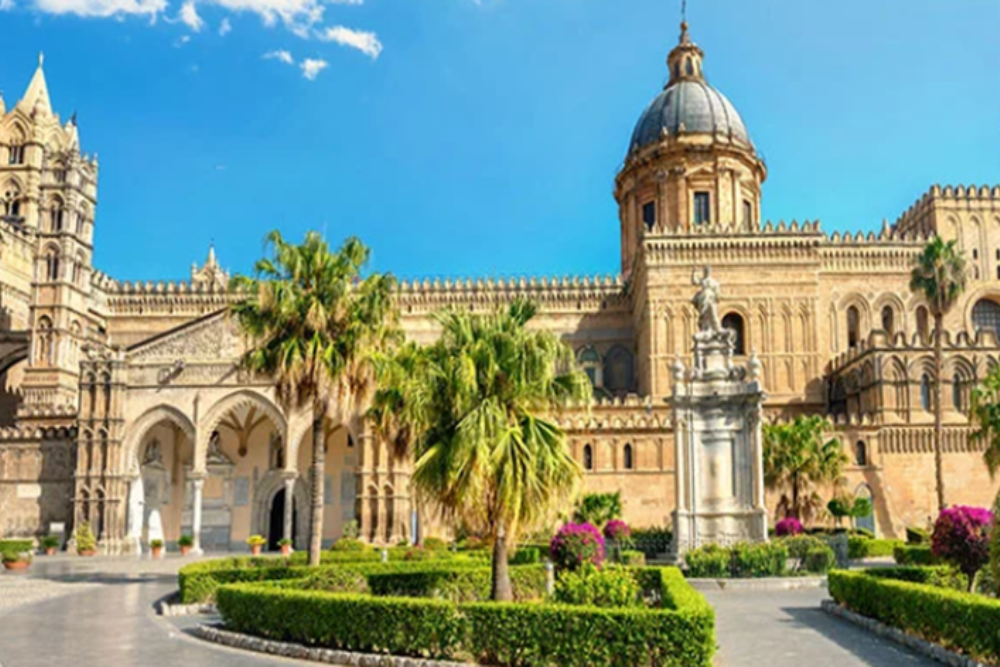
- A stunning example of architectural styles, this cathedral features elements from Arab, Norman, and Gothic influences. Don’t miss the chance to climb to the roof for panoramic views.
Palazzo dei Normanni:
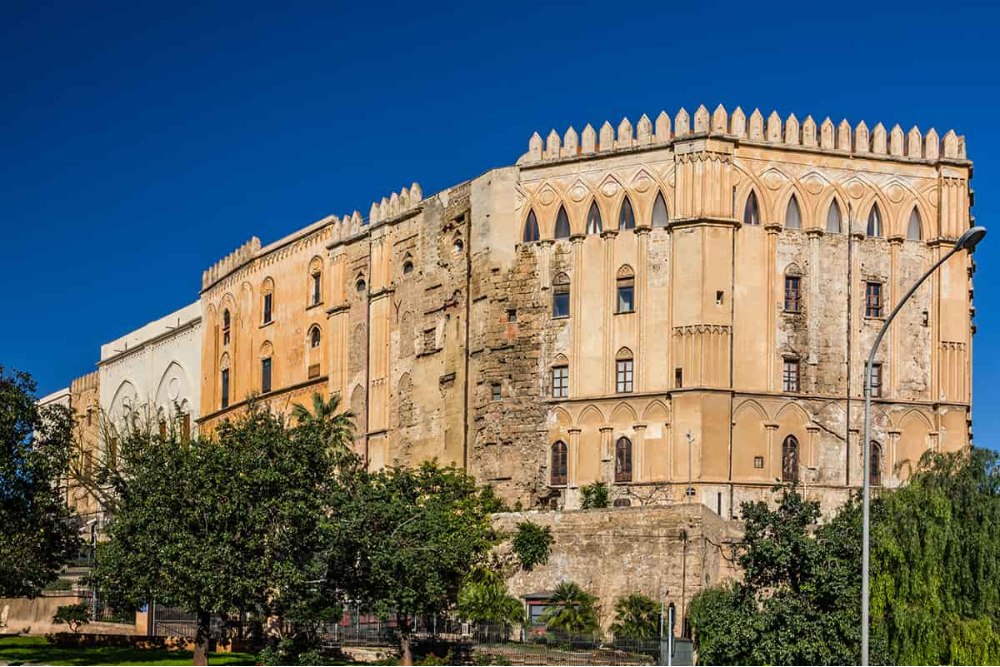
- Also known as the Norman Palace, this historic site houses the beautiful Cappella Palatina, adorned with exquisite mosaics that reflect Sicily’s diverse history.
Monte Pellegrino:
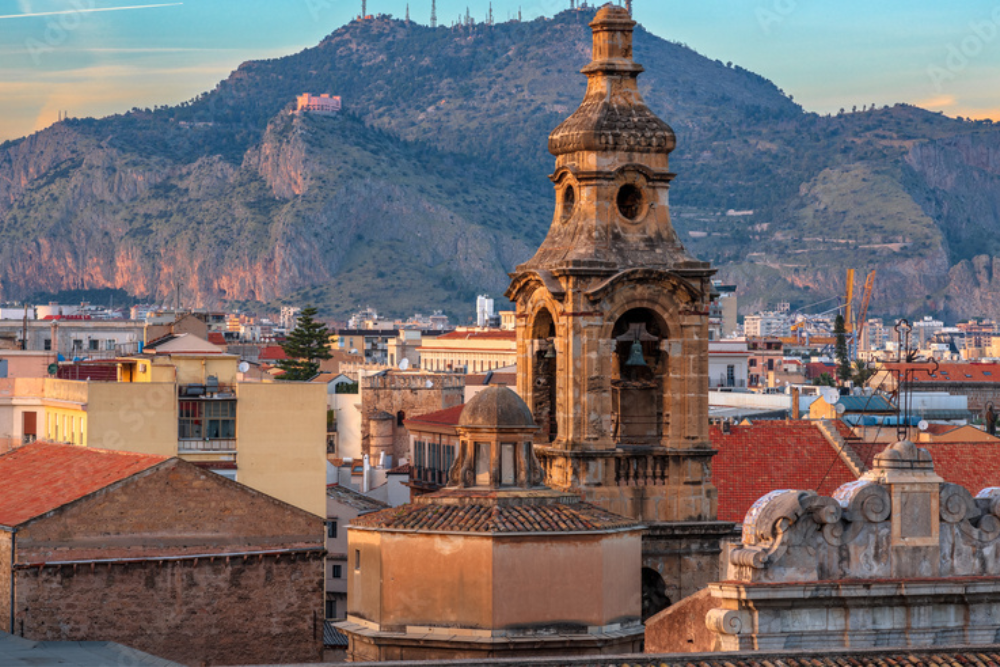
- A short hike offers stunning views of Palermo and the surrounding coastline. The sanctuary of Santa Rosalia, the patron saint of Palermo, is located here.
Palermo’s Festivals:
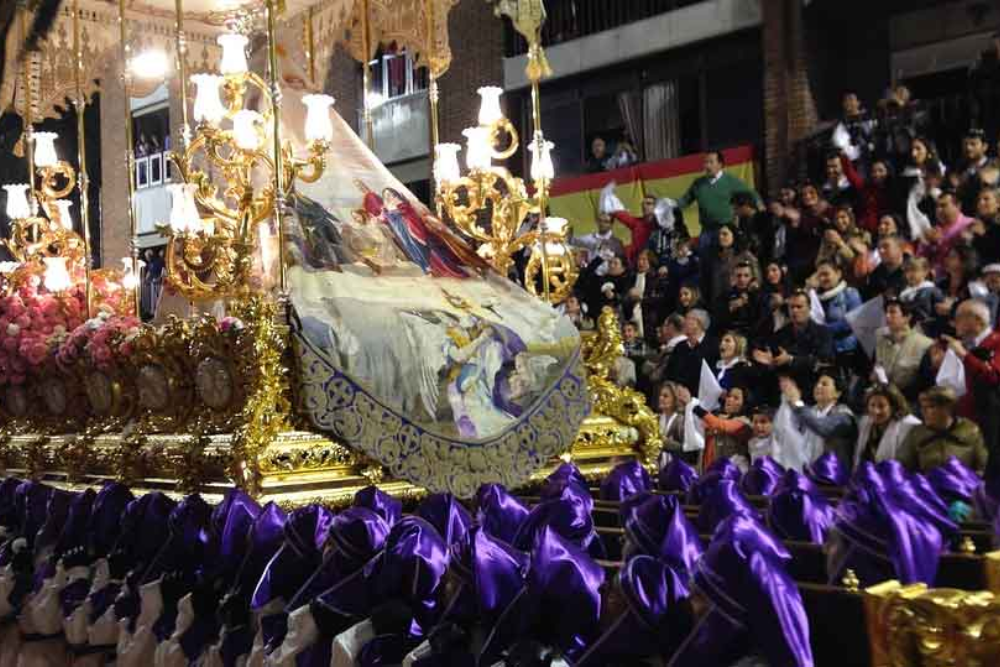
- If you visit in July, don’t miss the Festino di Santa Rosalia, a vibrant celebration with parades, music, and fireworks.
Museums:
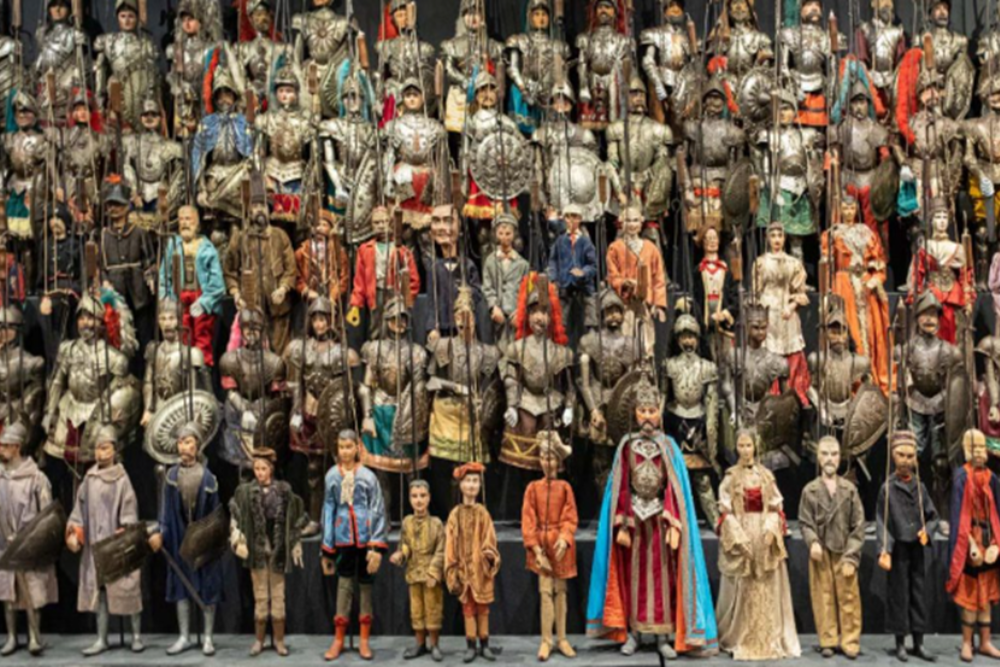
- Explore the Regional Archaeological Museum for a deeper understanding of Sicily’s ancient history or the to learn about the traditional art of Sicilian puppetry.
Cefalu:
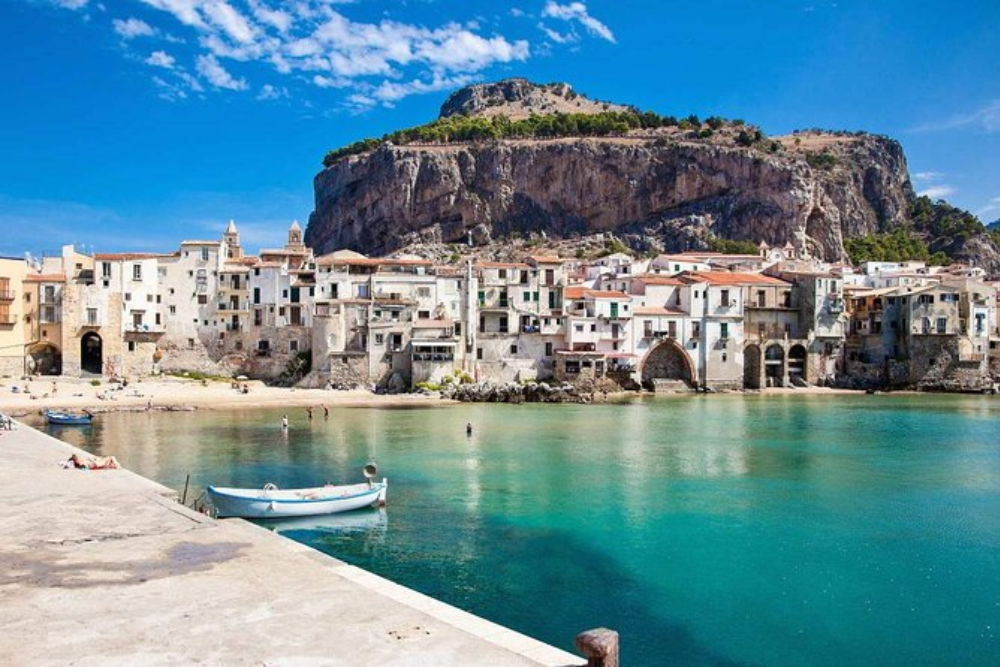
- A picturesque coastal town with beautiful beaches, medieval architecture, and the iconic La Rocca mountain.
Hiking Monte Pellegrino:
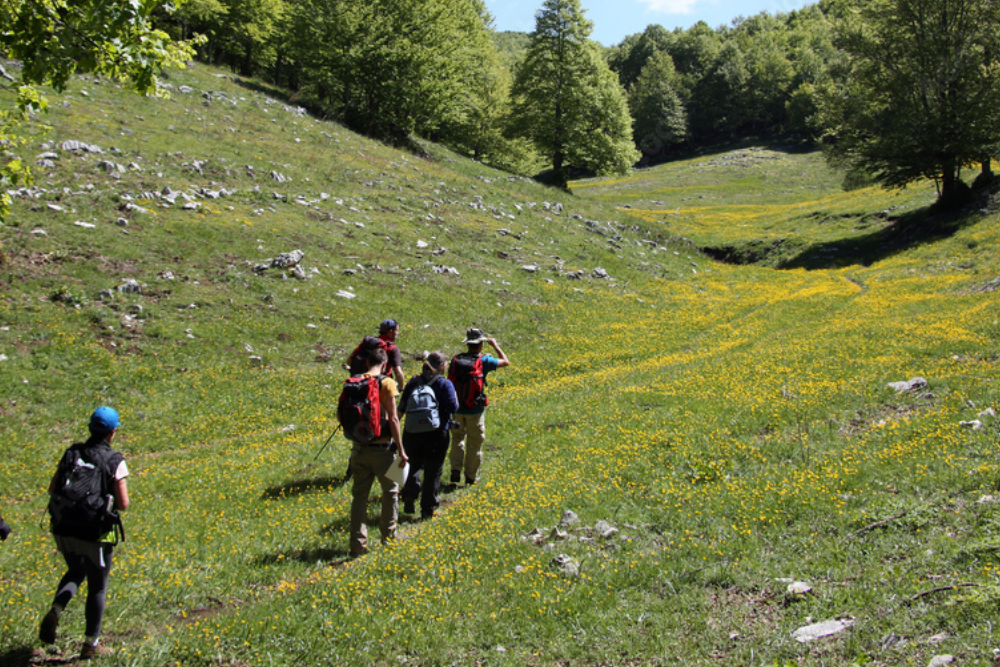
- Trek up this iconic mountain for breathtaking views of Palermo and the coastline. The trails range from easy walks to more challenging hikes, and you can visit the sanctuary of Santa Rosalia at the top.
Biking the Streets and Countryside
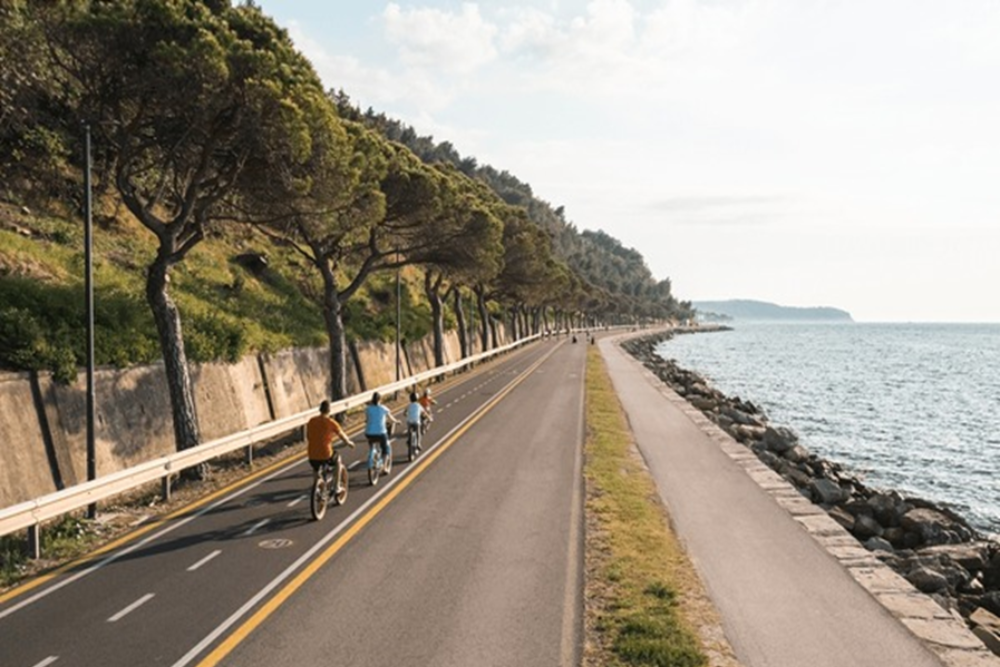
- Rent a bike and explore Palermo’s historic streets, parks, and nearby countryside. The coastal bike paths offer stunning views and a refreshing breeze.
Kayaking in the Gulf of Palermo:
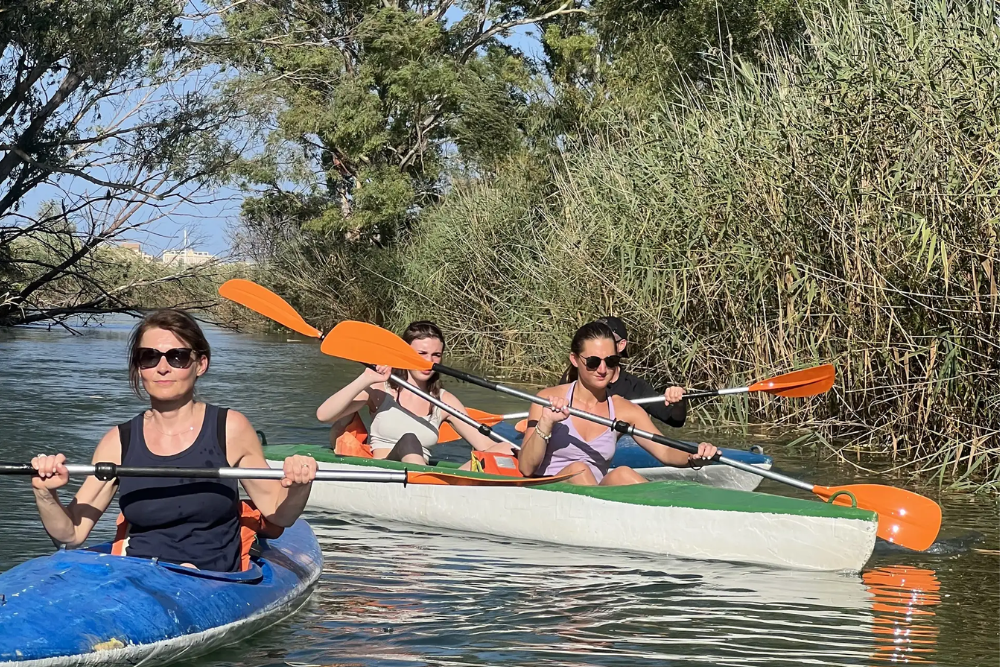
- Take a guided kayaking tour along the coastline to see the city from a different perspective. Paddle past beautiful cliffs and hidden coves.
Visit the Teatro Massimo
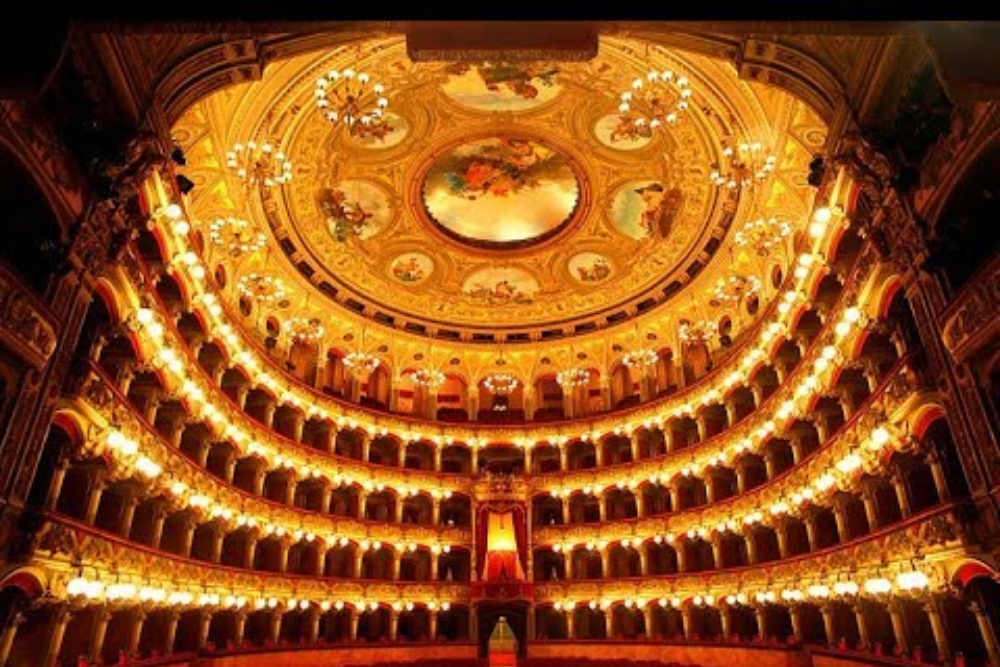
- Take a guided tour or catch a performance at Italy’s largest opera house, renowned for its stunning architecture and acoustics.
Dos and Don’ts in Palermo
Dos
- Do Try the Local Cuisine: Sample traditional dishes like arancini, cannoli, and pasta alla Norma. Explore local markets for fresh street food.
- Do Respect Local Customs: Greet people with a polite “Buongiorno” (Good morning) or “Buonasera” (Good evening). Italians appreciate good manners.
- Do Use Public Transportation: Palermo has a decent public transport system, including buses and trams. It’s an easy way to get around the city.
Don’ts
- Don’t Rush: Enjoy the slower pace of life in Palermo. Take your time to savor meals and soak in the atmosphere.
- Don’t Ignore Traffic Rules: Be cautious when crossing streets, as traffic can be unpredictable. Look both ways!
- Don’t Expect Stores to Stay Open Late: Many shops close by 1 PM for the siesta and reopen around 4 PM. Plan your shopping accordingly.
Best time to reach in Palermo
- Spring (April to June)
- Mild Weather: Temperatures are pleasant, ranging from the mid-60s to mid-80s°F (18-30°C), making it ideal for exploring the city and enjoying outdoor activities.
- Festivals: Spring hosts various local festivals and events, allowing visitors to experience Sicilian culture.
- Fewer Crowds: This season generally sees fewer tourists compared to the summer, making for a more relaxed experience.
- Early Fall (September to October)
- Comfortable Temperatures: Similar to spring, temperatures are warm but not excessively hot, averaging from the mid-70s to low 80s°F (24-28°C).
- Harvest Season: Enjoy local food festivals celebrating the harvest, showcasing Sicilian cuisine at its best.
- Less Crowded: Many tourists have left by this time, making it easier to explore attractions without long lines.
- Summer (July to August)
- While summer is popular for beachgoers, it can be very hot, with temperatures often exceeding 90°F (32°C). The city can also be crowded with tourists, especially in July and August.
- Winter (November to March)
- Winter is mild but can be rainy. While this season offers lower prices and fewer tourists, some attractions may have reduced hours or be closed.