


Introduction
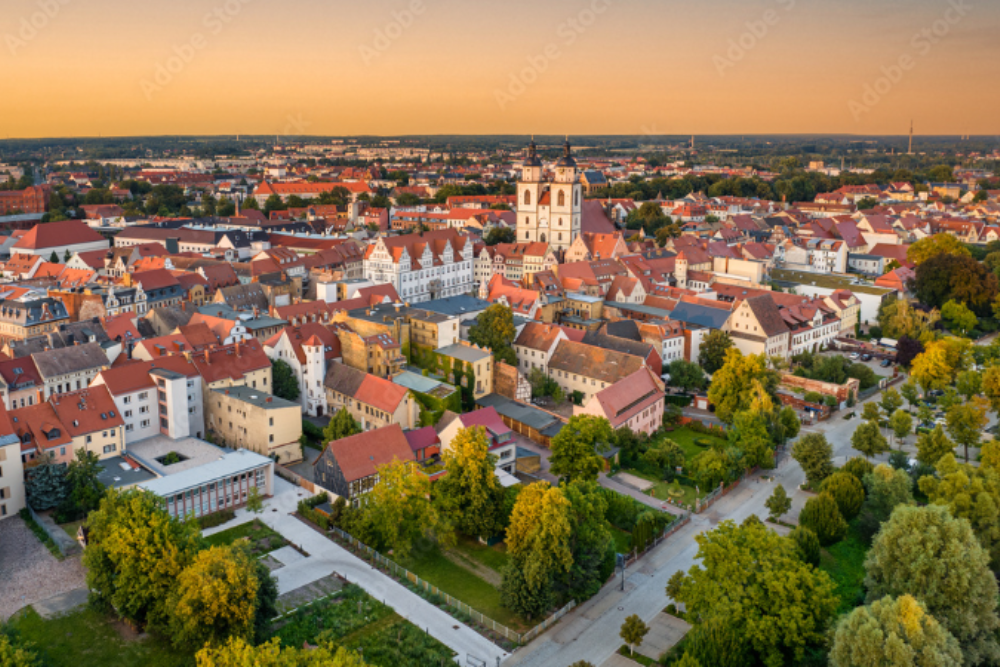
Saxony-Anhalt is a federal state in eastern Germany, known for its rich cultural heritage, historic towns, and scenic landscapes. It is home to numerous UNESCO World Heritage sites, including the Bauhaus architecture in Dessau and the Luther memorials in Wittenberg, which played a key role in the Protestant Reformation. The region is dotted with medieval castles, such as the iconic Wartburg Castle, and features beautiful natural landscapes, including the Harz Mountains. Saxony-Anhalt offers a blend of history, art, and outdoor adventure, making it an intriguing destination for travellers.
Bauhaus Dessau:
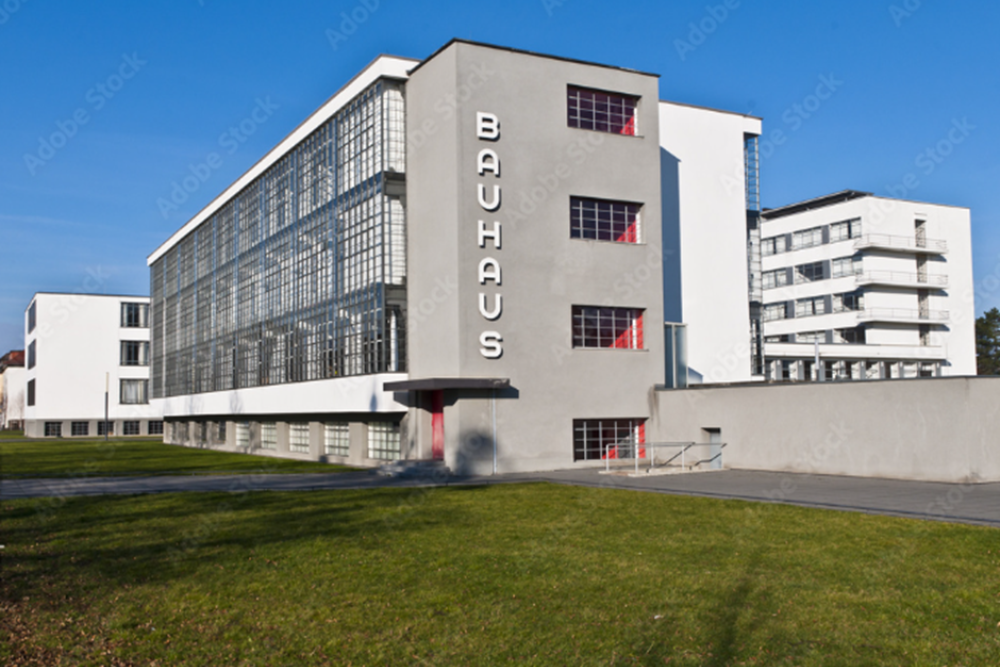
Explore the modernist Bauhaus School of design and architecture, an iconic site for art and architecture enthusiasts.
Quedlinburg:
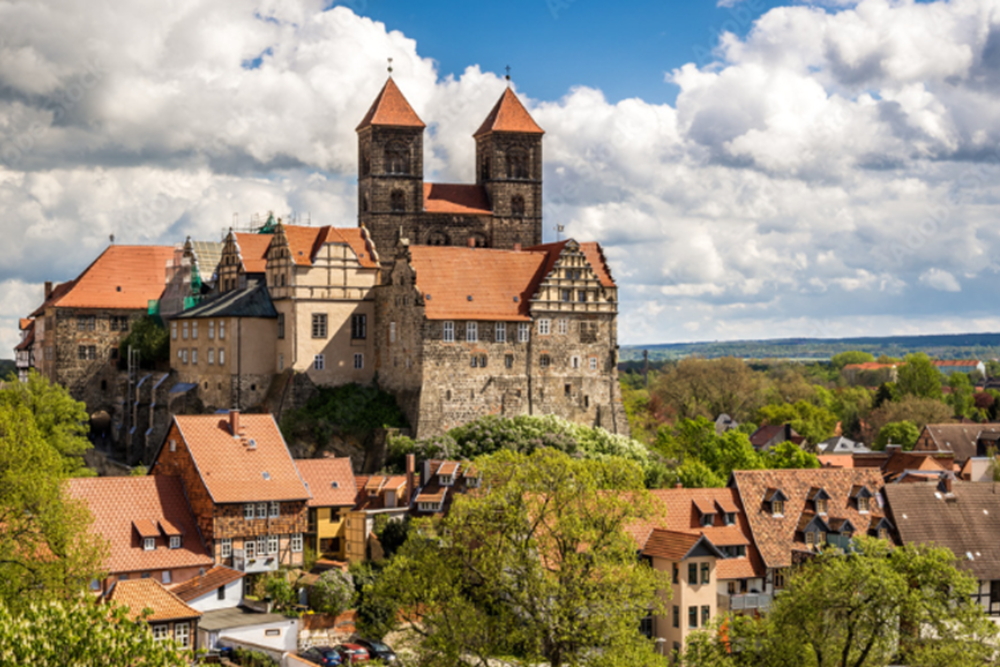
This medieval town is a treasure trove of half-timbered houses and cobbled streets, reflecting centuries of German history.
Halle (Saale):
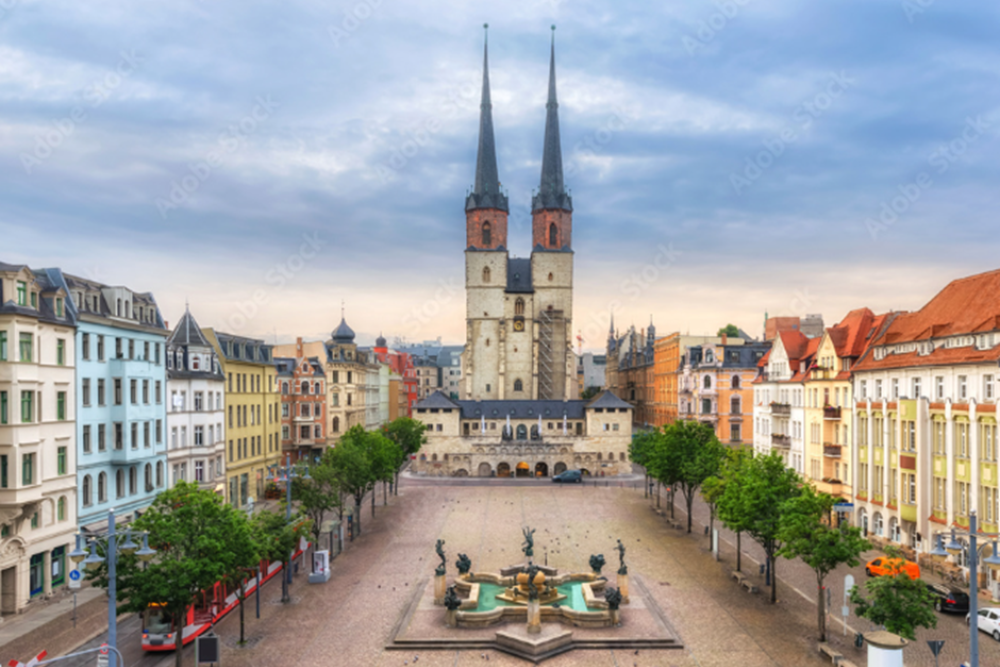
Famous for its cultural scene, including the birthplace of composer George Frideric Handel and its prominent museums and galleries.
Naumburg:
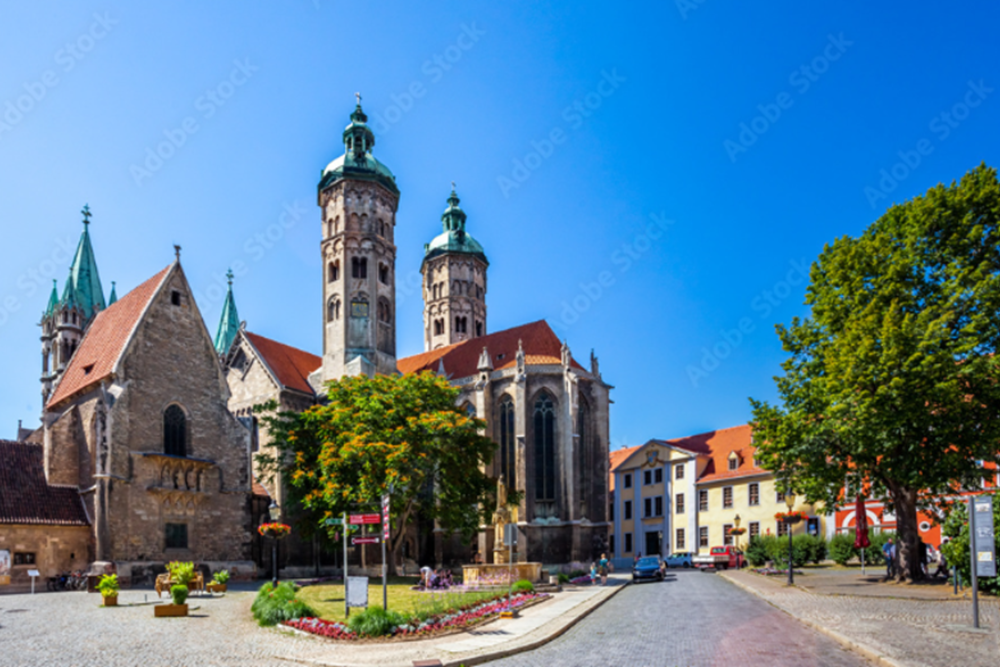
Known for its impressive Naumburg Cathedral, a masterpiece of medieval architecture, and its beautifully restored old town.
Wernigerode Castle:
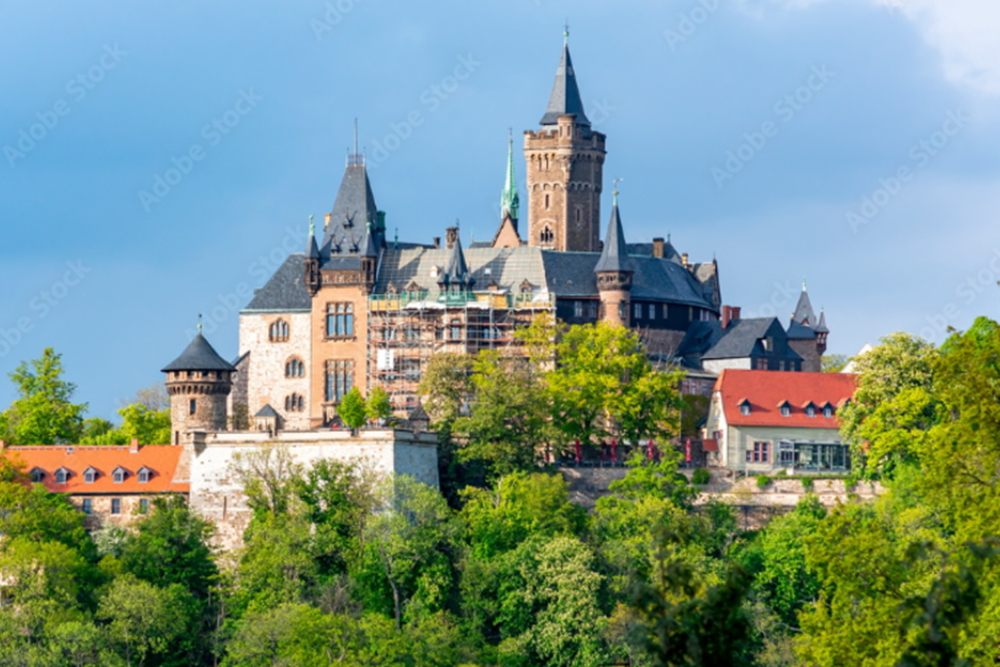
A picturesque hilltop castle in the Harz Mountains, offering panoramic views and a glimpse into medieval aristocratic life.
Moritzburg Castle:
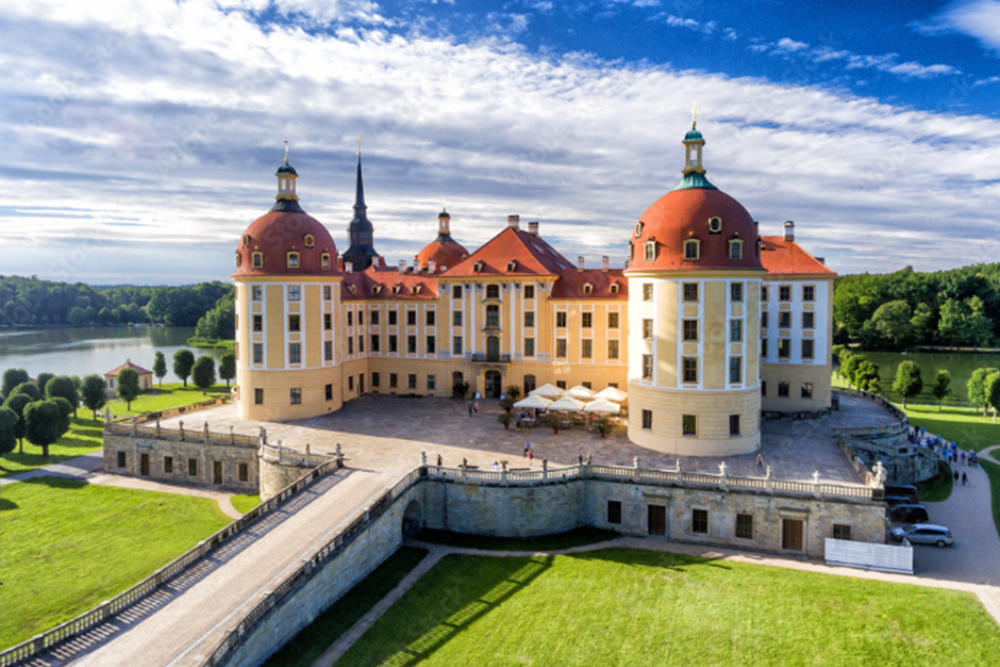
Located in Halle, this Renaissance castle houses a large art collection.
Handel Festival in Halle:
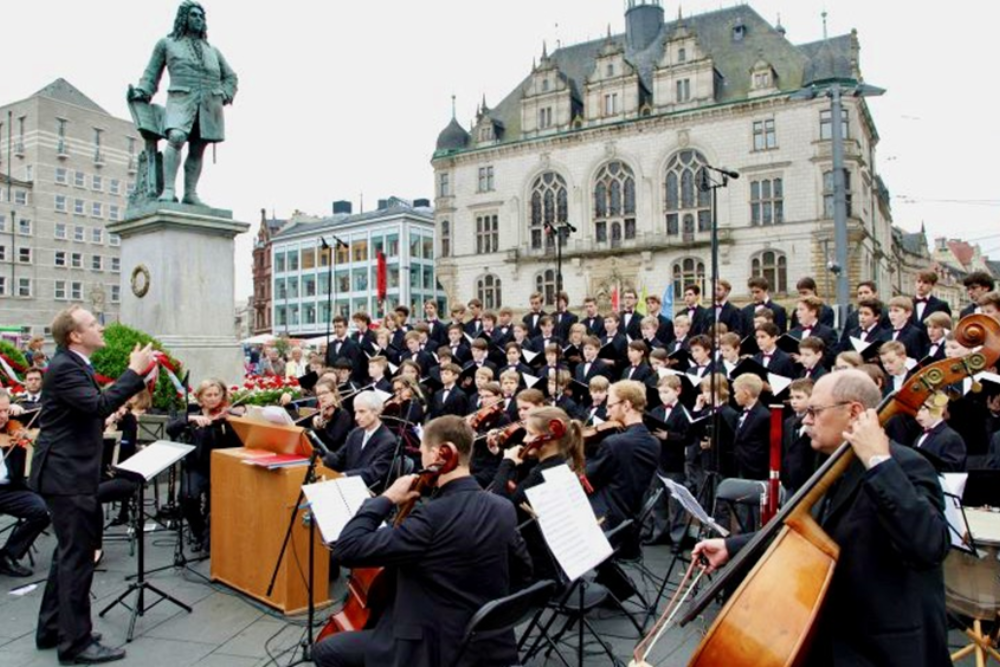
Celebrating the works of George Frideric Handel, with concerts and performances throughout the city.
Bauhaus Dessau Festival

For fans of design, this festival celebrates the Bauhaus movement with exhibitions, performances, and guided tours.
Hiking in the Harz:
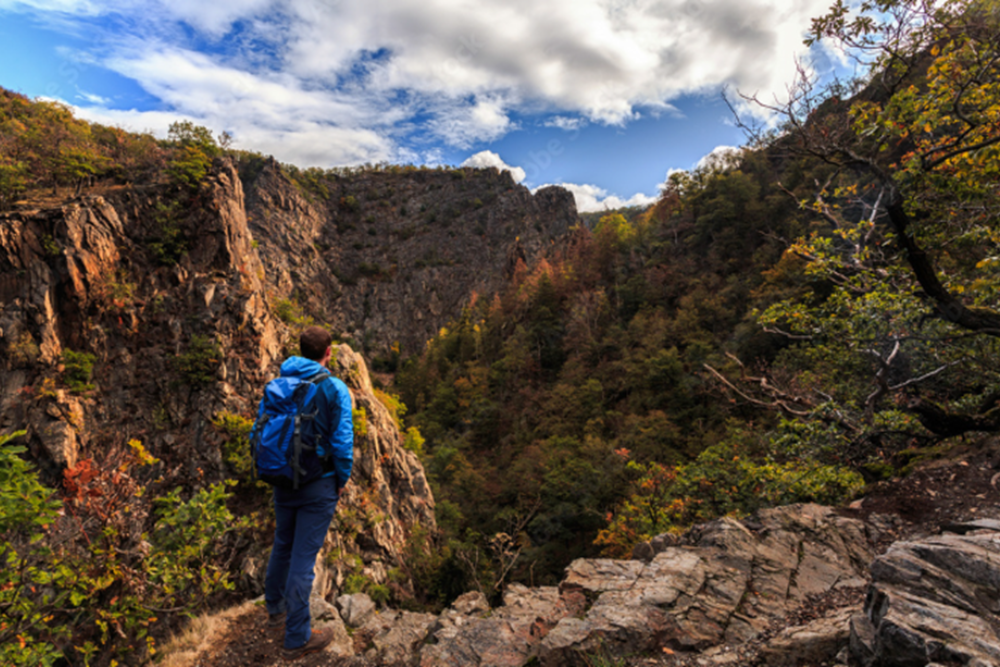
Follow trails that wind through forests, valleys, and old mining towns, including the Harzer Hexenstieg trail.
Cycling:
 Explore the Elbe Cycle Route, which runs through the state, offering stunning views of the river and its surroundings.
Water Sports:

Enjoy kayaking and canoeing along the scenic rivers of Saxony-Anhalt, especially the Saale and Elbe.
Dos and Don’ts in Saxony-Anhalt
Here are some dos and don’ts to keep in mind when visiting Saxony-Anhalt:
Dos:
- Visit UNESCO Sites: Explore landmarks like the Bauhaus buildings in Dessau, Lutherstadt Wittenberg, and Quedlinburg’s medieval old town.
- Respect Historical Locations: Saxony-Anhalt is rich in history, so be respectful when visiting religious sites like churches and Martin Luther’s memorials.
- Explore the Harz Mountains: Enjoy outdoor activities such as hiking, biking, or exploring scenic natural areas.
Don’ts:
- Don’t Forget Cash: Many small establishments in rural areas may not accept credit cards, so always carry some cash.
- Don’t Make Noise in Quiet Zones: When visiting historical sites or rural areas, respect the peaceful atmosphere, especially in churches or natural reserves.
- Don’t Litter: Keep the beautiful natural landscapes and historic towns clean by disposing of waste properly.
Best time to reach in Saxony-Anhalt
The best time to visit Saxony-Anhalt depends on what you want to experience, but generally, late spring (May to June) and early autumn (September to October) are ideal for pleasant weather and fewer crowds.
- Spring (April to June): The weather is mild, and flowers bloom, making it perfect for exploring outdoor attractions like the Harz Mountains, castles, and gardens.
- Summer (July to August): This is peak tourist season with warmer temperatures, ideal for festivals and outdoor activities. However, it can be crowded, especially at UNESCO sites.
- Autumn (September to October): Cooler temperatures, beautiful fall foliage in the Harz Mountains, and fewer tourists make this a great time for hiking and sightseeing.
- Winter (November to February): For those interested in winter sports, the Harz Mountains offer skiing and snow activities. The Christmas markets in towns like Quedlinburg are also a highlight during December.