


Australia, a vast and diverse country, is rich in history and culture. From ancient Indigenous landmarks to colonial-era buildings, Australia’s historic sites offer a fascinating glimpse into the past. This blog will take you on a journey through some of the most significant historic sites in Australia, exploring their importance and the stories they tell about the nation’s heritage.
1. The Sydney Opera House

A Symbol of Modern Australia
Opened in 1973, the Sydney Opera House is one of the most iconic buildings in the world. Designed by Danish architect Jørn Utzon, its unique shell-like structure has become synonymous with Sydney.
Historical Significance
The Opera House is not just an architectural marvel; it represents Australia’s cultural aspirations and achievements. It was built as a part of a broader effort to establish Sydney as a global cultural hub. Over the decades, it has hosted countless performances and events, from opera to rock concerts, becoming a symbol of artistic expression.
Visitor Experience
Visitors can take guided tours to learn about the building’s history and architecture, attend performances, or simply enjoy the stunning views of Sydney Harbour from its steps.
2. Port Arthur Historic Site, Tasmania
A Window into Australia’s Convict Past
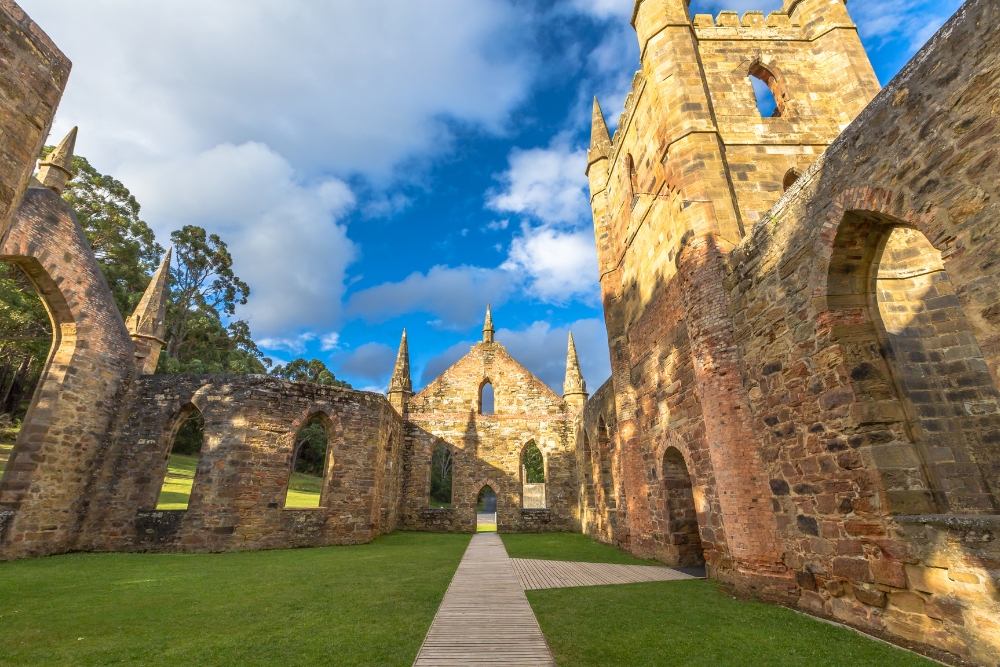
Located on the Tasman Peninsula, the Port Arthur Historic Site is one of Australia’s most significant convict settlements. Established in 1830, it was a place of punishment for the most hardened criminals.
Historical Significance
Port Arthur served as a model community for rehabilitation and discipline, featuring a range of buildings including a church, hospital, and prison. The site’s ruins and restored buildings provide insights into the lives of the convicts and the harsh realities of colonial life.
Visitor Experience
Today, visitors can explore the site through guided tours, including ghost tours that delve into the eerie stories surrounding the location. The visitor center provides comprehensive information about the site’s history and significance.
3. Uluru-Kata Tjuta National Park

The Heart of Indigenous Culture
Uluru, also known as Ayers Rock, is a massive sandstone monolith located in the Northern Territory. This sacred site holds immense significance for the Indigenous Anangu people, who have inhabited the area for thousands of years.
Historical Significance
Uluru is more than just a stunning natural wonder; it is a living cultural landscape. The Anangu have a deep spiritual connection to the land, and their stories and traditions are woven into its very fabric. The site is recognized as a UNESCO World Heritage site, both for its natural beauty and cultural importance.
Visitor Experience
Visitors can explore the park through guided walks and tours led by Indigenous guides, who share insights into their culture and the significance of the land. Watching the sunset over Uluru is a breathtaking experience that shouldn’t be missed.
4. The Australian War Memorial, Canberra
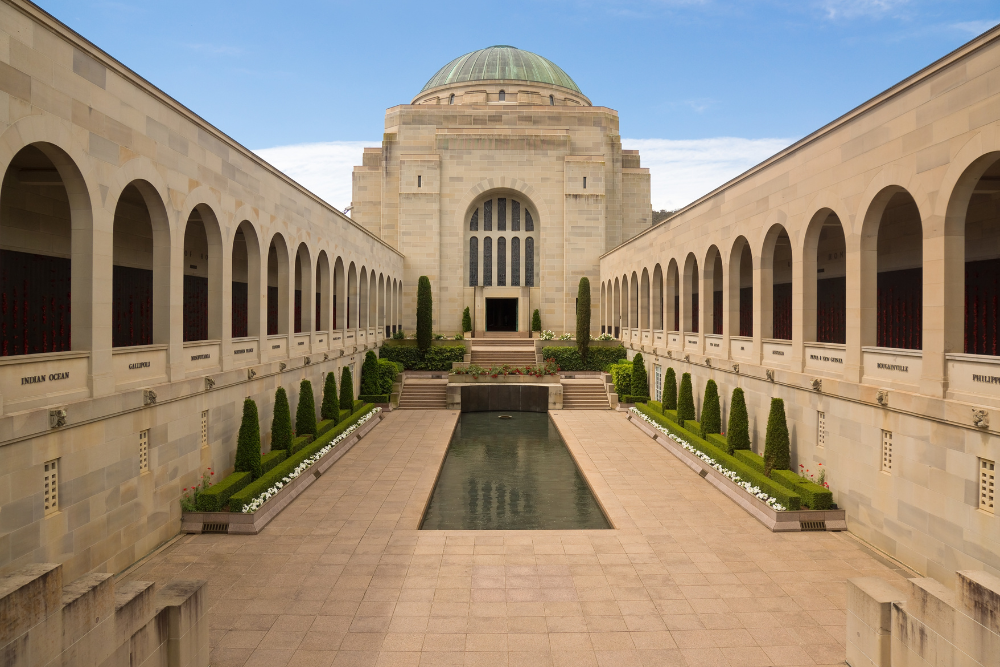
Honoring Those Who Served
The Australian War Memorial is a national memorial dedicated to honoring the sacrifice of Australian servicemen and women. It combines a shrine, museum, and research center, making it a vital site for understanding Australia’s military history.
Historical Significance
Opened in 1941, the memorial serves as a tribute to those who served in various conflicts, including World War I, World War II, and more recent conflicts. The site emphasizes the importance of remembrance and reflection.
Visitor Experience
Visitors can explore the extensive galleries that showcase artifacts, photographs, and personal stories. The daily Last Post ceremony at the memorial is a poignant tribute to the fallen, drawing visitors from around the world.
5. The Rocks, Sydney
A Journey Through Colonial History
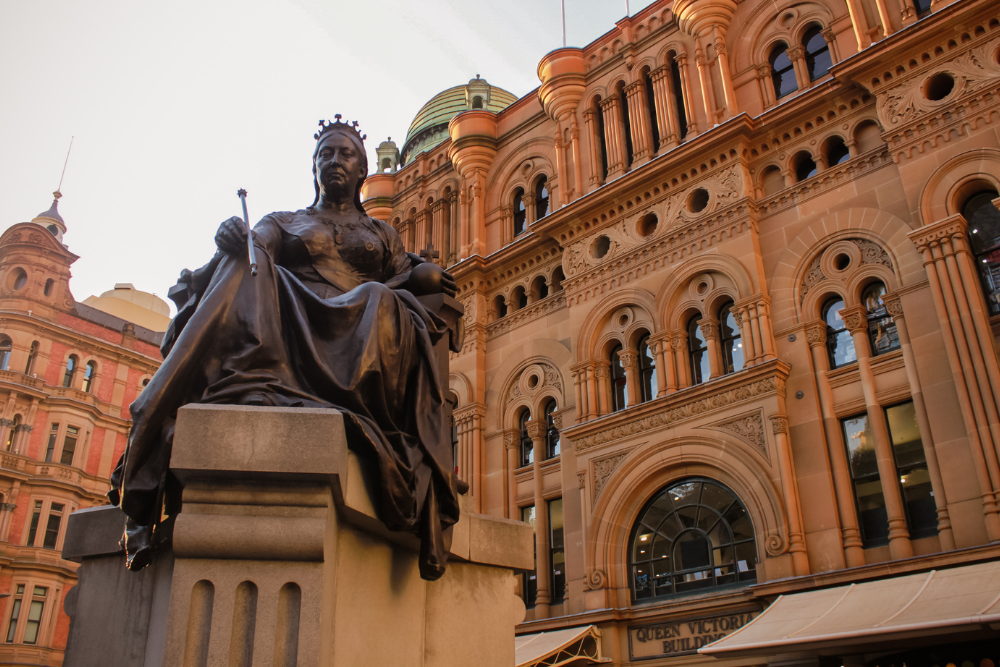
The Rocks is one of Sydney’s oldest neighborhoods, filled with cobblestone streets, historic buildings, and rich stories of Australia’s colonial past. Established in the early 19th century, it was initially a settlement for convicts.
Historical Significance
The Rocks represents the early days of European settlement in Australia, showcasing the challenges and triumphs of the early colonists. The area has undergone significant change over the years, evolving from a working-class area to a vibrant cultural precinct.
Visitor Experience
Today, The Rocks is a lively hub featuring markets, restaurants, and galleries. Visitors can join guided historical walks to learn about the area’s history, or explore the Museum of Contemporary Art, housed in a former warehouse.
6. Fremantle Prison, Western Australia

A Convict Legacy
Fremantle Prison, built in 1855, is one of the most significant convict sites in Australia. It was originally designed to house convicts transported from Britain and later served as a maximum-security prison until its closure in 1991.
Historical Significance
The prison reflects the harsh realities of the convict system in Australia and has played a crucial role in the country’s history. It is a UNESCO World Heritage site, recognized for its cultural and architectural significance.
Visitor Experience
Visitors can explore the prison through guided tours, which include access to the cell blocks, exercise yards, and even the gallows. The site also hosts exhibitions that provide insights into the lives of the prisoners and the prison’s history.
7. Sovereign Hill, Ballarat
A Glimpse into Gold Rush Days
Sovereign Hill is an open-air museum that recreates the 1850s gold rush era in Ballarat, Victoria. Established in 1970, it brings history to life through interactive experiences.
Historical Significance
During the gold rush, Ballarat became one of the richest goldfields in the world, attracting thousands of hopeful prospectors. Sovereign Hill allows visitors to experience the life of a gold miner, exploring the challenges and opportunities of the time.
Visitor Experience
Visitors can pan for gold, watch blacksmithing demonstrations, and enjoy horse-drawn carriage rides. The site also features reconstructed buildings and shops that reflect the era, providing a rich and immersive historical experience.
8. The Old Melbourne Gaol
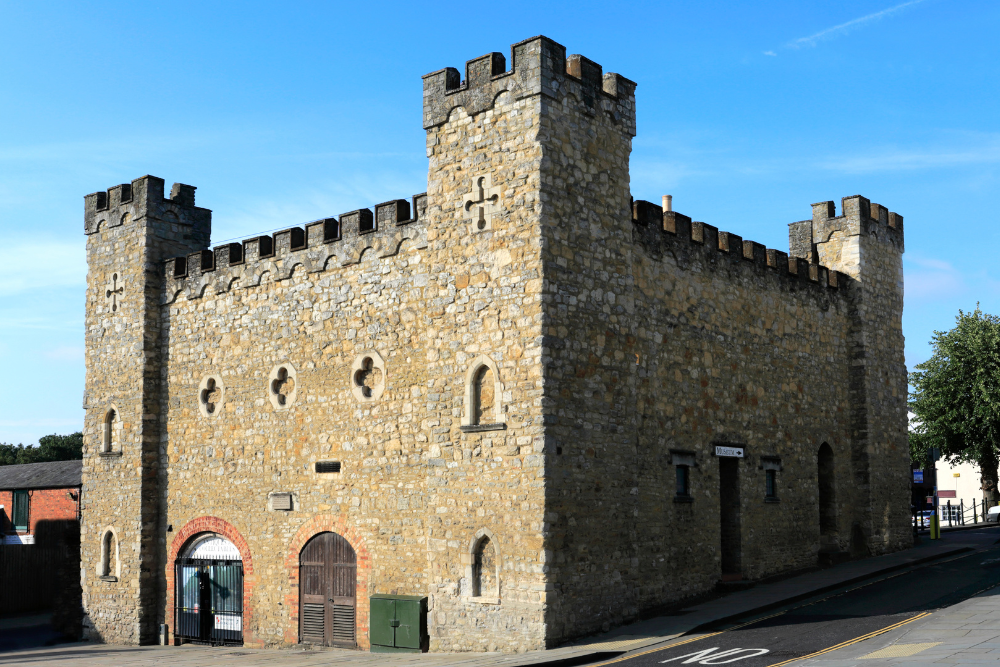
A Historic Correctional Facility
The Old Melbourne Gaol was operational from 1842 until 1929 and is one of Australia’s most notorious prisons. It housed many infamous criminals, including the infamous bushranger Ned Kelly.
Historical Significance
The gaol serves as a reminder of the harsh penal system and the lives of those who were imprisoned within its walls. It provides insights into crime and punishment during the colonial period.
Visitor Experience
Visitors can take guided tours to learn about the gaol’s history, view the cells, and see the death mask of Ned Kelly. The site also offers ghost tours, adding an eerie twist to the historical narrative.
Conclusion
Australia’s historic sites offer a rich tapestry of stories and experiences that reveal the nation’s diverse cultural heritage. From Indigenous landmarks like Uluru to colonial treasures like The Rocks and Fremantle Prison, each site tells a unique story about Australia’s past. By exploring these historic locations, visitors can gain a deeper understanding of the country’s history and the events that have shaped it into what it is today. Whether you’re a history buff or a curious traveler, a journey through Australia’s historic sites is sure to be a rewarding and enlightening experience.