


Introduction
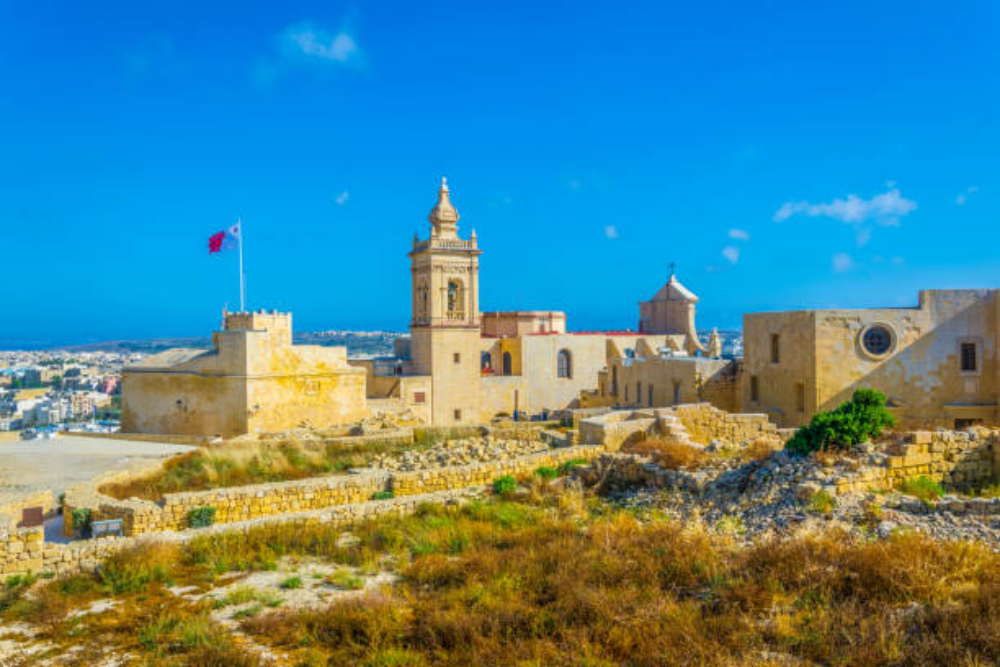
Dingli is a town situated on the western shore of Malta, known for its emotional ocean bluffs and normal magnificence. The Dingli Bluffs, transcending ocean level, offer staggering all-encompassing perspectives on the Mediterranean Ocean and are quite possibly of Malta’s most noteworthy point. The region is well known for climbing and dusk sees, with neighboring attractions including the House of prayer of St. Mary Magdalene, roosted on the bluff’s edge. Dingli has a provincial appeal, with its encompassing wide open dabbed with ranches and grape plantations, making it a serene objective for nature sweethearts.
Dingli Cliffs
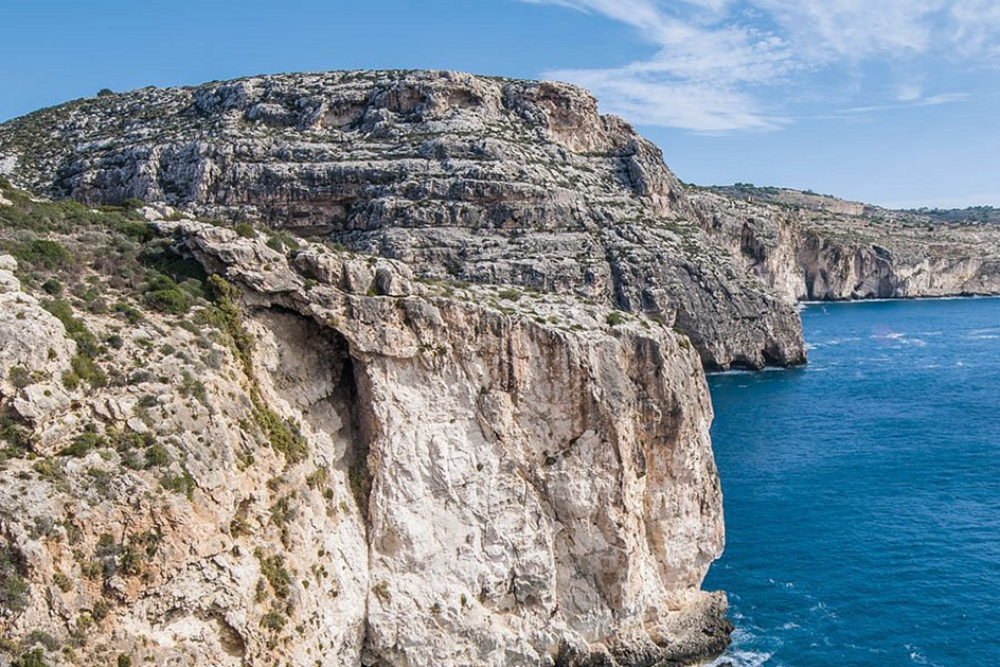
These towering cliffs offer breathtaking views of the Mediterranean Sea. It’s an ideal spot for scenic walks, sunset views, and photography. The cliffs are also perfect for a thrilling hike along the rugged coastline.
Chapel of St. Mary Magdalene
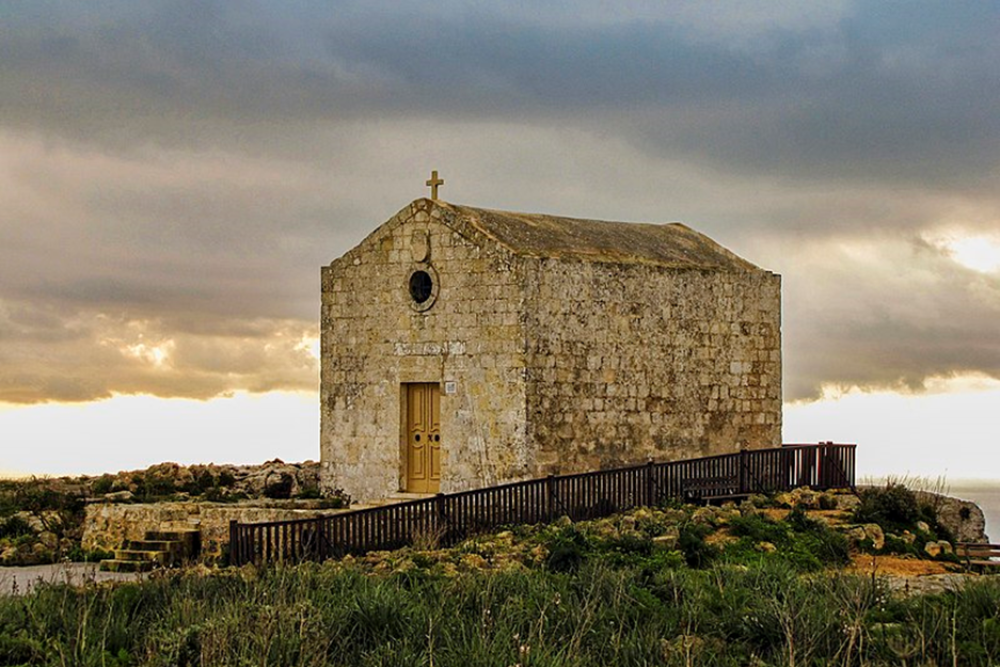
Located at the edge of the Dingli Cliffs, this small, picturesque chapel offers panoramic views of the sea and the surrounding countryside. It’s a peaceful place to visit and appreciate the landscape.
Cliffside Walks
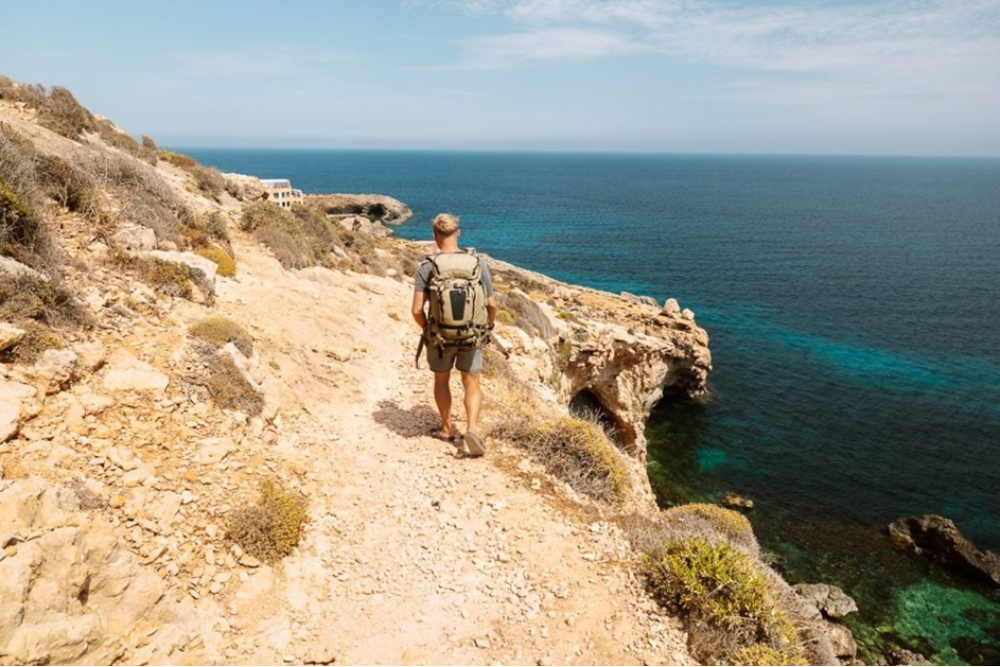
There are numerous hiking trails along the Dingli Cliffs, providing incredible views and a chance to experience Malta’s natural beauty. The fresh sea breeze and dramatic scenery make it an excellent adventure for trekkers.
Verdala Palace and Buskett Gardens
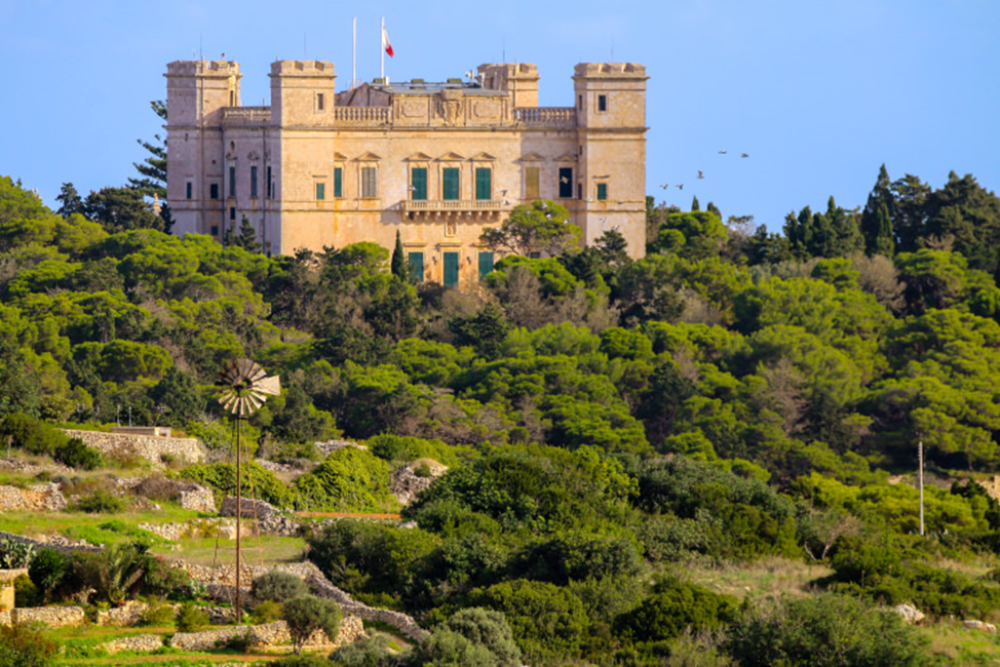
A short distance from Dingli, Verdala Palace is a 16th-century palace surrounded by Buskett Gardens, a lush green area ideal for picnics and walks. The palace itself can be viewed from outside, and the gardens provide a relaxing contrast to the rugged cliffs.
Mysterious Cart Ruts
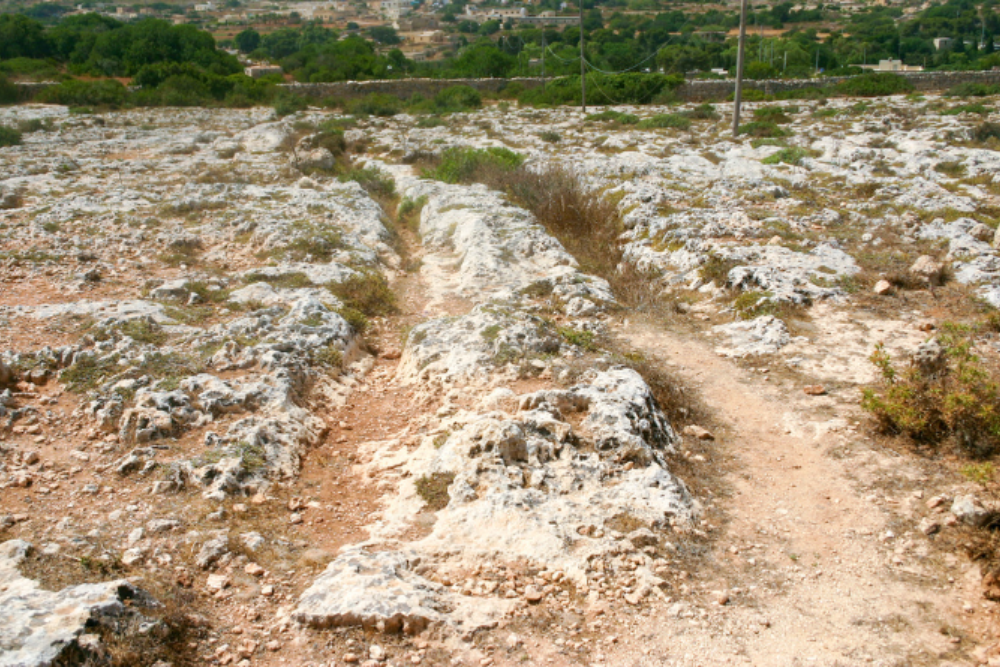
Near Dingli, you can find ancient cart ruts carved into the rocky terrain. Their origin is still debated, adding a touch of mystery to your visit.
Paragliding

For thrill-seekers, paragliding over Dingli Cliffs offers an exhilarating experience with stunning aerial views of Malta’s coastline and countryside.
Mountain Biking
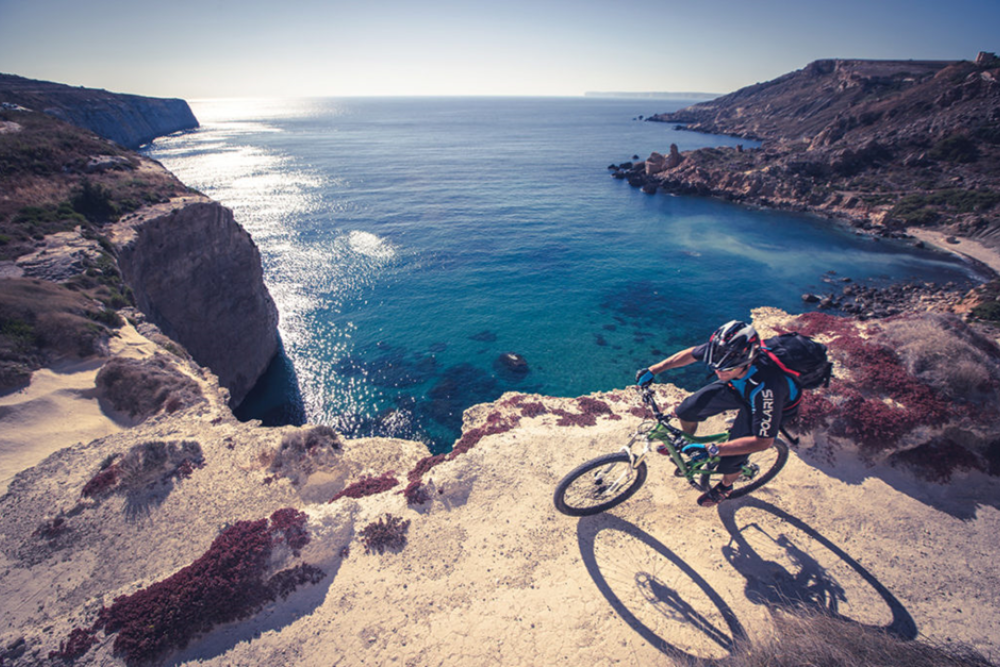
Dingli’s rugged terrain is perfect for mountain biking, with trails that wind through the cliffs and countryside, offering a more adventurous way to explore the area.
Dos and Don’ts in Dingli
When visiting Dingli, it’s important to keep in mind some dos and don’ts to ensure a safe, enjoyable, and respectful experience.
Dos:
- Do enjoy the scenery: Take as much time as necessary to see the value in the amazing perspectives from the Dingli Bluffs, particularly during dawn or nightfall.
- Do stay on designated paths: Stick to stamped climbing trails to safeguard the climate and for your own security, as the bluffs can be steep and hazardous in certain areas.
- Do wear appropriate footwear: On the off chance that you’re climbing, wear strong shoes or climbing boots since the territory can be rough and lopsided.
Don’ts:
- Don’t stand too close to the edge: The bluffs are high and the ground can be unsteady close to the edge, so consistently keep a protected separation.
- Don’t disturb wildlife: Regard the nearby greenery; abstain from picking plants or upsetting creatures you might go over.
- Don’t litter: Keep the region clean by discarding any loss in assigned regions or taking it with you.
Best time to reach in Dingli
The best time to visit Dingli depends on your preferences for weather and activities. Here are some considerations for different times of the year and day:
- Spring (March to May): This is arguably the best time to visit Dingli. The weather is mild, with temperatures ranging from 15°C to 25°C (59°F to 77°F). The landscape is lush and green, and the wildflowers are in full bloom, making it ideal for hiking and exploring the outdoors.
- Autumn (September to November): Another great time to visit. The temperatures are still pleasant, ranging from 20°C to 25°C (68°F to 77°F), but the summer crowds have diminished. It’s perfect for outdoor activities like hiking, biking, and sightseeing.
- Summer (June to August): The summer months can be very hot, with temperatures often exceeding 30°C (86°F). If you visit in summer, it’s best to go early in the morning or late in the afternoon to avoid the heat, and always carry plenty of water. It’s a good time for those looking to enjoy the long days and clear skies, but be mindful of the intense sun.
- Winter (December to February): Winter in Malta is mild compared to other European countries, with temperatures ranging from 10°C to 15°C (50°F to 59°F). While it’s not as green as in spring, it’s still a nice time for hiking, and the cooler weather is pleasant for exploring. Rain is more likely in winter, so check the forecast.