


Australia is a dream destination for many travelers, boasting breathtaking landscapes, vibrant cities, and diverse wildlife. However, exploring this vast country doesn’t have to break the bank. With careful planning and insider tips, you can enjoy an unforgettable Australian adventure without spending a fortune. This backpacker’s guide will provide you with essential tips, budget-friendly destinations, and activities to help you make the most of your trip while keeping costs low.
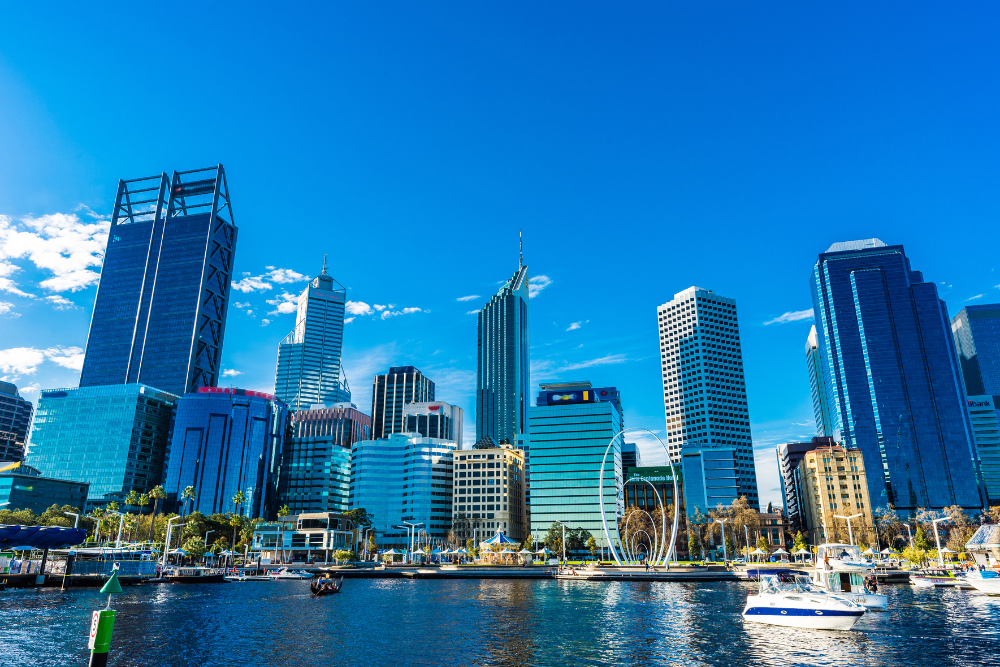
1. Planning Your Trip
Choose the Right Time to Visit
Australia experiences diverse weather patterns depending on the region. The peak tourist season runs from December to February, coinciding with summer, leading to higher prices for accommodation and activities. Consider visiting during the shoulder seasons—spring (September to November) and autumn (March to May)—for milder weather and fewer crowds.
Create a Budget
Before embarking on your journey, outline a realistic budget that covers accommodation, food, transportation, activities, and any unexpected expenses. A rough estimate might look like this:
- Accommodation: $20-$50 per night (hostels, camping)
- Food: $10-$30 per day (cooking, casual dining)
- Transportation: $10-$30 per day (public transport, fuel for road trips)
- Activities: $10-$50 per day (tours, entrance fees)
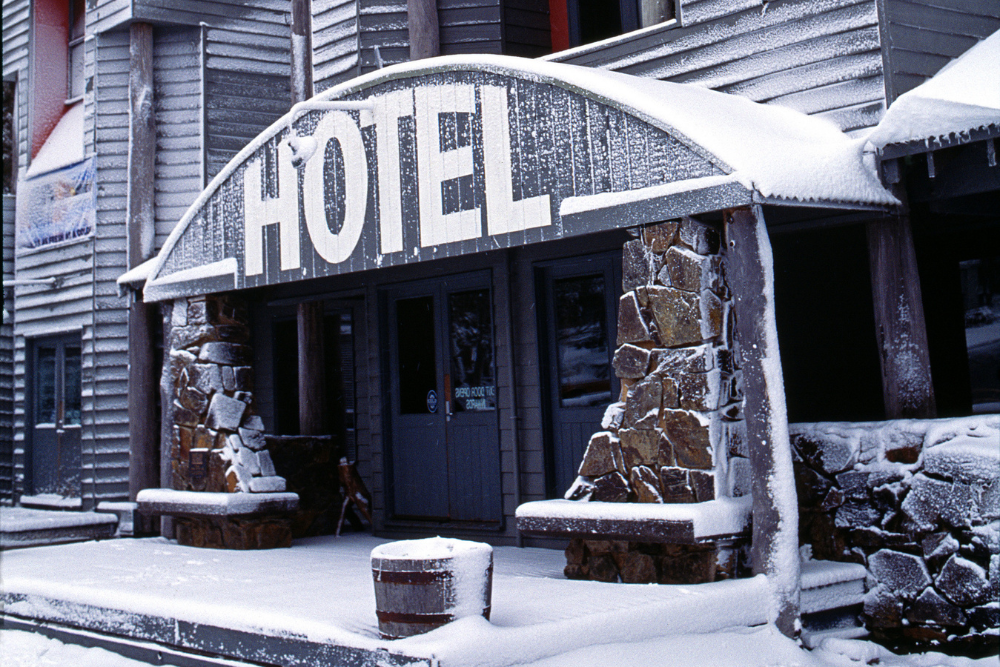
2. Budget-Friendly Accommodation Options
Hostels
Hostels are the go-to accommodation for backpackers, offering dormitory-style rooms and communal facilities. Popular hostel chains include YHA (Youth Hostels Association) and HI (Hostelling International), which are available in major cities and tourist areas. Prices typically range from $20 to $50 per night.
Camping
Australia is home to numerous campsites that cater to budget travelers. National parks and beaches often have affordable camping options. You can either bring your own tent or rent one from local shops. Camping fees usually range from $10 to $30 per night.
Couchsurfing
For those seeking a more immersive experience, consider Couchsurfing. This platform connects travelers with locals willing to offer a free place to stay. It’s a fantastic way to meet new people and gain insider tips about your destination.
3. Affordable Transportation
Public Transport
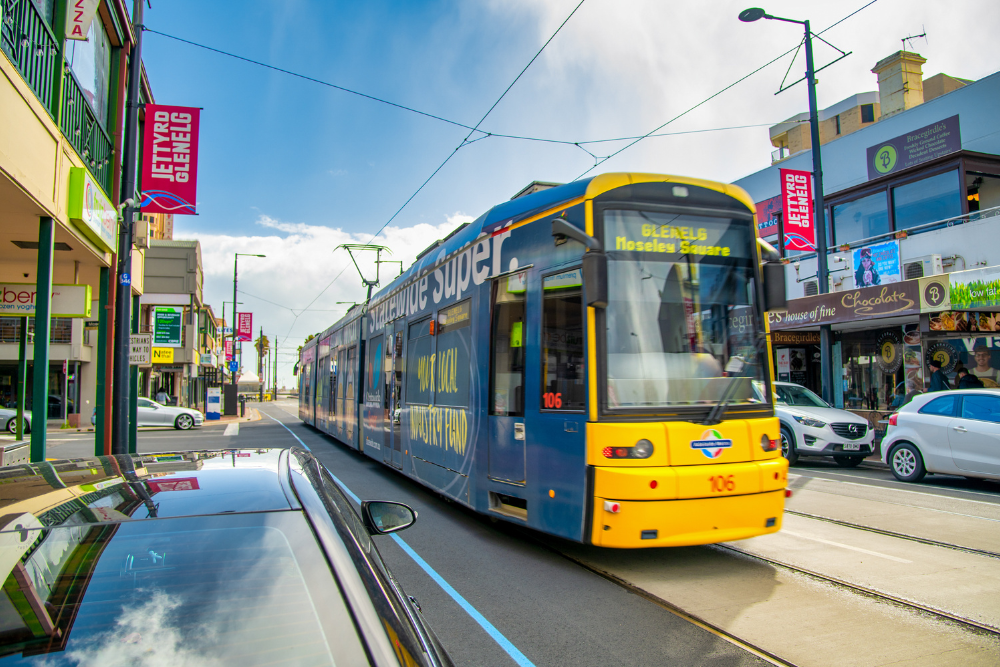
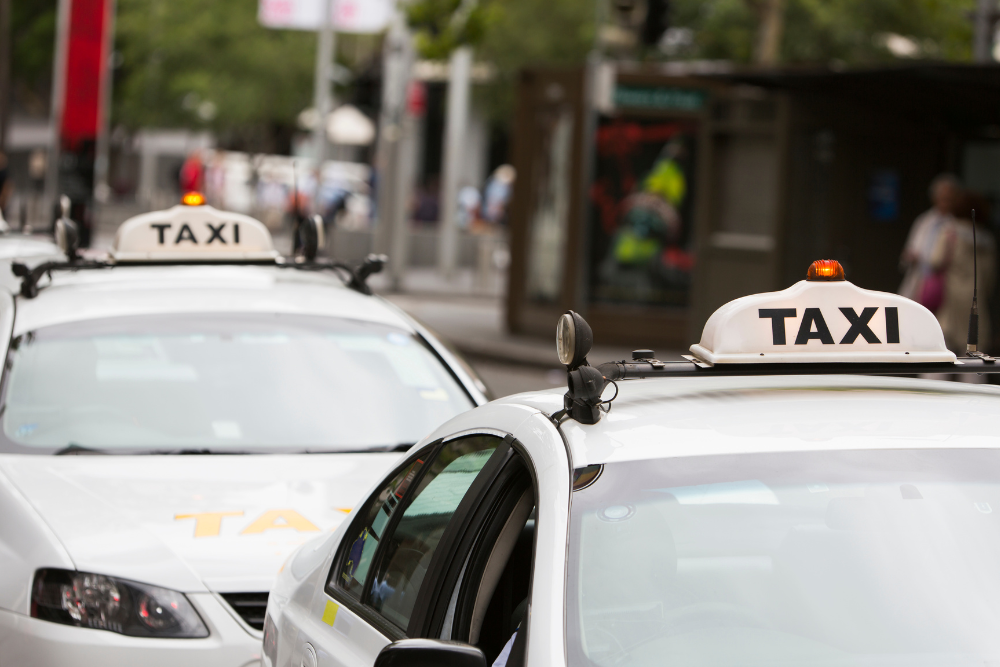
Major cities like Sydney, Melbourne, and Brisbane have extensive public transport systems, including buses, trains, and ferries. Invest in a travel card (like the Opal Card in Sydney) to save money on fares. Public transport is often more cost-effective than taxis or rideshare services.
Long-Distance Buses
For travel between cities, consider taking long-distance buses, which are typically cheaper than flights. Companies like Greyhound and Firefly offer flexible passes that allow you to hop on and off at various stops along their routes.
Car Rentals and Road Trips
If you’re traveling with friends, renting a car can be a budget-friendly option. Split the costs of fuel and accommodation for a road trip along Australia’s scenic coastal routes, like the Great Ocean Road or the Pacific Coast Highway. Don’t forget to budget for fuel and possible tolls.
4. Food on a Budget
Cooking Your Own Meals
One of the best ways to save money on food is to cook your meals. Most hostels and campgrounds have communal kitchens equipped with essential appliances. Stock up on groceries at local supermarkets (like Coles or Woolworths) to prepare simple meals.
Eating Out
When you do eat out, look for budget-friendly options. Many cities have food markets where you can find cheap eats. Street food stalls and cafes often offer lunch specials, allowing you to enjoy local cuisine without overspending.
Happy Hours
Take advantage of happy hour deals at bars and restaurants. Many establishments offer discounts on drinks and meals during specific hours, typically in the late afternoon or early evening.
5. Free and Low-Cost Activities
Explore Nature
Australia is renowned for its stunning natural landscapes. Take advantage of free activities, such as hiking in national parks or relaxing on beautiful beaches. Some popular options include:
- Blue Mountains National Park: Just outside Sydney, this park offers breathtaking views, hiking trails, and waterfalls.
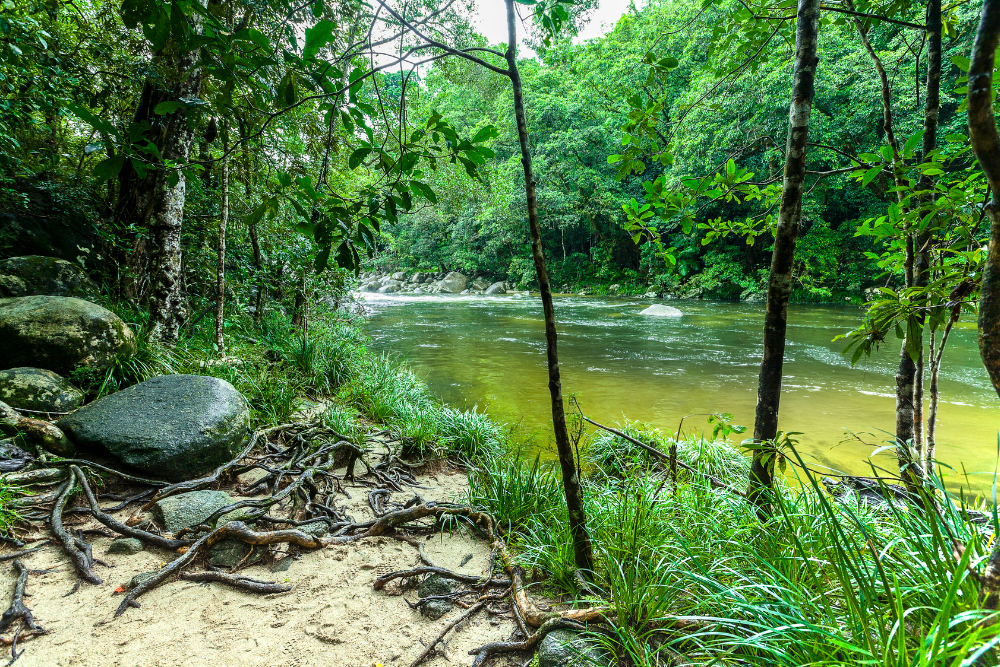
- Daintree Rainforest: Explore this UNESCO World Heritage site in Queensland for stunning scenery and diverse wildlife.
- Great Barrier Reef: While tours can be pricey, you can enjoy snorkeling and swimming at free public access points.
City Walks and Tours
Many cities offer free walking tours, providing a great introduction to local history and culture. These tours are typically tip-based, so you can contribute what you can afford. Look for free self-guided walking maps to explore on your own.
Festivals and Events
Australia hosts numerous free festivals and events throughout the year. Check local calendars for art exhibitions, music festivals, and cultural celebrations. Participating in these events allows you to immerse yourself in the local culture without spending much.
6. Must-Visit Budget Destinations
Melbourne
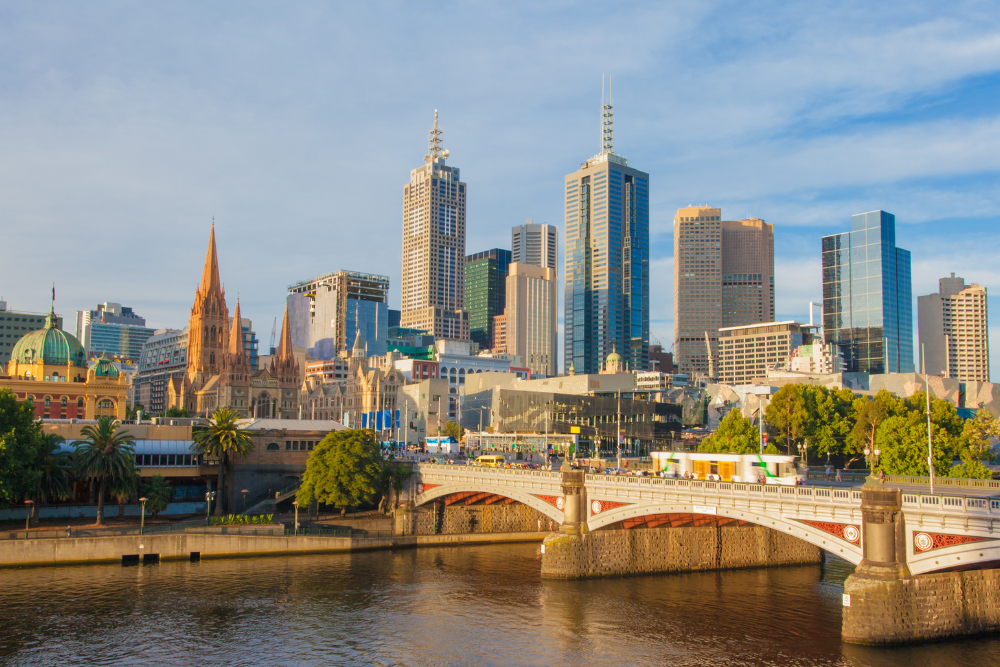
Melbourne is known for its vibrant street art, coffee culture, and diverse neighborhoods. Explore the city’s laneways, visit the Royal Botanic Gardens, and enjoy free events at Federation Square.
Sydney
While Sydney may be perceived as an expensive city, there are plenty of free activities to enjoy. Walk across the Sydney Harbour Bridge, relax at Bondi Beach, or explore the Royal Botanic Garden. Don’t miss the free events at the Sydney Opera House, especially during festivals.
Cairns
Cairns serves as a gateway to the Great Barrier Reef and Daintree Rainforest. While tours can be pricey, there are plenty of free activities, such as visiting the Cairns Esplanade, swimming in the lagoon, or hiking in nearby national parks.
Byron Bay
Known for its stunning beaches and relaxed vibe, Byron Bay is a haven for backpackers. Enjoy the beach, hike to the Cape Byron Lighthouse for breathtaking views, or take part in free community events.
7. Safety and Travel Tips
Stay Informed
Stay updated on local news and travel advisories. Familiarize yourself with the areas you plan to visit, and don’t hesitate to ask locals for advice on safe neighborhoods.
Respect Nature and Wildlife
When exploring national parks and natural areas, follow guidelines to protect the environment and wildlife. Leave no trace, stick to marked trails, and never feed wild animals.
Travel Insurance
Invest in travel insurance to protect yourself from unexpected events such as cancellations, medical emergencies, or theft. Look for a policy that covers activities you plan to participate in, such as hiking or snorkeling.
Conclusion
Traveling Australia on a budget is entirely achievable with careful planning and resourcefulness. By choosing affordable accommodations, utilizing public transport, and taking advantage of free activities, you can experience the beauty and diversity of Australia without overspending. Embrace the adventure, meet fellow travelers, and create lasting memories as you explore this incredible country. Whether you’re hiking in national parks, relaxing on stunning beaches, or immersing yourself in vibrant cities, Australia has something for every backpacker on a budget. Start planning your journey today and get ready for the adventure of a lifetime!