


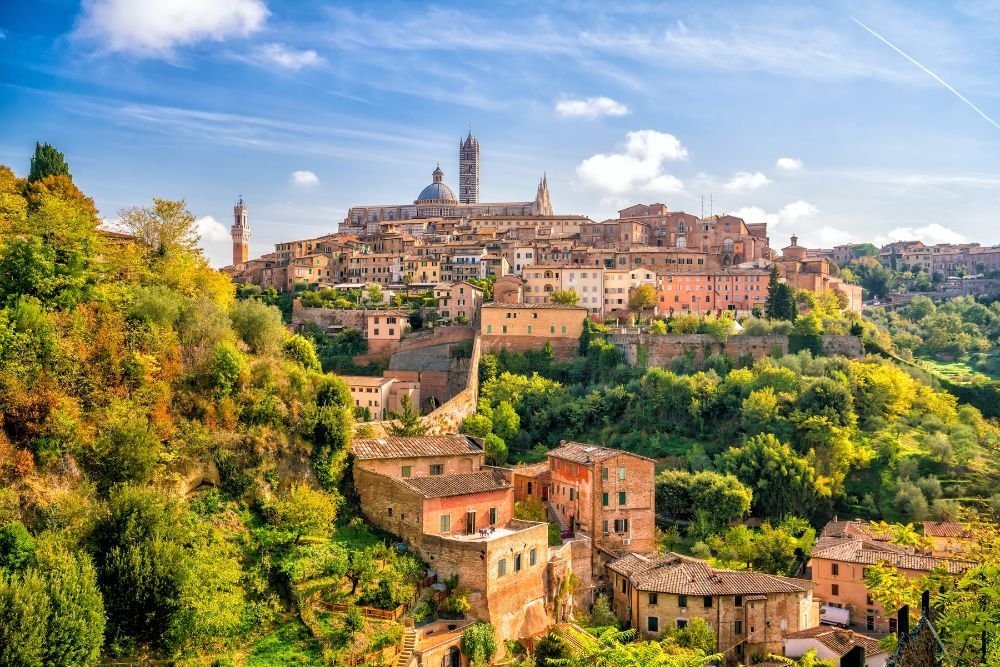

Italy, a land of timeless beauty, rich history, and cultural wonders, is home to some of the world’s most iconic landmarks. Whether you’re a history enthusiast, an art lover, or simply someone who wants to take in the stunning landscapes, Italy offers a diverse array of attractions. From ancient Roman structures to Renaissance masterpieces, here’s a guide to the top 10 must-see landmarks in Italy, each one telling its own unique story.
1. The Colosseum (Rome)
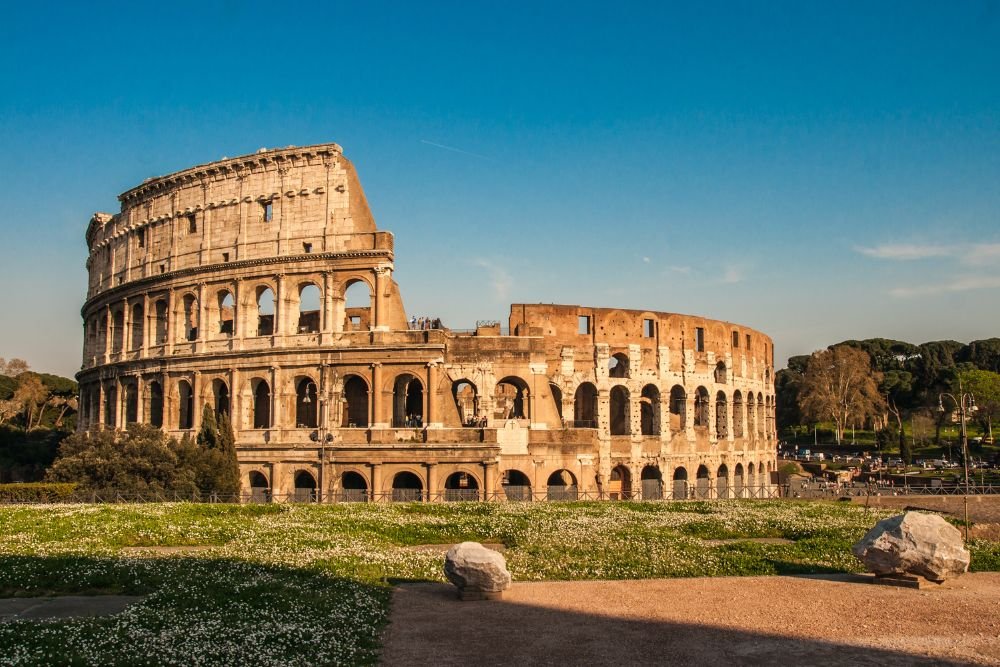
No visit to Italy is complete without a trip to Rome’s famous Colosseum, the largest amphitheater ever built in the Roman Empire. This iconic symbol of Roman engineering and gladiatorial combat dates back to AD 70-80. Standing in the heart of ancient Rome, the Colosseum once hosted brutal gladiatorial contests, animal hunts, and mock naval battles. Today, it is one of the most visited landmarks in the world.
A guided tour will give you insight into its rich history, its architectural marvels, and its role in the Roman Empire. The Colosseum is also beautifully lit at night, making it even more magical to visit.
2. The Leaning Tower of Pisa (Pisa)
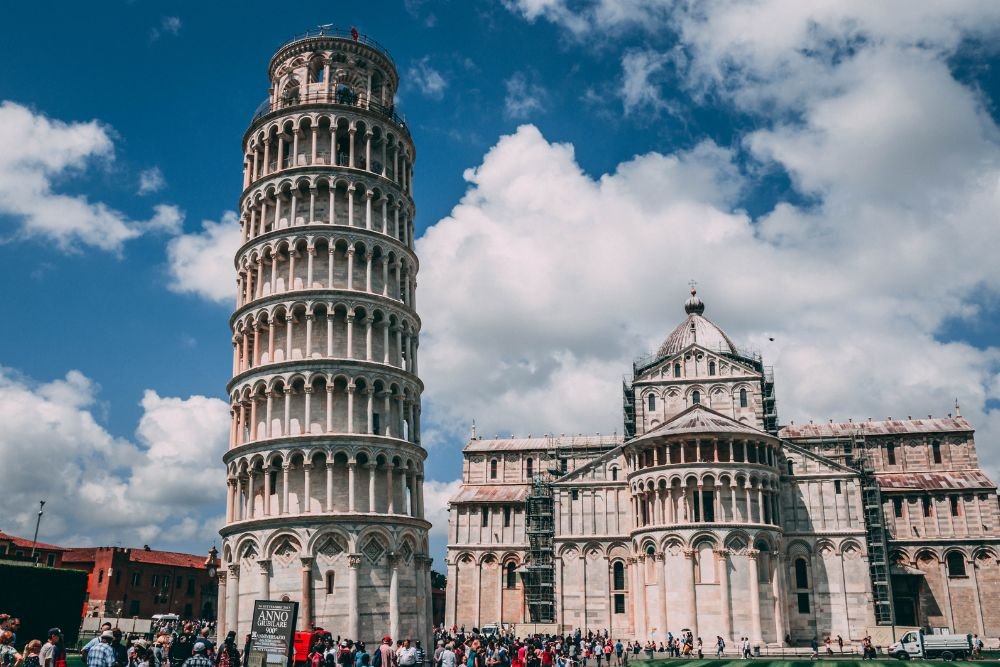
One of the most recognized landmarks in the world, the Leaning Tower of Pisa is famous for its unintended tilt. This freestanding bell tower, part of the Pisa Cathedral complex, began to lean during construction in the 12th century due to soft ground on one side. Despite several attempts to stabilize it, the tower’s lean has become its defining feature.
Visitors often take the playful photo of holding up or pushing the tower to highlight its tilt, but the true beauty of this landmark lies in its architectural design and historical significance. The Piazza dei Miracoli, where the tower is located, also houses the Pisa Cathedral and the Baptistery, making it a UNESCO World Heritage site.
3. The Vatican and St. Peter’s Basilica (Vatican City)
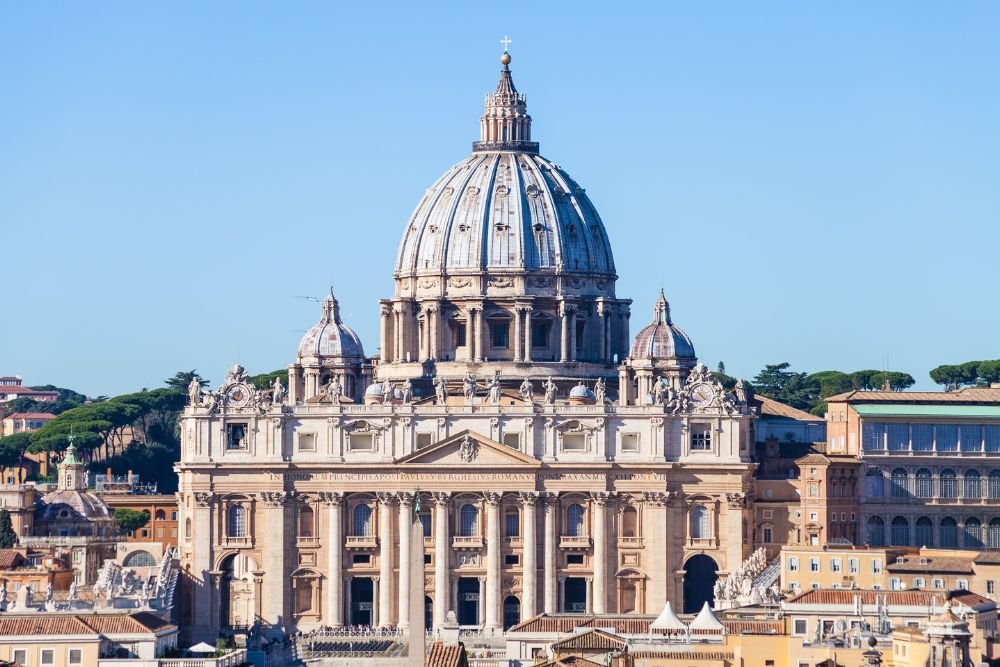
A city within a city, Vatican City is the smallest independent state in the world and the spiritual center for millions of Catholics. The heart of Vatican City is St. Peter’s Basilica, one of the largest and most important churches in the world. Designed by Michelangelo and other Renaissance architects, the basilica boasts stunning architecture, an awe-inspiring dome, and the famous Pietà sculpture by Michelangelo.
Adjacent to the basilica is St. Peter’s Square, where visitors can gather to witness the grandeur of the Vatican and its religious ceremonies. Don’t miss the opportunity to climb to the top of St. Peter’s Dome for panoramic views of Rome.
4. The Roman Forum (Rome)
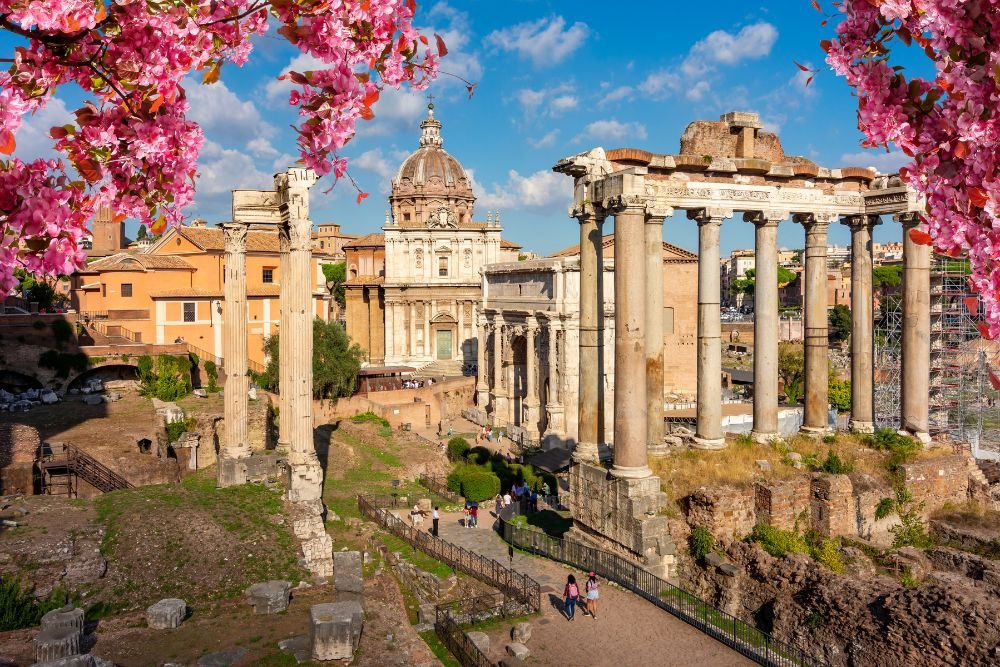
Located next to the Colosseum, the Roman Forum was once the center of ancient Roman political, commercial, and judicial life. This sprawling archaeological site contains the ruins of temples, public buildings, and government structures. Here, you can walk through history, imagining what life in ancient Rome was like for its citizens.
Among the ruins, you’ll find the Temple of Saturn, the Arch of Titus, and the House of the Vestal Virgins. The Forum offers a fascinating glimpse into the grandeur and complexity of the Roman Empire and is a must-visit for history lovers.
5. The Pantheon (Rome)
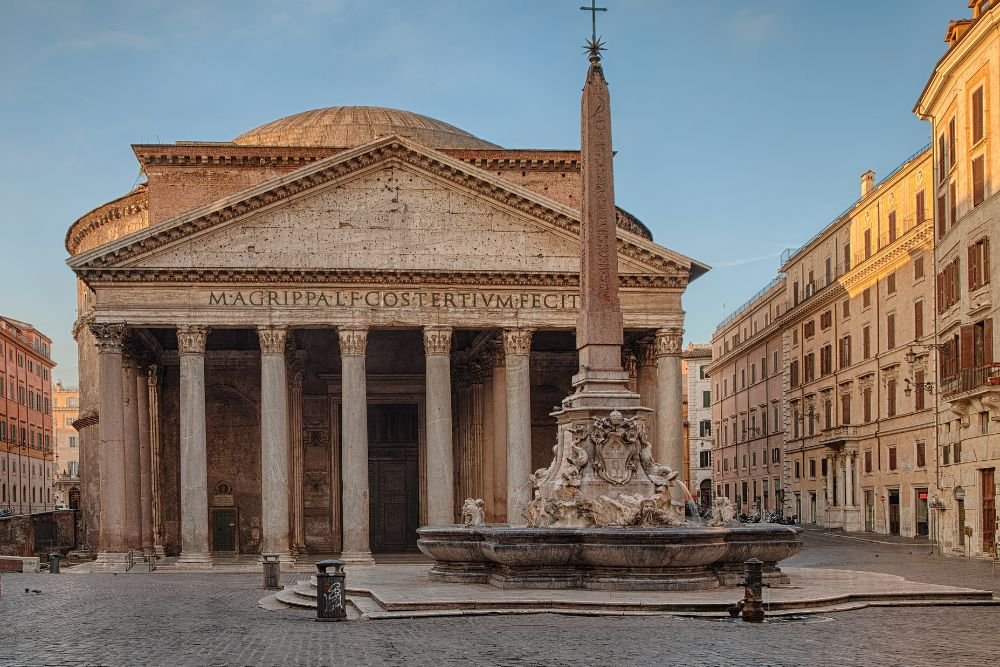
Another architectural masterpiece in Rome, the Pantheon is a testament to the brilliance of Roman engineering. Originally built as a temple to all gods around 126 AD, it has been in continuous use throughout history, now serving as a church. The Pantheon’s most striking feature is its massive dome, which remains the world’s largest unreinforced concrete dome.
The oculus at the top of the dome allows light to flood the interior, creating a dramatic effect. The Pantheon’s graceful columns and harmonious proportions make it one of the best-preserved monuments of ancient Rome.
6. The Duomo (Florence)
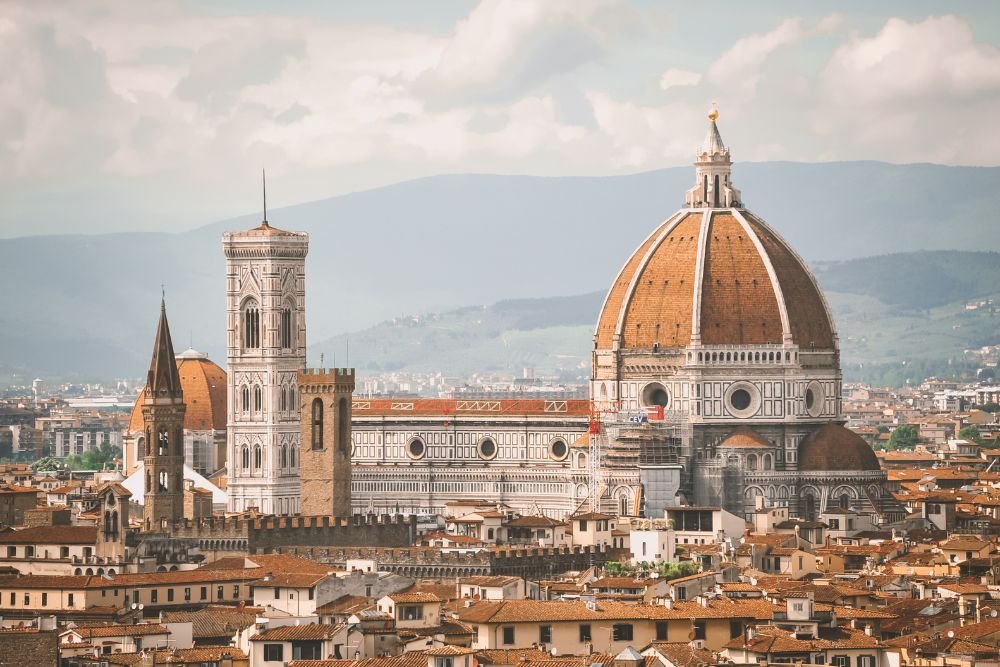
The Duomo di Firenze (Florence Cathedral) is a symbol of the city and an architectural wonder. The cathedral’s most striking feature is its enormous dome, designed by Filippo Brunelleschi during the Renaissance. At the time, the engineering feat was considered impossible, but Brunelleschi’s innovation changed architecture forever.
The cathedral’s ornate facade, designed by various artists, is equally impressive. Climbing to the top of the dome offers an unparalleled view of Florence’s historic center and the surrounding Tuscan countryside. The Duomo is a must-see for both its artistic value and its breathtaking panoramic views.
7. The Canals of Venice (Venice)
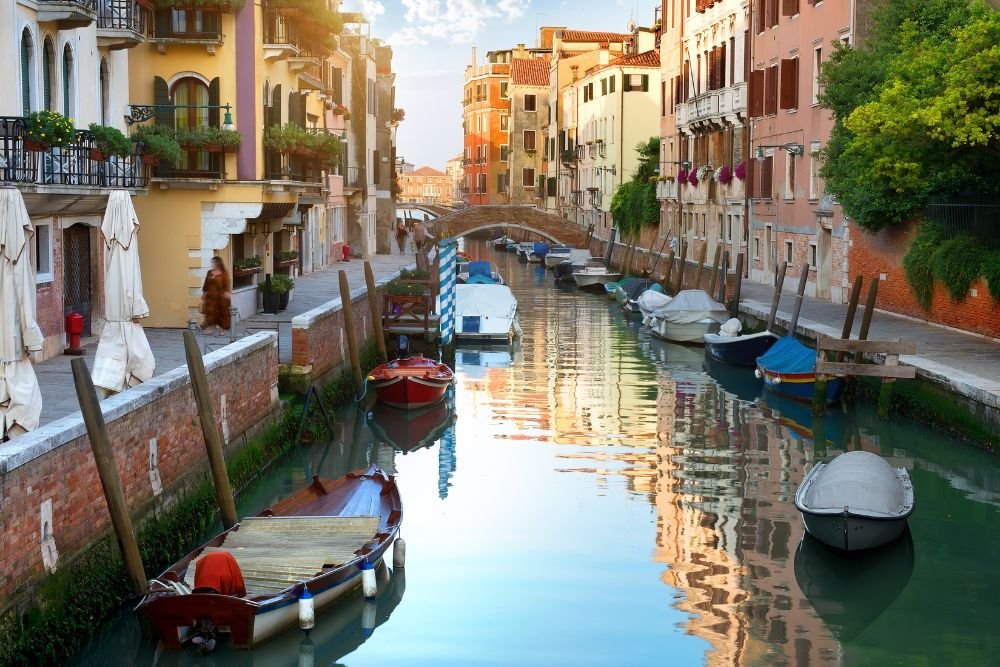
No trip to Venice is complete without a visit to the city’s iconic canals. The most famous of these, the Grand Canal, is lined with historic palaces, bridges, and churches. Taking a gondola ride along the canals is a romantic experience, offering a unique perspective of Venice’s winding streets and beautiful architecture.
Beyond the Grand Canal, Venice is filled with smaller canals and charming bridges, each with its own story. Make sure to visit Piazza San Marco and the stunning St. Mark’s Basilica, which are just a short walk from the canals and another must-see landmark.
8. Cinque Terre (Liguria)
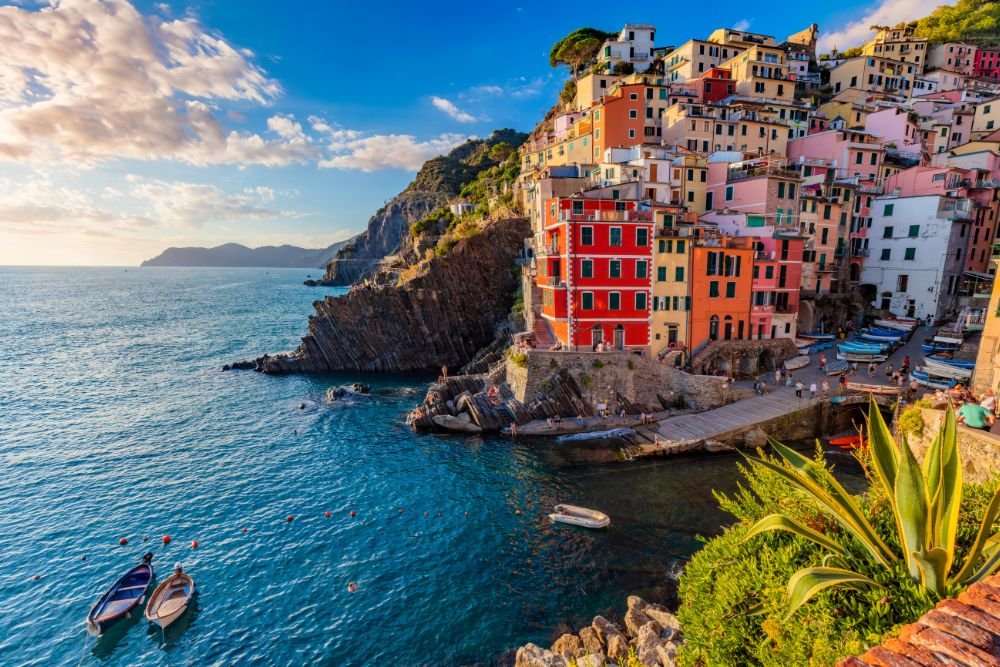
The Cinque Terre is a picturesque region along the Ligurian coastline, known for its five charming villages perched on steep cliffs above the Mediterranean Sea. The colorful homes, narrow streets, and dramatic cliffs create one of Italy’s most photogenic landscapes.
Honeymooners and nature lovers flock to Cinque Terre for its scenic hiking trails, idyllic beaches, and relaxing atmosphere. The coastal paths that connect the villages offer stunning views of the sea and the villages below, making it a perfect destination for couples seeking both adventure and relaxation.
9. Pompeii and Mount Vesuvius (Naples)
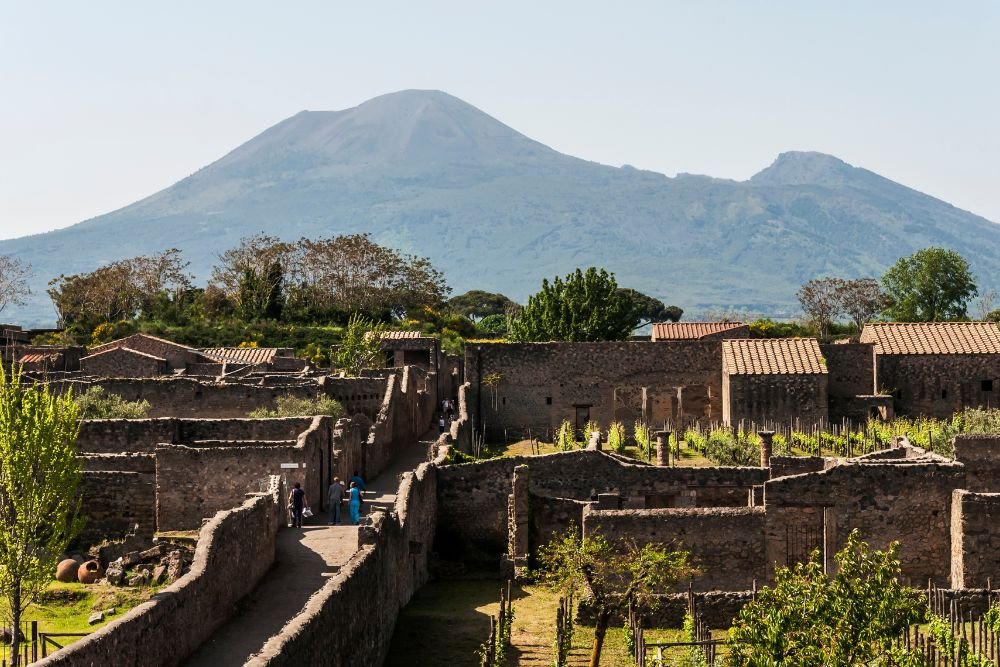
The ancient city of Pompeii, buried under volcanic ash during the eruption of Mount Vesuvius in 79 AD, provides a glimpse into life during the Roman Empire. The ruins are remarkably well-preserved, with intact frescoes, mosaics, and even casts of the people who perished in the eruption.
A visit to Pompeii is a journey back in time, with the opportunity to walk through the streets, visit the Forum, and explore private homes, baths, and temples. For a more dramatic experience, hike to the summit of Mount Vesuvius for panoramic views of the Bay of Naples.
10. The Amalfi Coast (Amalfi Coast)
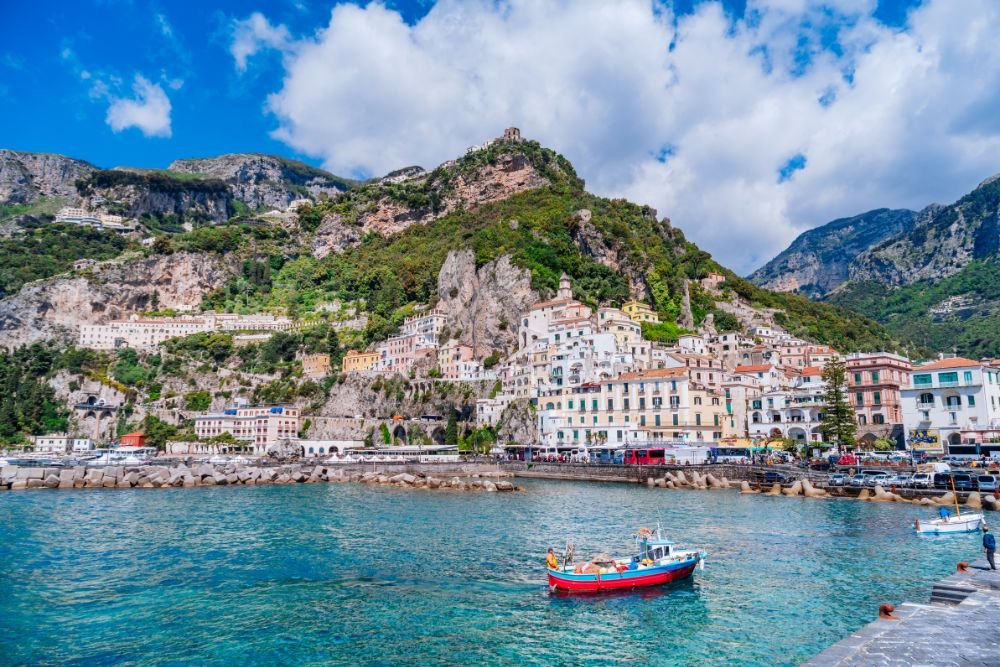
The Amalfi Coast is one of the most stunning coastal regions in Italy, known for its dramatic cliffs, crystal-clear waters, and colorful seaside towns. Towns like Positano, Ravello, and Amalfi offer charming streets, beautiful beaches, and breathtaking views of the Mediterranean Sea.
Couples can explore the coastal roads by car, boat, or foot, or simply relax in a seaside cafe, enjoying fresh seafood and local limoncello. The Amalfi Coast is a place to indulge in romance, natural beauty, and relaxation.
Conclusion
Italy is a country where history, culture, and natural beauty blend seamlessly, and these top 10 landmarks provide a perfect introduction to the Italian experience. Whether you’re admiring the architectural wonders of ancient Rome, exploring the charming canals of Venice, or relaxing along the Amalfi Coast, Italy offers a wealth of unforgettable experiences. Each landmark tells its own story, and together, they create a rich tapestry of Italy’s past and present, waiting to be explored.