


Introduction
Malopolskie (Lesser Poland) is a historical and culturally rich region located in the southern part of Poland. It is one of the country’s 16 administrative provinces (voivodeships) and is known for its stunning landscapes, vibrant cities, and deep-rooted traditions. The region’s capital, Krakow, is one of Poland’s most famous and historically significant cities, attracting millions of visitors each year with its medieval architecture, UNESCO World Heritage Sites, and cultural heritage. Malopolskie is characterized by its diverse geography, which includes the Tatra Mountains, the Carpathian range, and the picturesque Dunajec River. This natural beauty makes it an excellent destination for outdoor activities such as hiking, skiing, rafting, and cycling. The region is also home to several national parks, including Tatrzanki National Park and Pieninski National Park, offering opportunities to explore Poland’s diverse flora and fauna. Beyond nature, Malopolskie boasts a rich cultural heritage. It is home to many historical towns, castles, and museums, and is a hub for Polish folklore, music, and traditional crafts. The region has a long history that includes key moments from Poland’s royal past, including the Wawel Castle in Krakow, which once served as the residence of Polish kings.
Skiing and Snowboarding in Zakopane
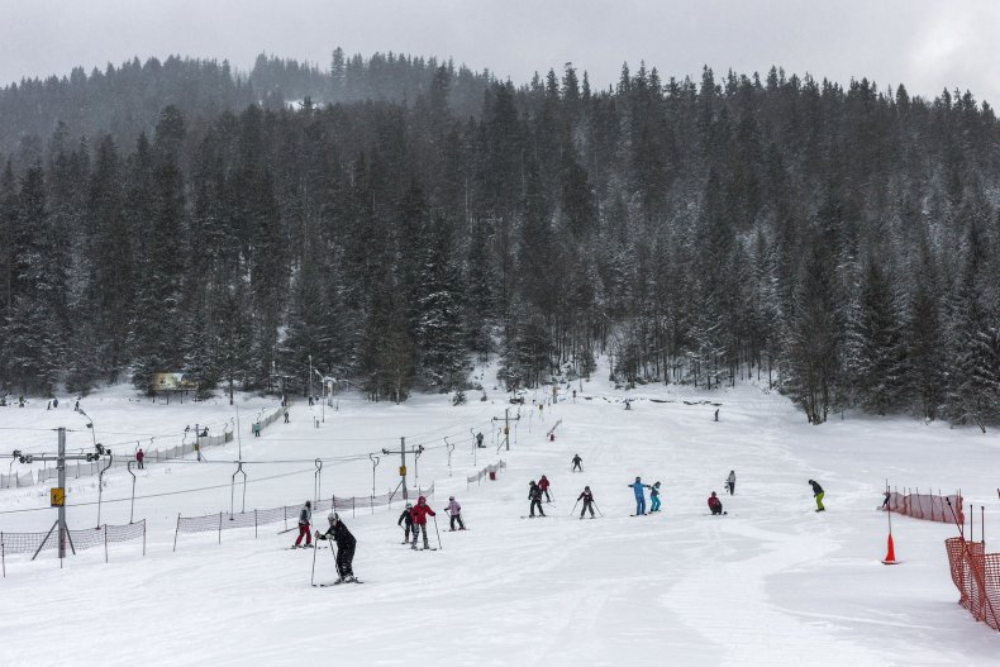
Zakopane is known as the “Winter Capital of Poland,” attracting skiers and snowboarders from all over. The region has several ski resorts with slopes suitable for all levels. Skiing in the Tatra Mountains offers a thrilling experience with picturesque views and a festive atmosphere in the charming town of Zakopane.
Rafting on the Dunajec River
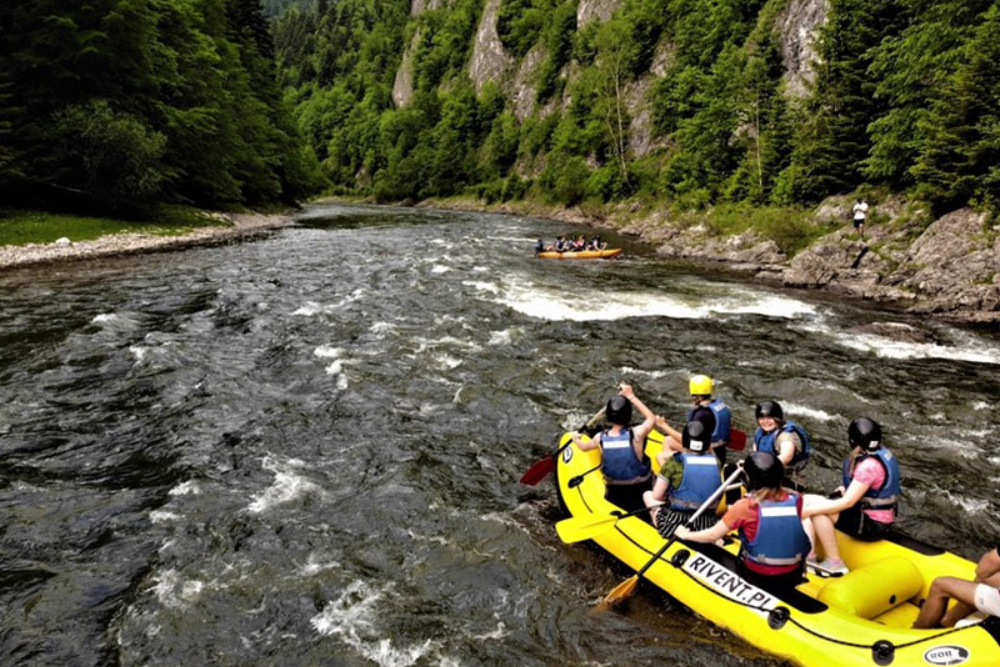
The Dunajec River flows through the stunning Pieniny Mountains, offering a unique rafting experience. Paddle through the dramatic gorge, surrounded by towering limestone cliffs and lush forests. Rafting on the Dunajec is a thrilling and scenic adventure, ideal for those seeking to combine adrenaline with natural beauty.
Caving in the Wietrznice Caves
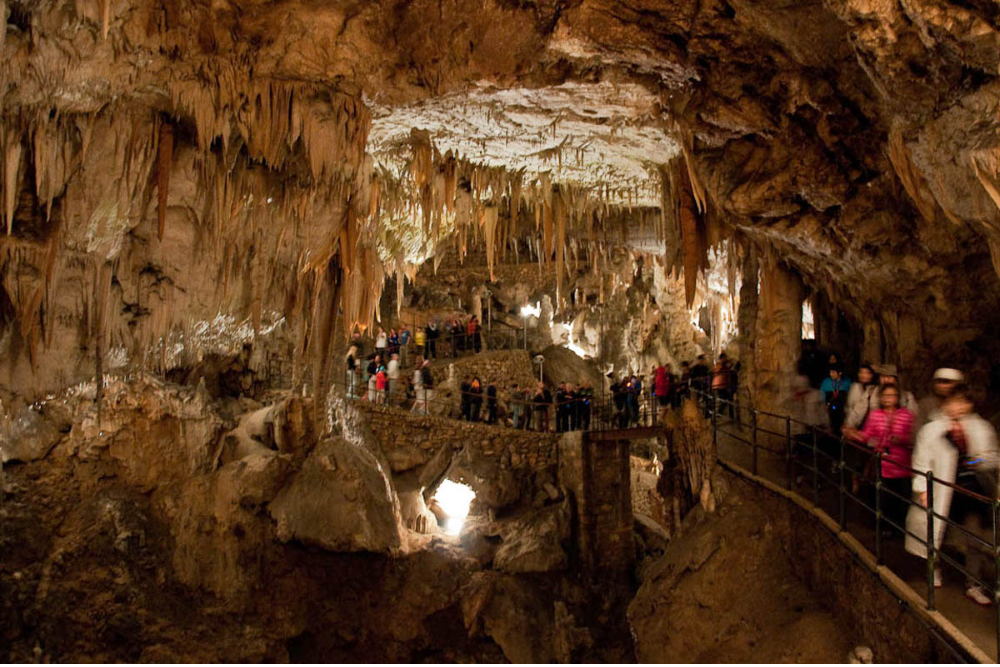
For those seeking underground thrills, the Wietrznice Caves, located near Krakow, offer an exciting caving experience. Explore the intricate network of tunnels and chambers, some of which are decorated with stalactites and stalagmites. It’s an adventurous and challenging activity for nature lovers and thrill-seekers.
Mountain Biking in the Beskidy Mountains
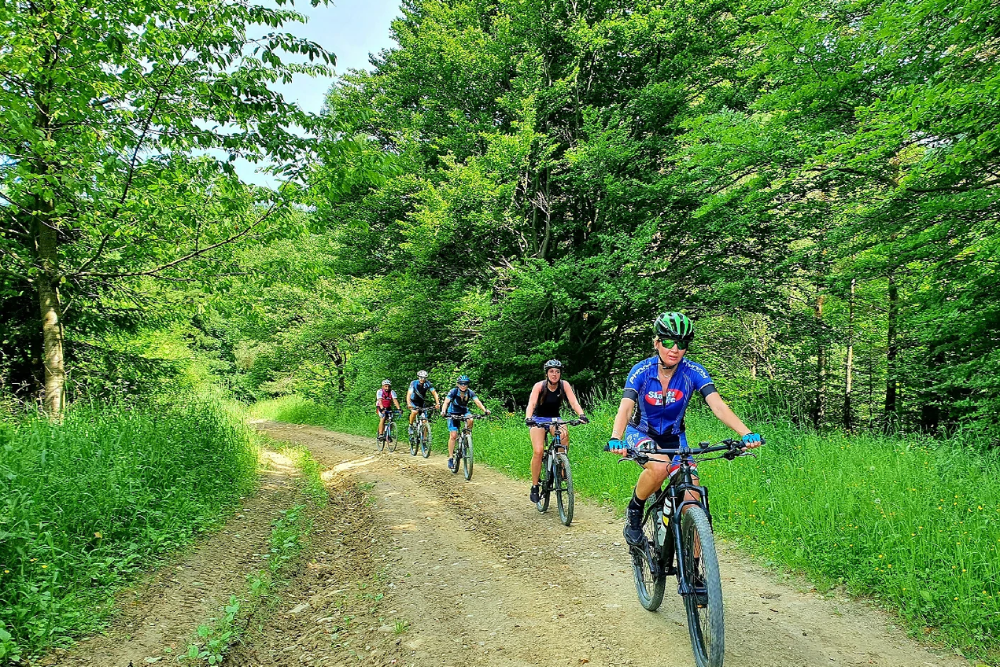
The Beskidy Mountains offer fantastic mountain biking trails for riders of all skill levels. With winding paths, forested areas, and spectacular views, cycling through this mountain range provides a combination of excitement and stunning natural beauty. Whether you’re looking for a leisurely ride or an adrenaline-pumping trail, the Beskidy Mountains have something for every cyclist.
Hiking in the Tatra Mountains
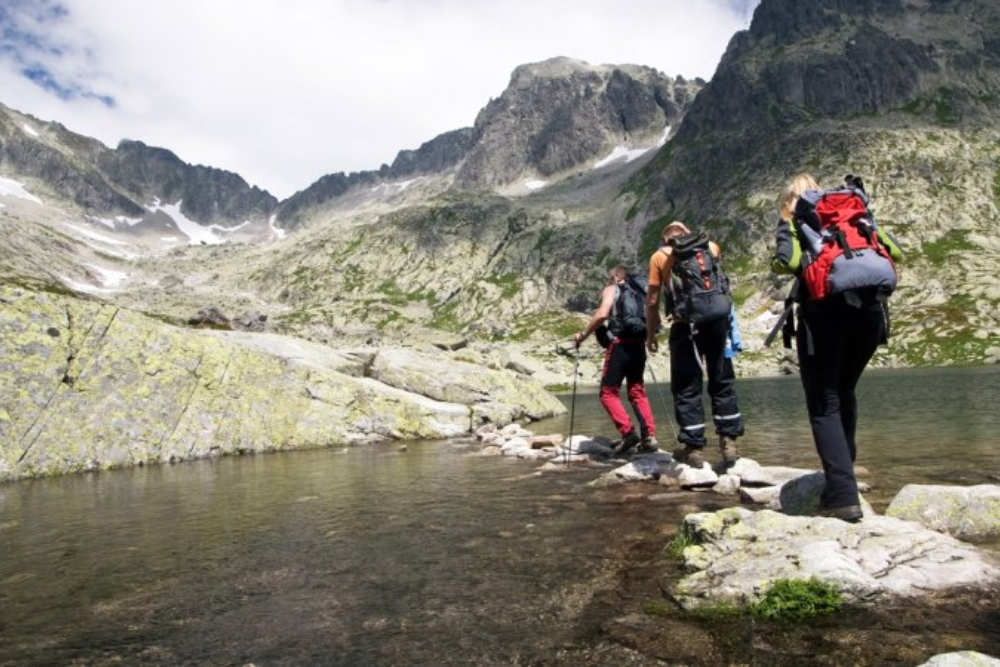
The Tatra Mountains are a paradise for hiking enthusiasts. Whether you’re a beginner or an experienced mountaineer, there are various trails to explore, including routes up to Kasprowy Wierch, Giewont, and Rysy (the highest peak in Poland). The rugged terrain, steep cliffs, and breathtaking views make hiking in the Tatras an unforgettable adventure.
Krakow’s Old Town (Stare Miasto)
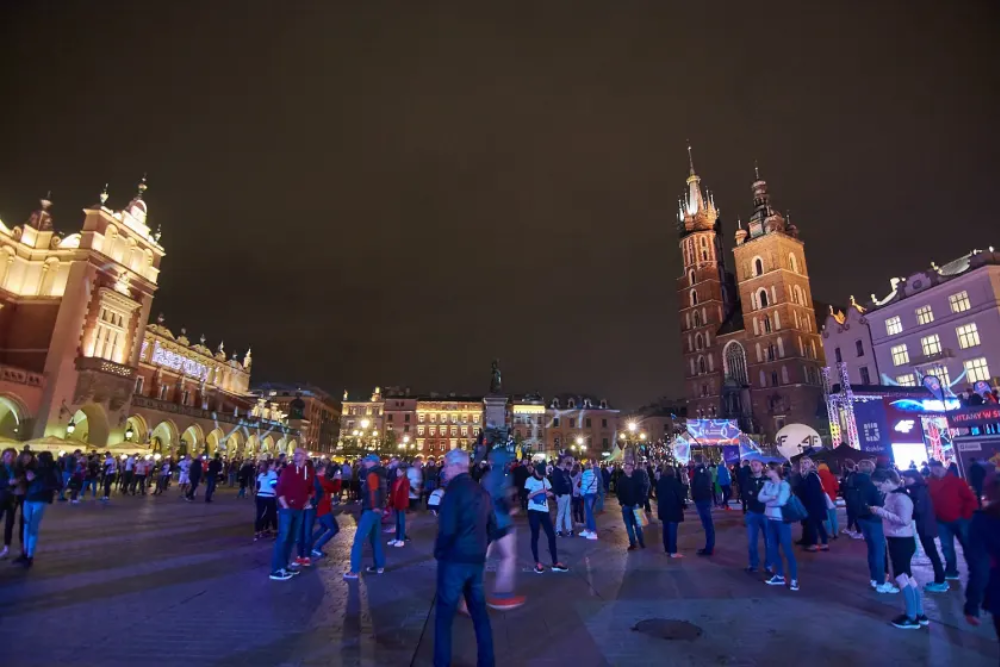
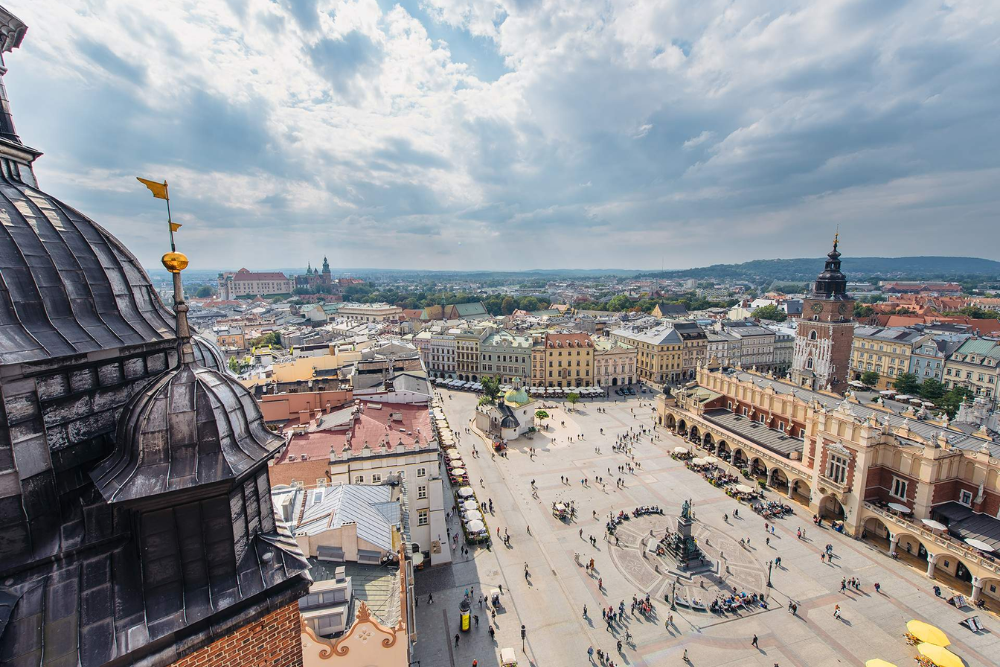
Krakow is the heart of Malopolskie and one of Poland’s most iconic cities. The Old Town is a UNESCO World Heritage Site, featuring stunning medieval architecture, the Main Market Square (Rynek Główny), and landmarks such as St. Mary’s Basilica and the Cloth Hall. The historic atmosphere, charming streets, and rich cultural heritage make it a must-visit destination.
Wawel Castle (Zamek Królewski na Wawelu)
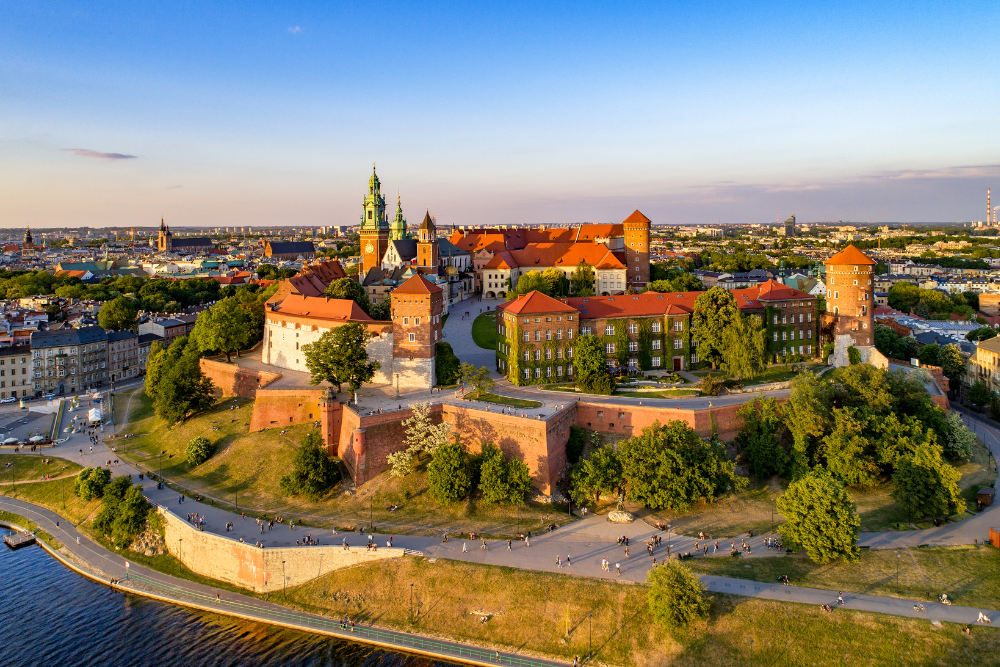
Located on Wawel Hill in Krakow, Wawel Castle is one of Poland’s most significant historical landmarks. It was once the royal residence of Polish kings and is now a museum with collections of art, royal memorabilia, and artifacts. The castle offers stunning views over the city and is a symbol of Poland’s national heritage.
Auschwitz-Birkenau Memorial and Museum
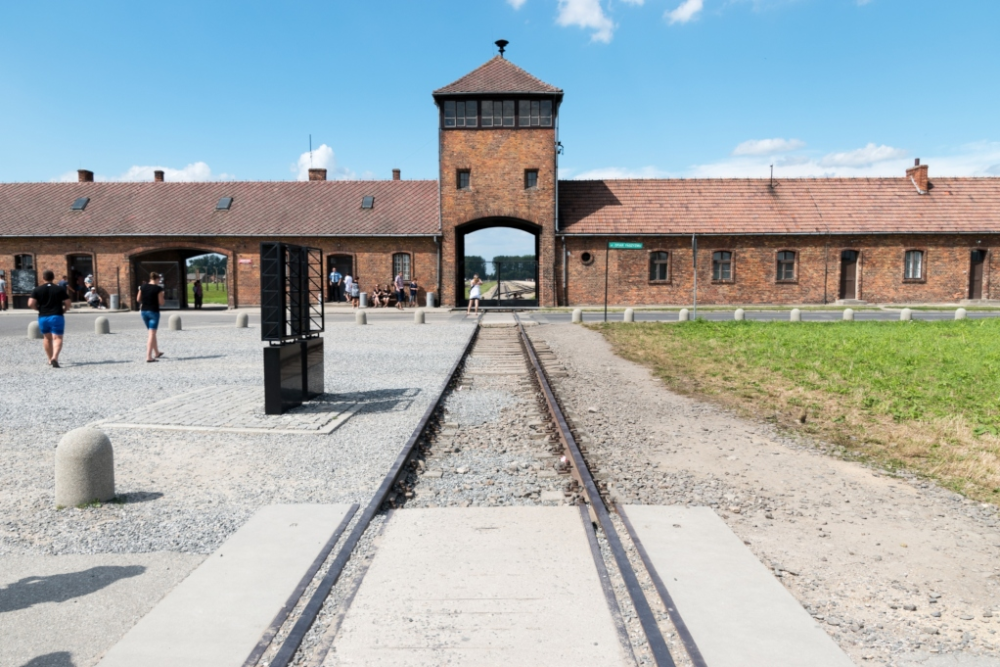
Located near the town of Oświęcim, Auschwitz-Birkenau is one of the most important Holocaust memorials in the world. It is a powerful and sobering site dedicated to the memory of the victims of the Nazi concentration camps. Visiting this site offers an educational and emotional experience about the atrocities of World War II.
Zakopane and the Tatra Mountains
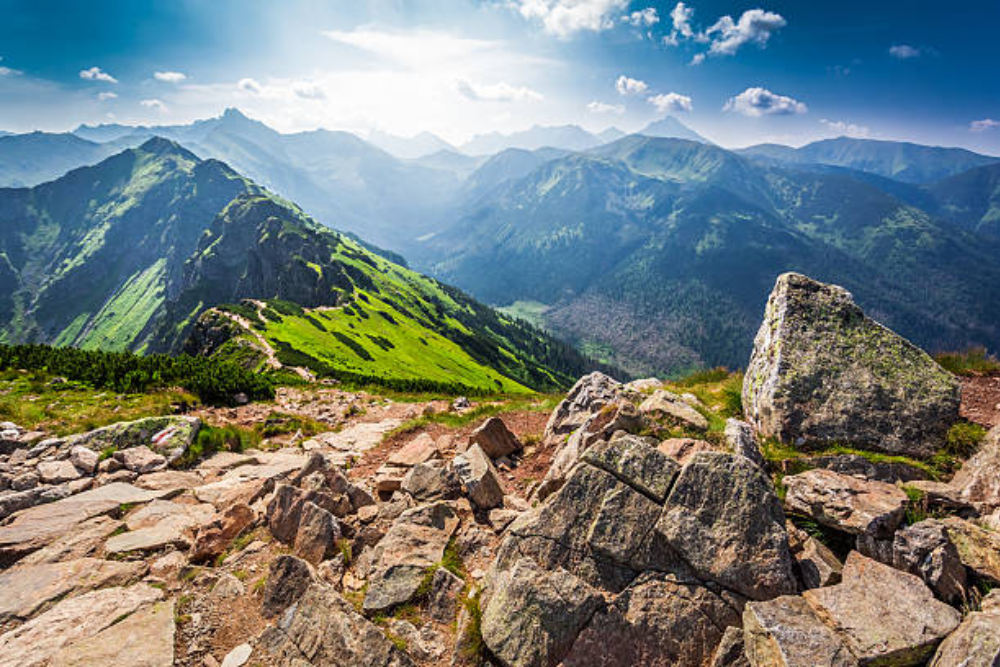
Zakopane, located at the foot of the Tatra Mountains, is a popular destination for both summer and winter tourism. In winter, it’s a hub for skiing and snowboarding, while in the warmer months, it offers hiking, mountain climbing, and stunning views. The town itself is known for its unique wooden architecture and vibrant culture, blending Polish folklore with outdoor adventure.
Wieliczka Salt Mine
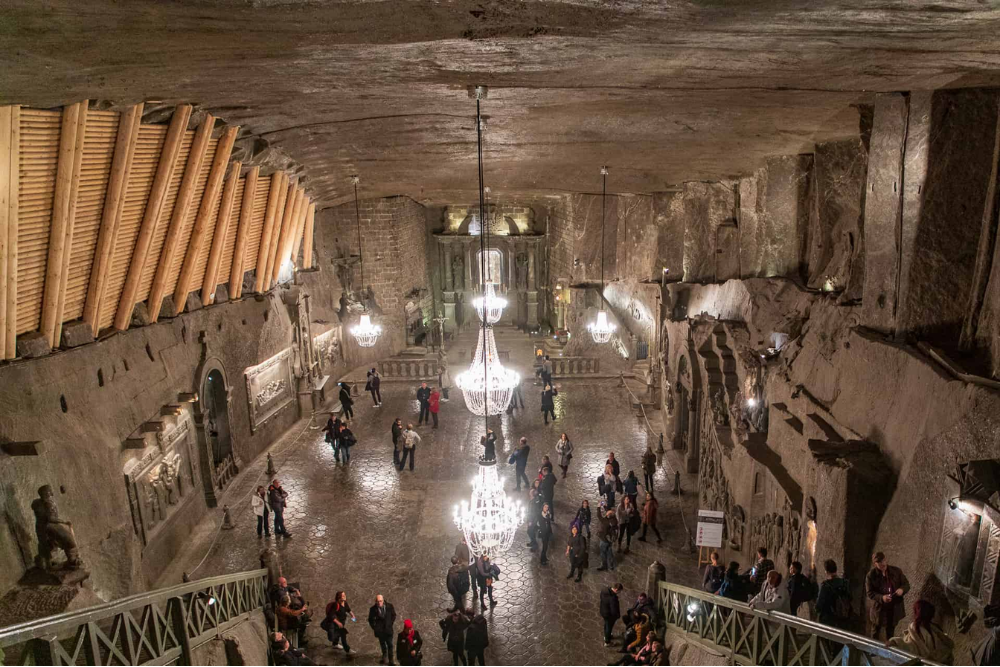
The Wieliczka Salt Mine, a UNESCO World Heritage Site, is one of the oldest salt mines in Europe. It features incredible underground chambers, tunnels, and chapels carved from salt, as well as fascinating exhibits on the history of salt mining. A guided tour through the mine offers a unique, otherworldly experience.
Dos and Don’ts in Malopolskie
Dos
- Do Greet People Politely
- In Poland, greetings are important. When meeting someone, offer a handshake or say “Dzien dobry“ (Good day) in a friendly manner. Address people using formal titles (like Panie for Mr. or Pani for Mrs.), especially if you’re meeting them for the first time.
- Do Respect Religious and Cultural Sites
- Małopolskie is home to many religious and cultural landmarks, such as churches, synagogues, and historic monuments. Be respectful when visiting these sites—dress modestly, and remain quiet in places of worship.
- Do Try Local Polish Cuisine
- Don’t miss the opportunity to try traditional Polish dishes like pierogi (dumplings), żurek (sour rye soup), and oscypek (smoked cheese from the Tatra region). Małopolskie has many regional specialties, so make sure to enjoy the local food.
Don’ts
- Don’t Speak Loudly in Public
- Poles tend to value quietness in public spaces, especially in places like public transport, cafes, and restaurants. Avoid speaking too loudly or being disruptive in these areas.
- Don’t Discuss Sensitive Topics Too Early
- Politics, religion, and historical issues can be sensitive subjects for many people in Poland. Avoid discussing these topics until you have established a relationship or know the other person’s views.
- Don’t Point at People
- Pointing directly at people with your finger is considered rude in Polish culture. If you need to point, do so with your whole hand or use a subtle gesture.
Best time to reach in Malopolskie
The best time to visit Małopolskie (Lesser Poland) depends on your preferences for weather, activities, and the type of experience you want. Here’s a breakdown of the seasons:
1. Spring (April to June)
- Spring in Małopolskie is mild, with temperatures ranging from 10°C to 20°C (50°F to 68°F). The region begins to bloom, and nature is at its freshest.
- Spring is ideal for outdoor activities such as hiking, cycling, and exploring the Tatra Mountains or the picturesque towns around the region.
- The weather is pleasant, and it’s a great time to visit Krakow and other cities before the peak tourist season begins. The natural beauty, with flowers in bloom, adds to the charm.
2. Summer (July to August)
- Warm temperatures, typically between 20°C and 30°C (68°F to 86°F), with long, sunny days.
- Summer is the peak tourist season in Małopolskie. This is the best time for outdoor adventures like hiking in the Tatra Mountains, visiting the Dunajec River, or enjoying cultural events and festivals.
- Krakow is vibrant with street performers, open-air concerts, and bustling markets. However, it can be crowded, especially in the major tourist spots, so it’s ideal for those who want to experience the region’s lively atmosphere.
3. Autumn (September to November)
- Temperatures begin to cool, ranging from 10°C to 20°C (50°F to 68°F) in September, dropping further in November.
- Autumn is a beautiful time to visit Małopolskie, as the landscapes are transformed with colorful fall foliage.
- It’s perfect for photography, scenic hikes, and exploring the region’s natural parks. The cooler weather is also ideal for those who prefer to avoid the summer crowds, making it a peaceful and picturesque time to visit Krakow, Zakopane, and other areas.
4. Winter (December to February)
- Cold, with temperatures ranging from -5°C to 5°C (23°F to 41°F), with occasional snow.
- Winter is perfect for those who enjoy winter sports. Zakopane and the Tatra Mountains offer excellent skiing and snowboarding opportunities, and the region is popular for winter hiking.
- Additionally, Krakow’s Christmas markets and festive decorations create a charming holiday atmosphere. However, it can be quite cold and some areas may be less accessible due to snow.