


Introduction
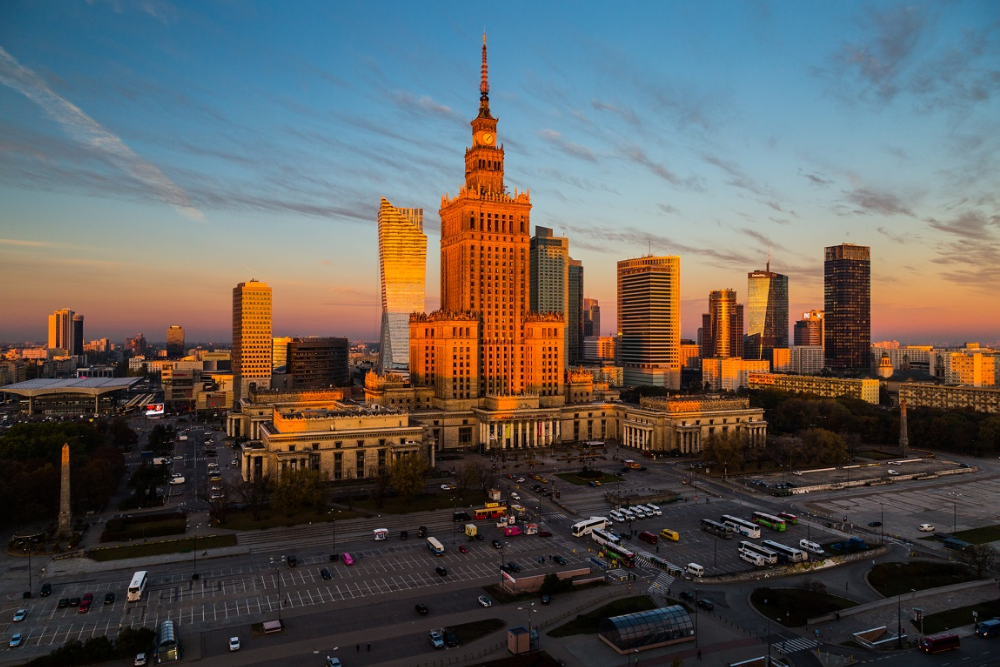
Mazowieckie (Mazovia) is one of Poland’s 16 administrative provinces (voivodeships) and is located in the central part of the country. This region is historically and politically significant, as it includes Warsaw, the capital and largest city of Poland. Mazowieckie is the heart of the country, both geographically and culturally, playing a key role in Poland’s economy, politics, and national identity. The region is known for its rich history, with significant landmarks such as Warsaw’s Old Town, which was meticulously reconstructed after World War II, and Łazienki Park, one of the most beautiful green spaces in the country. Mazowieckie blends urban energy with the tranquility of its countryside, including vast forests, lakes, and nature reserves, making it an excellent destination for outdoor activities like hiking, cycling, and birdwatching. In addition to its natural beauty, Mazowieckie is a hub for cultural events, with numerous museums, galleries, theaters, and festivals. Warsaw, in particular, offers a dynamic mix of modern attractions, historical sites, and vibrant nightlife. The region is also home to picturesque towns like Płock, Radom, and Żyrardów, each with its own unique charm and historical significance.
Kayaking on the Vistula River
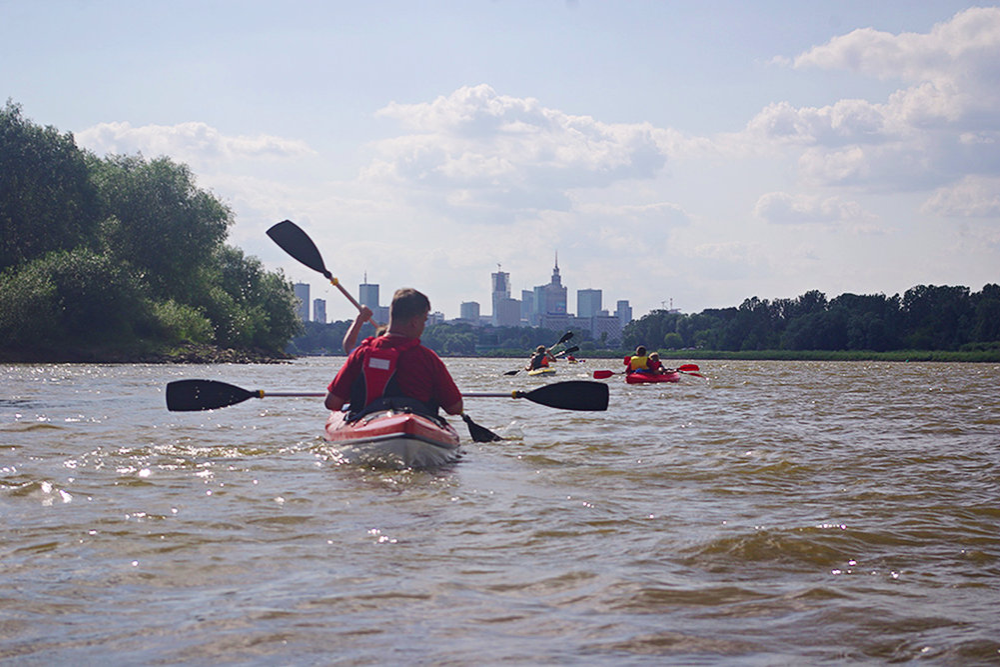
The Vistula River flows through Warsaw, and kayaking along its winding paths offers a unique view of the city’s skyline and surrounding nature. You can rent kayaks and explore peaceful stretches of the river, or take part in more challenging routes outside the capital, surrounded by lush landscapes and wildlife.
Hiking in Kampinos National Park
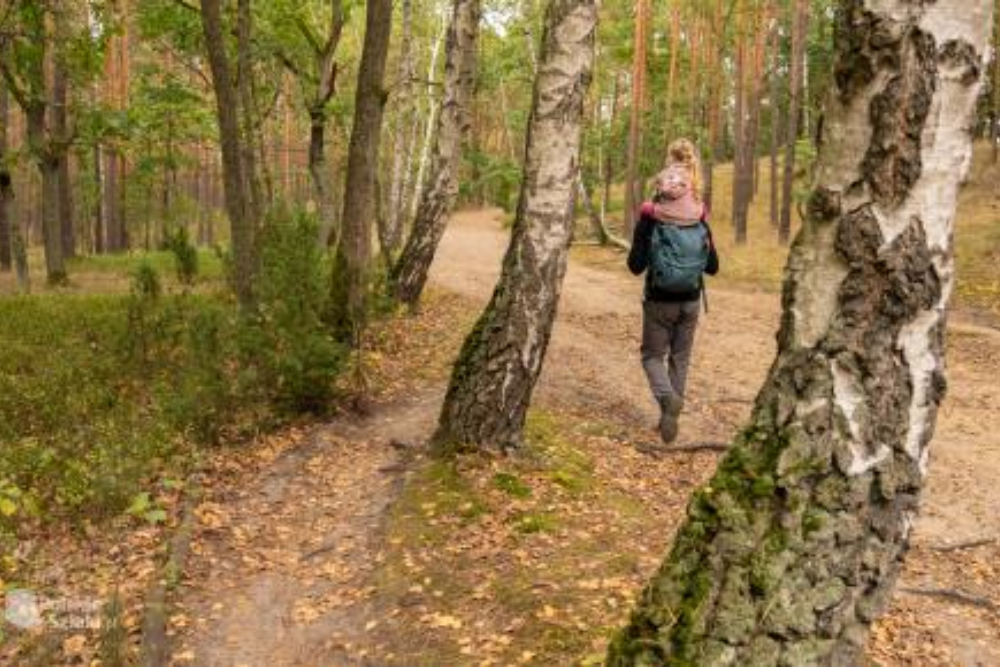
Kampinos National Park, located near Warsaw, is a vast natural reserve with over 300 km of hiking trails. The park offers a wide range of terrains, from dense forests to marshlands, and is a perfect place for adventure lovers who enjoy outdoor activities like hiking, birdwatching, and nature photography.
Biking Along the Vistula Boulevards
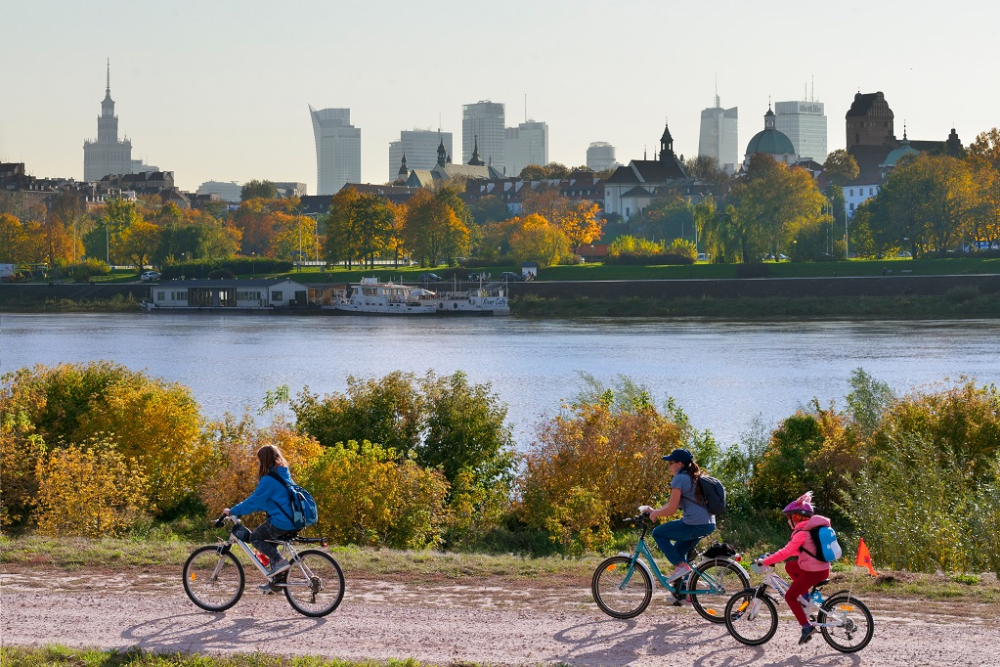
The Vistula Boulevards in Warsaw are a popular destination for cycling. With beautiful paths running along the riverbanks, you can ride through scenic spots, enjoy views of the Old Town, and experience the city in an active and refreshing way.
Climbing at the Warsaw Climbing Wall
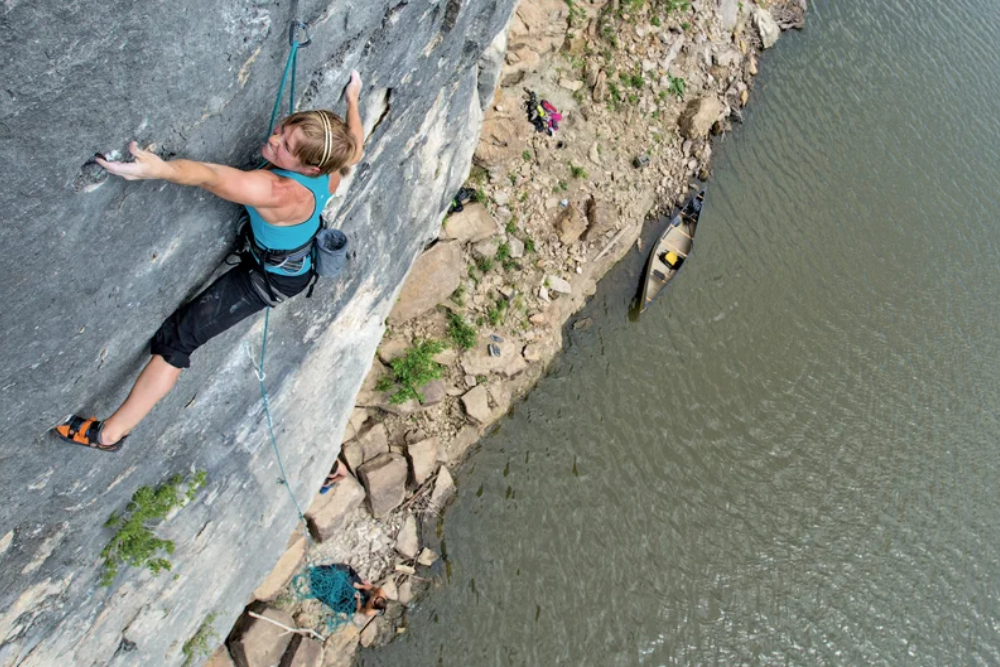
For those seeking an adrenaline rush, the Warsaw Climbing Wall is one of the largest indoor climbing facilities in the region. Whether you’re a beginner or an expert, you can challenge yourself on the wall, offering a great opportunity for both physical activity and fun.
Wind Surfing on Zegrze Reservoir
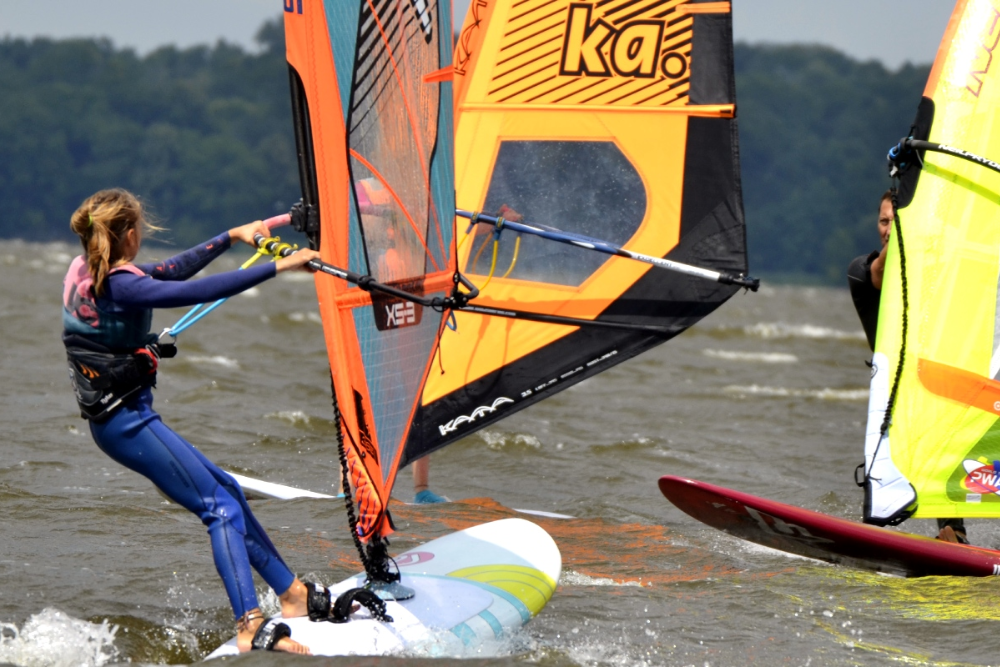
Located just outside Warsaw, Zegrze Reservoir is a popular spot for water sports, including windsurfing and sailing. The vast open water offers the perfect conditions for a thrilling day out on the water, especially during the warmer months when the wind conditions are ideal for these activities.
Warsaw’s Old Town (Stare Miasto)
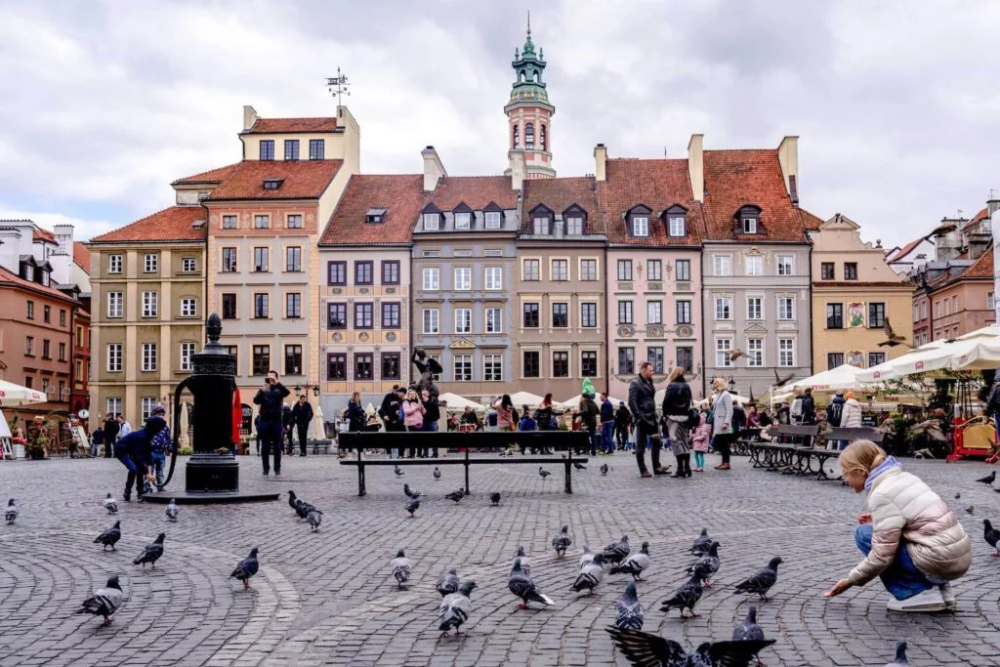
A UNESCO World Heritage site, Warsaw’s Old Town is a must-see. It’s a beautiful reconstruction of the city’s medieval heart, with cobbled streets, colorful buildings, and landmarks like the Royal Castle and the Warsaw Mermaid statue. The Old Town is full of charm and history, making it one of the most attractive places in the region.
Lazienki Park
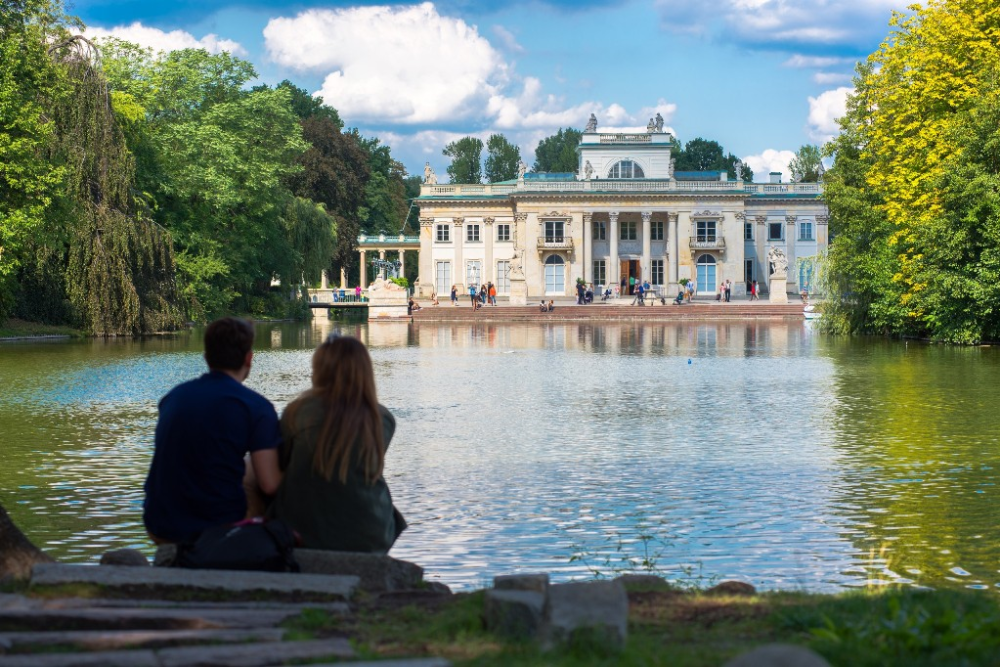
One of Warsaw’s largest and most scenic green spaces, Łazienki Park is a haven of peace and beauty. The park is home to the Palace on the Isle, the Chopin Monument, and lovely walking paths surrounded by lush trees and tranquil ponds. It’s a perfect place to relax, enjoy a picnic, or attend a summer concert.
Wilanow Palace
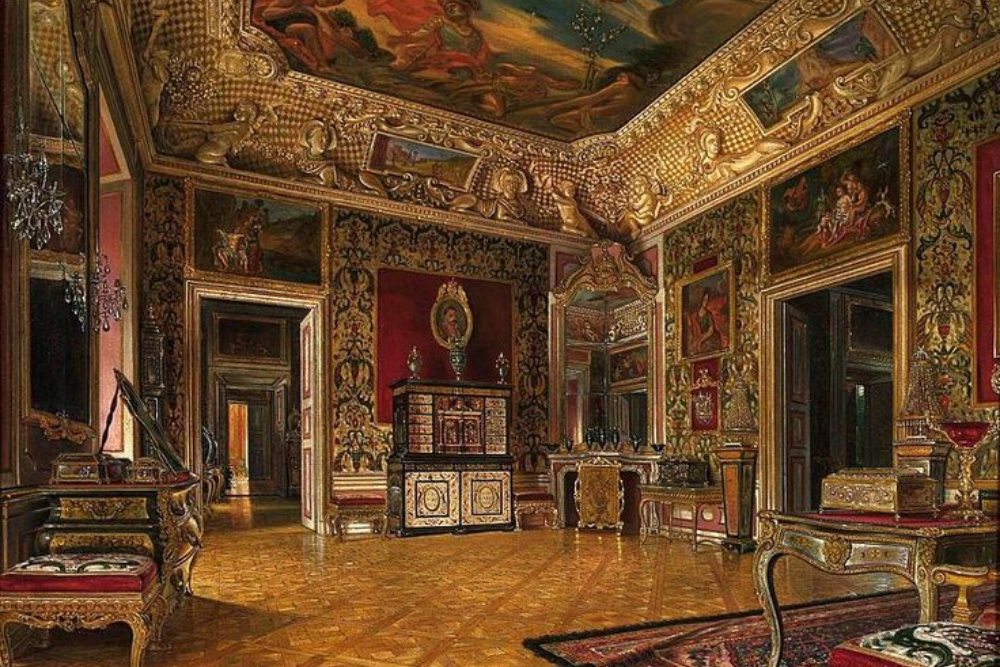
Known as the “Polish Versailles,” Wilanów Palace is a magnificent baroque royal residence located just outside Warsaw. Surrounded by expansive gardens, the palace is an iconic symbol of Polish history and culture, offering a beautiful combination of architectural grandeur and natural beauty.
Płock Cathedral
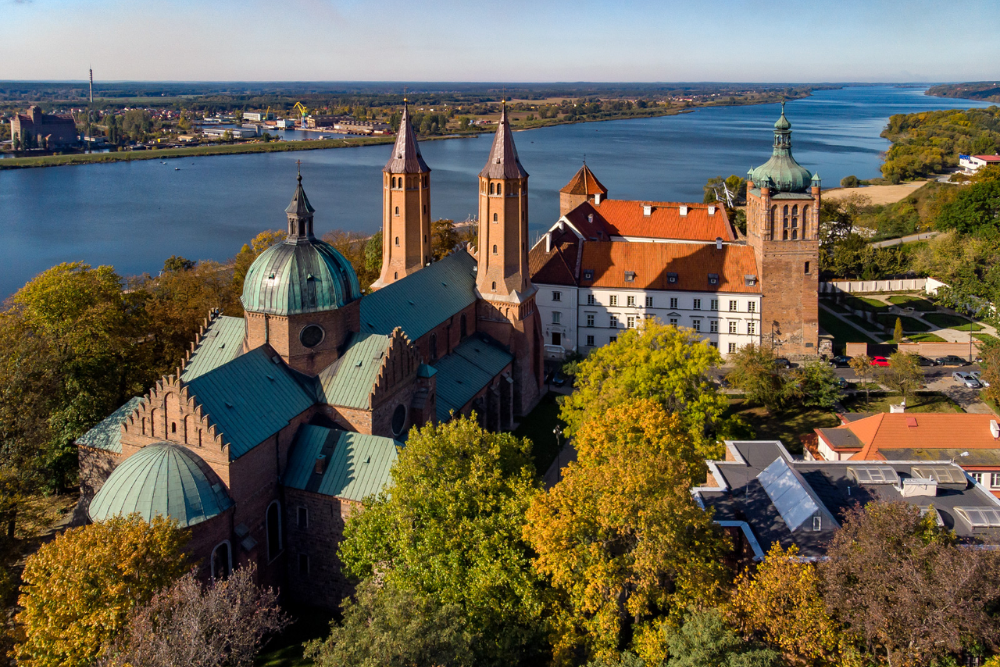
Płock, one of the oldest cities in Poland, is home to the Płock Cathedral, a stunning Gothic building with a rich history. The cathedral is known for its beautiful architecture, historical significance, and impressive collection of artworks. It’s a peaceful and spiritually enriching place for visitors.
Mazovian Landscape Park
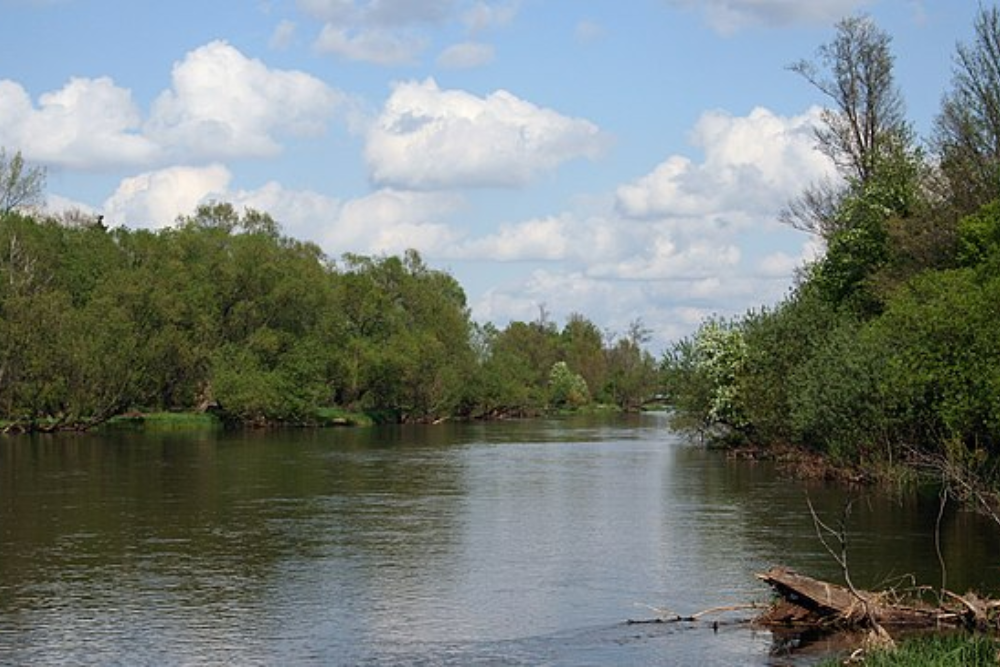
Located just outside Warsaw, Mazovian Landscape Park is an area of outstanding natural beauty, with forests, lakes, and wetlands. The park is perfect for those looking to escape the city and enjoy hiking, cycling, and nature walks in a tranquil setting. It’s one of the most picturesque natural spots in Mazowieckie.
Dos and Don’ts in Mazowieckie
Dos
- Do Greet People Politely
- In Poland, greetings are important. When meeting someone, shake hands and say “Dzień dobry” (Good day) or “Czesc” (Hi). If you’re addressing someone with respect, use formal titles such as Panie (Mr.) or Pani (Mrs.).
- Do Embrace Local Cuisine
- Poland is known for its hearty, flavorful dishes. Try traditional foods such as pierogi (dumplings), zurek (sour rye soup), and bigos (hunter’s stew). In Mazowieckie, don’t miss the chance to sample local specialties like miod (honey) or oscypek (smoked cheese, especially in the mountains).
- Do Respect Religious Sites
- Mazowieckie is home to many important religious sites, including Warsaw’s historic churches and cathedrals. Be respectful when visiting religious locations—dress modestly, remain quiet, and follow any posted guidelines.
Don’ts
- Don’t Be Late:Punctuality is important in Poland, especially for business meetings or social gatherings. Arriving late can be seen as disrespectful, so try to be on time for any appointments or events.
- Don’t Speak Loudly in Public: Poles value quietness in public spaces. When traveling through places like public transportation, restaurants, or cafes, be mindful of your volume. Loud conversations or behavior may be seen as impolite.
- Don’t Discuss Sensitive Topics Too Early: Avoid discussing politics, religion, or sensitive historical topics, such as World War II, until you are more familiar with the local culture and feel comfortable. These subjects can be controversial and might lead to discomfort in conversations.
Best time to reach in Mazowieckie
The best time to visit Mazowieckie (Mazovia), especially with its mix of vibrant urban life in Warsaw and scenic countryside, depends on what kind of experience you’re looking for. Here’s a breakdown of the seasons:
1. Spring (April to June)
- Spring in Mazowieckie is mild, with temperatures ranging from 10°C to 20°C (50°F to 68°F). The region begins to bloom, with lush green parks and colorful flowers.
- Spring is an excellent time for sightseeing in Warsaw and exploring the natural beauty of Mazovian Landscape Park.
- The weather is pleasant, and the tourist crowds are not as heavy as in summer. It’s also a great time for outdoor activities like hiking, cycling, and visiting the Łazienki Park and Kampinos National Park.
2. Summer (July to August)
- Summer brings warm temperatures, typically between 20°C and 30°C (68°F to 86°F), and long sunny days.
- Summer is the peak tourist season, and it’s perfect for those who want to experience the lively atmosphere of Warsaw and other cities in the region.
- The parks, museums, and outdoor events are at their best, and there are many festivals and cultural events, especially in Warsaw. It’s also a great time for water activities on the Vistula River and enjoying Warsaw’s outdoor cafes and nightlife.
3. Autumn (September to November)
- Temperatures in autumn range from 10°C to 20°C (50°F to 68°F) in early autumn, but they drop significantly in November.
- Autumn is one of the most picturesque times to visit, with colorful foliage in parks and forests, especially in Kampinos National Park and Mazovian Landscape Park.
- The weather is still mild early in the season, making it great for outdoor activities like hiking and cycling, but the crowds start to thin out, providing a more peaceful experience. The fall also brings fewer tourists to major attractions.
4. Winter (December to February)
- Winters can be cold, with temperatures ranging from -5°C to 5°C (23°F to 41°F). Snow is common, especially in January and February.
- Winter in Mazowieckie offers a unique charm, especially in Warsaw with its beautiful Christmas markets and festive lights. It’s a good time for indoor attractions, such as museums, theaters, and historic landmarks.
- If you enjoy winter scenery, you can also visit the Mazovian Landscape Park covered in snow, or go ice skating at one of Warsaw’s outdoor rinks. However, it may be chilly for those seeking outdoor adventure in the colder months.