


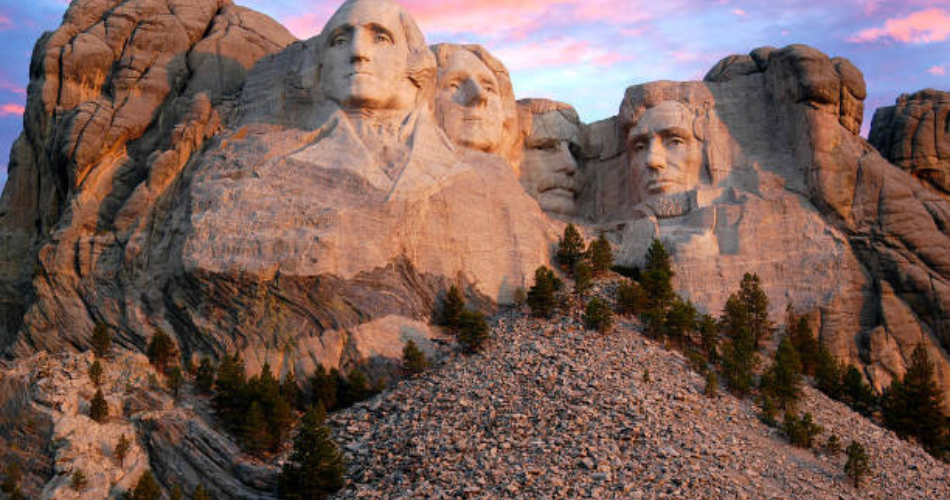

The United States is home to a rich tapestry of history, culture, and natural beauty, and its UNESCO World Heritage Sites are a testament to that diversity. Here’s a look at ten remarkable sites that showcase the country’s heritage.
Yellowstone National Park
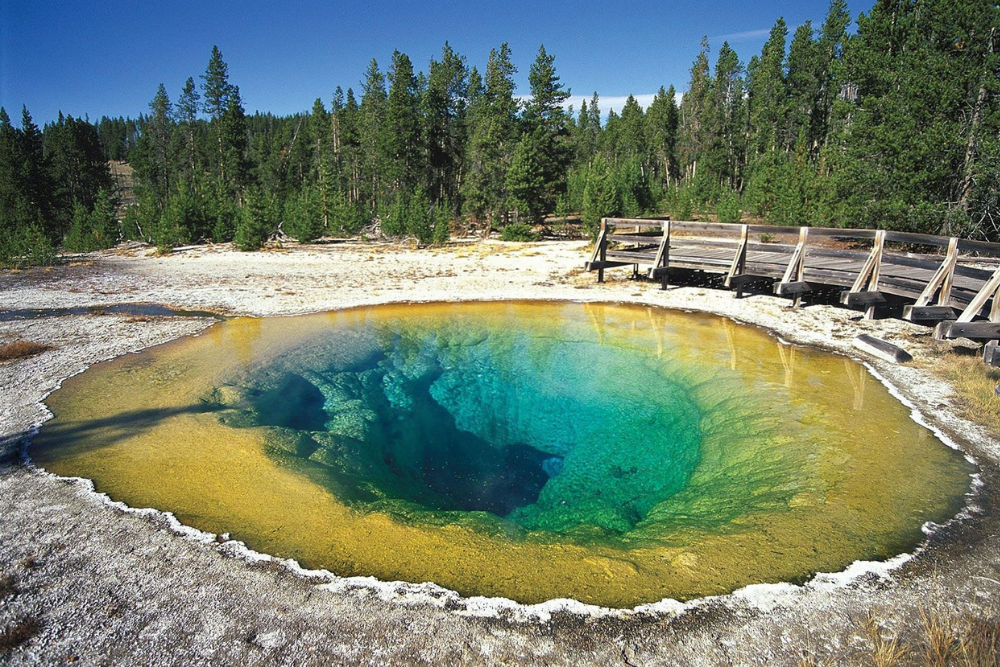
Established in 1872, Yellowstone was the first national park in the world. Spanning across Wyoming, Montana, and Idaho, Yellowstone National Park boasts geothermal features like the famous Old Faithful geyser and vibrant hot springs. The park’s diverse ecosystems are home to an array of wildlife, making it a haven for nature lovers.
Independence Hall:

Located in Philadelphia, Pennsylvania, Independence Hall is where both the Declaration of Independence and the United States Constitution were debated and adopted. This iconic building symbolizes America’s struggle for independence and the birth of democracy. Visitors can explore its historic rooms and learn about the nation’s founding principles.
Statue of Liberty:

A gift from France, the Statue of Liberty stands proudly in New York Harbor as a symbol of freedom and democracy. Designated as a UNESCO site in 1984, this colossal statue has welcomed millions of immigrants to American shores since its dedication in 1886. The accompanying museum offers insights into its history and significance.
Grand Canyon National Park:
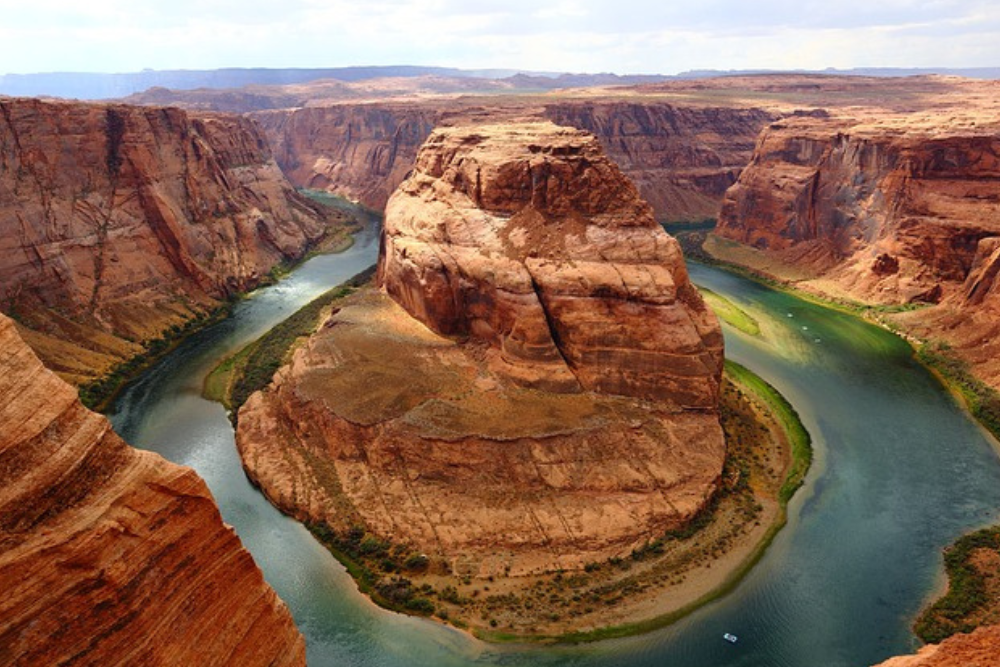
One of the most awe-inspiring natural wonders on Earth, the Grand Canyon showcases millions of years of geological history through its intricate rock formations and stunning vistas. Designated a World Heritage Site in 1979, this Arizona landmark attracts adventurers and photographers alike, offering hiking trails and breathtaking viewpoints.
Monticello and the University of Virginia:
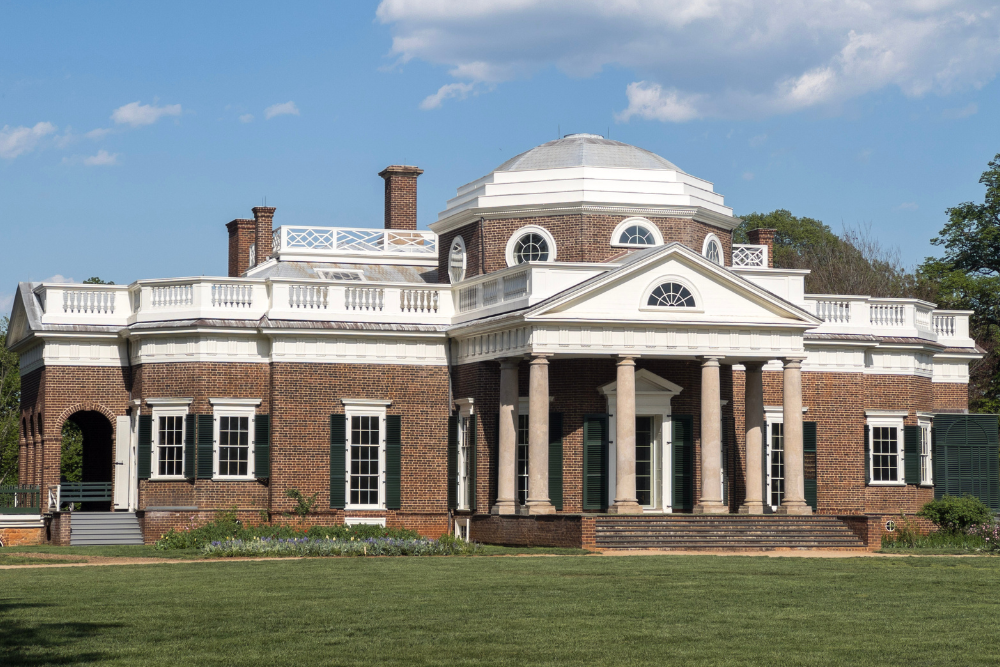
Designed by Thomas Jefferson, Monticello was his plantation home and reflects his architectural genius and Enlightenment ideals. The nearby University of Virginia, also designed by Jefferson, is notable for its innovative campus layout. Together, these sites highlight Jefferson’s influence on American education and architecture.
Everglades National Park:

The Everglades is a unique ecosystem that serves as a crucial habitat for numerous species, including the endangered Florida panther and American crocodile. This vast wetland area protects biodiversity while providing opportunities for eco-tourism and outdoor activities like kayaking and birdwatching.
Chaco Culture National Historical Park:
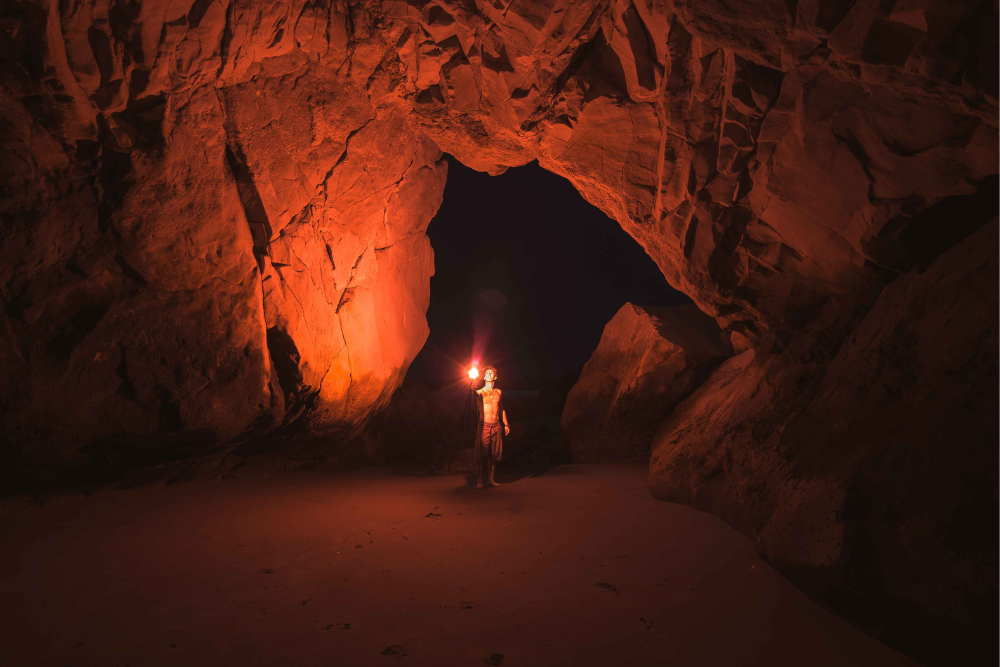
Chaco Culture, an ancient center of Puebloan culture known for its impressive stone buildings and astronomical alignments, is located in northwestern New Mexico.The site offers insight into the sophisticated society that thrived here between AD 900 and 1150, showcasing their architectural achievements and cultural practices.
Taos Pueblo:
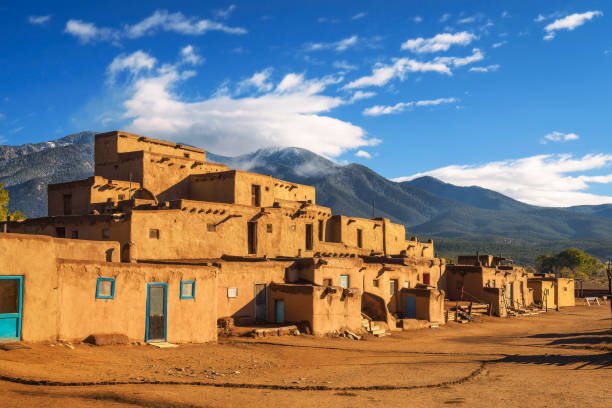
This living Native American community in New Mexico has been continuously inhabited for over a thousand years. The adobe structures are not only architecturally significant but also represent the rich cultural traditions of the Taos people. Visitors can explore this UNESCO site while respecting its sacred nature.
The Great Smoky Mountains National Park:
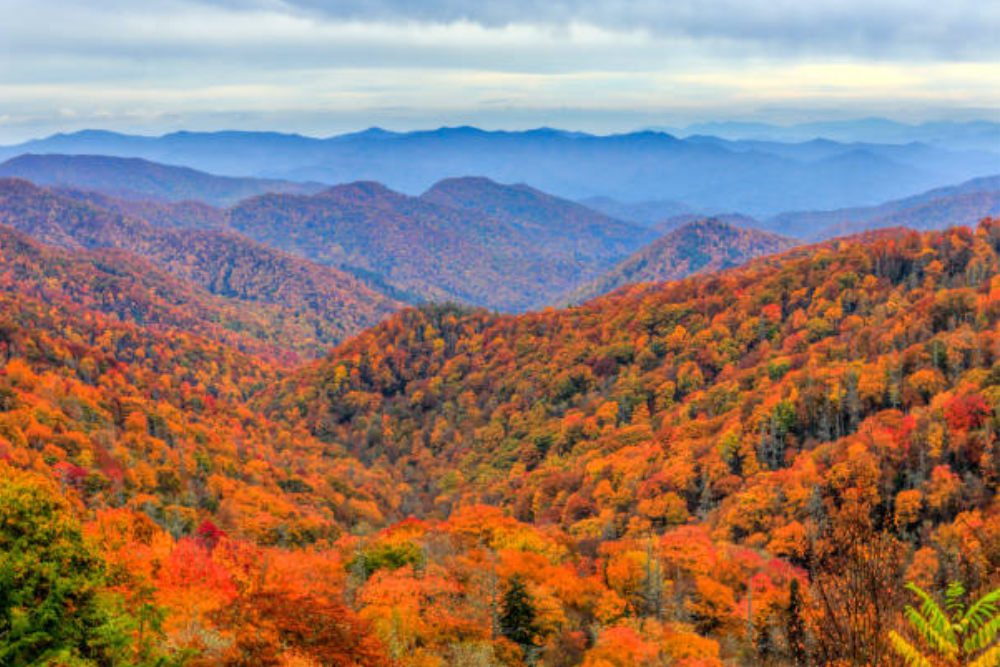
Straddling the border between North Carolina and Tennessee, this national park is celebrated for its biodiversity and stunning landscapes. It boasts over 800 miles of trails through ancient mountains rich with flora and fauna. The park’s rolling misty hills have inspired countless visitors to connect with nature.
San Antonio Missions:
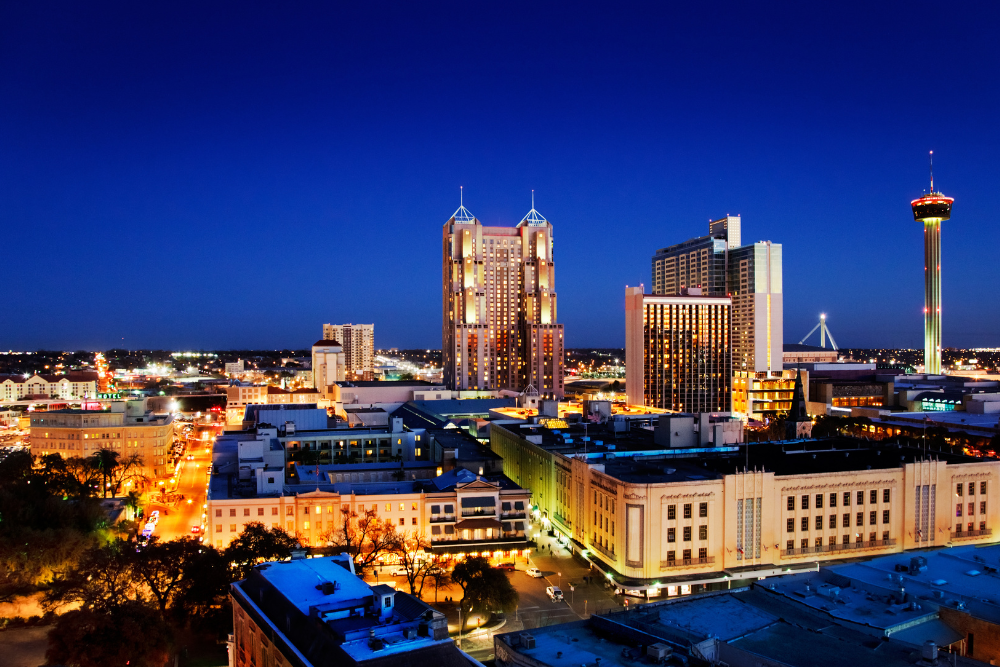
The San Antonio Missions are a group of five Spanish colonial missions in Texas that illustrate the cultural blend between Native Americans and Spanish settlers. They play a vital role in understanding early colonial history in North America and are recognized for their architectural significance.