


Berlin, the vibrant capital of Germany, is a city where history and modernity intertwine seamlessly. From iconic landmarks that bear witness to the turbulent past of the 20th century to cutting-edge art galleries and innovative architecture, Berlin offers a captivating journey through time. Whether you’re a history buff, an art enthusiast, or simply someone eager to explore a dynamic city, Berlin has something to offer. Here’s a guide to some of the best historical and modern attractions in Berlin that you shouldn’t miss.
1. Brandenburg Gate: A Symbol of Unity

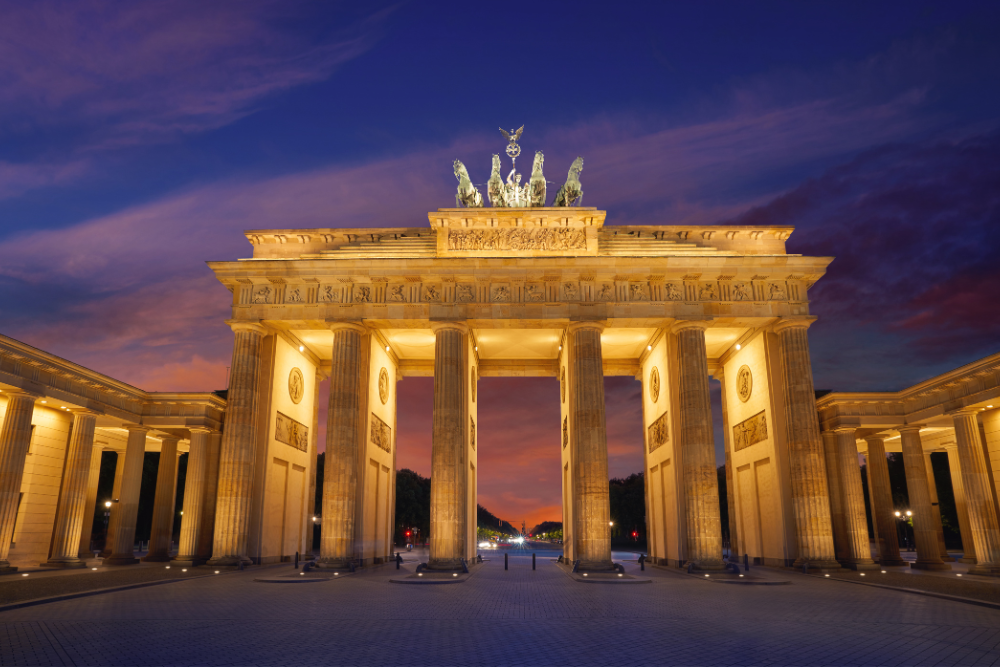
No visit to Berlin is complete without seeing the Brandenburg Gate, one of Germany’s most iconic landmarks. This neoclassical triumphal arch, completed in 1791, originally symbolized the division of Berlin during the Cold War, as it stood at the heart of a divided city. However, since the fall of the Berlin Wall in 1989, the Brandenburg Gate has become a symbol of unity and peace.
- Tip: Visit in the evening when the gate is beautifully lit, and the crowds are fewer. It’s also an excellent spot for photos with the Pariser Platz square in the background.
2. The Berlin Wall Memorial: A Monument to the Division
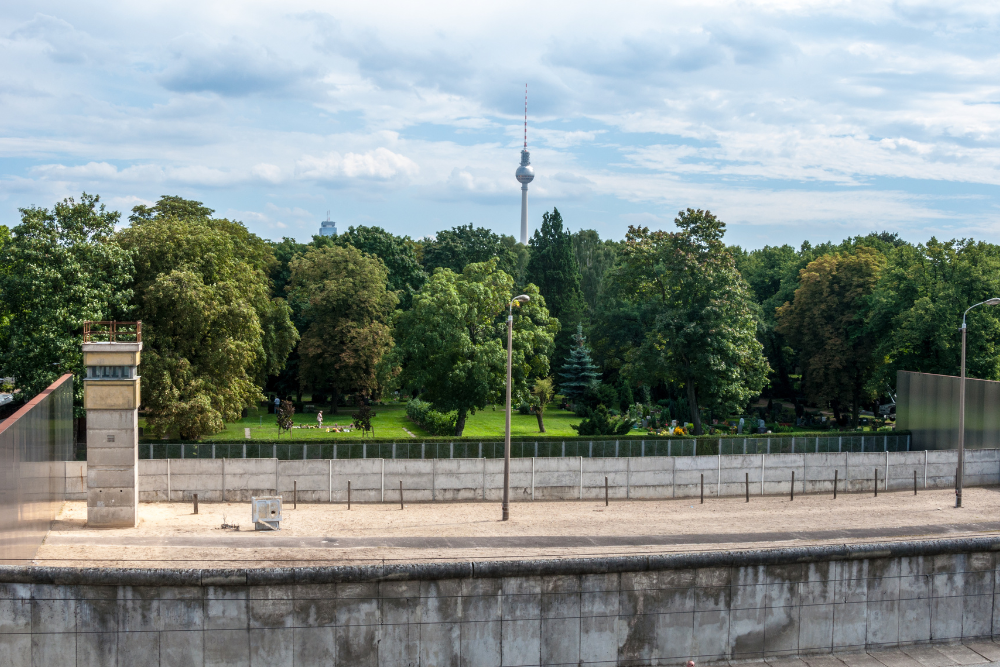
A trip to Berlin wouldn’t be complete without reflecting on its divided past. The Berlin Wall Memorial on Bernauer Strasse offers a powerful glimpse into the city’s history during the Cold War. It includes a preserved stretch of the Berlin Wall, a watchtower, and an open-air exhibition that narrates the stories of those who attempted to escape from East to West Berlin.
- Tip: Don’t miss the visitor center, where you can learn more about the Wall’s construction and the people affected by its existence. It’s a somber but essential part of Berlin’s history.
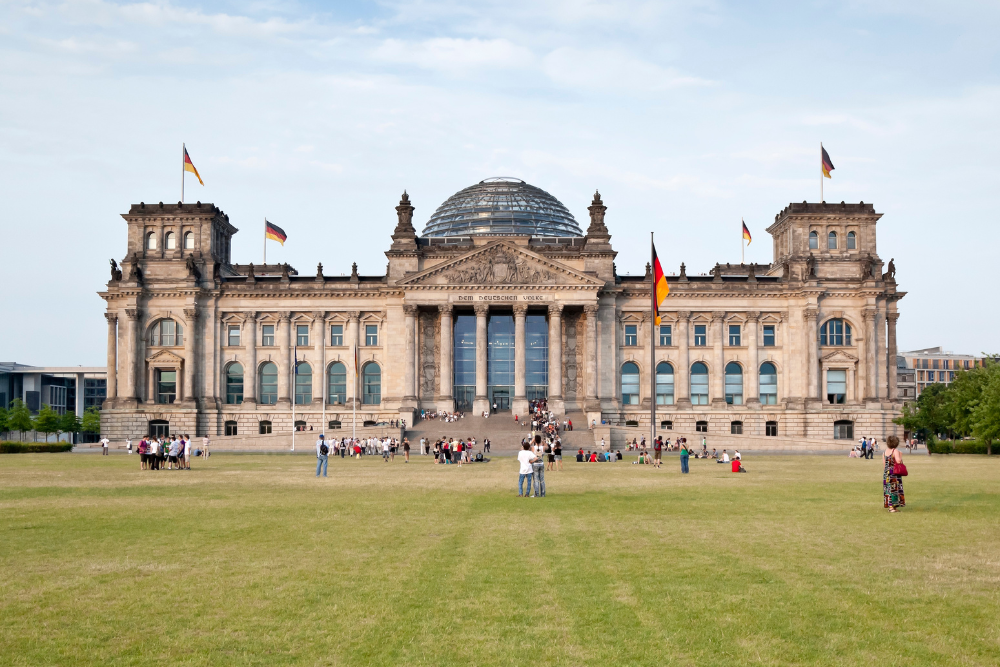
3. The Reichstag Building: A Blend of History and Modernity
The Reichstag, Germany’s parliament building, stands as a testament to the country’s complex history. Originally built in the late 19th century, it has undergone several transformations, especially after the reunification of Germany. The Reichstag’s glass dome, designed by architect Sir Norman Foster, is a modern addition that offers panoramic views of the city. It symbolizes transparency in the German government.
- Tip: Book your visit to the dome in advance. It’s free, but there’s a limited capacity, especially during peak tourist seasons. The view from the top at sunset is particularly stunning.
4. Museum Island: A World-Class Cultural Hub
Museum Island is a UNESCO World Heritage site and the heart of Berlin’s cultural scene. Located on the Spree River, it is home to five world-renowned museums, including the Pergamon Museum, the Altes Museum, and the Alte Nationalgalerie. The Pergamon Museum, in particular, is famous for its monumental ancient structures, such as the Pergamon Altar and the Ishtar Gate.
- Tip: If you’re short on time, pick a few museums to explore, but don’t miss the Pergamon Museum and the Egyptian Museum, which houses the famous Bust of Nefertiti.
5. East Side Gallery: Street Art on the Berlin Wall
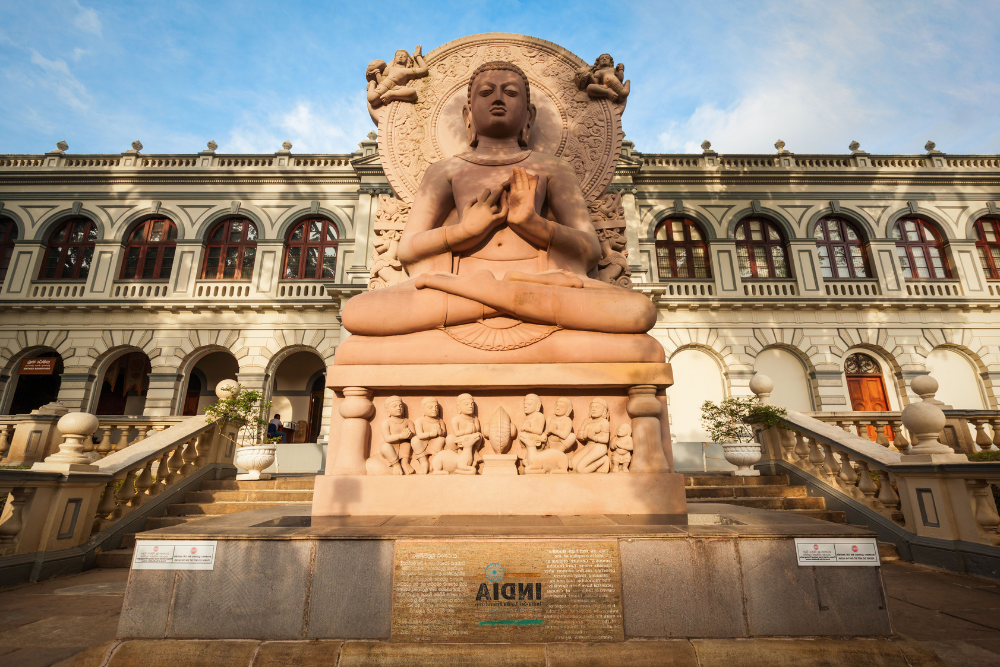
Stretching 1.3 kilometers along the Spree River, the East Side Gallery is an open-air gallery that showcases murals painted on the remains of the Berlin Wall. The murals reflect themes of freedom, peace, and the reunification of Germany, and it remains one of the most visited and photographed landmarks in Berlin.
- Tip: Take a leisurely walk along the gallery and pause to reflect on the powerful messages painted on the wall. Don’t miss the iconic “Fraternal Kiss” mural by Dmitri Vrubel.
6. Berlin Cathedral: Baroque Beauty

Located on Museum Island, the Berlin Cathedral (Berliner Dom) is one of the city’s most majestic churches. With its grand baroque architecture, towering dome, and intricate interior, it’s a must-visit for those interested in art and architecture. The cathedral also houses the tombs of Prussian royals and offers a breathtaking view of the city from its dome.
- Tip: Be sure to visit the crypt beneath the church, where you can see the burial sites of notable figures from Berlin’s history.
7. Potsdamer Platz: A Hub of Modern Architecture
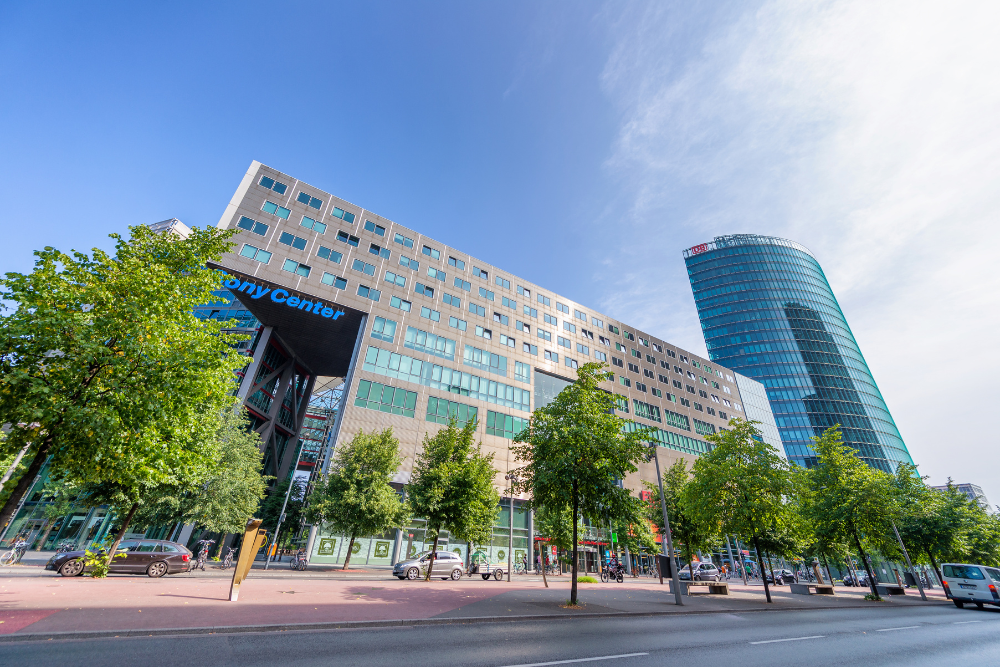
While Berlin is known for its historical sites, the city also boasts impressive modern architecture, and Potsdamer Platz is a prime example. Once a desolate wasteland after WWII and the construction of the Berlin Wall, Potsdamer Platz has been transformed into a bustling square lined with futuristic skyscrapers, shopping malls, theaters, and restaurants.
- Tip: Visit the Sony Center, a striking building with a large glass dome, and enjoy a coffee while people-watching in this dynamic area. It’s a great place to experience Berlin’s modern vibe.
8. Charlottenburg Palace: A Baroque Gem
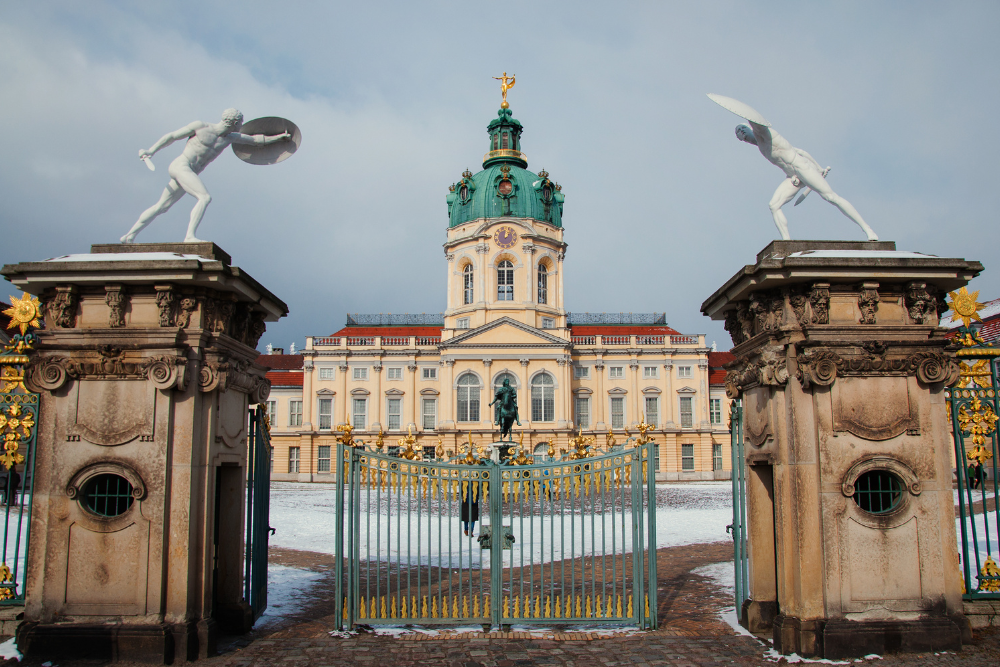
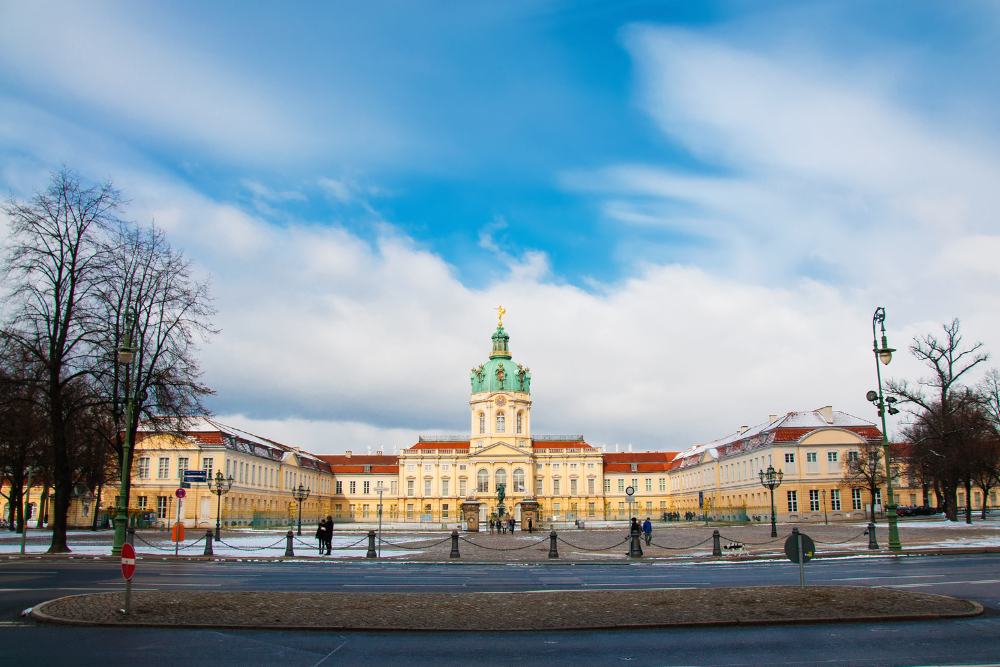
For a taste of royal history, head to Charlottenburg Palace, Berlin’s largest and most opulent palace. Built in the late 17th century as a summer residence for Queen Sophie Charlotte, the palace features magnificent baroque architecture, beautifully landscaped gardens, and exquisite interior rooms, including the Golden Gallery.
- Tip: Stroll through the palace gardens, especially during spring or summer when the flowers are in full bloom. The palace is also a great spot for an afternoon tea at the nearby café.
Conclusion
Berlin is a city of contrasts, blending history with modernity in a way that few cities can. From the historic streets of the Brandenburg Gate to the contemporary vibrancy of Potsdamer Platz, Berlin offers an eclectic mix of attractions that will captivate anyone who visits. Whether you’re exploring the poignant remnants of the Berlin Wall or enjoying the city’s bustling cultural scene, Berlin provides endless opportunities for discovery, reflection, and inspiration.