



Thailand, the “Land of Smiles,” is renowned for its stunning temples, which are not only breathtakingly beautiful but also hold deep spiritual and historical significance. Visiting Thai temples (or wats as they’re called locally) allows travelers to experience Thailand’s unique culture, rich traditions, and peaceful ambiance. From grand, gilded complexes in Bangkok to ancient relics in Chiang Mai, each temple offers a window into the country’s spiritual core. Here’s a complete guide to must-see Thai temples for any traveler seeking a deeper connection with Thai culture.
1. Wat Phra Kaew (Temple of the Emerald Buddha), Bangkok
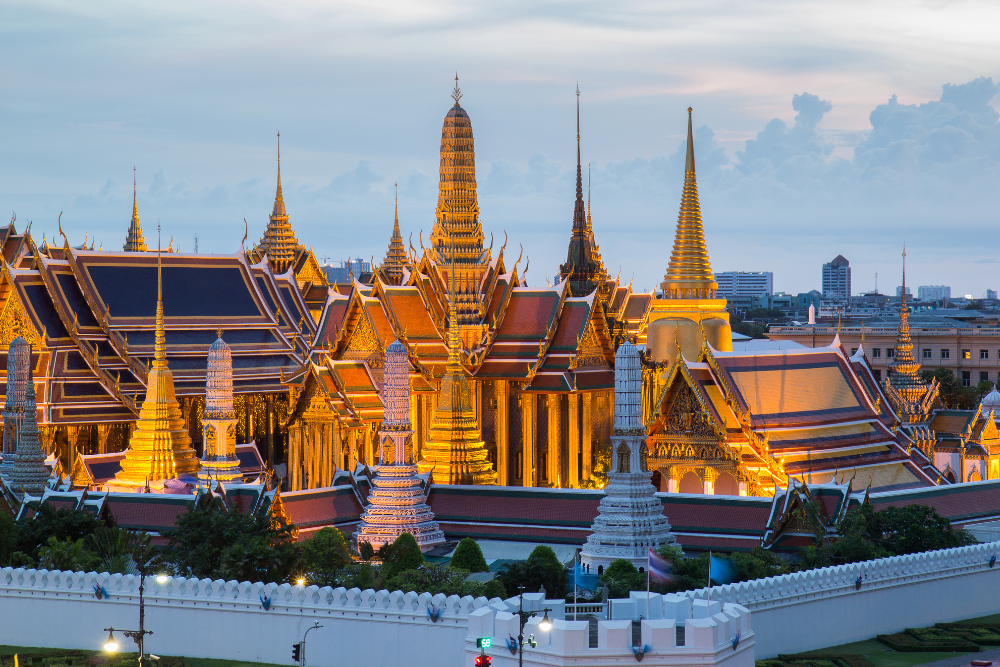
Location: Bangkok Highlight: Home to the Emerald Buddha, one of Thailand’s most sacred relics. One of Thailand’s most revered sites, Wat Phra Kaew, is a must-visit for anyone in Bangkok. Located in the Grand Palace complex, this temple houses the famous Emerald Buddha, meticulously carved from a single piece of jade. Surrounded by intricate gold leaf and detailed murals depicting the Ramakien (Thailand’s national epic), the temple’s interiors are nothing short of mesmerizing. A trip to Wat Phra Kaew provides a profound experience for history buffs and spiritual seekers alike.
2. Wat Arun (Temple of Dawn), Bangkok
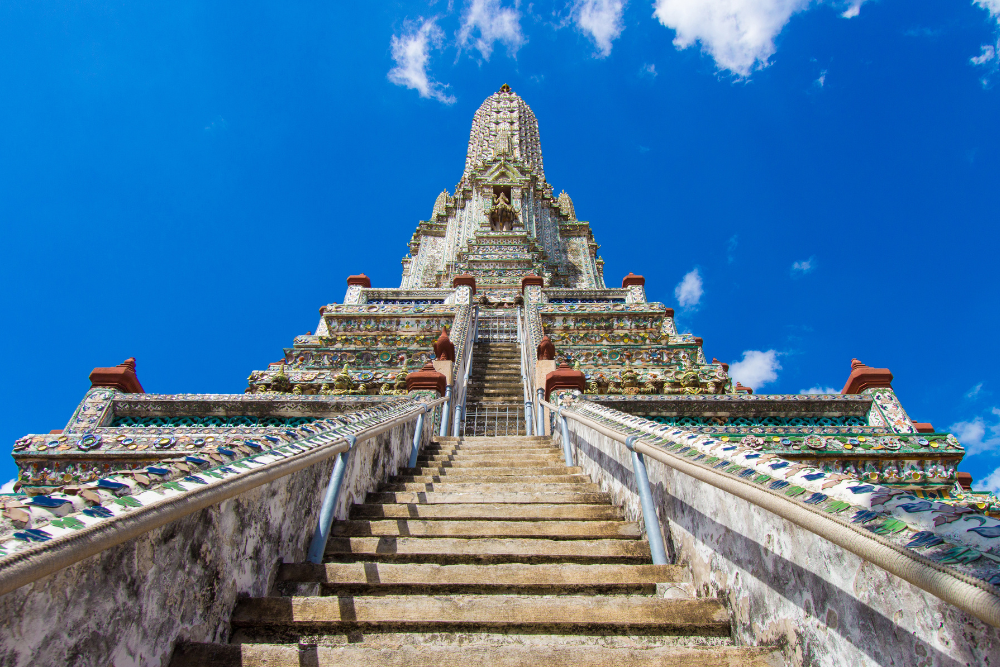
Location: Thonburi, Bangkok Highlight: Majestic riverside location and iconic spires. Nicknamed the Temple of Dawn, Wat Arun stands gracefully on the west bank of the Chao Phraya River. It’s known for its distinctive Khmer-style prang (spire) which is adorned with colorful porcelain and seashells. Climb to the top of the central prang for panoramic views of the river and surrounding cityscape. The temple looks especially enchanting at sunset when the entire complex is illuminated, reflecting beautifully off the water.
3. Wat Phra That Doi Suthep, Chiang Mai
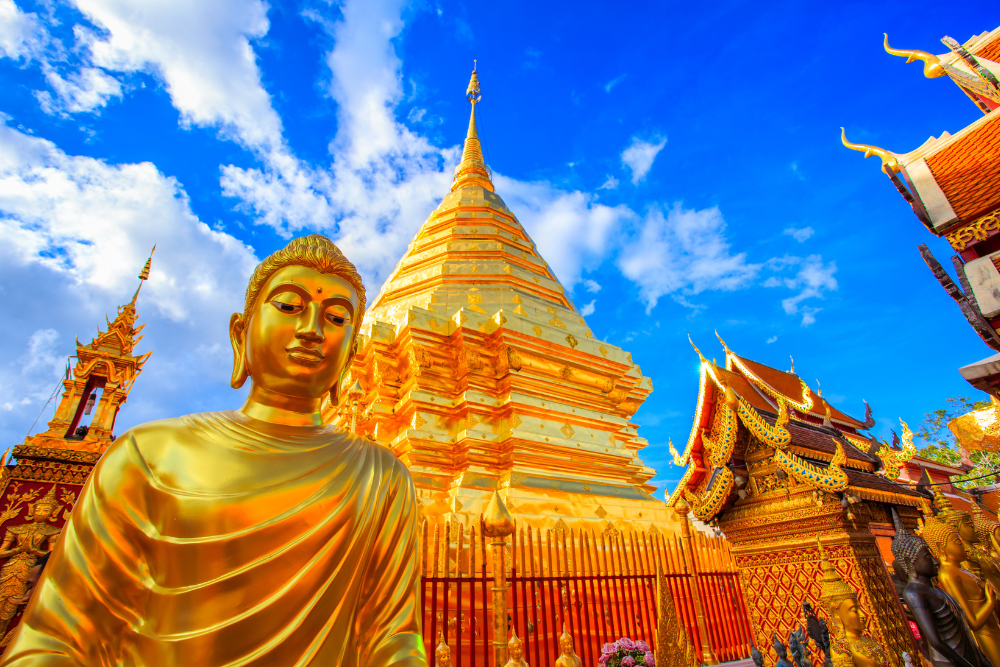
Location: Chiang Mai, on Doi Suthep mountain Highlight: Stunning mountain views and unique Lanna architecture. Perched atop Doi Suthep mountain, this iconic temple is a symbol of Chiang Mai and an integral part of local spiritual life. The journey to Wat Phra That Doi Suthep begins with a 306-step staircase, flanked by beautifully crafted Naga (serpent) statues. At the summit, you’ll be rewarded with an expansive view of Chiang Mai below and a golden chedi (stupa) that glistens under the sun. This temple also features a replica of the Emerald Buddha and is one of the most visited spiritual sites in northern Thailand.
4. Wat Rong Khun (The White Temple), Chiang Rai
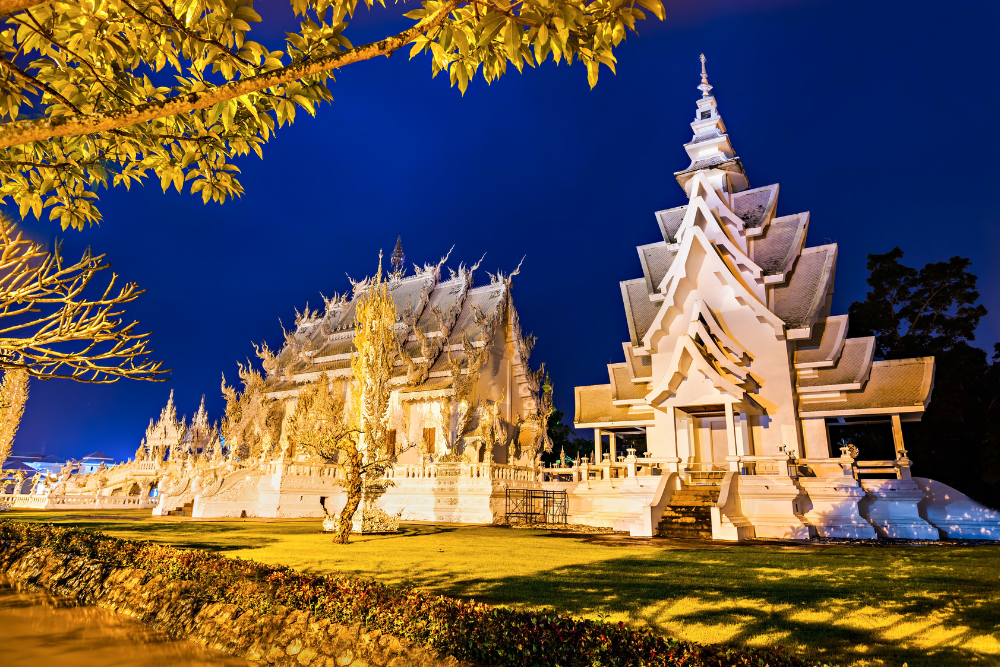
Location: Chiang Rai Highlight: Contemporary, otherworldly design in pure white. Unlike any other temple in Thailand, Wat Rong Khun is an artistic masterpiece by renowned Thai artist Chalermchai Kositpipat. Known as the White Temple, it is entirely white, symbolizing the purity of Buddha. The temple is covered in mirrors and intricate sculptures that create an ethereal appearance, especially under sunlight. Wat Rong Khun combines traditional Thai architecture with modern art and is as much a spiritual site as it is an art installation.
5. Wat Pho (Temple of the Reclining Buddha), Bangkok
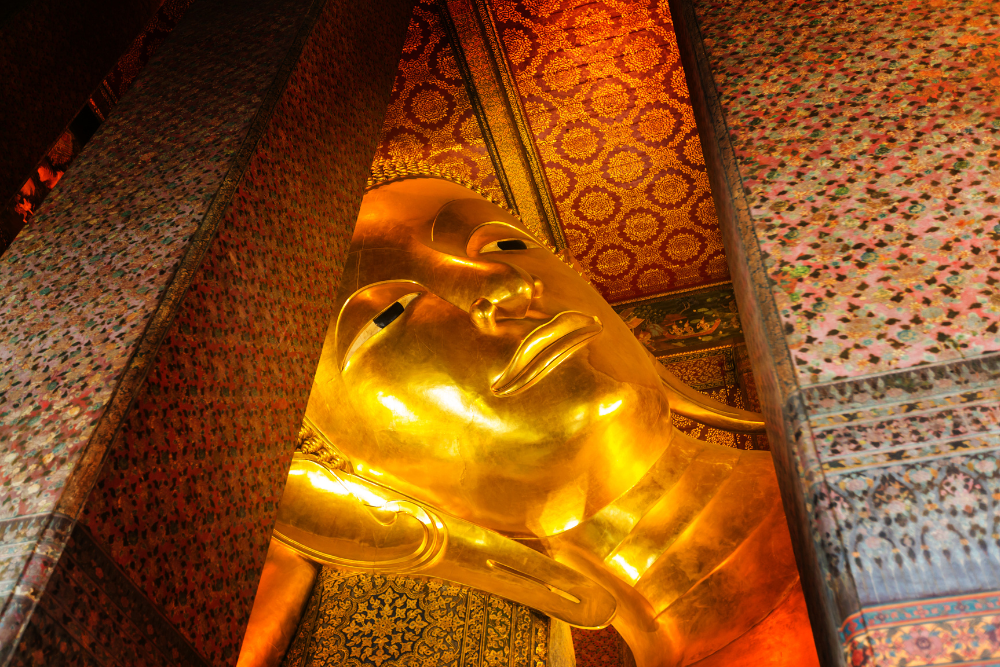
Location: Bangkok, near the Grand Palace Highlight: Enormous reclining Buddha statue. Home to one of the largest Buddha statues in Thailand, Wat Pho is a temple of immense cultural and historical significance. The statue, which measures 46 meters in length, depicts Buddha in a resting pose, symbolizing the final state of enlightenment before reaching Nirvana. Wat Pho is also the birthplace of traditional Thai massage, and visitors can experience authentic Thai massages in the temple grounds.
6. Wat Mahathat, Ayutthaya
Location: Ayutthaya Historical Park Highlight: Buddha head entwined in tree roots, historical ruins. Located within Ayutthaya Historical Park, Wat Mahathat is famous for its Buddha head nestled within the roots of a large banyan tree, a mysterious and captivating sight. This ancient temple dates back to the 14th century and was once one of the most important monasteries in the Ayutthaya Kingdom. A visit here offers a glimpse into the grandeur of ancient Thai civilization and the remnants of a once-thriving capital.
7. Wat Benchamabophit (The Marble Temple), Bangkok
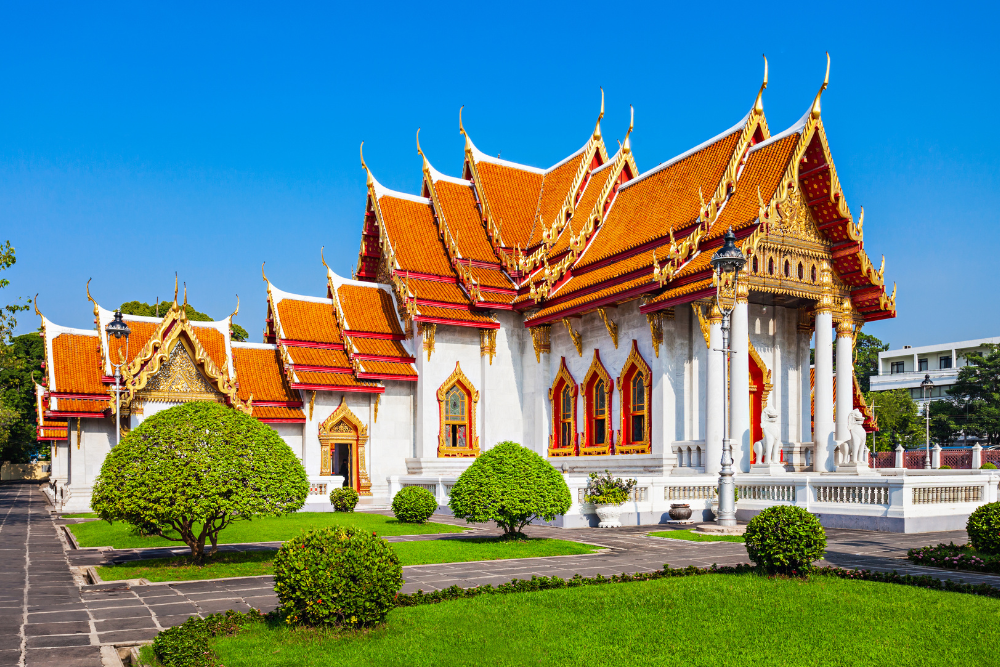
Location: Dusit, Bangkok Highlight: Exquisite marble architecture. Also known as the Marble Temple, Wat Benchamabophit is renowned for its elegant use of Italian Carrara marble in the design. The temple embodies a blend of traditional Thai and European architectural influences, with a stunning red and gold roof and intricate marble details. The temple grounds include a canal and bridges, providing a serene setting for reflection and admiration of this unique structure.
8. Wat Chedi Luang, Chiang Mai
Location: Chiang Mai Highlight: Ancient Lanna-style chedi and sacred rituals. Built in the 14th century, Wat Chedi Luang was once the tallest structure in Chiang Mai and housed the Emerald Buddha before it was moved to Bangkok. Though partially destroyed by an earthquake in the 16th century, the temple’s grand chedi remains impressive. This site is still a working monastery, where visitors can observe daily rituals and even participate in “Monk Chats,” a program where tourists can learn about Buddhism directly from local monks.
9. Wat Saket (The Golden Mount), Bangkok
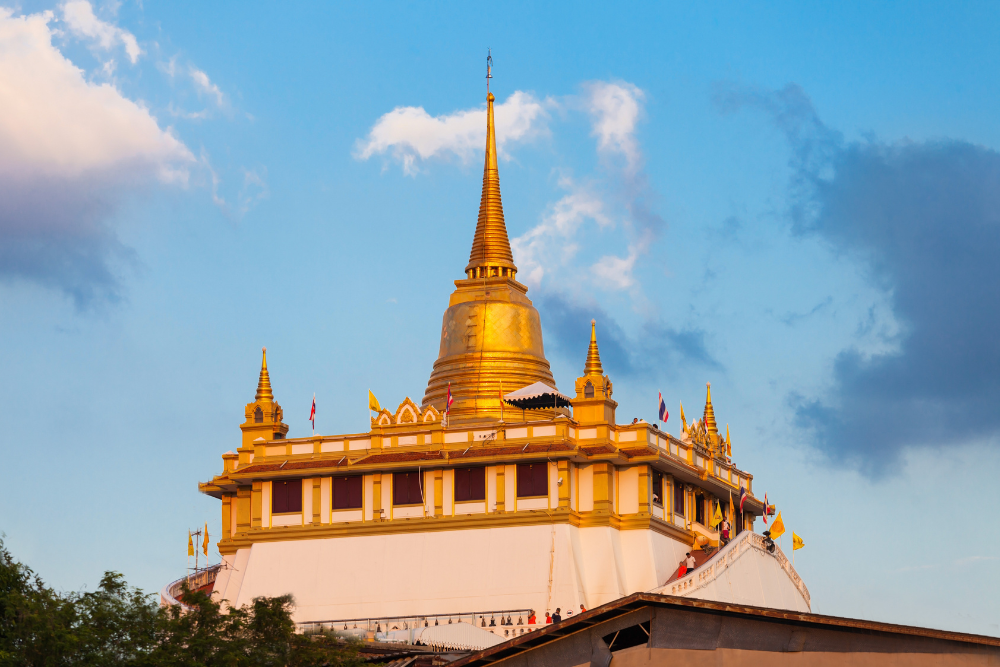
Location: Bangkok Highlight: Golden chedi with panoramic views of Bangkok. Wat Saket, known for its golden mount, is a place of pilgrimage and reflection. After climbing over 300 steps, visitors are greeted with stunning views over Bangkok. The chedi, which contains a Buddha relic, shines brightly in the sun and is especially enchanting during the annual Loy Krathong festival. Wat Saket holds a special place in Bangkok’s cultural heritage and offers an oasis of calm in the bustling city.
10. Wat Suthat, Bangkok
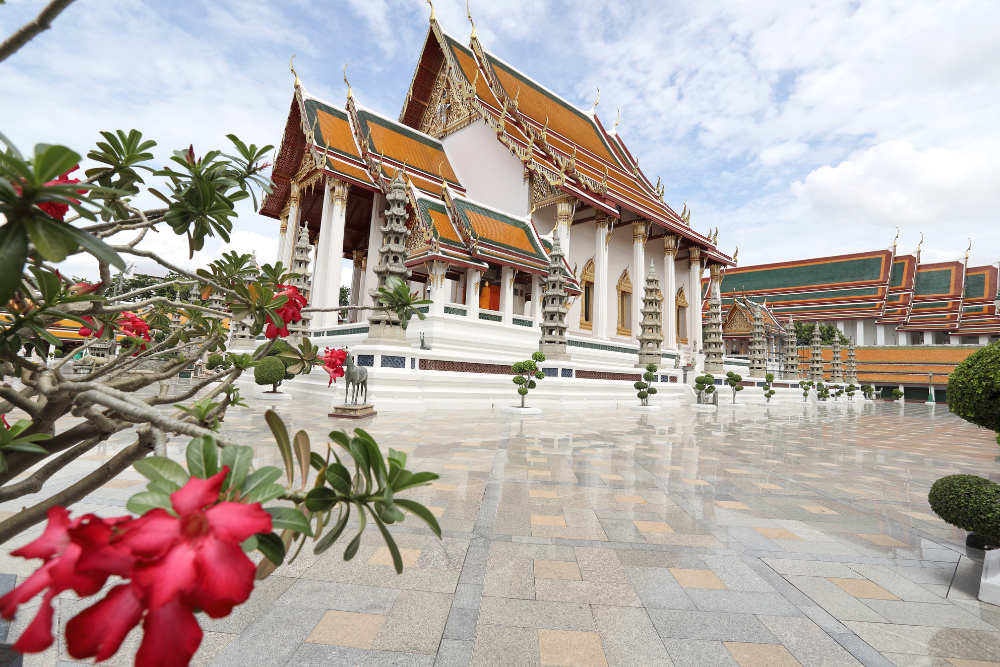
Location: Bangkok, near the Giant Swing Highlight: Giant Swing and intricate murals. Wat Suthat is one of Bangkok’s oldest temples and is famous for its Giant Swing, used in ancient Brahmin ceremonies. The temple houses beautiful murals, wooden door carvings, and a giant bronze Buddha. Visiting Wat Suthat offers a quieter, more contemplative temple experience compared to some of Bangkok’s other popular sites, making it a hidden gem worth exploring.
Tips for Visiting Thai Temples
- Dress Modestly: Cover your shoulders and knees as a sign of respect. Many temples offer sarongs if you forget, but it’s best to come prepared.
- Remove Your Shoes: Always remove your shoes before entering the temple buildings.
- Keep Quiet: Remember that temples are places of worship, so maintain a respectful demeanor and speak softly.
- Respect Buddha Images: Do not touch or climb on Buddha statues. In Thailand, it is illegal to take Buddha images out of the country without permission.
- Be Aware of Photography Rules: While photography is allowed in most areas, some temples have restrictions, especially around the main Buddha images. Look for signs and follow the rules.
Why Visit Thai Temples?
Thai temples offer a window into Thailand’s history, art, and spirituality. They allow travelers to witness ancient architectural marvels, learn about Buddhism, and experience moments of calm and introspection. Whether you’re exploring the grandiose temples of Bangkok or the ancient relics in Chiang Mai, each visit promises unique insights into Thai culture and traditions.
Conclusion From the stunning Wat Phra Kaew to the serene Wat Saket, each temple in Thailand holds stories and spirituality that are worth exploring. Plan your journey through these spiritual sites, and experience the profound serenity that Thai temples have to offer. Whether you’re drawn to their beauty, spirituality, or history, these temples will leave an indelible mark on your heart and mind.