


Introduction
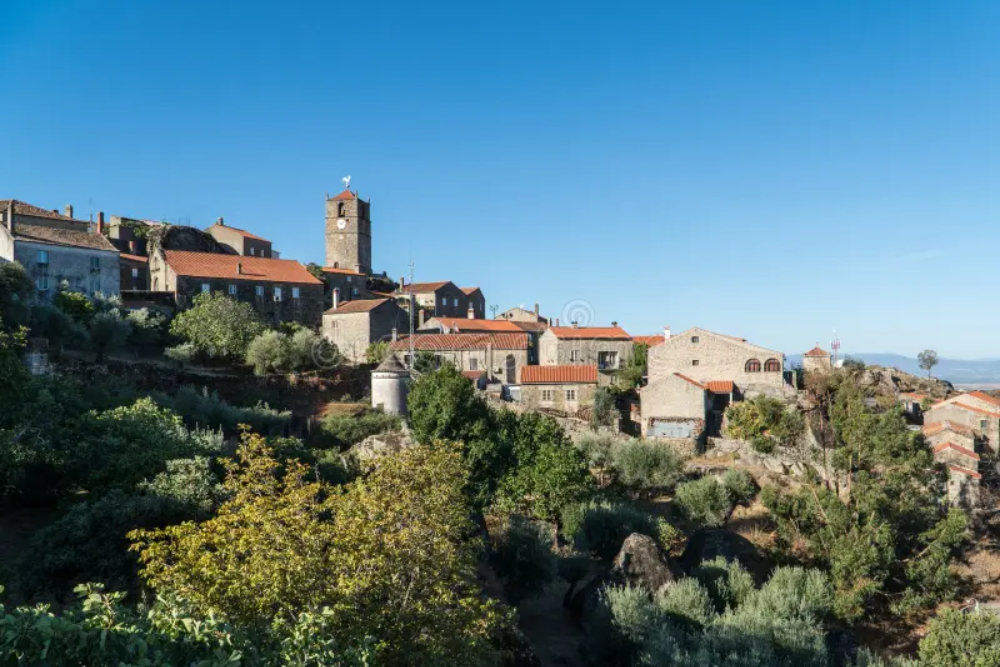
Monsanto is a pleasant and notable town situated in the focal district of Portugal, inside the region of Idanha-a-Nova. Known for its dazzling and one of a kind scene, Monsanto is frequently alluded to as “the most Portuguese town in Portugal.” The town is roosted on a stone slope, with houses worked among monstrous rocks, making a striking and strange environment. The stones are incorporated into the engineering, making Monsanto an interesting illustration of congruity among nature and human settlement.
Climbing to Monsanto Palace
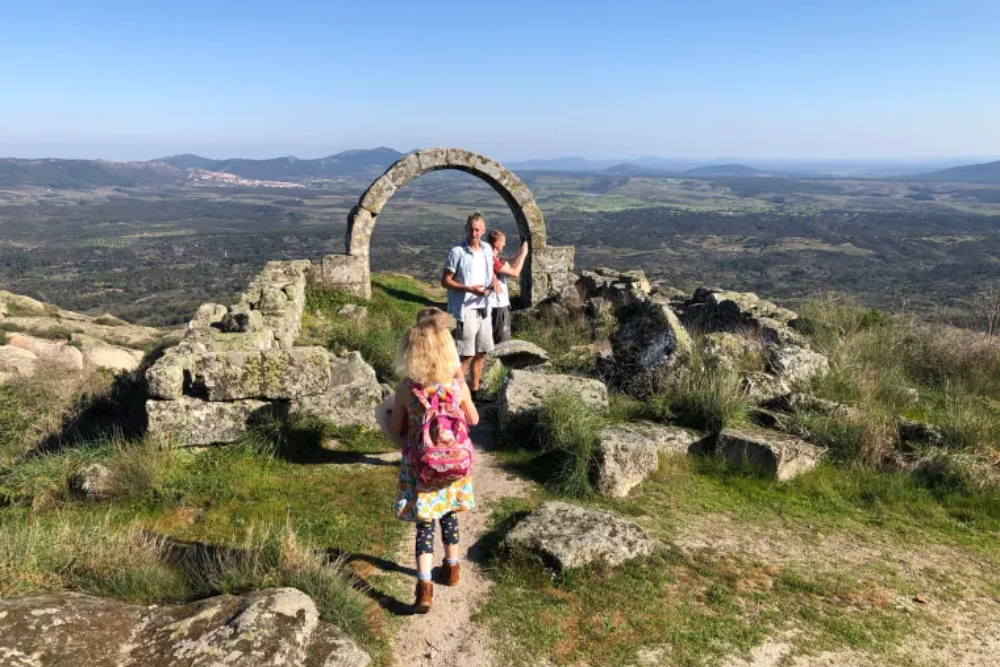
- One of the top undertakings in Monsanto is climbing up to the Castelo de Monsanto, a middle age palace that stands at the most noteworthy mark of the town. The path prompting the palace offers stupendous perspectives on the encompassing slopes, valleys, and conventional stone houses settled among enormous rocks. Once at the top, you can investigate the palace’s vestiges and appreciate all encompassing perspectives on the encompassing open country.
The Stones and Rock Developments
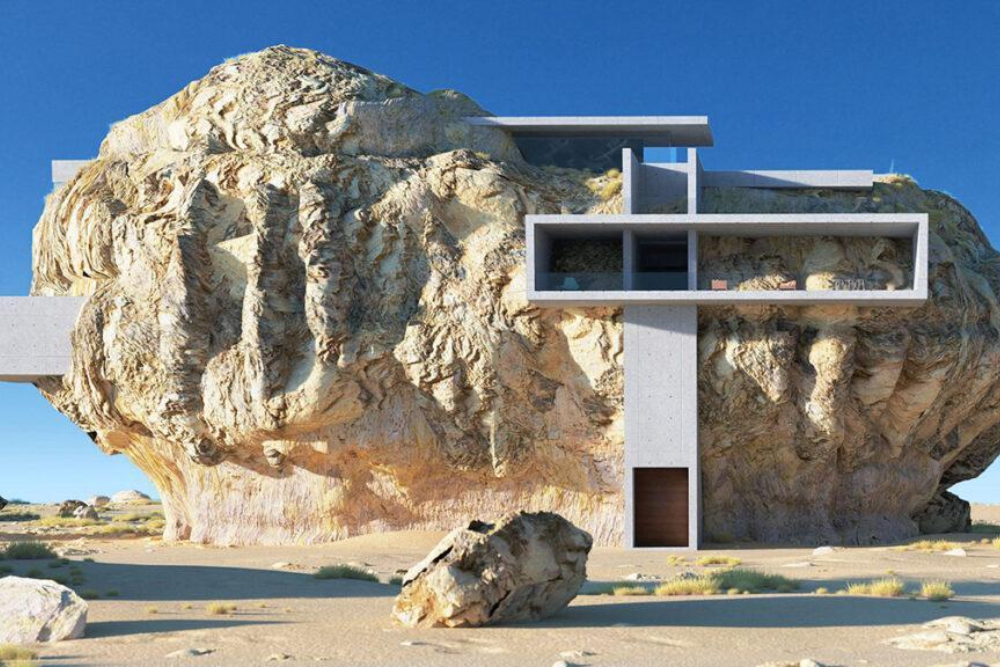
- Monsanto is renowned for gigantic stone rocks are coordinated into the town’s engineering. Travelers can meander through the town and climb or investigate these enormous rocks, some of which are extremely old. This special scene offers incredible photograph amazing open doors and an intriguing method for encountering the town’s land wonder.
Mountain Trekking in the Encompassing Open country
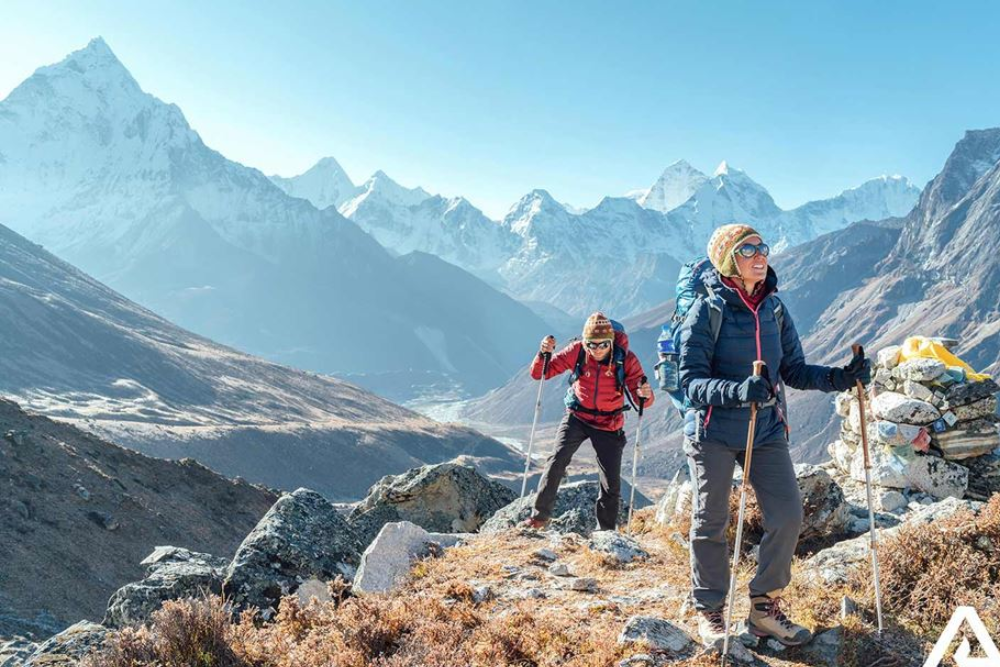
- The tough territory around Monsanto is ideally suited for mountain trekking. There are a few paths that lead through woodlands, valleys, and past customary ranches, permitting cyclists to encounter the regular magnificence of the district. The difficult ways and tourist detours make it an optimal experience for bicycle fans.
Social and Authentic Strolling Visit
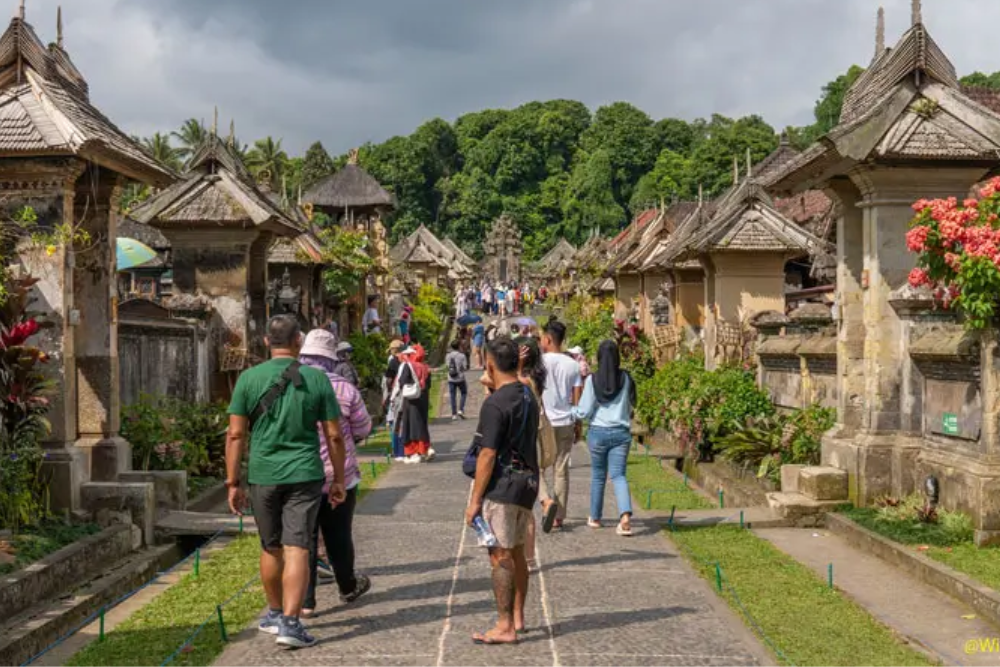
- For the individuals who appreciate consolidating experience with history, a mobile visit through the town of Monsanto is an incredible method for finding its remarkable engineering and rich past. Walk around limited cobblestone roads, visit antiquated places of worship like Igreja de São Miguel, and investigate the conventional stone houses incorporated into the stones. The visit will submerge you in the set of experiences and culture of this captivating town.
Stargazing at the Monsanto Dull Sky
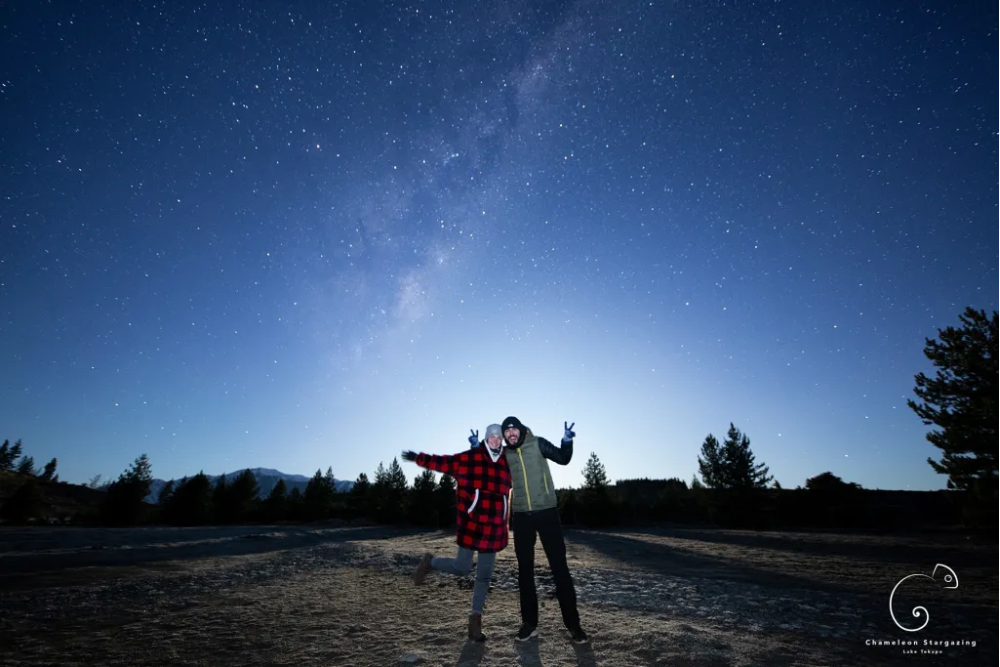
- The district encompassing Monsanto is known for its low light contamination, making it a magnificent spot for stargazing. Go through a night noticing the night sky, watching star groupings and meteor showers in one of the most clear skies in Portugal. You can partake in the quietness of the area while encountering the magnificence of the universe above.
Monsanto Palace (Castelo de Monsanto)
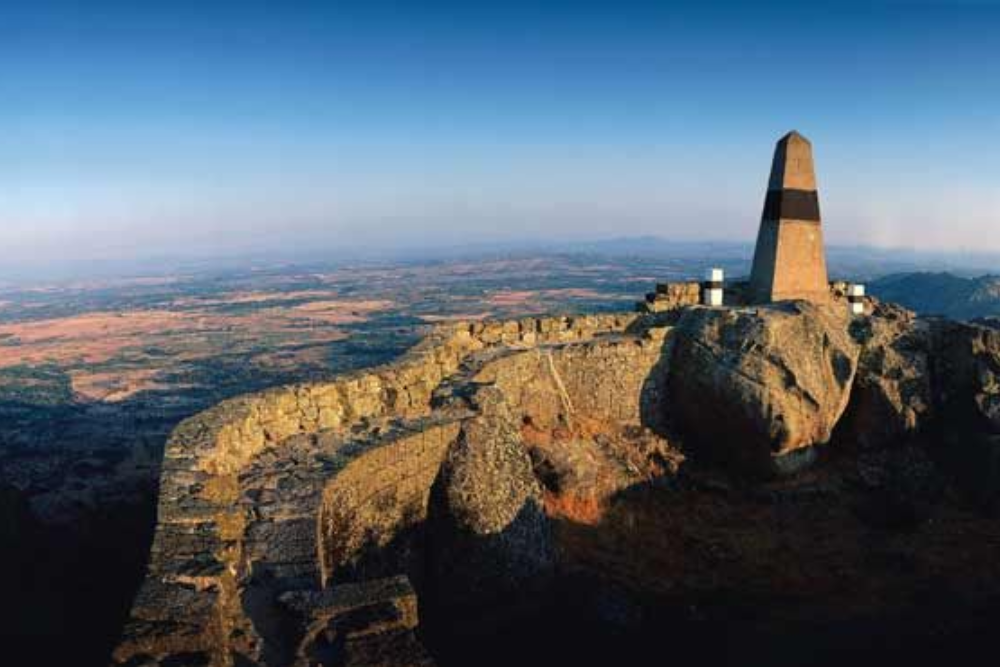
- The notable Castelo de Monsanto is perhaps of the most renowned milestone in the town. Roosted on a rough peak, the middle age palace offers all encompassing perspectives on the encompassing district. The palace’s remains, which date back to the Knight time frame, incorporate leftovers of walls, towers, and a house of prayer. It is an unquestionable requirement for history buffs and those looking for stunning perspectives.
The Town of Monsanto
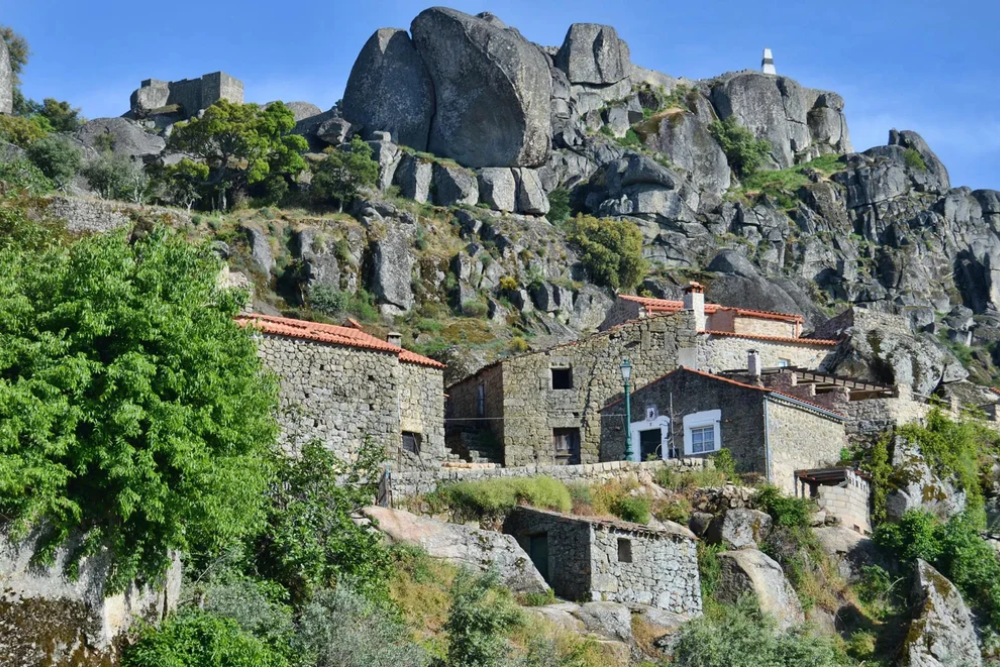
- The actual town is quite possibly of the most extraordinary objective in Portugal. With houses incorporated into monster rock rocks, Monsanto has procured the epithet “the most Portuguese town in Portugal.” The tight, winding roads, customary stone houses, and old design make the town a pleasant and vivid involvement with Portuguese legacy and culture.
Igreja de São Miguel (Church of Holy person Michael)
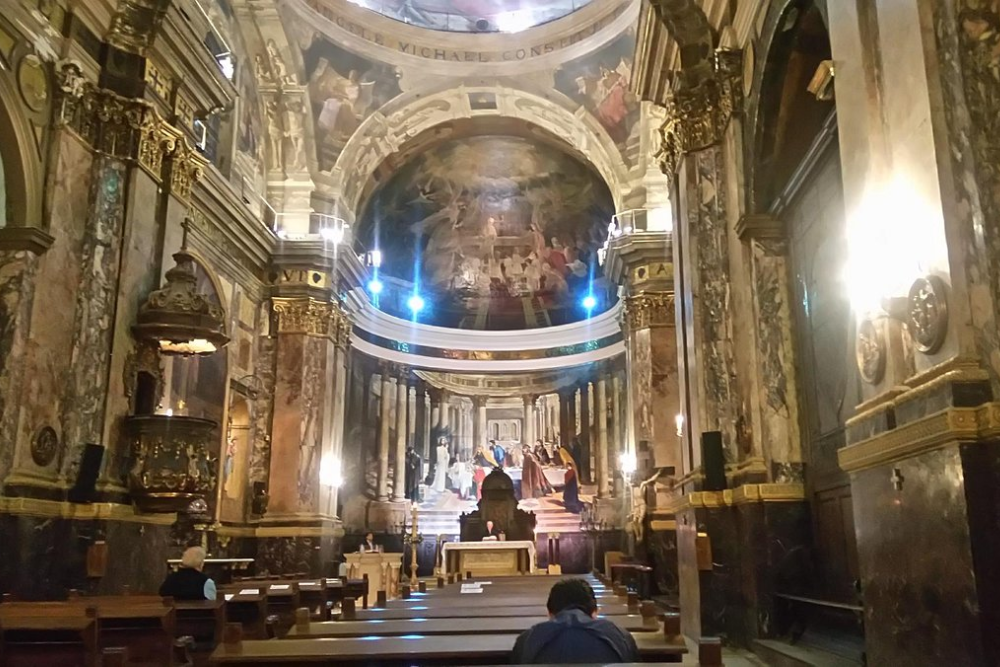
- This notable church is situated at the core of Monsanto and is one of the town’s most seasoned and most significant structures. The Igreja de São Miguel highlights conventional compositional components and offers guests a brief look into the strict history of the area. Its quiet air and wonderful setting make it a significant stop for those intrigued by the otherworldly and verifiable legacy of Monsanto.
Dos and Don’ts in Monsanto
Dos
Do Investigate the Town: By walking Monsanto is a town with thin cobblestone roads and steep pathways. The most ideal way to investigate is walking, permitting you to really take in the staggering perspectives, remarkable engineering, and verifiable milestones at a casual speed.
Do Regard the Nearby Legacy and Customs: Monsanto is where history is profoundly woven into the texture of day to day existence. Be conscious while visiting nearby locales like Monsanto Palace or the Igreja de São Miguel, and carve out opportunity to see the value in the town’s social importance.
Do Take Photographs: Monsanto’s emotional rock stones and beguiling stone houses give a lot of visual open doors. Go ahead and take photographs, however forever be deferential of private properties and individuals living in the town.
Don’ts
Don’t Litter: Monsanto’s regular magnificence is important for its appeal, and keeping the town clean is fundamental. Continuously discard junk appropriately and try not to abandon litter, particularly out in the open spaces or close to authentic destinations.
Don’t Race Through the Town: Monsanto is where dialing back and it is critical to see the value in the environmental elements. Try not to hurry through the town; find opportunity to investigate and partake in the little, unlikely treasures the town brings to the table.
Don’t Upset the Neighborhood Untamed life: Monsanto is situated in a characteristic setting, and the encompassing regions are home to an assortment of untamed life. Try not to upset creatures or plants, and consistently follow the standards of “leave no follow” while climbing or investigating the open country.
Best time to reach in Monsanto
The best time to visit Monsanto depends on your preferences for weather, activities, and crowds. Here’s a breakdown of the ideal times to visit the village:
1. Spring (March to May) – Perfect for Hiking and Exploring
- Spring brings mild temperatures, ranging from 15°C (59°F) to 25°C (77°F). This makes it an ideal time for outdoor activities like hiking up to Monsanto Castle or exploring the village’s narrow cobblestone streets and granite formations.
- The countryside surrounding Monsanto is lush and green, and the weather is pleasant for walking around the village. This is also a time when you can enjoy fewer tourists compared to the summer months.
2. Summer (June to August) – Ideal for Warm Weather and Longer Days
- Summers in Monsanto can be hot, with temperatures often exceeding 30°C (86°F). The sun is strong, and the days are long, providing plenty of daylight for outdoor adventures.
- If you enjoy warm weather, this is the perfect time to explore Monsanto’s stunning views, ancient sites, and nearby natural attractions. However, be prepared for potential crowds, as this is peak tourist season.
3. Autumn (September to November) – Great for Mild Weather and Fewer Tourists
- Autumn offers mild temperatures, ranging from 20°C (68°F) to 25°C (77°F), making it comfortable for exploring the village and its surroundings.
- The landscapes begin to change color, offering beautiful scenery for hikes and outdoor activities. The crowds thin out after summer, allowing for a more peaceful visit to Monsanto.
4. Winter (December to February) – Quiet and Peaceful
- Winters are cooler, with temperatures ranging from 5°C (41°F) to 15°C (59°F). While it rarely gets freezing, there can be some rain.
- Winter is the least crowded season, so it’s perfect for those who enjoy a peaceful atmosphere. You can explore Monsanto at a leisurely pace, without the crowds. However, be prepared for shorter daylight hours and the possibility of rain.