



Introduction
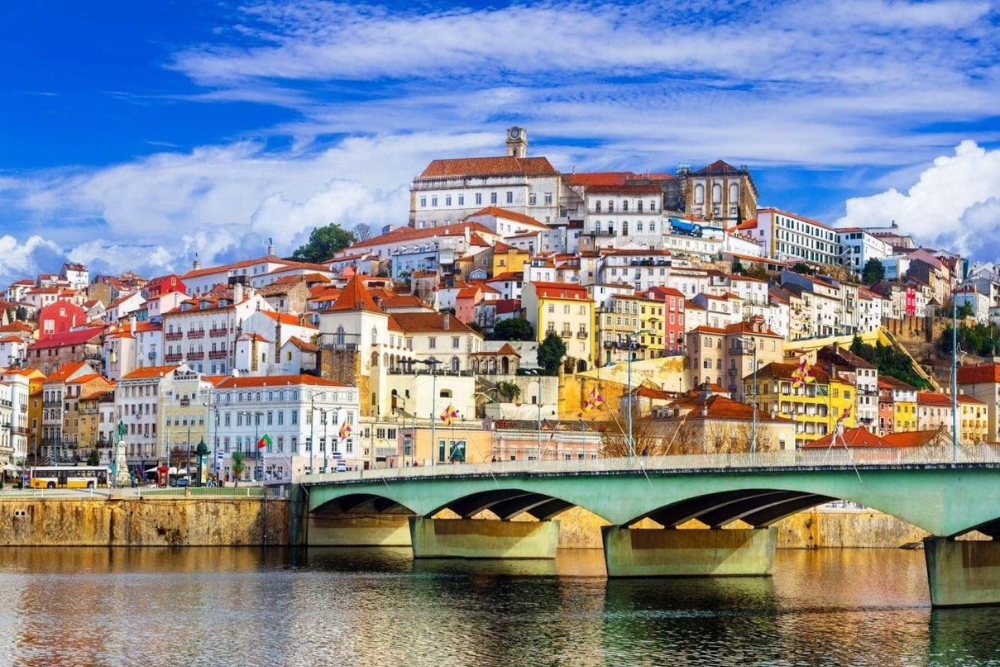
Coimbra is a memorable city in focal Portugal, known for its rich social legacy and lofty college, the College of Coimbra, one of the most seasoned in Europe. The city’s beguiling old town highlights restricted, cobblestone roads, archaic structures, and the dazzling Coimbra College Library. Other striking attractions incorporate the St Nick Clara-a-Velha Religious community, the Joanina Library, and the wonderful greenhouses. Coimbra is likewise popular for its Fado music, a deep type of Portuguese society music. The city offers an ideal mix of history, culture, and beautiful excellence, making it a famous location for travelers.
Walking Tours through Historic Streets

- Coimbra’s old town offers an enrapturing labyrinth of cobbled roads that wind through hundreds of years of history. Directed strolling visits are a phenomenal way for travelers to drench themselves in the city’s appeal. These visits frequently incorporate visits to milestones like the College of Coimbra and the middle age St Nick Clara-a-Velha Religious community. The experience isn’t just about touring, yet in addition about finding stowed away corners and stories that formed the city.
University of Coimbra and Joanina Library

- The College of Coimbra is an UNESCO World Legacy site and a significant feature for experience searchers inspired by history. A visit through the grounds offers interesting bits of knowledge into quite possibly of Europe’s most established college. The Joanina Library, with its dazzling Rococo engineering, is especially astounding. Inside, you can investigate old texts, intriguing compositions, and even see a province of bats that wanders the library around evening time.
Boat Tour on the Mondego River
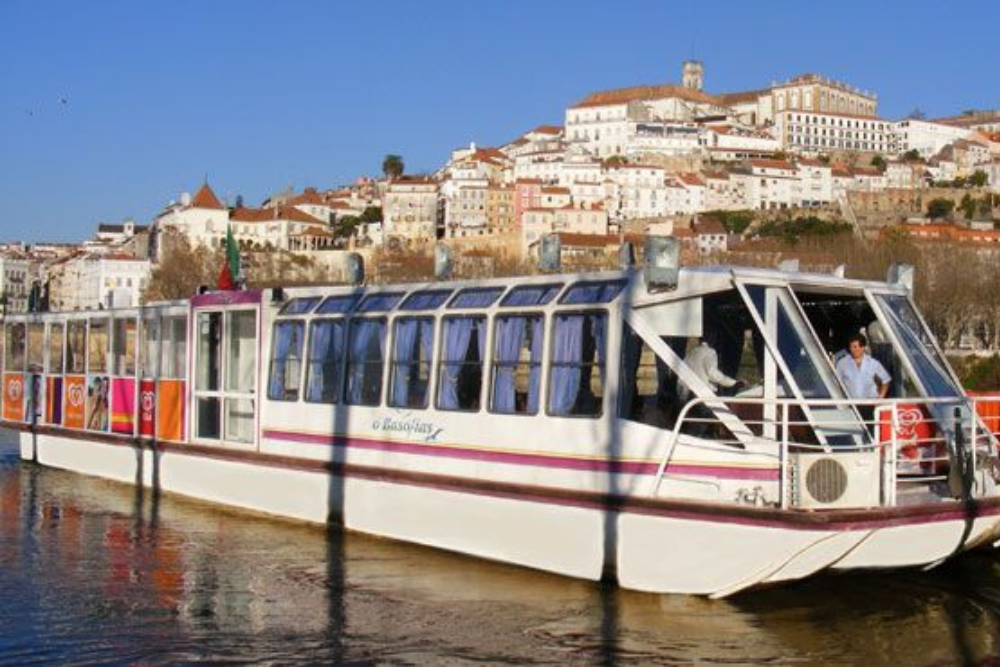
- For a tranquil yet daring experience, a boat visit along the Mondego Stream is an incredible method for survey Coimbra according to an alternate point of view. These visits offer tranquil perspectives on the city’s horizon, scaffolds, and lavish vegetation, giving an optimal setting to those searching for an unwinding yet brave action. Rowing along the stream should likewise be possible by kayak for an additional involved encounter.
Hiking in the Serra da Lousa Mountains
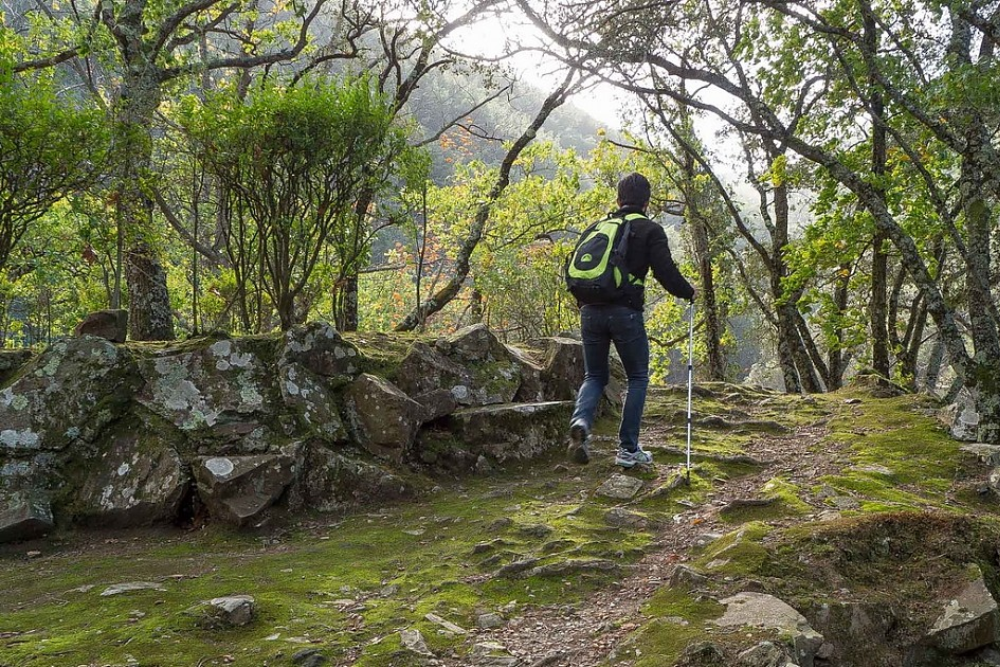
- Right external Coimbra lies the Serra da Lousa mountain range, ideal for explorers and nature sweethearts. Known for its thick woodlands, old towns, and pleasant scenes, it’s an incredible objective for bold sightseers. Explorers can partake in various paths, a main to the popular schist towns, like Talasnal and Cerdeira, offering a novel blend of nature, history, and culture.
Fado Nights
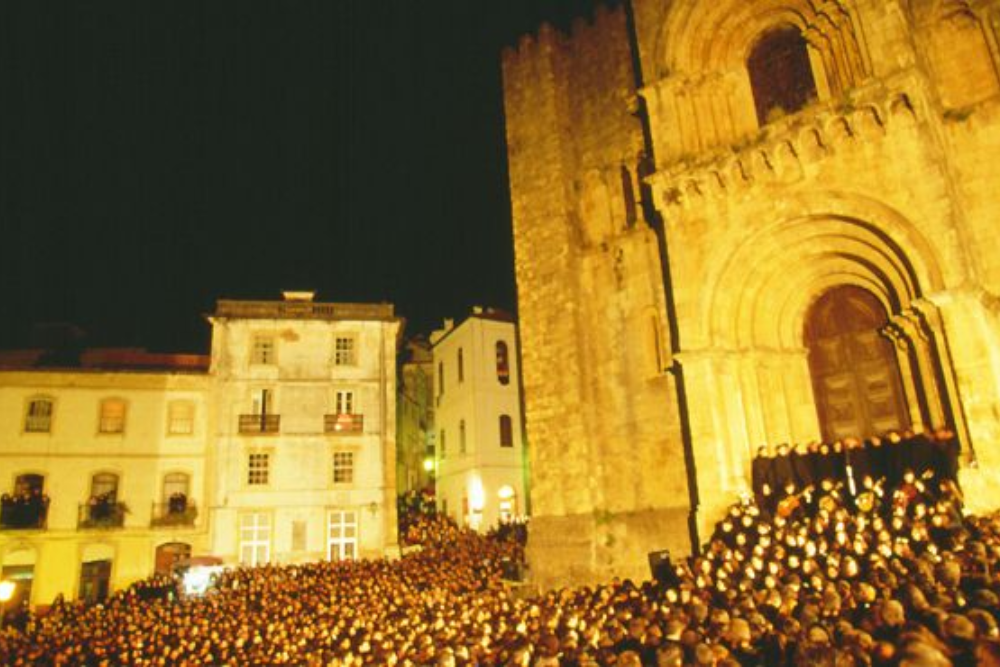
- Fado is an essential piece of Coimbra’s social legacy, and a night spent at a conventional Fado house can be a brave plunge into Portuguese music and custom. Known as “Fado de Coimbra,” this variation of the class is sung by male understudies of the college, frequently with guitars and other conventional instruments. This experience submerges travelers in the profound, close to home profundity of the music, making for a one of a kind experience into the core of Coimbra’s social soul.
Santa Clara-a-Velha Monastery
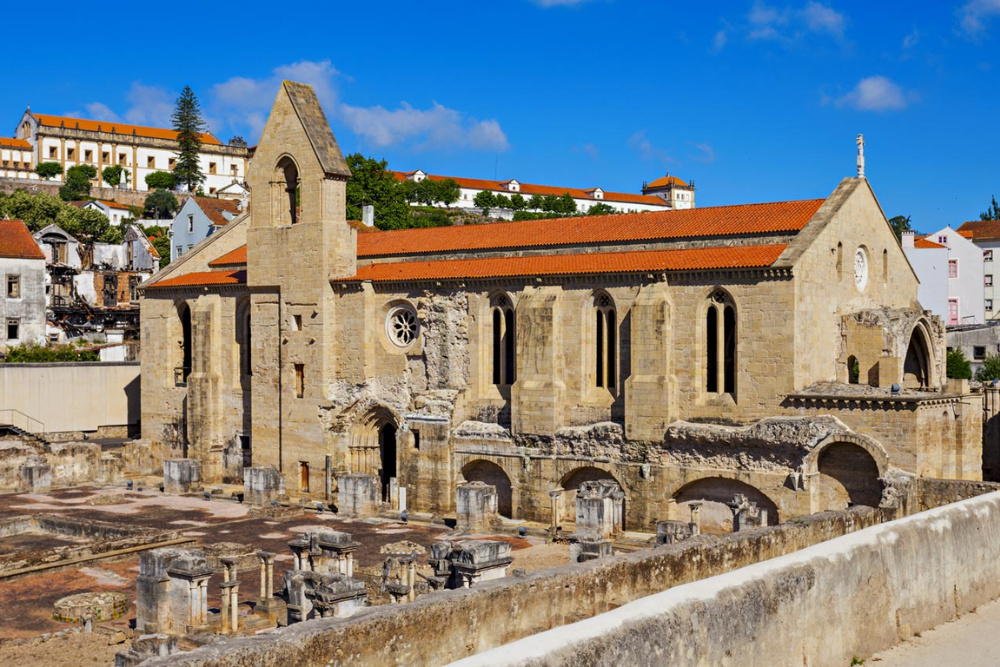
- This fourteenth century cloister is a notorious site in Coimbra, set along the banks of the Mondego Waterway. However it has been to some degree reestablished subsequent to being deserted and overflowed throughout the long term, it stays a critical verifiable site. The quiet environmental elements, joined with the remnants and educational historical center, make this a priority spot for those keen on the city’s rich past.
Conimbriga Roman ruins
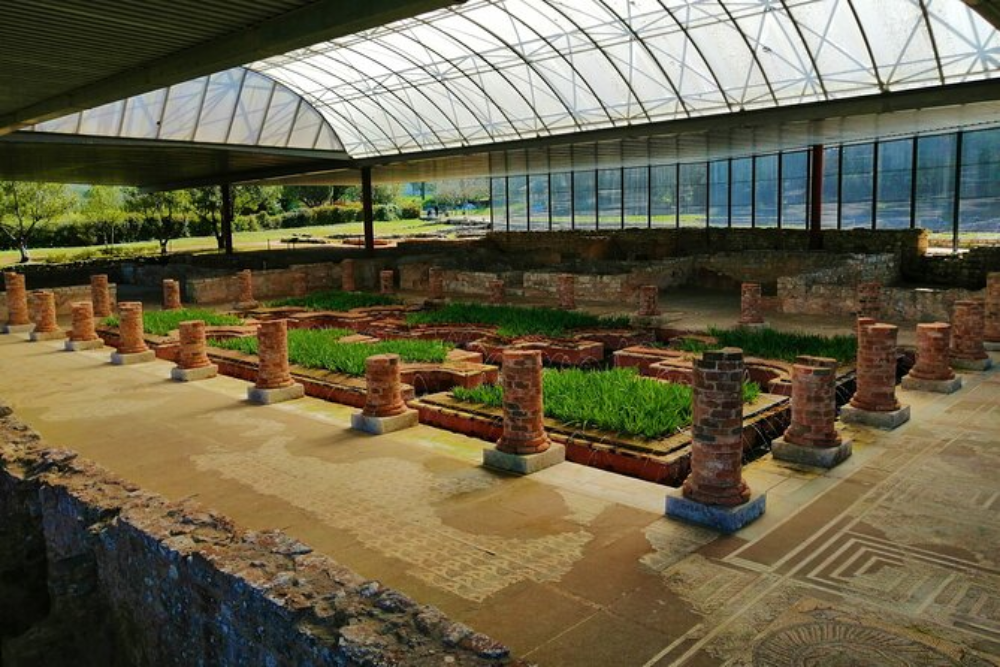
- Found right external Coimbra, the Conímbriga ruins are perhaps of the best-safeguarded Roman archeological site in Portugal. Guests can investigate all around saved mosaics, antiquated showers, and remainders of homes and roads. The nearby historical center offers a more profound comprehension of life during Roman times, giving an intriguing excursion back to old history.
Botanical Garden of the University of Coimbra
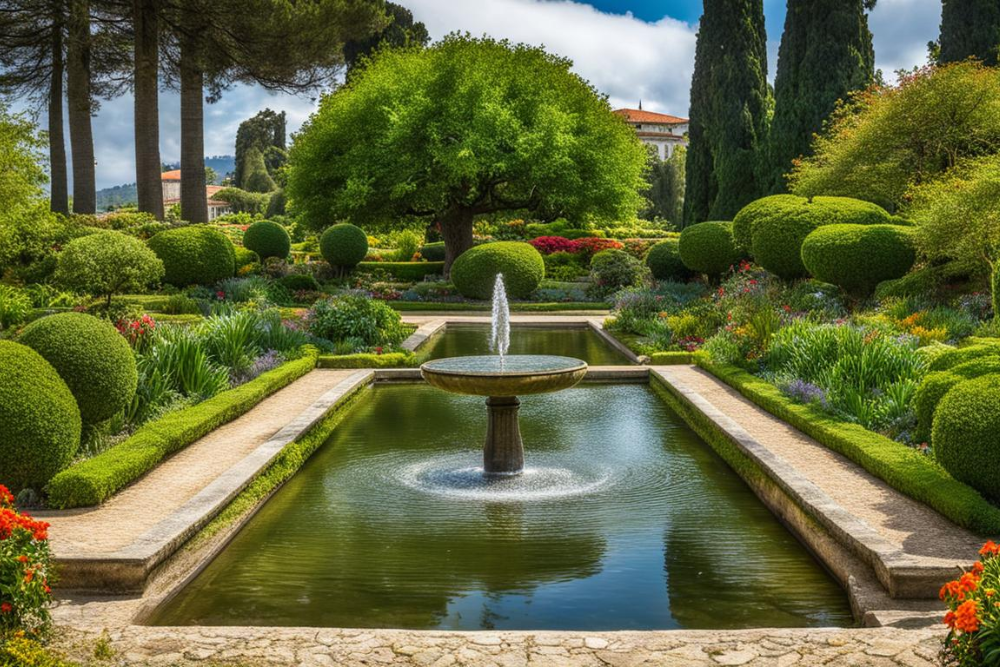
- Laid out in the eighteenth hundred years, the Greenhouse offers a quiet getaway from the hurrying around of the city. It’s an extraordinary spot for a comfortable walk, encompassed by an assortment of plant animal types, delightful wellsprings, and tranquil lakes. The nursery likewise incorporates nurseries with tropical plants, making it an ideal spot for nature darlings to investigate.
Dos and Don’ts in Coimbra
Dos
- Do Explore the University of Coimbra: The College is one of the main milestones in Coimbra. Take a directed visit to completely see the value in its set of experiences, design, and the dazzling Joanina Library. Try not to miss the Imperial Castle and the Greenhouse.
- Do Respect Local Traditions and Customs: Coimbra has areas of strength for an of Fado music, particularly Fado de Coimbra, performed by college understudies. It is an unquestionable necessity to Go to a Fado execution. Extend regard by listening unobtrusively and partaking in the profound profundity of the music.
- Do Enjoy the Local Cuisine: Coimbra offers various delightful nearby dishes. Attempt the popular chanfana (goat stew) and pastéis de St Nick Clara (a nearby cake). Remember to investigate the neighborhood bistros and partake in some Portuguese espresso.
Don’ts
- Don’t Rush Through the Historic Sites: Coimbra is loaded with verifiable fortunes, and it’s ideal to require your investment to investigate them. Try not to hurry through the attractions; drench yourself in the nearby culture and history. Enjoy reprieves to assimilate the climate.
- Don’t Disturb Fado Performances: Fado exhibitions, particularly in the Fado de Coimbra style, are a significant social encounter. Try not to talk uproariously or utilize your telephone during exhibitions, as this disturbs the private environment and regard for the music.
- Don’t Ignore Local Etiquette: Coimbra is home to numerous understudies, and nearby traditions could vary somewhat from other Portuguese urban communities. Be pleasant, welcome individuals with “Bom dia” (Great morning) or “Boa tarde” (Great evening), and make sure to regard nearby traditions, particularly in college related occasions.
Best time to reach in Coimbra
Spring (March to May)
- Spring is one of the most amazing times to visit Coimbra. The weather conditions is gentle and charming, with temperatures going from 15°C to 20°C (59°F to 68°F). The city’s nurseries, particularly the Professional flowerbed of the College of Coimbra, wake up with blossoms. The air isn’t excessively packed, making it an extraordinary opportunity to investigate the verifiable locales and appreciate outside exercises.
Summer (June to August)
- Summer is the pinnacle traveler season in Coimbra, with warm temperatures (around 25°C to 35°C or 77°F to 95°F). It’s a dynamic chance to visit, particularly for celebrations and widespread developments, including Fado exhibitions. In any case, it tends to be packed, and a few spots might be more costly. In the event that you appreciate energetic celebrations and wouldn’t fret the intensity, summer is an extraordinary decision.
Harvest time (September to November)
- Pre-winter is one more awesome opportunity to visit. The weather conditions stays gentle, with temperatures around 20°C to 25°C (68°F to 77°F), and the fall foliage adds a wonderful touch to the city. With less travelers contrasted with summer, you can investigate Coimbra all the more serenely. The college likewise reawakens after summer, making it a vivacious time for understudies and guests the same.
Winter (December to February)
- Winter in Coimbra is for the most part gentle contrasted with other European objections, with temperatures going from 5°C to 15°C (41°F to 59°F). While it very well might be colder and rainier, you can stay away from enormous groups, taking into consideration a more tranquil encounter. The bubbly season, particularly around Christmas, brings unique occasions and nearby appeal. This is a great chance to visit in the event that you favor a calmer, more loosened up experience.