

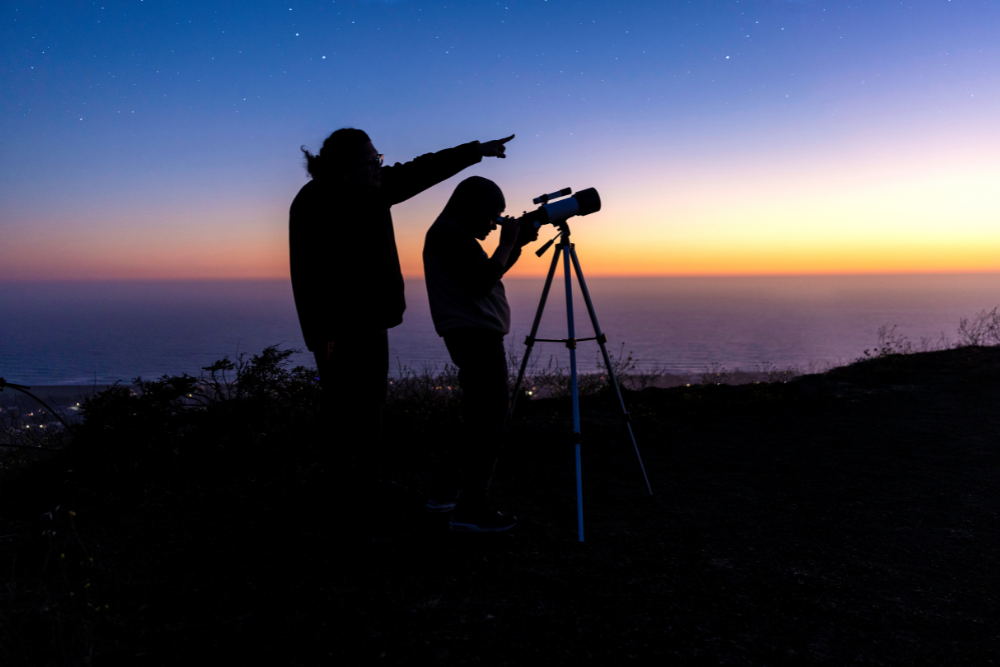

Australia is renowned for its stunning landscapes, diverse wildlife, and vibrant cities. Yet, one of its most awe-inspiring features lies above—its night sky. With vast, remote areas and low light pollution, Australia offers some of the best stargazing spots in the world. From the iconic Milky Way to dazzling constellations and shooting stars, this guide will take you to the top locations for witnessing the celestial wonders in the Australian night sky.
Why Australia is a Stargazing Paradise
Australia’s geographical location, expansive terrain, and relatively low population density contribute to its ideal conditions for stargazing. The southern hemisphere provides a unique view of the Milky Way, with the galactic core visible from many areas, particularly during the winter months. The lack of urban light pollution in many regions allows for crystal-clear views of stars, planets, and other celestial phenomena.
Key Features of a Great Stargazing Location
- Low Light Pollution: Areas far from city lights provide clearer and more vibrant views of the night sky.
- High Altitude: Elevated locations can reduce atmospheric distortion, offering sharper images of celestial bodies.
- Accessibility: Easy access to prime stargazing spots is essential for an enjoyable experience.
- Clear Weather: Regions with minimal cloud cover and low humidity are preferable for unobstructed views of the stars.
Top Stargazing Spots in Australia
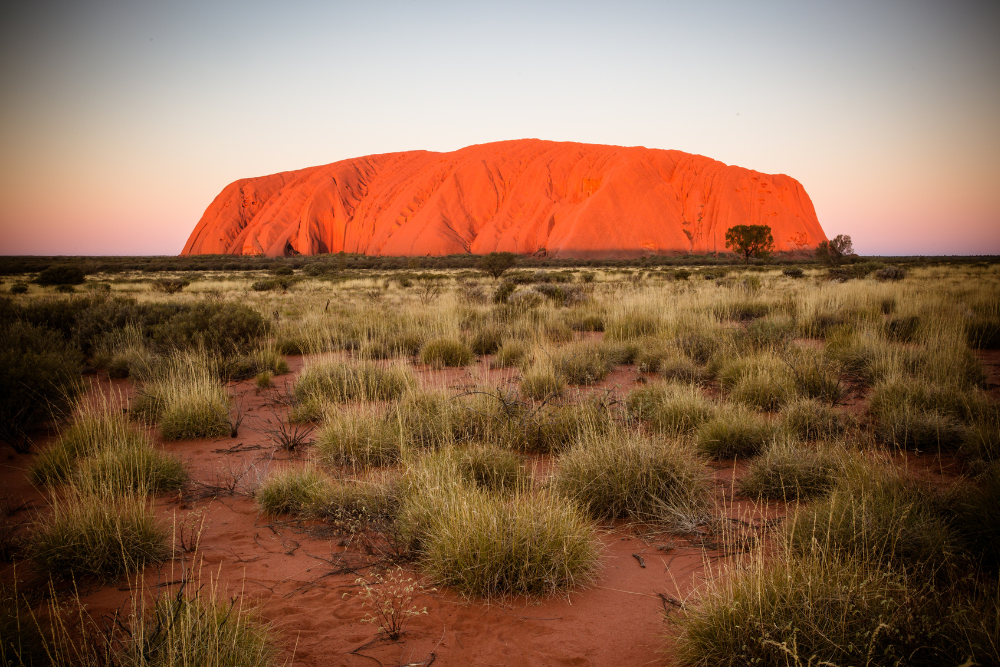
1. Uluru-Kata Tjuta National Park, Northern Territory
Why Go?
Uluru, also known as Ayers Rock, is not only a natural wonder but also a fantastic stargazing location. The park’s remote location and lack of artificial light allow for incredible views of the night sky. Witness the Milky Way arching over the iconic red monolith and experience the spiritual connection the Anangu people have with the land.
What to See?
- The Milky Way in its full glory
- Southern Cross and other prominent constellations
- The occasional meteor shower, particularly during the Geminids in December
Best Time to Visit:
The winter months (June to August) are ideal, offering clear skies and cooler temperatures.
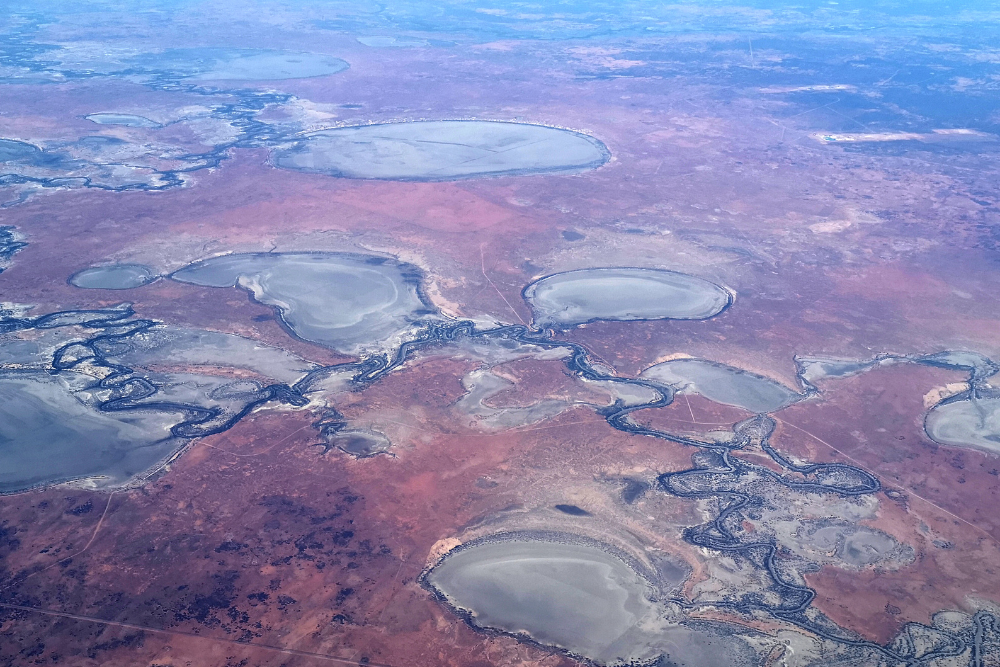
2. Lake Eyre, South Australia
Why Go?
Lake Eyre, the largest salt lake in Australia, is a vast, remote area perfect for stargazing. The stark landscape provides a unique backdrop for the night sky, and the absence of light pollution makes it a prime location for astrophotography.
What to See?
- The Milky Way stretching overhead
- Brightly colored stars and the occasional aurora australis (southern lights)
Best Time to Visit:
Winter and spring (June to October) are great for clear skies and milder temperatures.
3. Warrumbungle National Park, New South Wales
Why Go?
Designated as Australia’s first Dark Sky Park, Warrumbungle National Park is renowned for its commitment to preserving the night sky. The park offers excellent facilities for stargazers, including dedicated viewing platforms and observatory tours.
What to See?
- The Milky Way and various nebulae
- Clear views of the Southern Cross and Magellanic Clouds
Best Time to Visit:
The best stargazing months are from April to September, when the skies are typically clearer.
4. Siding Spring Observatory, New South Wales
Why Go?
Located near Warrumbungle National Park, Siding Spring Observatory is Australia’s premier astronomical research facility. Visitors can participate in guided stargazing sessions and observe the night sky through powerful telescopes.
What to See?
- Various celestial bodies, including planets, stars, and distant galaxies
- The Milky Way and nearby star clusters
Best Time to Visit:
Year-round, with special events and public open nights scheduled throughout the year.
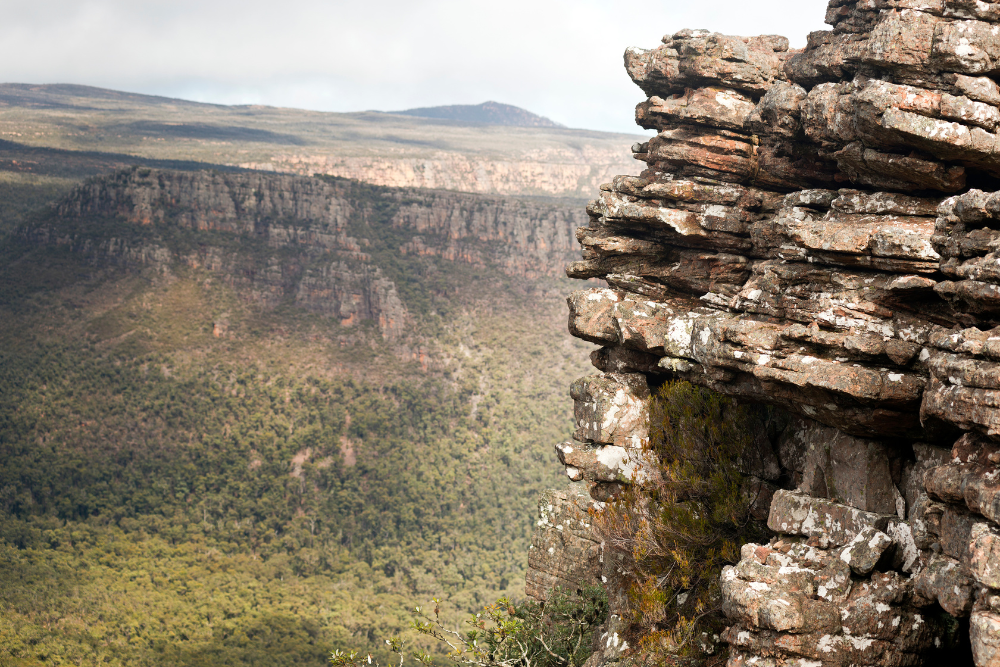
5. The Grampians National Park, Victoria
Why Go?
With its stunning landscapes and remote locations, the Grampians National Park offers exceptional stargazing opportunities. The park’s high vantage points provide panoramic views of the night sky, making it a favorite among astrophotographers.
What to See?
- The Milky Way, constellations, and bright stars
- Seasonal meteor showers, including the Perseids in August
Best Time to Visit:
Late winter to early spring (August to October) is optimal for clear skies and comfortable weather.
6. Cape Range National Park, Western Australia
Why Go?
Cape Range National Park, located near the beautiful Ningaloo Reef, is a hidden gem for stargazers. The park’s remote coastal location ensures minimal light pollution and stunning views of the southern sky.
What to See?
- A breathtaking view of the Milky Way
- Southern constellations, including the Centaurus and Crux
Best Time to Visit:
The dry season from May to October offers the best conditions for stargazing.
7. Flinders Ranges National Park, South Australia
Why Go?
The Flinders Ranges are a rugged and picturesque region offering spectacular stargazing opportunities. The remote location and dramatic landscapes provide a stunning backdrop for the night sky.
What to See?
- The Milky Way and its bright core
- Numerous constellations and star clusters
Best Time to Visit:
Late autumn to early spring (May to October) is ideal for clear nights.
Tips for an Unforgettable Stargazing Experience
1. Check the Weather
Always check the weather forecast before heading out. Clear skies are essential for stargazing, so choose a night when conditions are optimal.
2. Avoid Light Pollution
Get as far away from city lights as possible. Use apps or websites to find locations with minimal light pollution for the best stargazing experience.
3. Bring Essential Gear
- Binoculars or a telescope: These can enhance your stargazing experience, allowing you to see more details in celestial bodies.
- Warm clothing: Nights can get chilly, especially in remote areas. Dress in layers to stay comfortable.
- Camping gear: Consider spending the night under the stars for a truly immersive experience.
4. Be Patient
Give your eyes time to adjust to the darkness. It may take 20–30 minutes for your eyes to adapt, revealing more stars and details in the night sky.
5. Use Stargazing Apps
Download stargazing apps that help identify stars, constellations, and planets in real time. These tools can enhance your experience and make it more educational.
Conclusion
Australia’s night sky is a breathtaking spectacle that invites you to explore its hidden wonders. From the vastness of the Milky Way to the beauty of the southern constellations, the country’s diverse landscapes offer some of the best stargazing opportunities in the world. Whether you’re a seasoned astronomer or a casual observer, these locations will provide unforgettable experiences under the stars. So grab your telescope or binoculars, head out to one of these stunning spots, and immerse yourself in the beauty of the universe above. Happy stargazing!