


Introduction
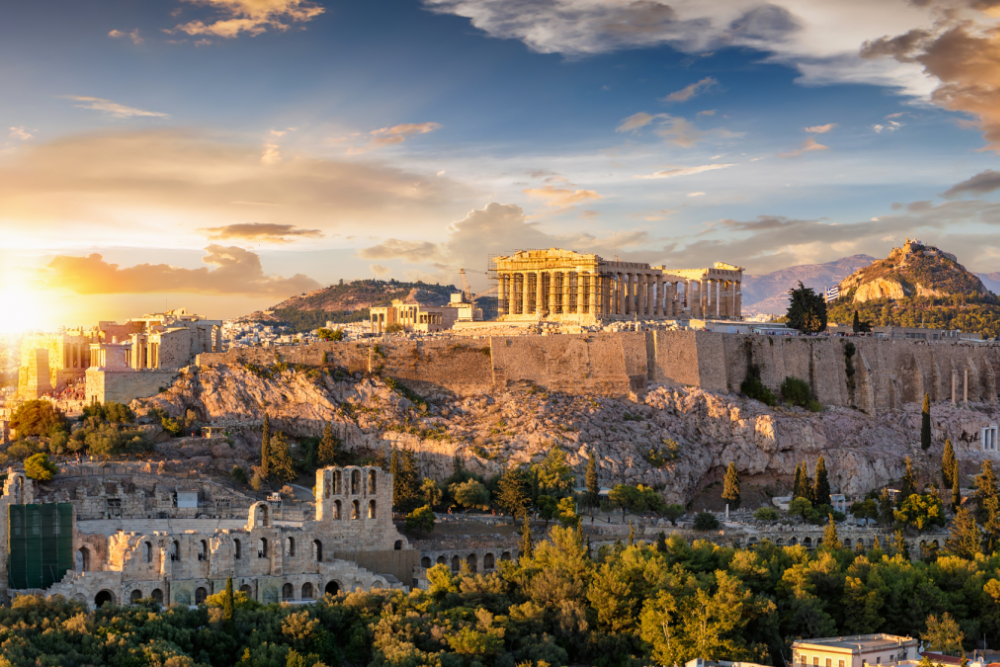
Sparta, situated in the southern piece of Greece, is a city famous for its rich verifiable and social importance. When the core of the strong old city-state, it is renowned for delivering a portion of history’s most dreaded fighters. Today, Sparta is a cutting edge town that jam its old roots, offering guests an opportunity to investigate its stupendous vestiges and milestones. Key attractions incorporate the Archeological Site of Old Sparta, home to huge remains like the Safe-haven of Artemis Orthia and the Sanctuary of Athena Chalkioikos, as well as the famous Sculpture of Lord Leonidas, remembering the unbelievable Straightforward ruler.
Archaeological Site of Ancient Sparta
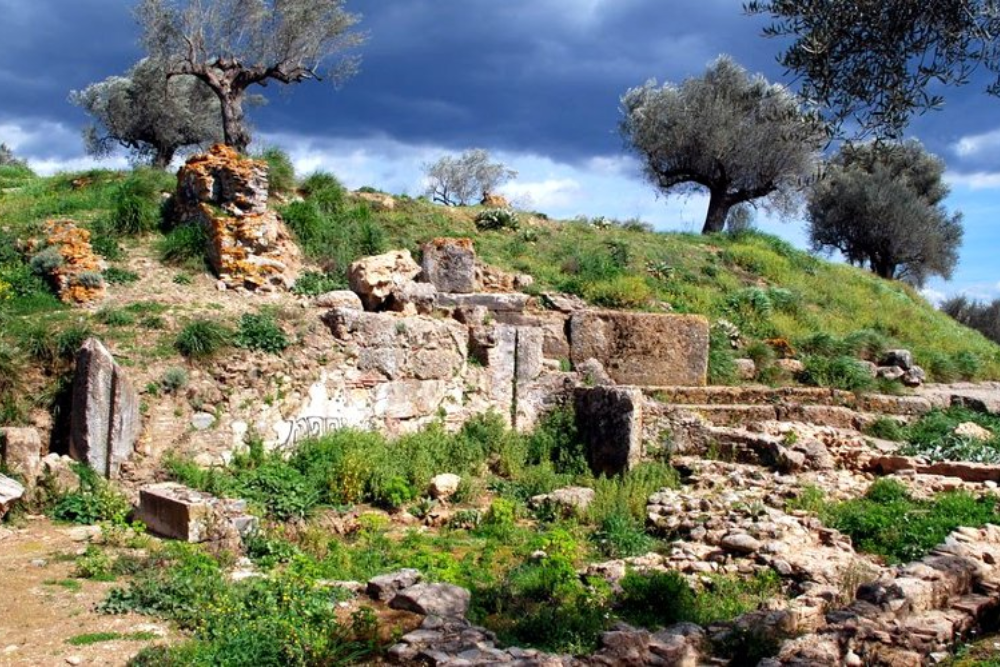
- The core of any visit to Sparta lies in the Archeological Site of Old Sparta, found right external the advanced town. This site is home to the remaining parts of the antiquated city-territory of Sparta, once known for its strong military and Austere fighters. Remarkable highlights incorporate the remains of the Safe-haven of Artemis Orthia, which was a strict focus devoted to the goddess Artemis. It was here that the Straightforward youth went through severe soul changing experiences to demonstrate their solidarity and perseverance.
The Museum of the Olive and Greek Olive Oil
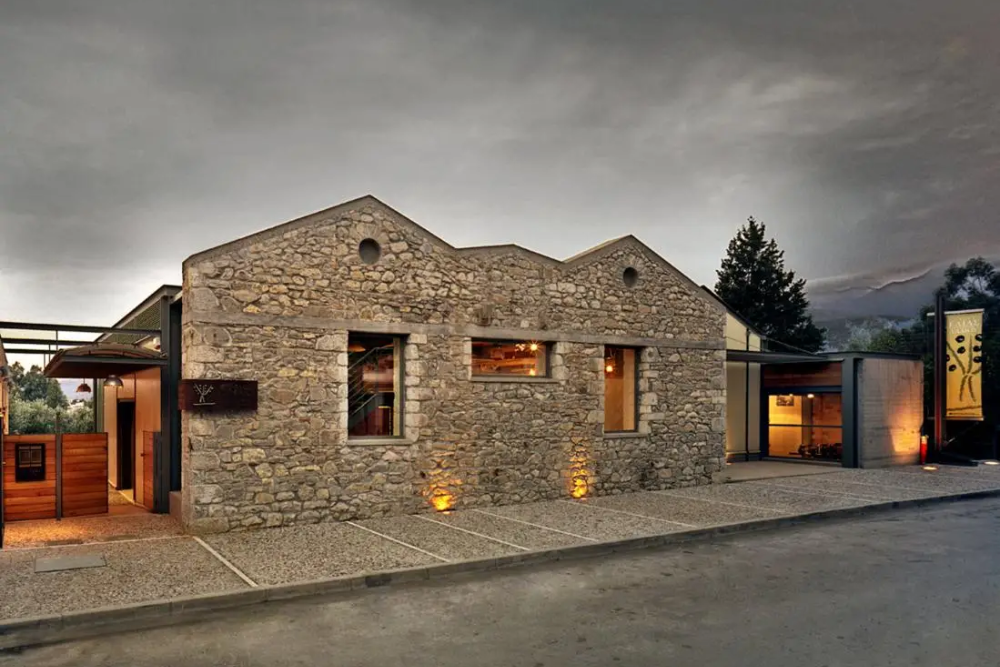
- Sparta’s economy was generally attached to olive development, and the Gallery of the Olive and Greek Olive Oil gives an inside and out investigate this significant piece of the locale’s legacy. The exhibition hall is situated close to the town place and features the whole history of olive oil creation, from antiquated Greece to present day times. Guests can find out about the procedures used to develop olives, the different olive oil assortments, and the job this brilliant fluid played in Greek culture. The gallery likewise includes displays on the farming meaning of olives in Sparta and offers tastings of nearby olive oils.
Mystras (Mistra)
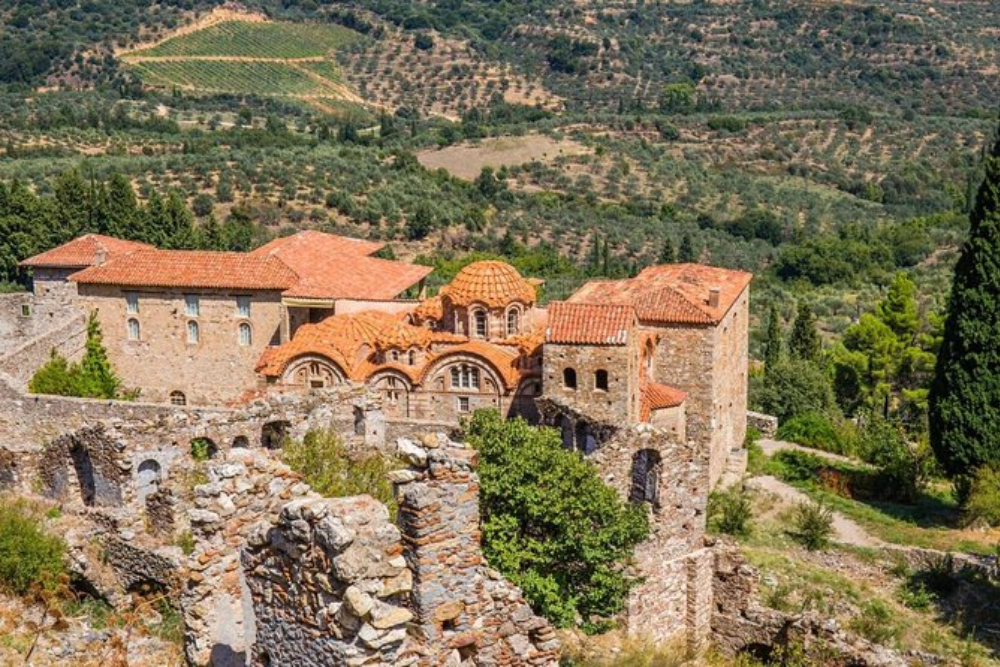
- An UNESCO World Legacy Site, Mystras is a priority fascination simply a short drive from Sparta. This middle age Byzantine post town once filled in as the capital of the Despotate of the Morea, a Byzantine territory in the fourteenth and fifteenth hundreds of years. The site is renowned for its very much protected places of worship, cloisters, and castles, and it offers all encompassing perspectives on the encompassing valley and mountains. Among its most remarkable milestones are the Castle of the Dictators, the City Church, and the Cloister of Pantanassa, all of which show lovely Byzantine engineering and craftsmanship.
The Statue of King Leonidas
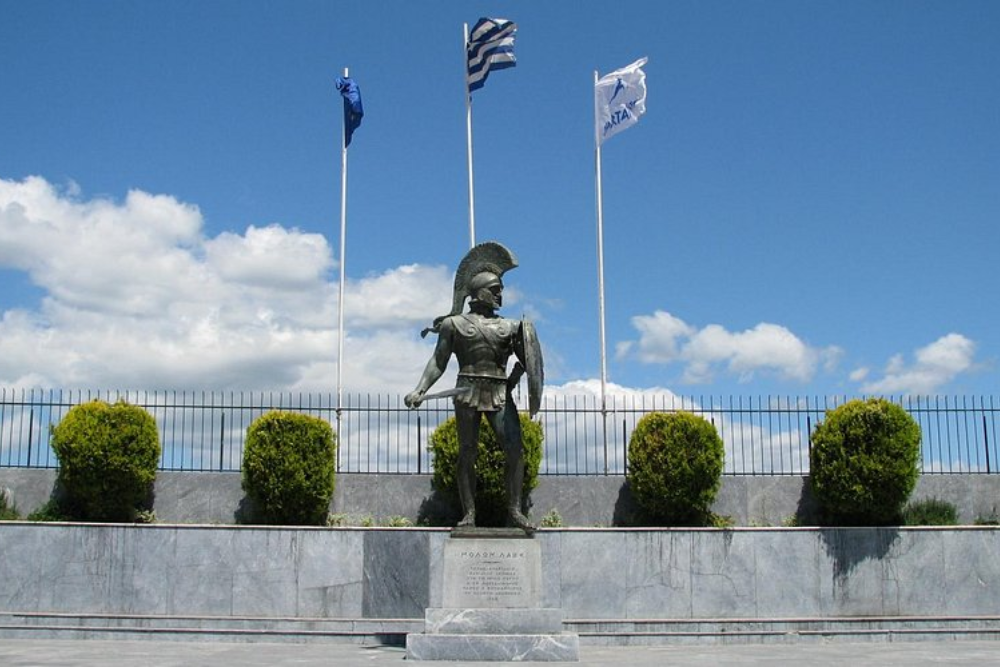
- Seemingly one of the most notable images of Sparta is the Sculpture of Lord Leonidas, which stands gladly in the advanced town community. This bronze sculpture recognizes the gallant Ruler Leonidas I, who drove the 300 Spartans against the Persian armed force at the Clash of Thermopylae in 480 BC. The sculpture is a recognition for the grit and generosity of the Spartans and has turned into an image of the city’s fighter soul. Remaining close to this sculpture, guests can ponder the significance of the Skirmish of Thermopylae in molding both Greek and world history.
The Spartan War Museum
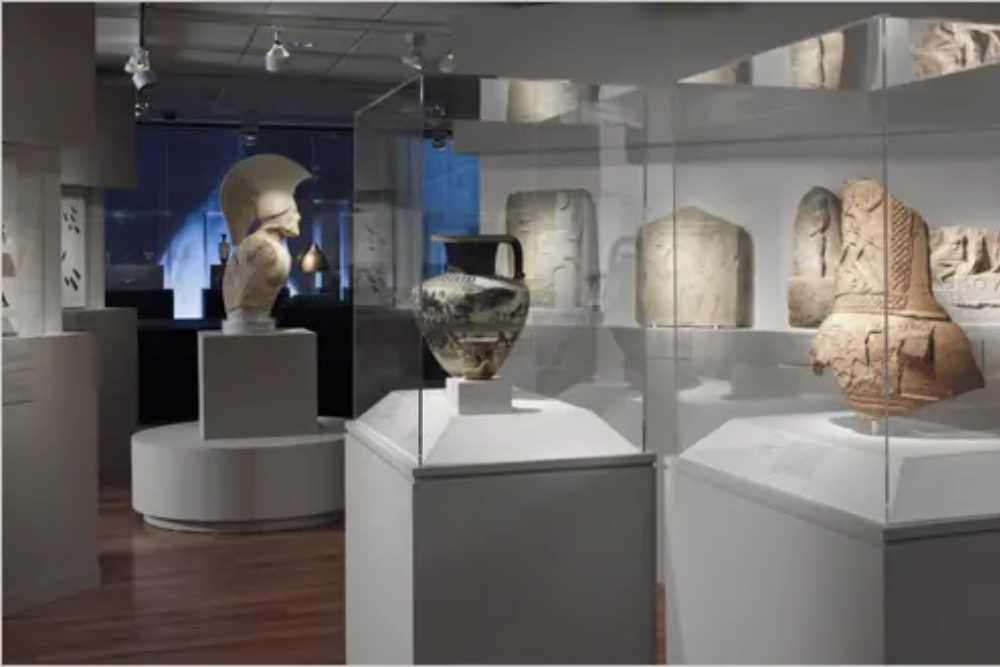
- For the individuals who need to plunge further into Sparta’s tactical history, the Simple Conflict Historical center offers a useful and connecting with experience. The historical center grandstands an assortment of curios from Sparta’s tactical past, including weapons, protective layer, and models of old Straightforward champions. It likewise covers the historical backdrop of Straightforward fighting, including the renowned phalanx development and the hero ethos that made the Spartans dreaded all through the antiquated world.
The Olive Grove of Sparta
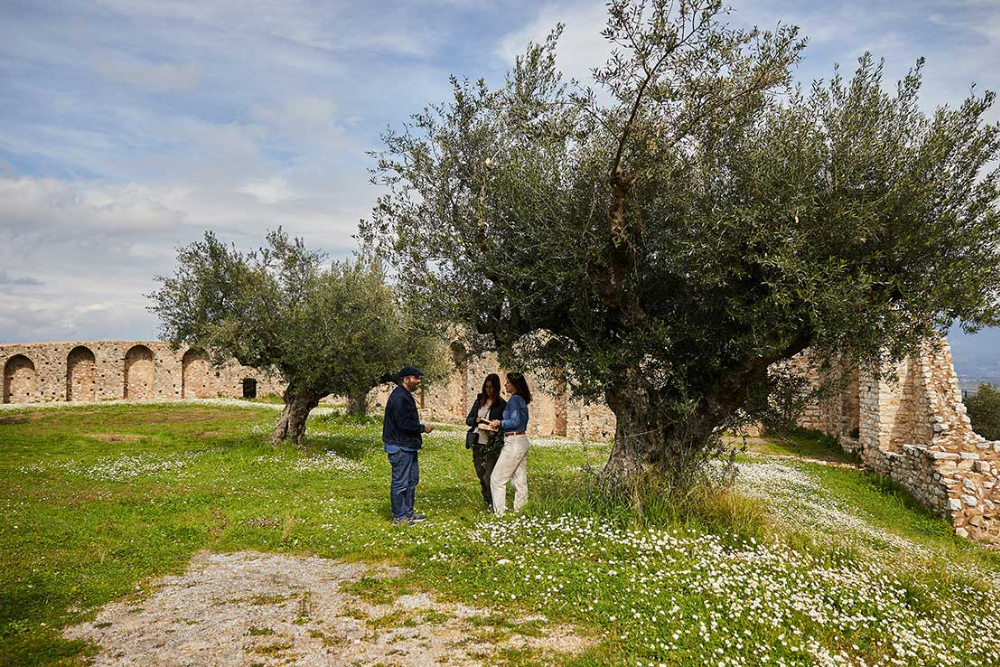
- The Olive Woods of Sparta offers guests the opportunity to investigate one of the biggest and most popular olive forests in Greece. The old trees, some of which are more than 2,000 years of age, give a brief look into the farming underlying foundations of the Simple progress. Guests can stroll through the woods and find out about the development and reaping strategies that have been passed down for ages.
Dos and Don’ts in Sparta
When visiting Sparta, it’s essential to follow some general dos and don’ts to ensure a respectful and enjoyable experience:
Dos
- Do Explore the Ancient Ruins: Get some margin to visit the Archeological Site of Antiquated Sparta and investigate the old remnants, including the Asylum of Artemis Orthia, Sanctuary of Athena Chalkioikos, and Simple Marketplace. It’s an incredible method for interfacing with the historical backdrop of this unbelievable city-state.
- Do Visit Mystras: Try not to botch the valuable chance to investigate Mystras, an UNESCO World Legacy site. The Byzantine stronghold town offers staggering perspectives and captivating verifiable destinations, like the Castle of the Dictators and Cloister of Pantanassa.
- Do Respect Local Traditions: Sparta has a rich social legacy, so be conscious while visiting verifiable or strict locales. Humility is valued, particularly while visiting holy places or religious communities.
Don’ts
- Don’t Disturb the Archaeological Sites: While investigating old remains, be mindful so as not to contact or harm any of the antiques or designs. Conservation is vital to guaranteeing these verifiable fortunes stay in salvageable shape.
- Don’t Forget to Follow Local Etiquette: Greece has severe normal practices, particularly in strict or consecrated spaces. Continuously extend regard by dressing unobtrusively while visiting holy places or religious communities. Shoulders and knees ought to be covered.
- Don’t Litter: Likewise with any objective, try not to abandon rubbish. Keep the climate clean, particularly around antiquated ruins and outside attractions.
Best time to reach in Sparta
The best time to visit Sparta is during the spring (April to June) and autumn (September to October) months. Here’s why these seasons are ideal:
Spring (April to June):
- Spring brings lively blossoms and lavish scenes, upgrading the excellence of the encompassing open country and the verifiable locales like Mystras.
- Since it’s before the pinnacle vacationer season, you’ll experience less groups, taking into consideration a more tranquil and vivid involvement with Sparta’s verifiable tourist spots.
Autumn (September to October):
- Fall is an extraordinary opportunity to encounter the nearby collects, particularly for olive oil and wine, the two of which are critical in the locale.
- As summer the travel industry slows down, you’ll have a more loosened up experience without the huge summer swarms, particularly at well known destinations like the Safe-haven of Artemis Orthia.
Summer (July and August):
- While summer offers warm, radiant climate (frequently surpassing 30°C/86°F), it tends to be exceptionally blistering for open air exercises, especially at archeological locales. The groups can likewise be overpowering in top months.
- The mid year intensity can make touring a piece self-conscious, especially during noontime, so early morning or late evening visits are suggested if going during this time.
Winter (November to March):
- Cold weather months can be very cold, with temperatures going from 5°C to 15°C (41°F to 59°F), making outside investigation less charming.
- A few attractions and organizations might be shut or have restricted hours during the slow time of year, and it may not be the best time for those looking for energetic neighborhood encounters.