




Introduction
Argos is a city in the northeastern piece of the Peloponnese promontory in Greece, known for its rich history and archeological importance. It is quite possibly of the most seasoned consistently occupied city on the planet, with attaches returning to the ancient period. Argos assumed a noticeable part in old Greek history, especially in the Mycenaean time frame, when it was a significant focal point of culture and governmental issues. The city is renowned for its all-around protected ruins, including the antiquated theater, the Sanctuary of Apollo Epicurius, and the Acropolis of Argos. Today, Argos is a cutting edge city with a dynamic social life, filling in as an entryway for investigating the archeological marvels of the locale.
Hiking to the Acropolis of Argos
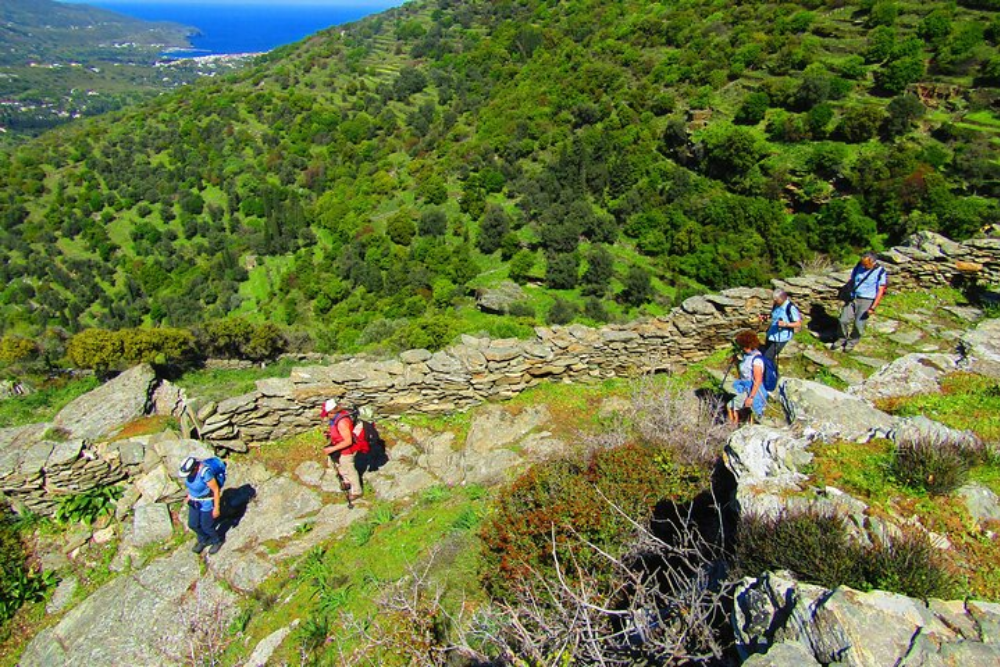
• The Acropolis of Argos is a conspicuous archeological site roosted on a slope, offering a mix of experience and history. Climbing to the top can be difficult for the individuals who appreciate outside exercises. As you rise, you’ll encounter marvelous perspectives on the encompassing open country and the old demolishes that uncover the city’s essential significance. Once at the top, you can investigate the old strongholds, including the Sanctuary of Athena, offering a brief look into the city’s old cautious designs.
Ancient Mycenae
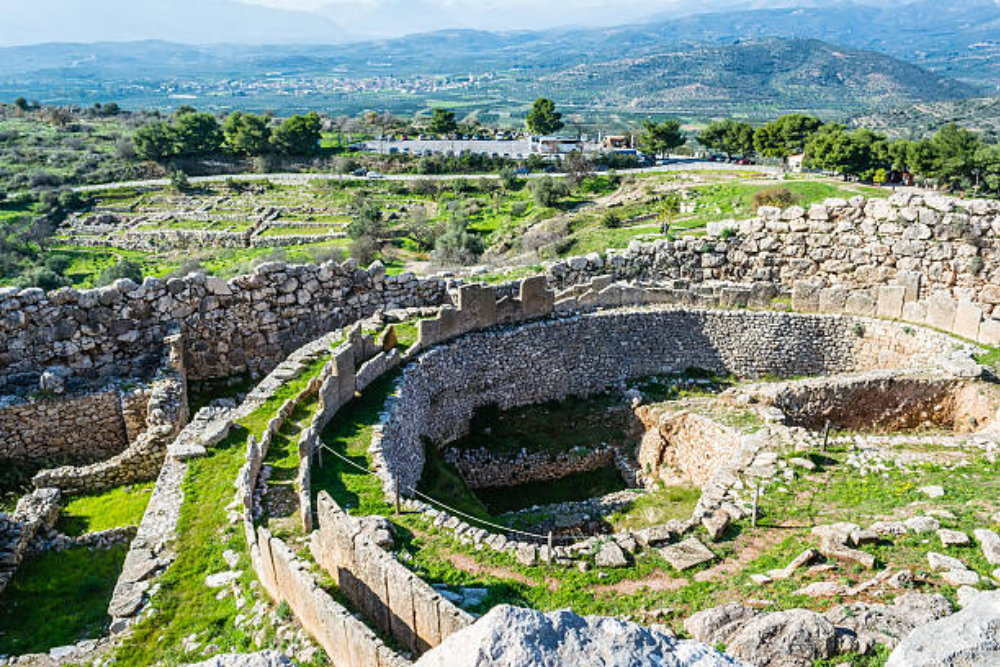
• Simply relatively close to Argos, the old site of Mycenae is a must-visit for experience searchers. Known for its popular Lion Entryway and gigantic archeological designs, Mycenae offers an opportunity to stroll through the leftovers of a once-strong human progress. You can investigate the Illustrious Burial places and the monstrous Cyclopean walls, all while diving into the fanciful associations, including the legend of Ruler Agamemnon. The excursion through the remains can feel like an expedition, finding relics and secret pieces of old history.
Caving in the Cave of the Lakes (Diros Cave)

• A short drive from Argos, the Cavern of the Lakes offers a gutsy involvement in its underground waterways and noteworthy tapered rocks and stalagmites. The cavern framework is tremendous and the visit, which incorporates a boat ride through the underground waterway, offers a scary yet enrapturing experience. The dull, repeating chambers make a feeling of investigation, and the revelation of its regular magnificence is both exciting and dazzling.
Rafting on the River Lousios

• For water experience aficionados, boating along the Lousios Stream in the close by mountains is an astonishing movement. The stream slices through sensational chasms, offering a tomfoolery and testing course through rough scenes. The excitement of exploring the rapids, encompassed by the regular magnificence of the woods and bluffs, makes this an invigorating experience. The course likewise offers potential chances to investigate stowed away cloisters along the stream, adding a social component to the adrenaline rush.
Cycling in the Argolid Peninsula

• Cycling around the Argolid Promontory is an ideal experience for those hoping to investigate the locale’s normal excellence at their own speed. The region is known for its different scenes, including olive forests, pleasant slopes, and beach front streets. Spinning courses take you through towns, past old remnants, and along the shores of the Argolic Bay, making so that a thrilling and vivid way might be able to see the best of Argos and its environmental elements.
The Ancient Theater of Argos
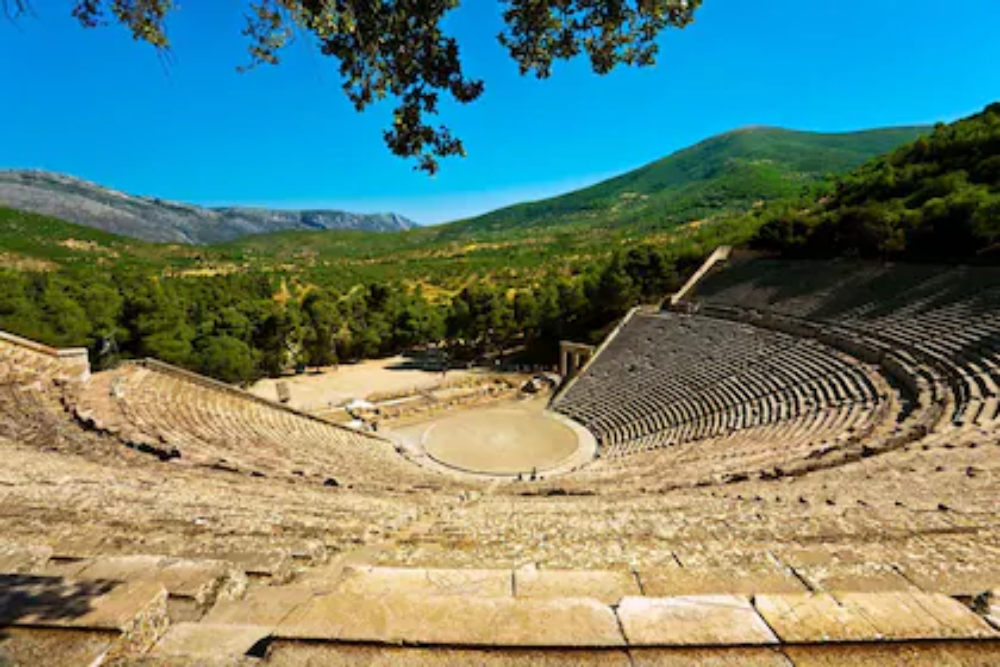
• Perhaps of the main fascination in the city is the Old Performance center of Argos, an exceptional site that traces all the way back to the fourth century BC. With a seating limit of 20,000 observers, it is quite possibly of the biggest old venue in Greece. The theater is as yet utilized for exhibitions today, and guests can partake in a brief look into the social existence of old Argos while wondering about its great acoustics and the very much protected design.
The Temple of Apollo Epicurius at Bassae
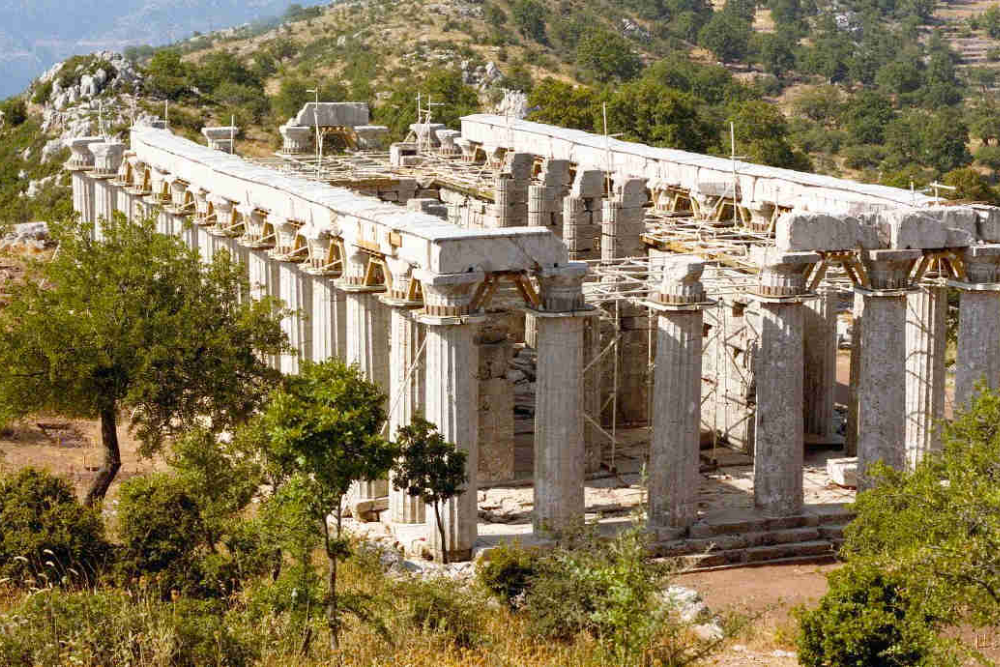
• Arranged close to Argos, this UNESCO World Legacy Site is perhaps of the best-saved antiquated sanctuary in Greece. Implicit the fifth century BC, it was committed to Apollo Epicurius and is known for its remarkable engineering plan, which mixes Doric, Ionic, and Corinthian styles. The sanctuary’s area high in the mountains gives a tranquil air, with stunning perspectives on the encompassing scene. The site’s archeological importance and its staggering remains make it an unquestionable requirement for history buffs.
The Archaeological Museum of Argos
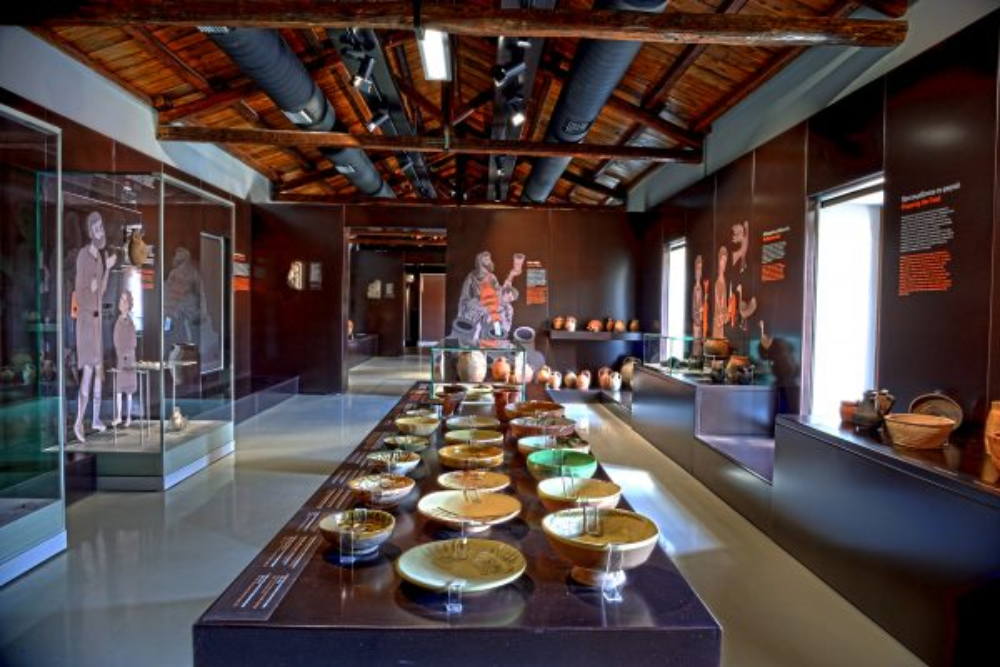
• To completely comprehend the rich history of Argos, a visit to the Archeological Historical center is fundamental. The gallery houses antiques from different periods, including the Mycenaean, Traditional, and Greek times. Remarkable shows incorporate models, earthenware, adornments, and instruments that give knowledge into the day to day routines of old Greeks. The historical center is an astounding spot to dig further into the historical backdrop of Argos and its job in old Greek progress.
The Palamidi Fortress
• The Palamidi Post is a Venetian-period fortification situated on a ridge above Argos, offering all-encompassing perspectives on the city and the encompassing region. Underlying the mid eighteenth hundred years, the fort comprises of different strongholds, doors, and cautious walls. Guests can climb up to the fort for terrific perspectives, or on the other hand, drive up to investigate the very much protected structures and find out about its authentic importance in both Venetian and Greek history.
The Larisa Fortress

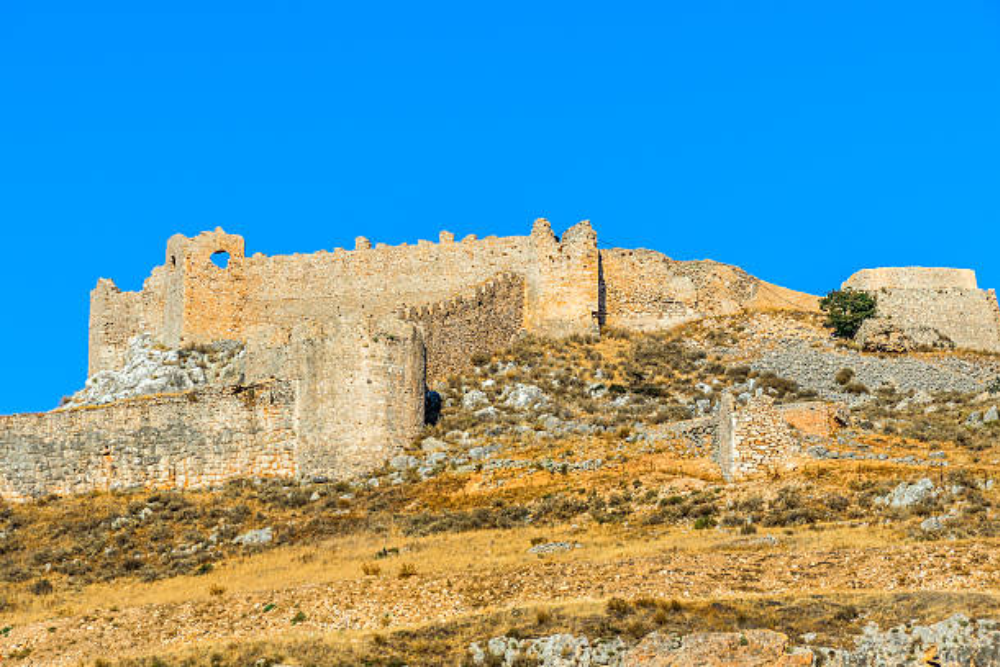
• Arranged in the core of Argos, the Larisa Fort is a noticeable milestone sitting above the city. It was worked during the Byzantine period and has been utilized since the beginning of time by different developments. The stronghold is very much safeguarded and offers guests an opportunity to stroll along its walls, appreciate sees over the cutting edge city, and find out about its verifiable significance. The site’s mix of history, staggering perspectives, and openness makes it one of the most amazing spots to visit in Argos.
Dos and Don’ts in Argos
Dos
- Do Respect the Archaeological Sites
Argos is home to numerous ancient sites, including the Acropolis, Ancient Theater, and Mycenae. Always follow the rules at these locations, such as avoiding touching the ruins or standing on them. Stay on designated paths to preserve these historical treasures for future generations. - Do Learn Some Basic Greek Phrases
While many people in Argos speak English, making an effort to learn a few basic Greek phrases can go a long way in enhancing your experience. Simple greetings like “Kalimera” (Good morning) and “Efharisto” (Thank you) will be appreciated. - Do Enjoy Local Cuisine
Argos is famous for its Greek cuisine. Don’t miss out on local specialties like souvlaki, moussaka, and fresh seafood. Enjoying a meal in a local taverna is a great way to experience Greek culture.
Don’ts
- Don’t Engage in Public Displays of Affection
While Greece is generally a liberal country, excessive public displays of affection, such as heavy kissing or touching, are best kept private in more traditional areas like Argos. Be mindful of local cultural norms. - Don’t Wear Revealing Clothing at Religious Sites
When visiting churches, monasteries, or sacred sites, it’s important to dress modestly. Avoid wearing shorts, skirts above the knee, or sleeveless tops when entering these locations. Carry a scarf or shawl to cover your shoulders if needed. - Don’t Ignore Local Traffic Rules
While driving in Argos, make sure to follow local traffic rules. Greek drivers can be more relaxed about speed limits, but pedestrians have the right of way in most cases. Always watch out for scooters and motorcycles, which are common in the city.
Best time to reach in Argos
1. Spring (April to June) Spring is considered one of the best times to visit Argos, as the weather is mild and comfortable, with temperatures ranging from 15°C to 25°C (59°F to 77°F). This season also brings beautiful wildflowers and lush greenery, perfect for outdoor activities like hiking and exploring the ancient ruins. Additionally, spring is before the peak tourist season, so the sites are less crowded.
2. Autumn (September to October) Autumn is another fantastic time to visit, with temperatures ranging from 18°C to 28°C (64°F to 82°F). The weather remains warm but is more pleasant than the scorching summer heat, making it ideal for exploring the archaeological sites and enjoying outdoor adventures. The crowds begin to thin out, allowing for a more relaxed experience compared to the summer months.
3. Summer (July to August) While summer (especially July and August) is the peak tourist season, with warm to hot temperatures (28°C to 35°C or 82°F to 95°F), it can still be a good time to visit if you enjoy lively atmospheres. The ancient sites are busy, but there are plenty of cultural events and festivals. However, do be prepared for high heat and large crowds. It’s essential to stay hydrated, wear sunscreen, and visit outdoor sites early in the morning or later in the evening to avoid the hottest part of the day.
4. Winter (November to March) Winter is the off-season in Argos, with temperatures ranging from 7°C to 15°C (45°F to 59°F). While it’s cooler and rainier, this period offers a quieter experience, with fewer tourists and lower accommodation prices. It’s ideal for those looking to avoid the crowds and explore the city’s history and culture at a more leisurely pace. However, some outdoor activities might be limited due to the weather.