


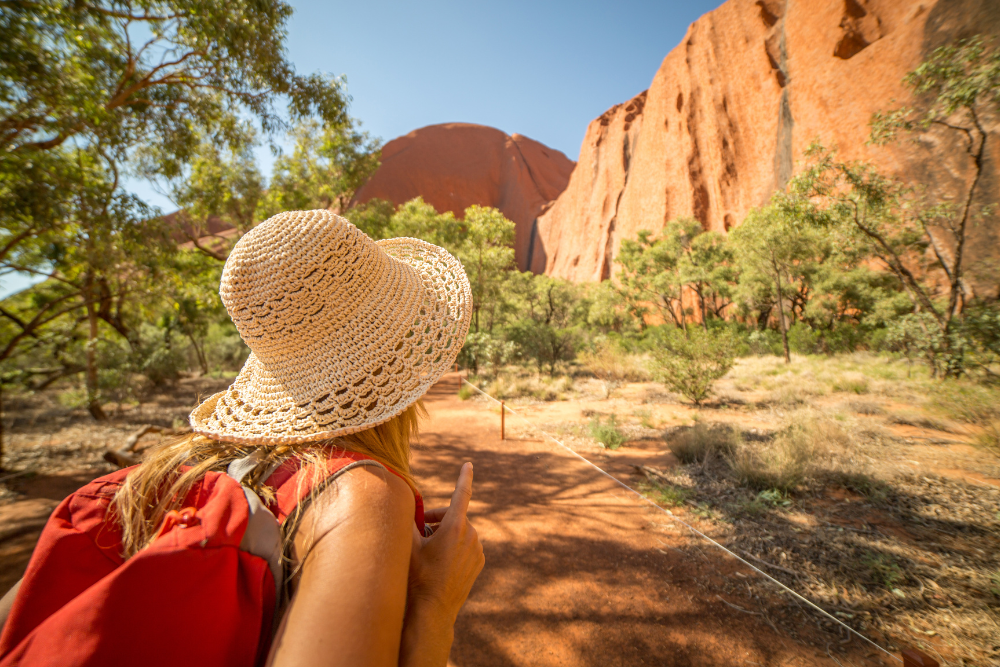

Australia’s Outback is a vast, remote area that offers breathtaking landscapes, rich Indigenous culture, and unique wildlife. From iconic red deserts to stunning rock formations, the Outback is an adventure waiting to be explored. Whether you’re planning a road trip or a guided tour, this guide will help you discover must-see locations and provide essential tips for exploring the Australian Outback.
1. Understanding the Outback

The Outback refers to the remote and sparsely populated interior of Australia. It covers vast areas of desert, scrub, and rocky terrain. Known for its stunning natural beauty, the Outback is also home to diverse wildlife and ancient Indigenous cultures. While the climate can be harsh, with extreme temperatures and limited rainfall, the Outback’s unique landscapes make it a must-visit destination for travelers seeking adventure.
Key Characteristics of the Outback
- Geography: The Outback is characterized by red earth, rugged mountains, and vast open spaces. Major deserts include the Simpson Desert and the Great Victoria Desert.
- Climate: The climate varies from arid to semi-arid, with hot summers and mild winters. Always check weather conditions before planning your visit.
- Culture: The Outback is rich in Aboriginal culture and history. Many areas hold cultural significance to Indigenous communities, making it essential to approach with respect and understanding.
2. Must-See Locations in the Outback
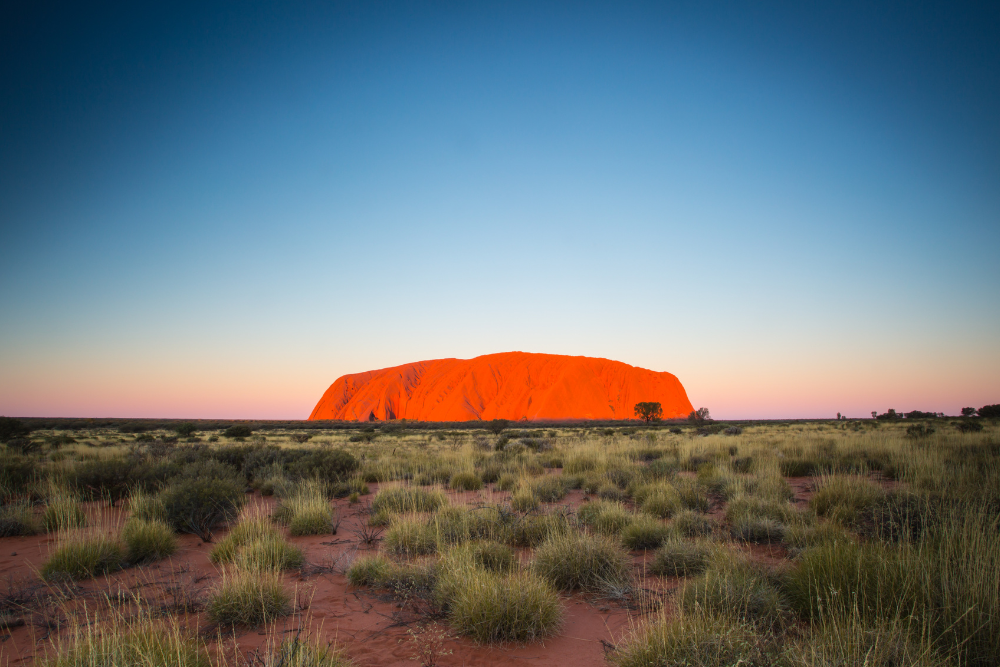
Uluru-Kata Tjuta National Park
Uluru (Ayers Rock) is one of Australia’s most iconic landmarks, rising majestically from the surrounding plains.
- Sunrise and Sunset: Witness the stunning color changes of Uluru at sunrise or sunset, when the rock appears to glow in vibrant shades of red and orange.
- Cultural Tours: Take guided walks with Indigenous rangers to learn about the cultural significance of Uluru and the surrounding landscapes. Respectful engagement with Aboriginal culture enhances your experience.
Kings Canyon
Located in Watarrka National Park, Kings Canyon features dramatic cliffs and lush vegetation.
- Rim Walk: The 6-kilometer Rim Walk offers stunning views of the canyon and surrounding landscapes. Be sure to carry plenty of water, as the hike can be challenging.
- Garden of Eden: This permanent waterhole is a great spot to relax and enjoy the natural beauty. Capture stunning photos of the contrast between the rocky cliffs and lush greenery.
Alice Springs
Alice Springs serves as a gateway to the Outback and is rich in history and culture.
- Cultural Attractions: Visit the Alice Springs Desert Park to learn about desert flora and fauna, as well as Indigenous culture. The Royal Flying Doctor Service Museum is also worth a visit for a glimpse into the region’s history.
- Stargazing: The clear desert skies provide excellent opportunities for stargazing. Join a local tour or simply find a quiet spot to admire the Milky Way.
The MacDonnell Ranges
The MacDonnell Ranges stretch west of Alice Springs and offer stunning landscapes and hiking opportunities.
- Standley Chasm: This narrow gorge is best visited at noon when the sun illuminates the red rock walls. It’s a fantastic spot for photography and exploration.
- Ormiston Gorge: A popular swimming hole surrounded by towering cliffs, Ormiston Gorge is a great place to cool off after a hike.
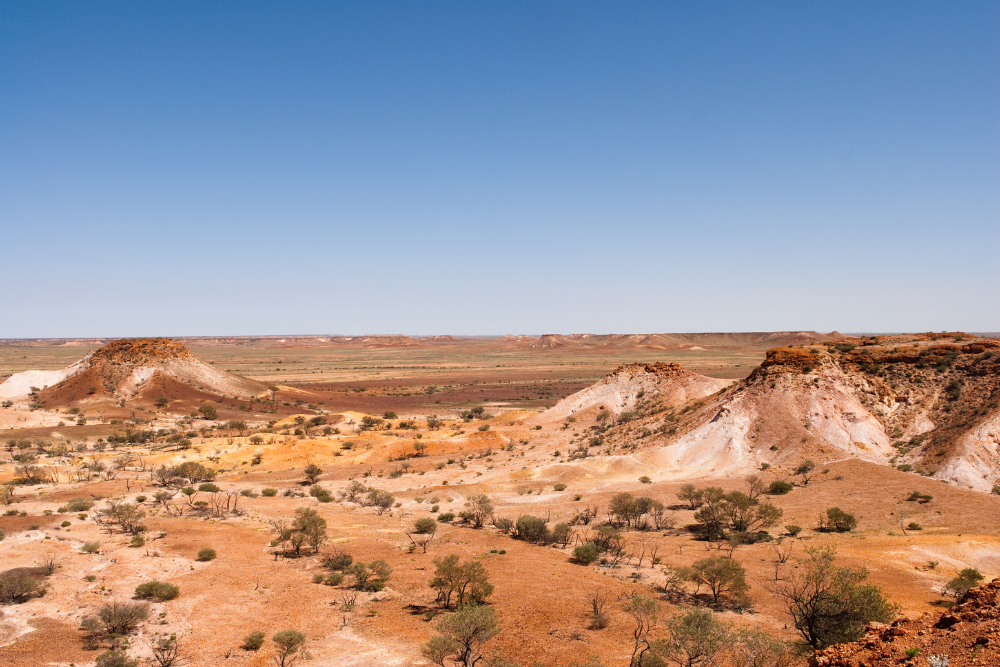
Coober Pedy
Known as the opal capital of the world, Coober Pedy is famous for its underground homes and unique landscapes.
- Underground Accommodation: Experience staying in an underground motel, which offers a cool respite from the heat.
- Opal Mining Tours: Learn about the opal mining process and try your hand at fossicking for opals.
3. Tips for Exploring the Outback
Plan Your Route
Before embarking on your Outback adventure, plan your route carefully. The vast distances between locations can be daunting, so ensure you have a well-thought-out itinerary.
- Popular Routes: The Red Centre Way connects Alice Springs, Kings Canyon, and Uluru, making it a popular choice for road trips. The Oodnadatta Track offers a more adventurous journey through remote landscapes.
- Fuel and Supplies: Fill up on fuel and stock up on supplies before venturing into remote areas. Some stretches of road have limited services.
Choose the Right Time to Visit
The best time to explore the Outback is during the cooler months, from May to September.
- Weather Considerations: Temperatures can soar in the summer months, making outdoor activities challenging. Cooler temperatures during winter offer a more comfortable experience for hiking and sightseeing.
Stay Hydrated and Prepare for Heat
The Outback can be extremely hot, so staying hydrated is essential.
- Water Supply: Always carry plenty of water, especially when hiking. A good rule of thumb is to drink at least 2-3 liters per day.
- Sun Protection: Wear sunscreen, a wide-brimmed hat, and lightweight, breathable clothing to protect yourself from the sun.
Respect Aboriginal Culture
When exploring the Outback, it’s important to respect the Indigenous culture and sacred sites.
- Guided Tours: Consider taking guided tours led by Aboriginal guides. This not only enriches your experience but also supports local communities.
- Cultural Sensitivity: Be mindful of signage indicating sacred areas where photography may not be permitted. Always follow local guidelines and show respect for the land and its people.
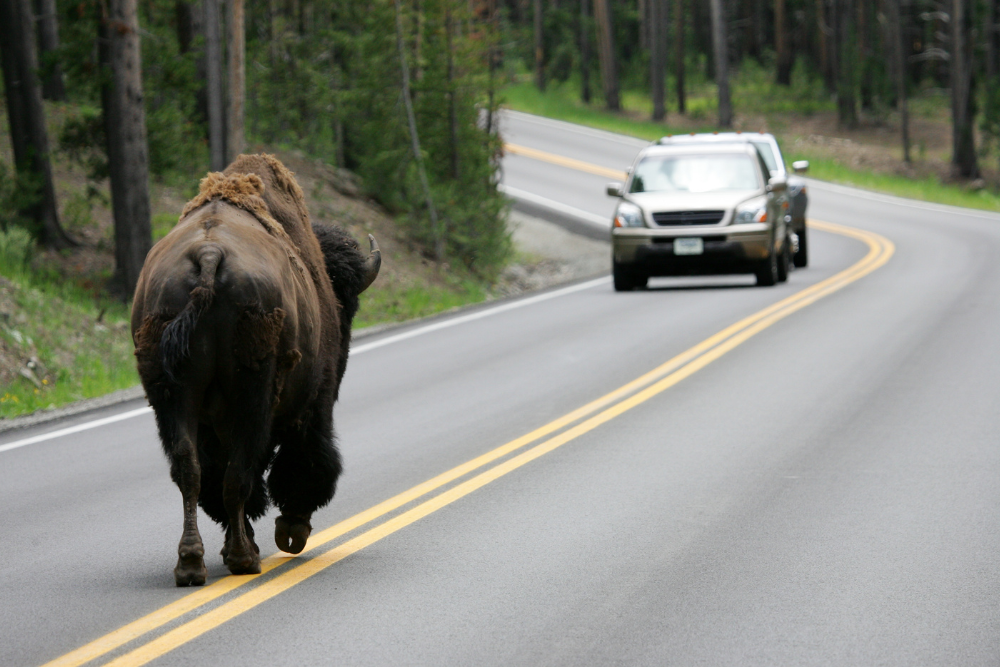
Wildlife Safety
The Outback is home to unique wildlife, including kangaroos, emus, and snakes.
- Wildlife Encounters: Be cautious when driving, especially at dawn and dusk when animals are most active. Always keep a safe distance from wildlife and avoid feeding them.
- Snake Awareness: While encounters with snakes are rare, be cautious when hiking and stick to designated paths.
Accommodation Options
The Outback offers a variety of accommodation options, from campgrounds to luxury lodges.
- Camping: For a true Outback experience, consider camping under the stars. National parks often have designated campgrounds, and many offer facilities such as fire pits and toilets.
- Lodges and Resorts: If camping isn’t your style, there are numerous lodges and resorts throughout the Outback that offer comfortable accommodations with stunning views.
4. Essential Packing List

- Clothing: Lightweight, breathable clothing for the day; warmer layers for the evenings; sturdy hiking boots; and a wide-brimmed hat.
- Camera Gear: A good camera with extra batteries, memory cards, and a tripod for capturing stunning landscapes and night skies.
- First Aid Kit: A basic first aid kit for minor injuries, insect repellent, and any necessary medications.
- Navigation Tools: A GPS device or offline maps on your phone, as some areas may have limited phone reception.
Conclusion
Exploring Australia’s Outback offers an unforgettable adventure filled with stunning landscapes, rich cultural experiences, and unique wildlife encounters. By visiting must-see locations like Uluru, Kings Canyon, and Alice Springs, and following essential tips for a successful trip, you’ll be well-prepared for your Outback journey. So pack your bags, hit the open road, and get ready to discover the magic of Australia’s wild interior.