


Malaysia, a vibrant and diverse nation in Southeast Asia, is not only known for its stunning landscapes and delicious cuisine but also for its rich tapestry of indigenous cultures. Home to over 50 indigenous groups, each with its unique traditions, languages, and lifestyles, Malaysia offers travelers a chance to immerse themselves in a world where ancient customs meet modernity. This travel guide will take you through the fascinating indigenous cultures of Malaysia, highlight key destinations, and provide tips for an enriching experience.
Understanding Malaysia’s Indigenous Peoples
Malaysia’s indigenous peoples, known as “Orang Asli” in Peninsular Malaysia and “Dayak” in Sarawak and Sabah, comprise various ethnic groups. Each group has its distinct cultural practices, beliefs, and languages. The most notable indigenous groups include the Iban, Bidayuh, Kadazandusun, and the Semai, among others. Understanding these cultures is essential to appreciating Malaysia’s identity and heritage.
Key Indigenous Groups
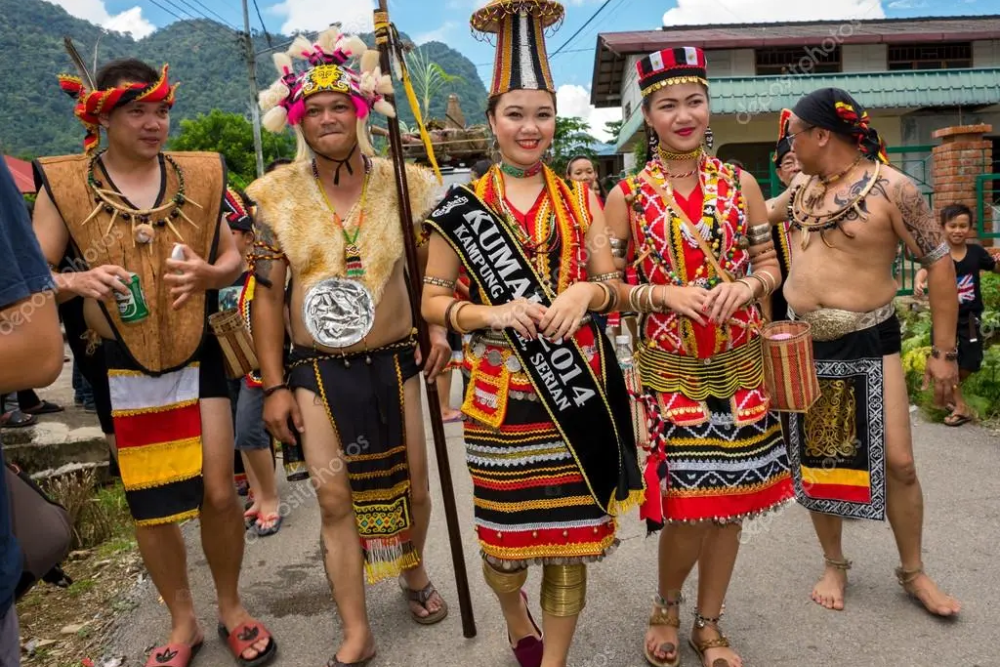
- Orang Asli: The term refers to the various indigenous groups in Peninsular Malaysia, including the Semai, Temuan, and Jakun. Each community has its unique customs, such as traditional music, dance, and crafts.
- Iban: Primarily found in Sarawak, the Iban are known for their longhouses, intricate tattoos, and rich folklore. They practice traditional agriculture and are skilled in weaving and beadwork.
- Kadazandusun: This group predominantly inhabits Sabah and is known for its vibrant festivals, such as the Kaamatan Harvest Festival. They are also famous for their traditional music and dances.
- Bidayuh: Residing mainly in the southwestern region of Sarawak, the Bidayuh are recognized for their traditional bamboo longhouses and skilled farming practices.
Top Destinations to Experience Indigenous Cultures
1. Peninsular Malaysia: The Heart of Orang Asli Culture
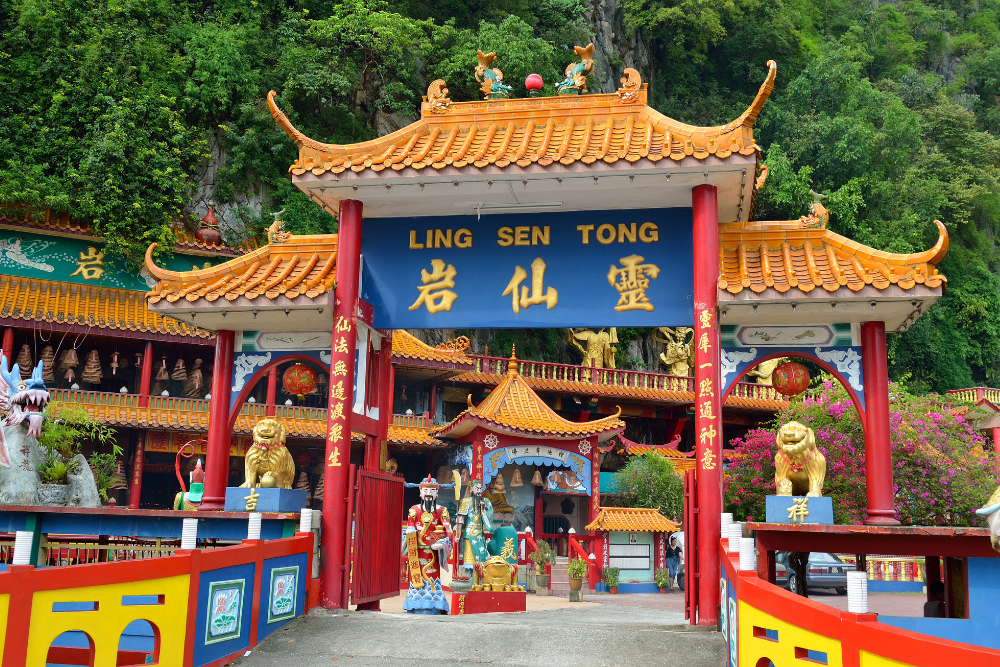
Gopeng, Perak
Gopeng is an excellent starting point to explore the cultures of the Orang Asli. Here, visitors can engage in eco-tours that include cave explorations and jungle treks, often led by local guides who share stories about their heritage and traditional practices.
Temenggor Lake, Perak
This serene lake is surrounded by dense rainforest and is home to several Orang Asli communities. Visitors can participate in village homestays, where they can learn traditional crafts, such as weaving and fishing, directly from the locals.
2. Sarawak: A Cultural Mosaic
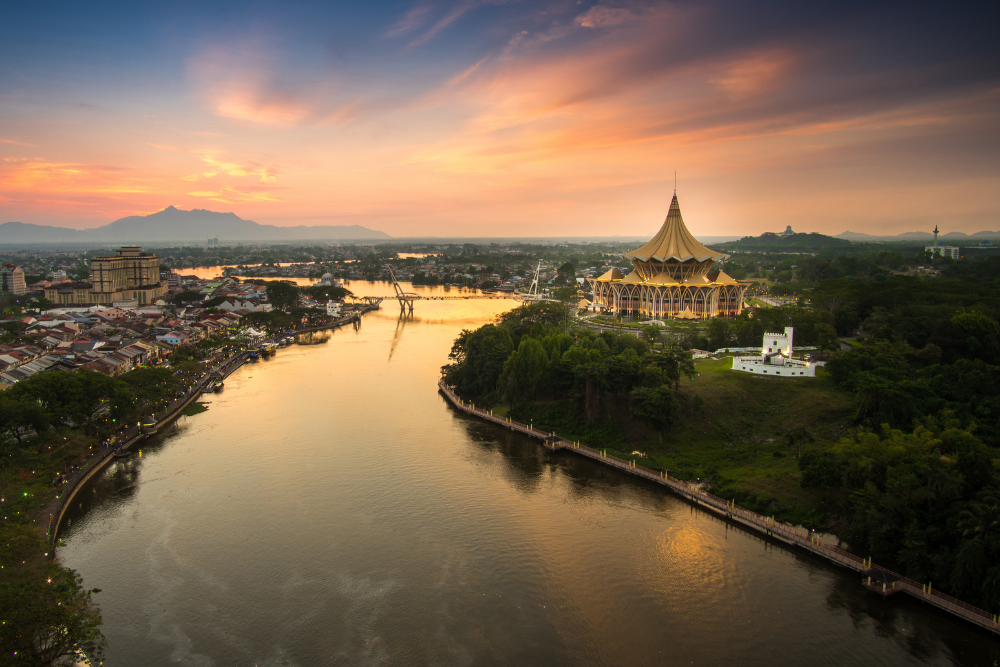
Kuching
The capital of Sarawak, Kuching, serves as a gateway to indigenous culture. Visit the Sarawak Cultural Village, where you can experience traditional longhouses and cultural performances. The village showcases the lifestyles of various ethnic groups, including the Iban, Bidayuh, and Orang Ulu.
Bako National Park
This national park is not only famous for its wildlife but also for its proximity to indigenous communities. Take guided tours led by local guides who can share insights into the traditional uses of plants and animals in their daily lives.
3. Sabah: The Land of the Kadazandusun
Kota Kinabalu
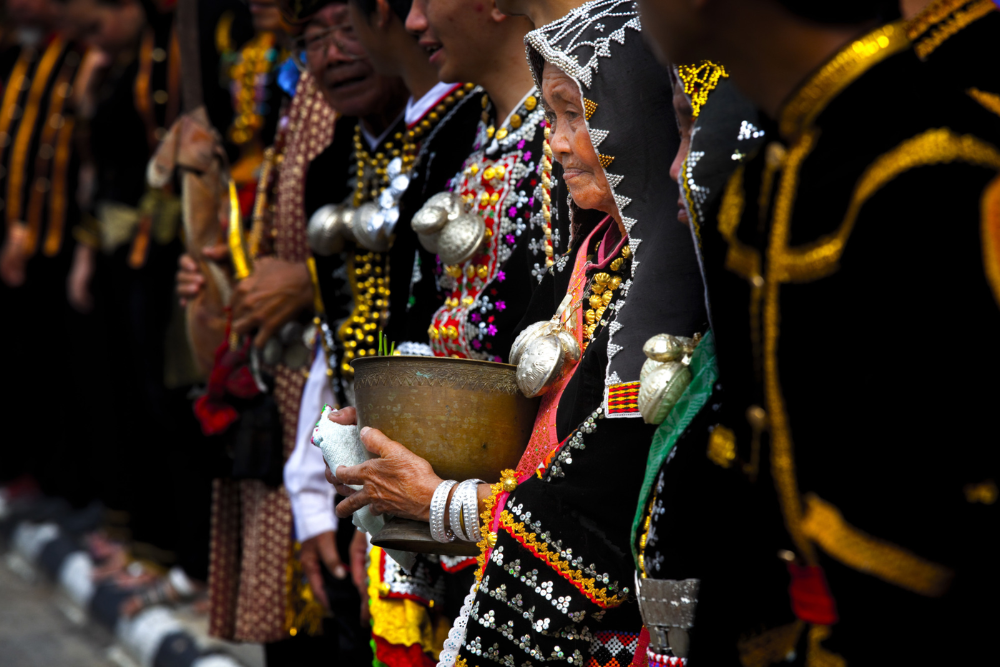
Start your journey in Kota Kinabalu, the capital of Sabah, which hosts the annual Kaamatan Festival in May. This vibrant celebration includes traditional dances, music, and food, providing a fantastic opportunity to experience Kadazandusun culture firsthand.
Tambunan
Located in the highlands, Tambunan is a cultural hub for the Kadazandusun. Visitors can explore traditional longhouses, participate in rice planting, and taste local delicacies like hinava, a traditional fish salad.
Experiencing Indigenous Culture: Activities and Festivals
1. Cultural Festivals
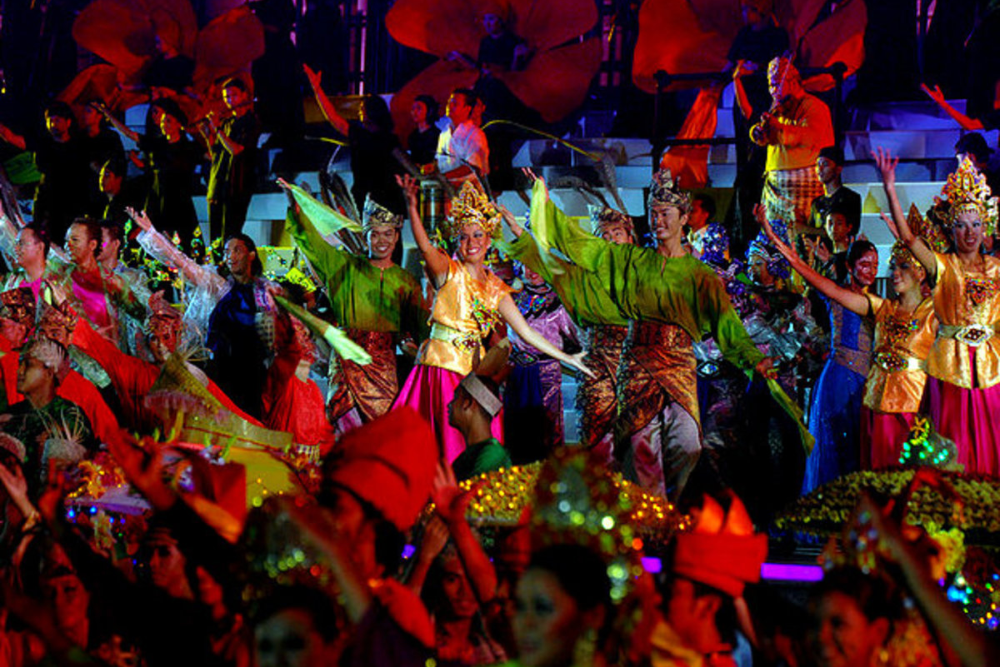
Participating in cultural festivals is one of the best ways to immerse yourself in indigenous traditions. Notable festivals include:
- Kaamatan Harvest Festival: Celebrated in Sabah, this festival honors the rice harvest with traditional music, dance, and rituals.
- Gawai Dayak: This festival marks the end of the rice harvest among the Dayak people of Sarawak and includes feasting, music, and communal celebrations.
2. Homestays and Eco-Tours
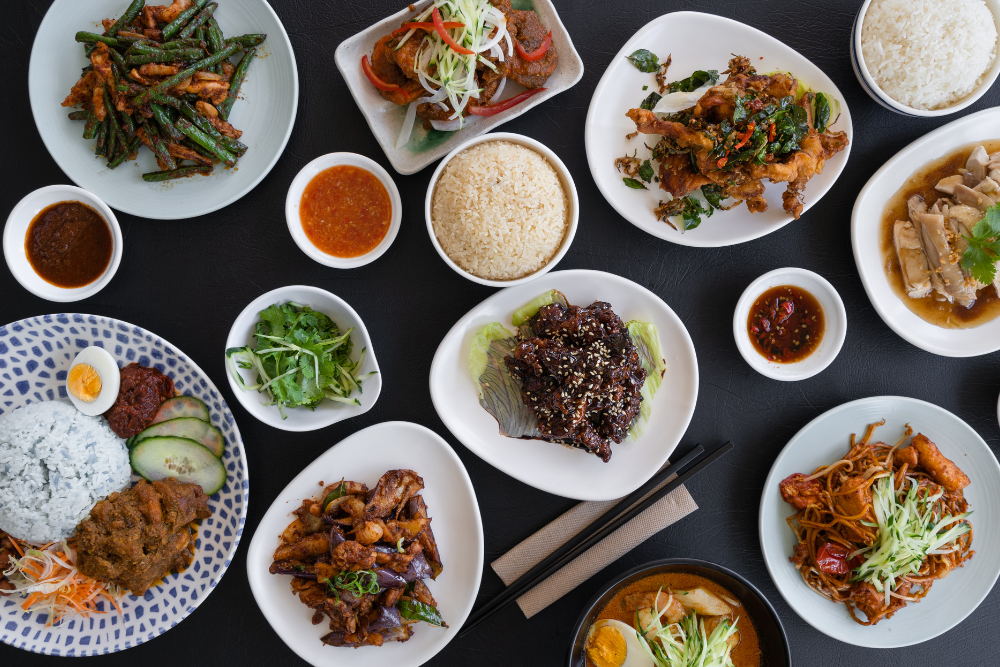
Homestays with indigenous families offer travelers a unique insight into daily life. Engage in activities such as:
- Traditional Cooking: Learn to prepare local dishes using indigenous ingredients and cooking methods.
- Craft Workshops: Participate in workshops to learn traditional crafts, such as beadwork, weaving, or tattoo art.
3. Guided Nature Tours

Explore the lush rainforests and vibrant ecosystems of Malaysia with indigenous guides. They possess invaluable knowledge about the flora and fauna, as well as traditional uses of various plants. Activities may include:
- Jungle Trekking: Guided treks through the rainforest provide an opportunity to learn about traditional hunting, foraging, and medicinal plants.
- Wildlife Spotting: Discover unique wildlife, such as orangutans, proboscis monkeys, and exotic birds, often with insights from local guides.
Respecting Indigenous Cultures
When exploring indigenous cultures, it’s vital to approach your experience with respect and sensitivity. Here are some essential tips:
- Ask for Permission: Always ask for permission before taking photographs of people or their property. Respect their privacy and cultural practices.
- Participate Actively: Engage in activities and rituals with an open mind and willingness to learn. This enhances your experience and shows respect for their traditions.
- Support Local Economies: Purchase handicrafts directly from artisans and consider staying in homestays to support indigenous communities.
Conclusion: Embrace the Richness of Indigenous Cultures
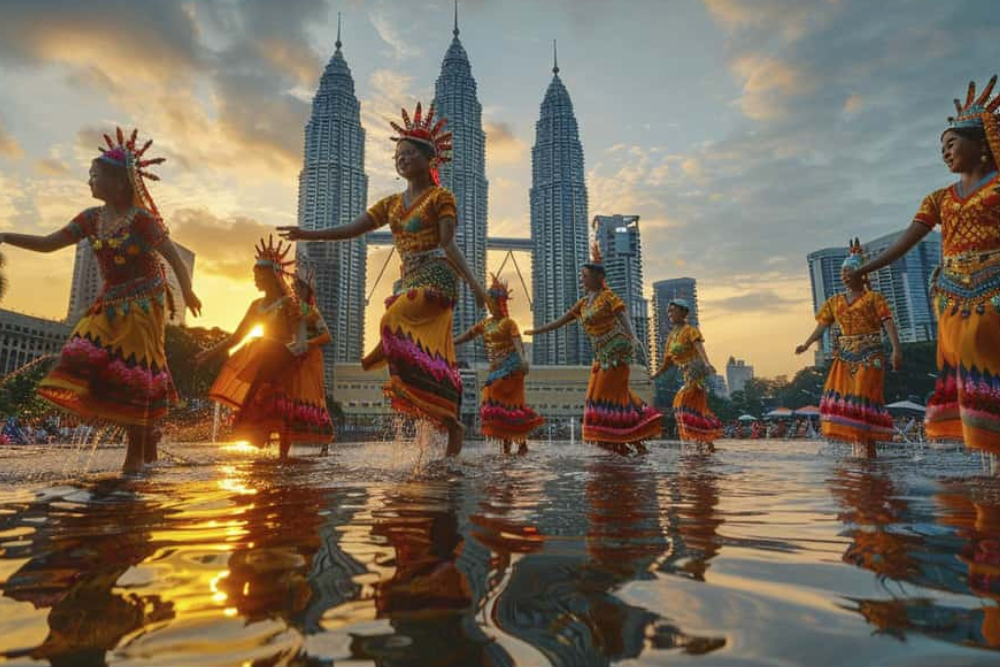
Exploring Malaysia’s indigenous cultures offers a unique opportunity to connect with the country’s deep-rooted heritage and diverse communities. From the Orang Asli of Peninsular Malaysia to the vibrant tribes of Sarawak and Sabah, each group provides travelers with a glimpse into a world of ancient traditions and modern adaptations. By immersing yourself in these cultures through festivals, homestays, and guided tours, you will not only enrich your travel experience but also contribute to the preservation of these invaluable cultural heritages.
As you plan your journey through Malaysia, remember that the true essence of travel lies in understanding and appreciating the world’s diverse cultures. Embrace the warmth and wisdom of Malaysia’s indigenous peoples, and let their stories and traditions inspire you long after your travels have ended. Whether you’re hiking through dense rainforests, participating in traditional ceremonies, or sharing a meal with local families, the experiences await you will be both transformative and unforgettable.