


Introduction
Scandinavia, known for its natural beauty and rich history, is home to a number of UNESCO World Heritage Sites that offer a window into the region’s diverse cultural, architectural, and environmental heritage. These sites range from ancient Viking settlements to awe-inspiring natural wonders, all preserving the unique stories and landscapes of the Nordic countries.
This guide will take you through the must-visit UNESCO World Heritage Sites across Sweden, Norway, Denmark, Finland, and Iceland, providing insight into the significance of each place and tips on how to explore them.
Denmark
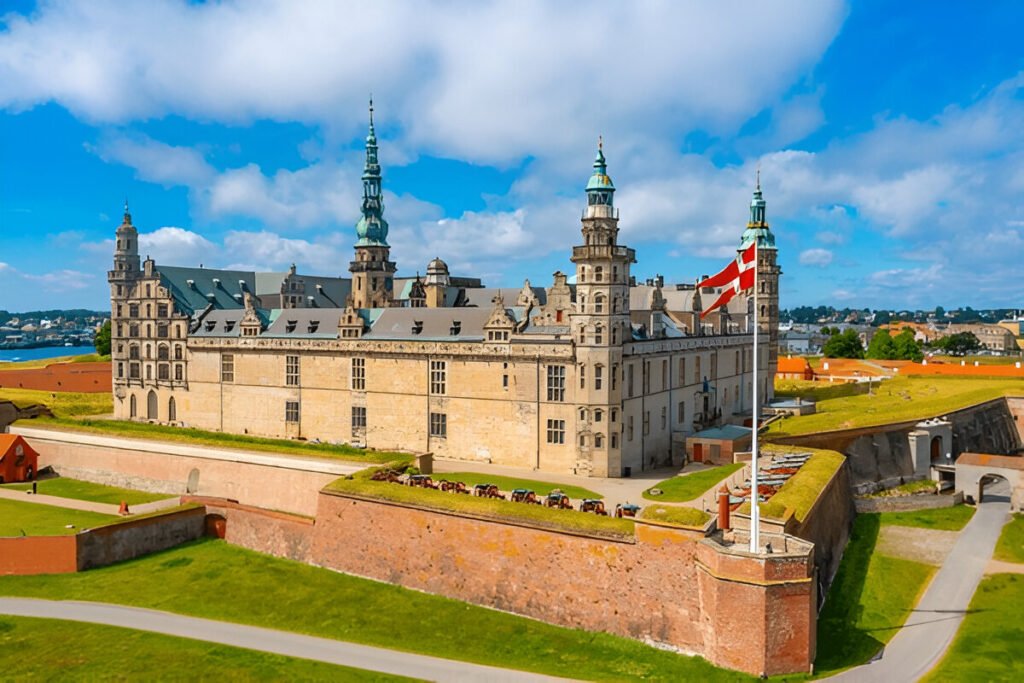
1. Kronborg Castle, Helsingør
Kronborg Castle, located in Helsingør, Denmark, is perhaps best known as the setting for Shakespeare’s “Hamlet.” This Renaissance fortress is a testament to Denmark’s historical importance as a maritime power in the 16th century.
Highlights:
- The castle’s imposing architecture and strategic location by the Øresund Strait.
- The “Hamlet” connection, with performances and tours bringing the play to life.
- The casemates and underground chambers, which give visitors a glimpse into the castle’s military history.
Best Time to Visit:
Summer months, when the Hamlet performances are held, making for a truly immersive experience.
2. Roskilde Cathedral, Roskilde
Roskilde Cathedral, a magnificent example of brick Gothic architecture, served as the burial site for Danish kings and queens for over 1,000 years. This cathedral is a UNESCO World Heritage Site not only for its architectural significance but also for its rich history as a royal burial site.
Highlights:
- The cathedral’s beautiful frescoes and stained glass windows.
- The impressive Viking Ship Museum nearby, where you can see authentic Viking ships.
- The peaceful atmosphere of the cathedral and its surroundings.
Best Time to Visit:
The summer months are ideal, as you can also explore the Viking Ship Museum, which is often paired with a visit to the cathedral.
Sweden
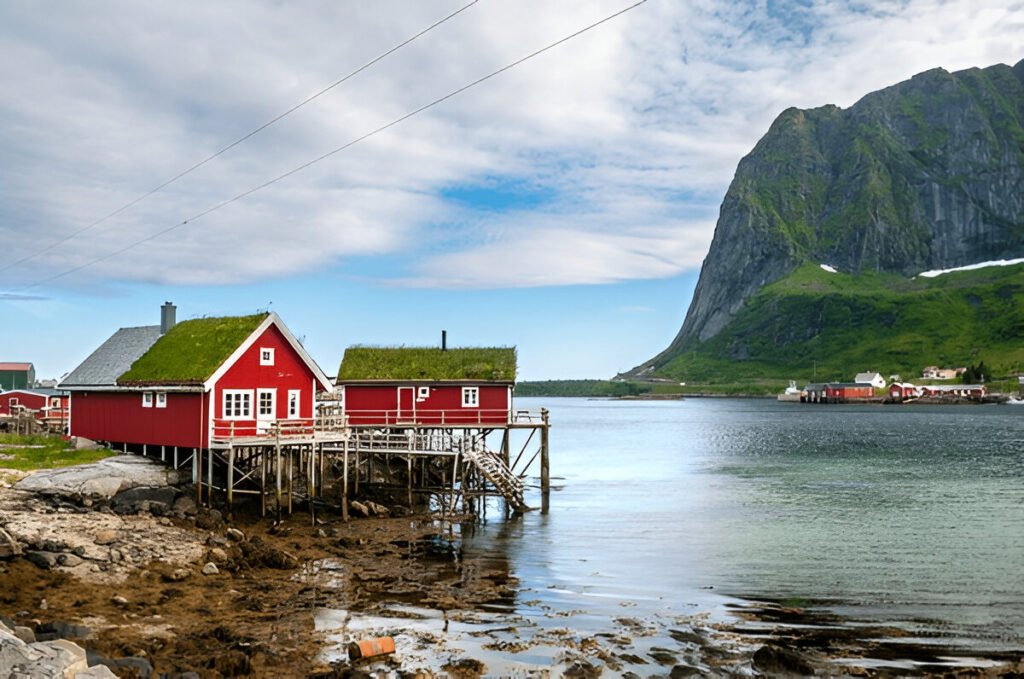
3. The Birka Viking Settlement, Lake Mälaren
Located on the island of Björkö in Lake Mälaren, Birka was a thriving Viking trading settlement from the 8th to 10th centuries. This site offers a fascinating glimpse into the life of the Vikings and their influence on European trade and culture.
Highlights:
- The archaeological site, where you can see burial mounds and remnants of Viking houses.
- The Birka Museum, which showcases artifacts from the Viking era.
- The peaceful surroundings of the island, which are perfect for exploring on foot or by bike.
Best Time to Visit:
Late spring and summer, when boat tours to Birka are available from Stockholm.
4. The Royal Domain of Drottningholm, Stockholm
The Royal Domain of Drottningholm, located just outside Stockholm, is the private residence of the Swedish royal family. This well-preserved palace and its surrounding gardens are perfect examples of 17th-century architecture and landscape design.
Highlights:
- The palace’s baroque gardens, which are open to the public.
- The Chinese Pavilion, a unique structure reflecting European fascination with Chinese architecture during the 18th century.
- The Drottningholm Theatre, a beautiful 18th-century opera house still in use today.
Best Time to Visit:
Spring and summer for the best experience of the gardens and outdoor performances at the theatre.
Norway
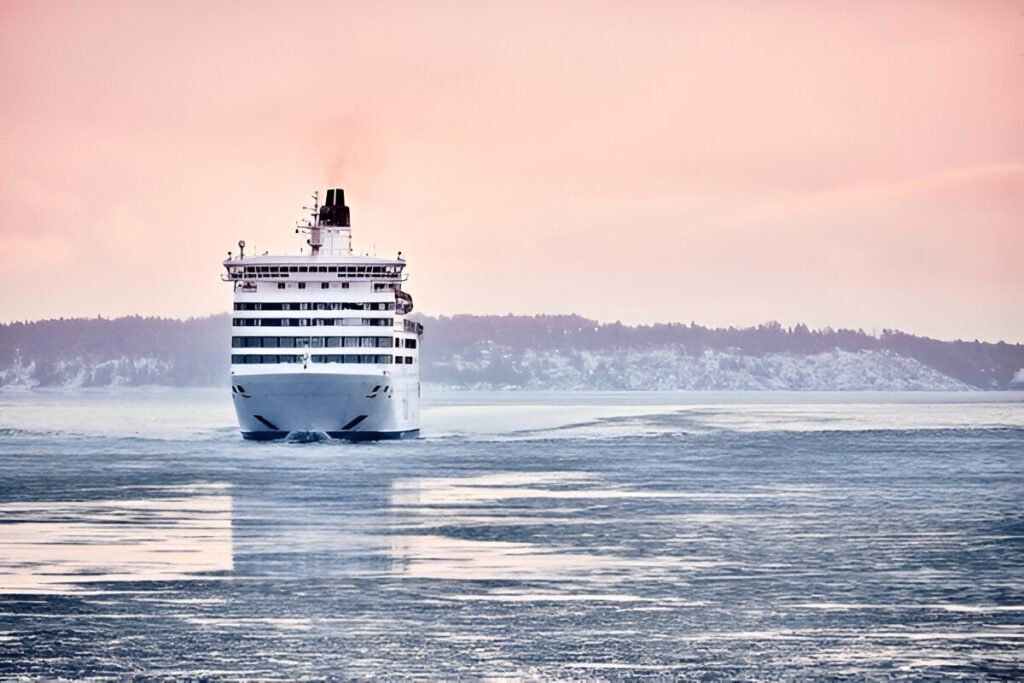
5. The Historic Town of Bergen
Bergen, a UNESCO World Heritage Site, is Norway’s second-largest city and a cultural hub of the country. The historic Bryggen district, with its colorful wooden buildings, is a testament to Bergen’s importance as a trading port during the Hanseatic League.
Highlights:
- The iconic Bryggen Wharf, with its narrow alleys and old wooden buildings.
- The famous fish market, offering fresh seafood and local delicacies.
- Mount Fløyen, providing panoramic views of the city and fjords below.
Best Time to Visit:
Summer for the mild weather and long daylight hours, making it ideal for exploring both the town and nearby fjords.
6. The West Norwegian Fjords
The West Norwegian Fjords, which include the Geirangerfjord and Nærøyfjord, are some of the most breathtaking natural landscapes in the world. These fjords, surrounded by steep cliffs, waterfalls, and lush greenery, are a must-see for anyone visiting Norway.
Highlights:
- Scenic boat tours that take you deep into the fjords, offering incredible views of waterfalls and steep cliffs.
- Hiking opportunities in the surrounding mountains.
- The villages along the fjords, such as Geiranger, offering a chance to experience traditional Norwegian culture.
Best Time to Visit:
Summer, when the weather is mild and the fjords are most accessible by boat.
Finland
7. The Fortress of Suomenlinna, Helsinki
Suomenlinna, a sea fortress spread across six islands, is located just a short ferry ride from Helsinki. The fortress was built in the 18th century and served as a military stronghold. Today, it is a UNESCO World Heritage Site and a popular destination for visitors.
Highlights:
- The old fortifications and cannons, offering a glimpse into Finland’s military past.
- The charming streets, museums, and art galleries located within the fortress.
- The beautiful views of the sea and Helsinki skyline from various points on the islands.
Best Time to Visit:
Late spring and summer, when the weather is ideal for exploring the islands and enjoying the outdoor cafes.
8. The Petäjävesi Old Church, Petäjävesi
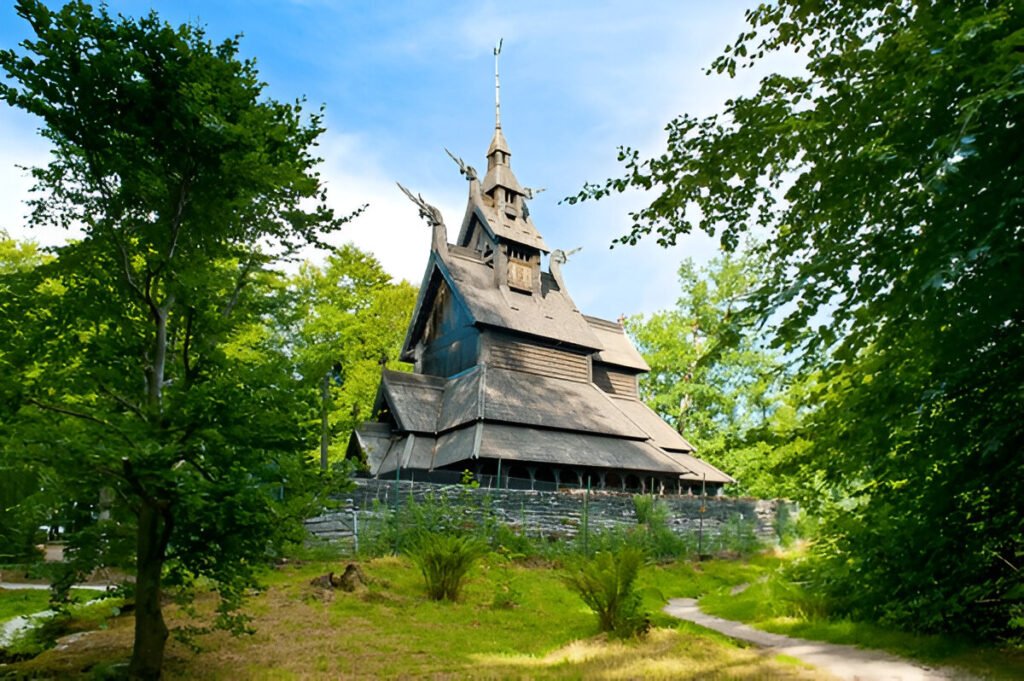
The Petäjävesi Old Church is a wooden church built in the 18th century, representing the traditional Finnish wooden architecture. It is considered an outstanding example of the blending of Protestant and Catholic church architecture.
Highlights:
- The church’s beautiful wooden interiors and intricate carvings.
- Its location near a serene lake, offering a peaceful environment.
- The historical significance of the church in the Finnish landscape.
Best Time to Visit:
Summer, when the church is open for tours and outdoor events.
Iceland

9. Thingvellir National Park
Thingvellir National Park, located in the heart of Iceland, is the site of the world’s oldest parliamentary institution, the Althing. The park is also known for its geological significance, as it sits along the boundary of two tectonic plates.
Highlights:
- The Althing, which was established in 930 AD, and its historical significance as one of the oldest parliaments in the world.
- The stunning Silfra Fissure, where visitors can snorkel or dive between the Eurasian and North American tectonic plates.
- The park’s beautiful lakes, streams, and volcanic landscapes.
Best Time to Visit:
Summer for the best weather and extended daylight hours, although the park is open year-round.
10. The Rock Carvings of Alta
Located in northern Norway, the Rock Carvings of Alta are one of Europe’s most important prehistoric sites. These ancient carvings, which date back to around 4200–500 BC, provide insight into the lives of the region’s early inhabitants.
Highlights:
- Over 6,000 petroglyphs depicting hunting scenes, animals, and ceremonial practices.
- The Alta Museum, which houses exhibits on the history of the carvings.
- The unique opportunity to see ancient art in an outdoor setting.
Best Time to Visit:
Summer, when the weather is best for exploring the carvings and museum.
Why Visit These UNESCO Sites?
Scandinavia’s UNESCO World Heritage Sites provide an opportunity to explore the region’s rich cultural and natural heritage. Whether you are marveling at the intricate carvings in Alta or taking in the breathtaking views of the Norwegian fjords, these sites are an essential part of any trip to the region. They offer not only beautiful landscapes but also an understanding of the deep history and traditions that have shaped Scandinavia.
Tips for Visiting UNESCO World Heritage Sites in Scandinavia
- Plan Ahead:
Many of these sites are located in remote areas or require guided tours. It’s important to check opening hours and tour availability, especially during the off-season.
- Respect the Sites:
UNESCO sites are protected for their historical or natural significance. Always follow guidelines and be respectful to preserve the sites for future generations.
- Consider Sustainable Travel:
Many of these sites are in environmentally sensitive areas, so consider taking eco-friendly transportation or exploring by foot or bike.
- Weather Preparation:
Scandinavia’s weather can be unpredictable, so pack layers, waterproofs, and sturdy shoes for outdoor exploration.
Conclusion
Scandinavia is home to some of the most stunning UNESCO World Heritage Sites in the world, offering a unique blend of history, culture, and natural beauty. From the Viking settlements in Sweden to the dramatic fjords of Norway, each site tells a story of the region’s past and its lasting influence on the world. Whether you are a history buff, nature lover, or simply looking to explore the region’s treasures, these UNESCO sites are essential stops on any Scandinavian journey.