



Introduction
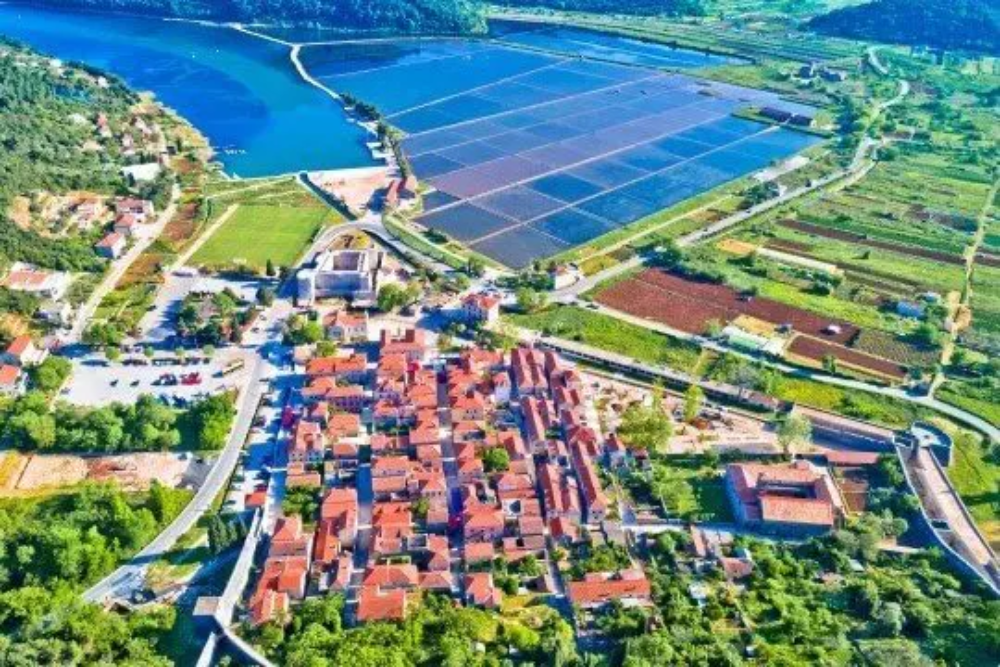
Ston is a notable town situated on the Pelješac Promontory in Croatia, known for its great middle age strongholds, old salt dish, and rich social legacy. Frequently alluded to as the “salt capital” of Croatia, Ston’s salt dish have been delivering salt for more than 1,000 years. The town is generally well known for its Ston Walls, which stretch north of 5 kilometers and are the absolute longest in Europe, offering stunning perspectives on the town and encompassing scenes.
Ston Walls (Walls of Ston)
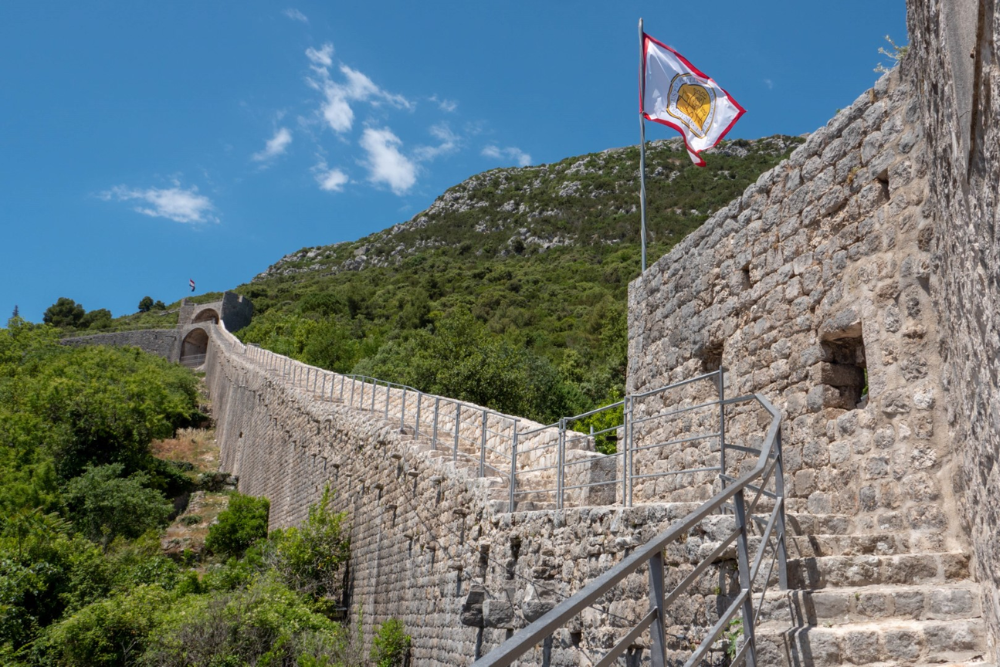
- The Ston Walls are among the longest defensive walls in Europe, stretching over 5 kilometers. Built in the 14th century, they were designed to protect the town and its salt pans. Visitors can walk along parts of the walls, offering stunning views of the surrounding countryside, the town of Ston, and the nearby coastline.
Ston Salt Pans
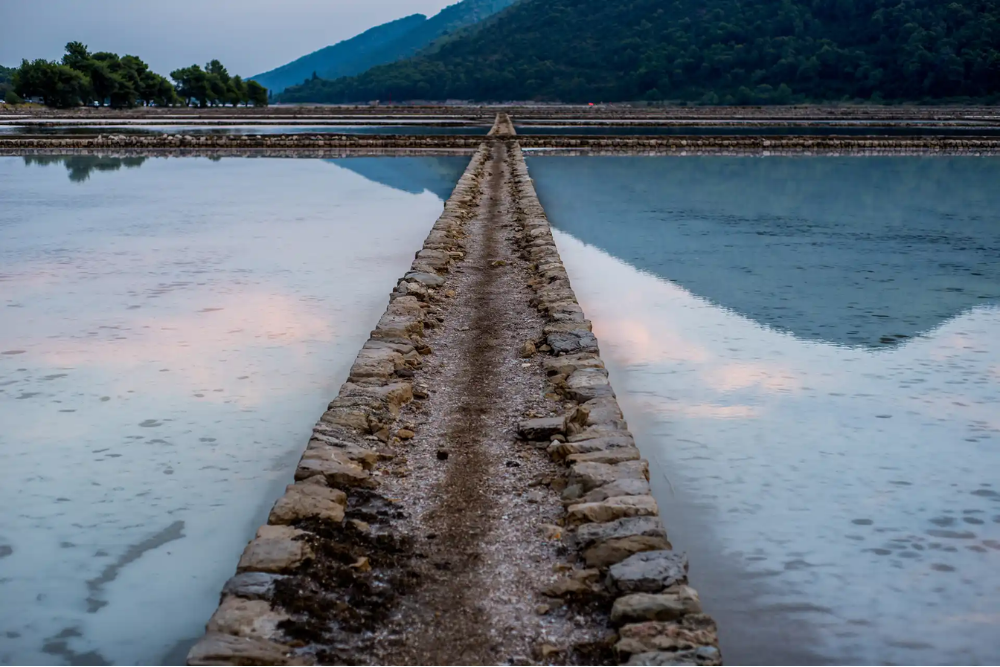
- The Ston Salt Pans are some of the oldest and most significant salt-producing sites in Europe, with a history that dates back over a thousand years. You can visit the salt works to see traditional salt production methods, and in the summer, you can even walk along the shallow salt ponds. It’s a unique and peaceful experience that connects visitors to Ston’s historical economy.
The Church of St. Blaise
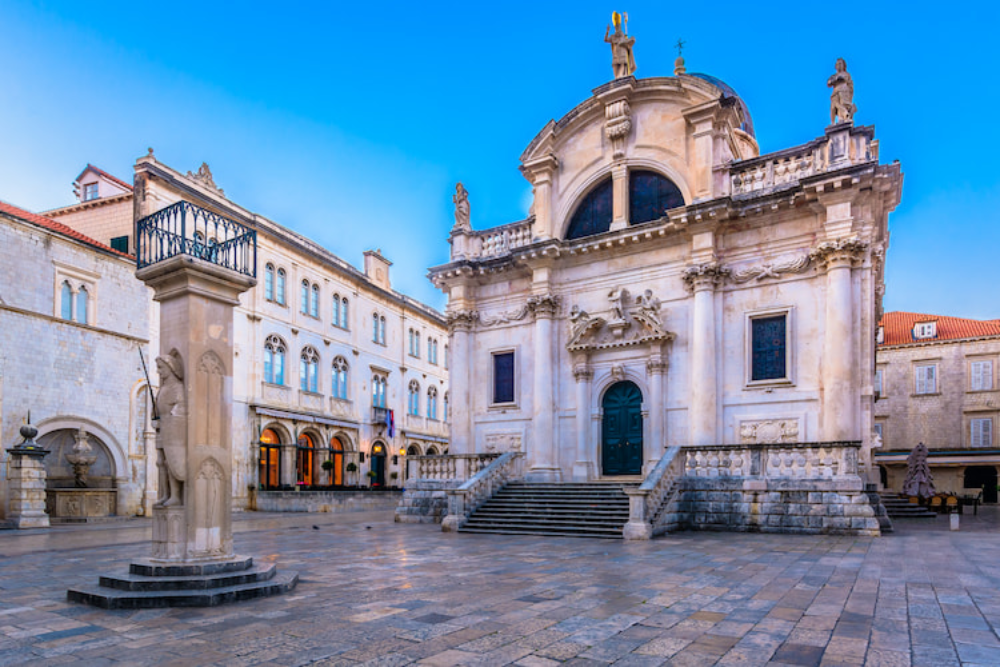
- This 15th-century church is dedicated to St. Blaise, the patron saint of Ston. The church’s simple yet beautiful architecture and its interior frescoes make it a peaceful stop for visitors wanting to immerse themselves in Ston’s history and culture.
Malfi Winery
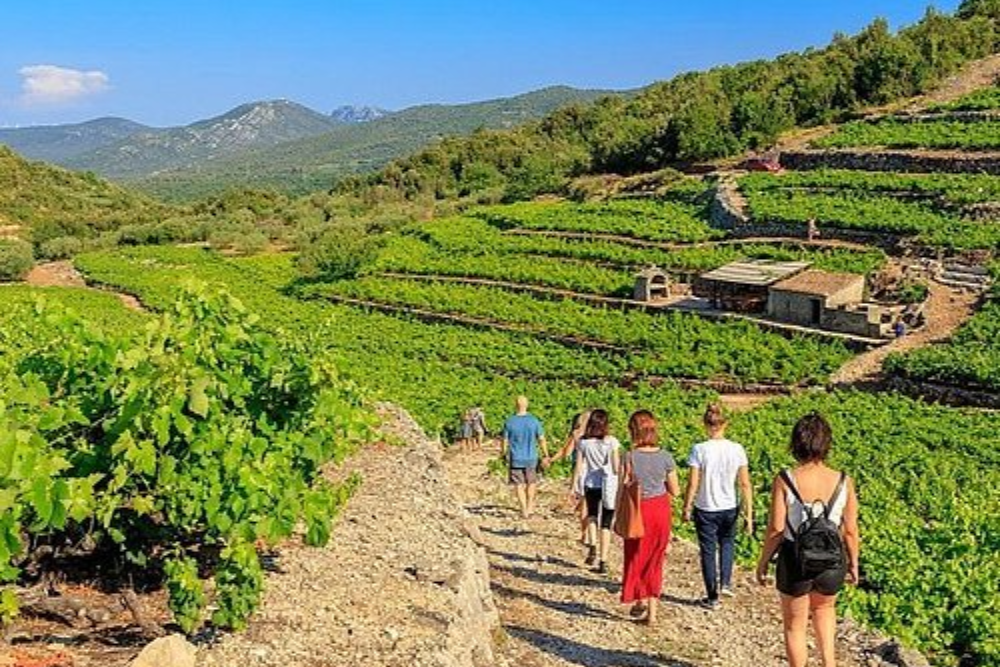
- Ston is located in one of Croatia’s famous wine-producing regions, and Malfi Winery offers a fantastic opportunity to taste the local wines, particularly the indigenous Dingač variety. The winery also provides tours of the vineyards and cellars, offering a complete wine-tasting experience.
Pelješac Peninsula
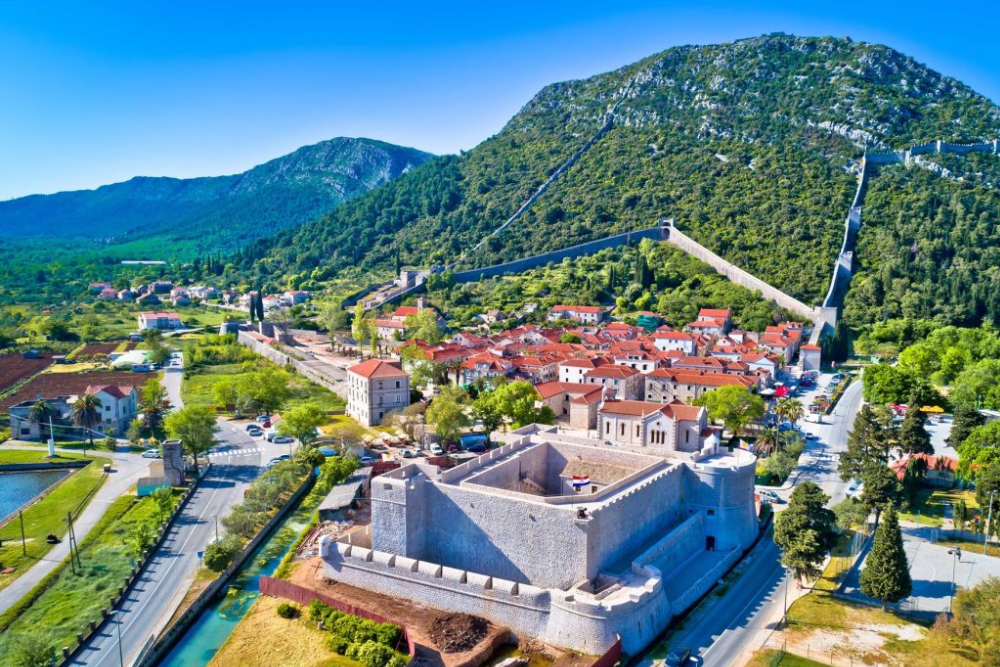
- Ston is located on the Pelješac Peninsula, known for its beautiful landscapes, vineyards, and olive groves. Exploring the peninsula allows visitors to enjoy the natural beauty, charming coastal villages, and activities such as hiking, cycling, and wine tasting.
The Fort of St. Lawrence
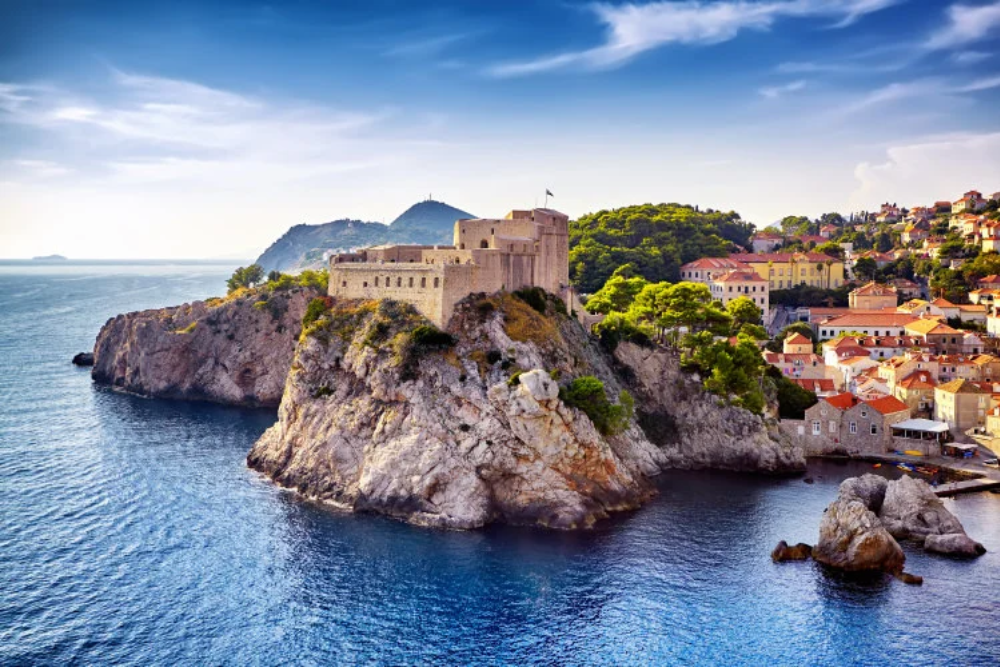
- The Fort of St. Lawrence (also known as Ston Fort) is located on a hill above Ston. The fort provides panoramic views of the town, the surrounding countryside, and the coastline. The climb to the fort is a bit challenging, but it’s well worth it for the scenic vistas and a deeper connection to Ston’s historical fortifications.
The Rector’s Palace
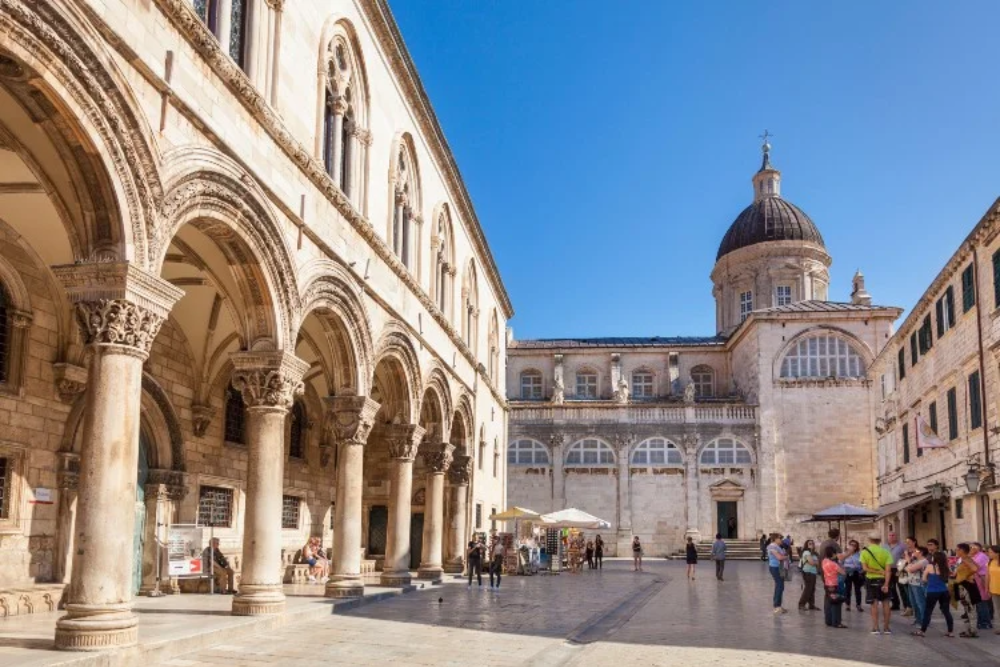
- The Rector’s Palace is a historic building in the heart of Ston that once served as the residence of the town’s ruling authorities during the Republic of Dubrovnik. Today, the palace is a museum and cultural venue where visitors can learn more about Ston’s history and its role in the Dubrovnik Republic.
Dos and Don’ts in Ston
When visiting Ston, here are some Dos and Don’ts to help you make the most of your trip:
Dos
- Do explore the Ston Walls: The medieval fortifications are a must-see, and you can walk along parts of the walls for panoramic views of the town and surrounding landscapes.
- Do visit the salt pans: Learn about the traditional salt production methods that have been practiced in the region for over a thousand years. It’s a unique and educational experience.
- Do try Ston’s oysters: The town is famous for its fresh oysters, so be sure to visit a local oyster farm or seafood restaurant to taste this local delicacy.
Don’ts
- Don’t rush your visit: Ston is a small town, and its charm lies in its relaxed atmosphere. Take your time to explore and enjoy the surroundings rather than rushing through the attractions.
- Don’t disturb the salt pans: The salt pans are a working site, so be respectful when visiting and avoid stepping on the pans or disrupting the production process.
- Don’t overlook the small businesses: While the main attractions are popular, don’t miss the chance to support small local businesses, such as family-owned restaurants, wineries, and shops offering handmade products.
Best time to reach in Ston
The best time to visit Ston is during the spring (April to June) and early autumn (September to October) months. Here’s why:
Spring (April to June):
- The weather is mild and pleasant, with temperatures ranging from 15°C to 25°C (59°F to 77°F). This makes it perfect for exploring the Ston Walls, hiking to the Fort of St. Lawrence, and strolling around the town.
- The tourist crowds are smaller compared to the summer months, so you can enjoy the attractions without feeling rushed.
- The surrounding landscapes and olive groves are lush and vibrant, offering a beautiful setting for outdoor activities like walking and cycling.
Early Autumn (September to October):
- Temperatures are still warm (around 20°C to 27°C / 68°F to 81°F), but the summer heat has subsided, making it ideal for outdoor exploration and enjoying the coastal views.
- After the peak summer season, the town becomes quieter, allowing for a more relaxed experience.
Summer (July and August):
- While summer in Ston can be hot with temperatures often exceeding 30°C (86°F), it’s still a popular time to visit, especially for those who enjoy beach activities.
- Expect larger crowds and higher accommodation prices during these months, as this is the peak season for tourism in Croatia.