


Introduction
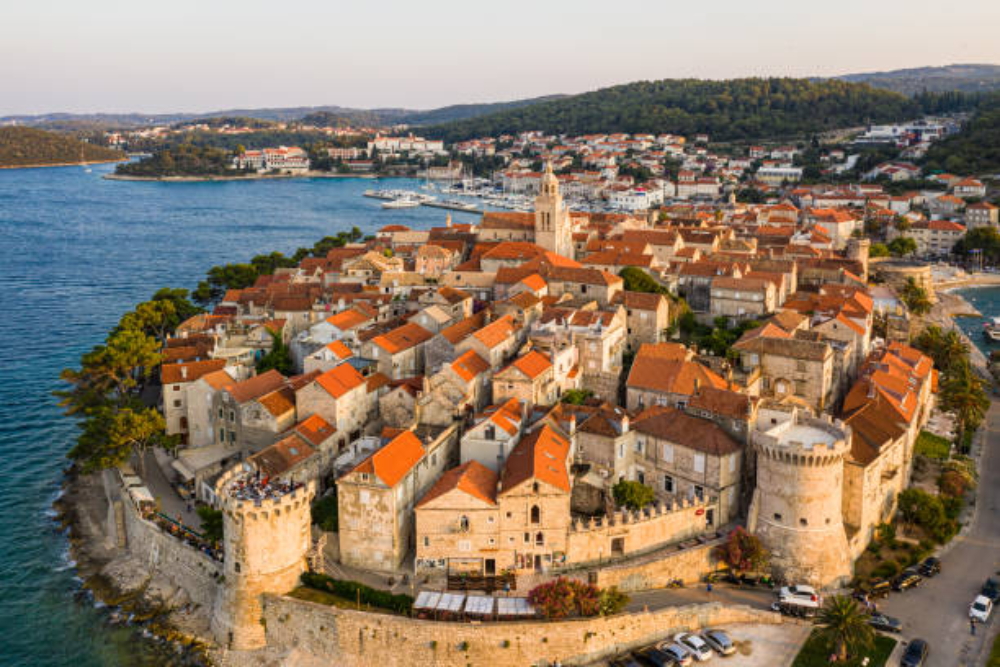
Korcula is a pleasant island situated in the Adriatic Ocean, off the shoreline of southern Croatia. Known as the origin of the popular traveler Marco Polo, Korčula offers an extraordinary mix of rich history, middle age engineering, and dazzling regular scenes. The island is prestigious for its beguiling old town, encompassed by antiquated stone walls, limited cobblestone roads, and noteworthy structures that mirror its Venetian legacy.
Climbing in Lumbarda and Korčula Island’s Open country
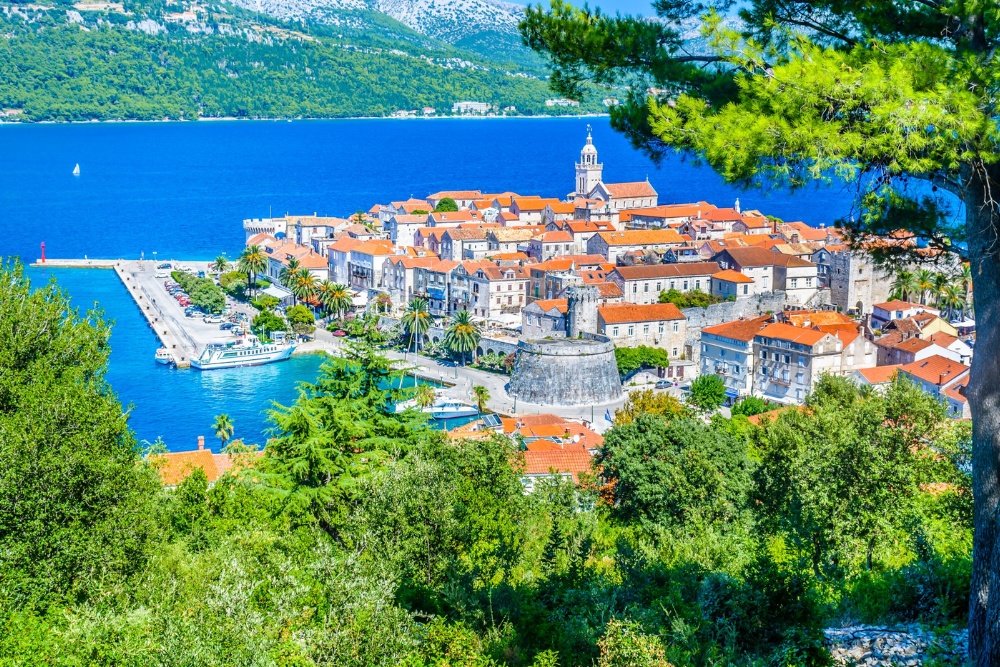
- Korcula’s tough scenes and rich vegetation make it ideal for climbing. The Lumbarda region, known for its grape plantations and olive forests, offers grand paths with all encompassing perspectives on the island, encompassing islets, and the Adriatic Ocean. The Korčula Town to Pupnatska Luka trail additionally gives staggering waterfront perspectives, and you can investigate segregated bays en route.
Kayaking and Paddleboarding
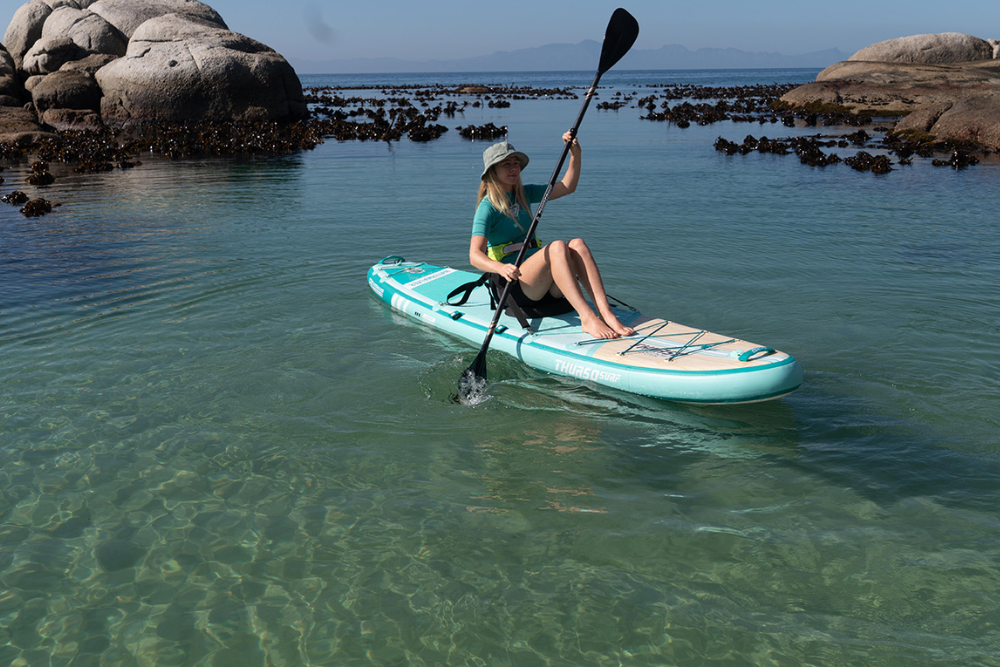
- The completely clear waters around Korčula are ideally suited for kayaking and paddleboarding. Leasing a kayak or paddleboard permits you to investigate the island’s secret sea shores, caves, and close by islets at your own speed. For a more directed encounter, you can take a visit around the island’s shoreline or to local Badija Island or Vrnik Island, popular for their immaculate excellence.
Swimming and Scuba Plunging
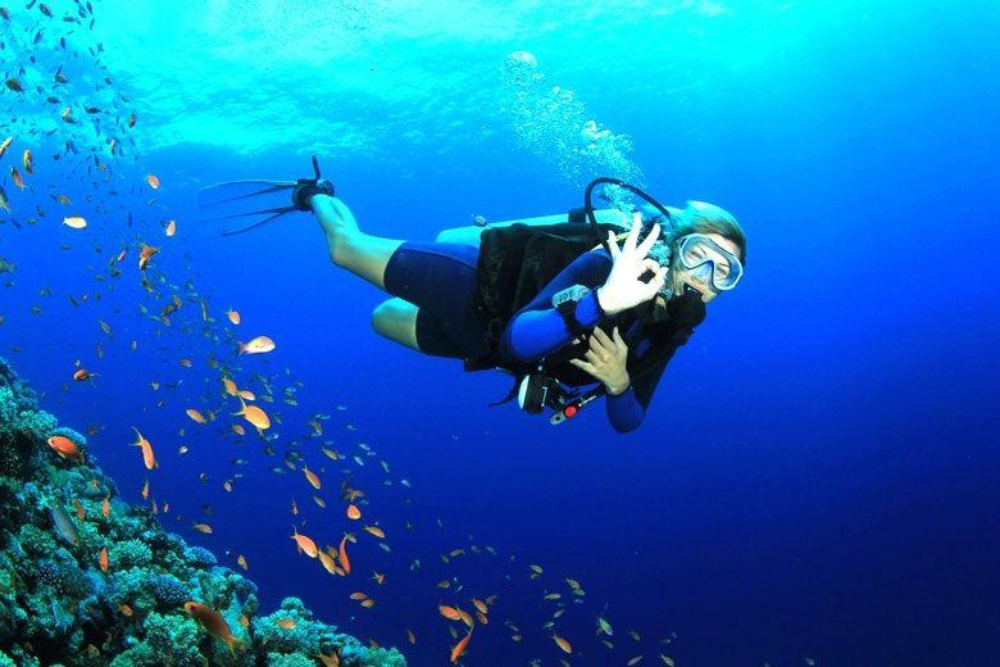
- Korcula’s perfectly clear waters are overflowing with marine life, making it an incredible objective for swimming and scuba plunging. You can investigate submerged caves, coral reefs, and wrecks, with a few plunging focuses offering courses and directed visits. Pelješac Channel and close by Pine Woodland Ocean side are famous spots for submerged investigation.
Boat Outing to Local Islands
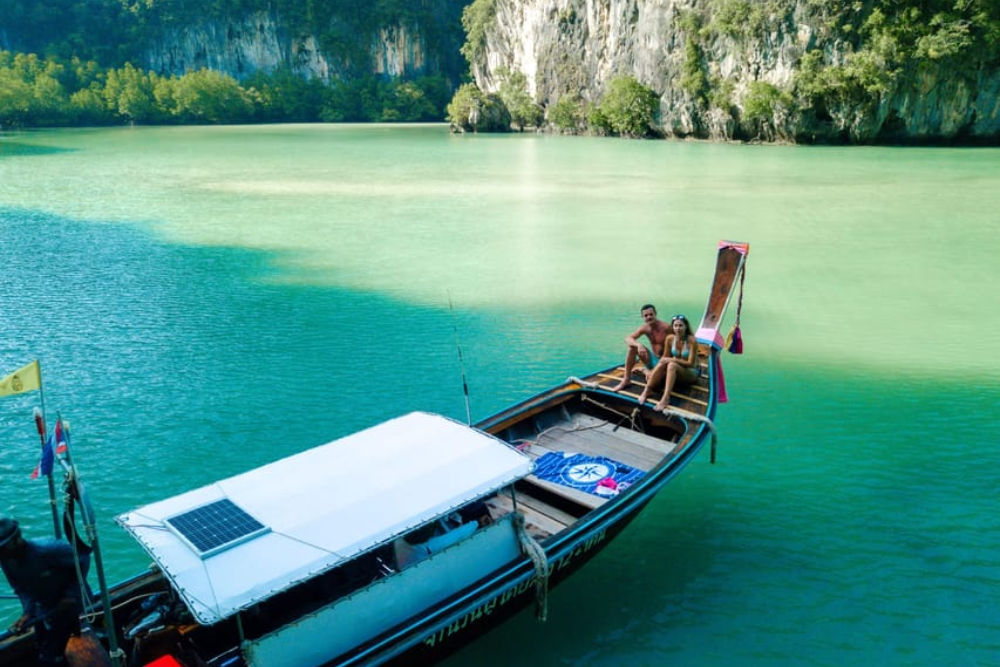
- Korcula is encircled by more modest, less-visited islands, and one of the most amazing ways of encountering them is by boat. You can go on a boat outing to islands like Badija, known for its tranquil sea shores and middle age religious community, or Proizd, which is popular for its immaculate turquoise waters and confined sea shores. You can likewise partake in a day of swimming, swimming, and loosening up on a confidential boat visit.
Korcula Old Town
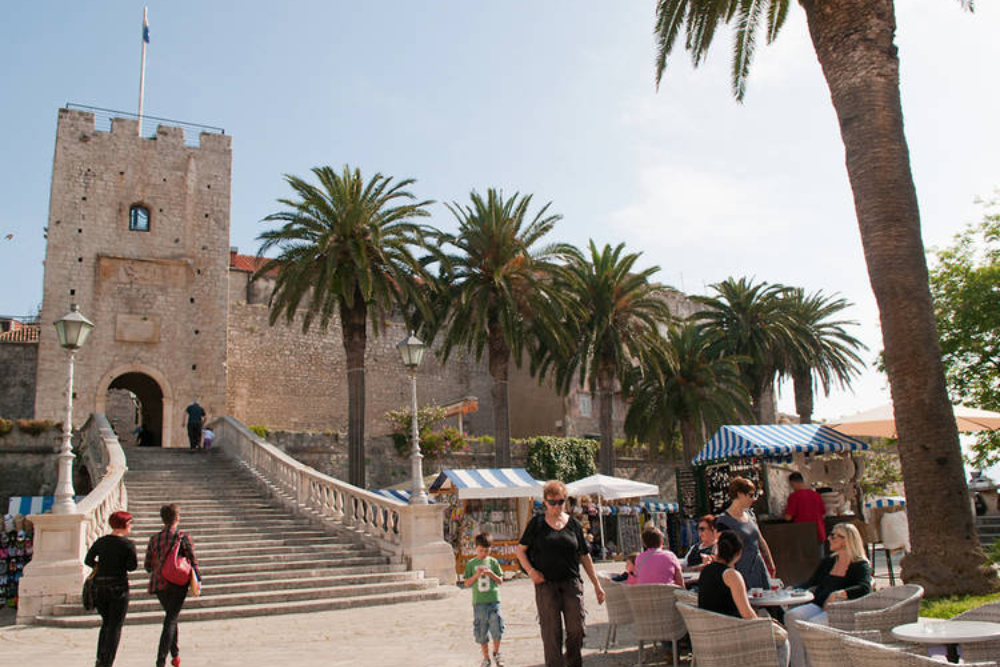
- The core of the island, Korčula Town is a middle age walled city with thin cobblestone roads, old structures, and wonderful squares. Eminent milestones incorporate the St. Imprint’s Church, a shocking illustration of Gothic and Renaissance engineering, and the Marco Polo House, which is accepted to be the origin of the well known pioneer. The town is likewise loaded up with beguiling bistros, shops, and eateries, offering a dynamic yet verifiable climate.
Lumbarda Town and Sea shores
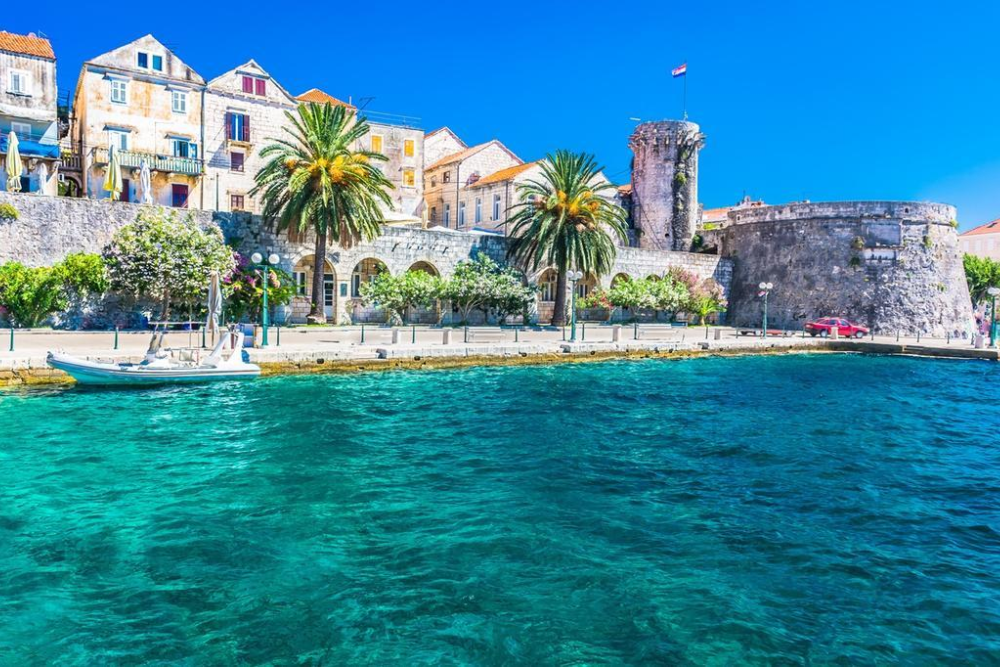
- Lumbarda, situated on the southeastern tip of Korčula, is a quiet town known for its grape plantations and sandy sea shores. Vela Pržina, the biggest ocean side in Lumbarda, is a well known spot for swimming, sunbathing, and water sports. The region likewise offers pleasant strolling ways through grape plantations, where you can test neighborhood wines and appreciate delightful perspectives on the ocean and close by islands.
Badija Island
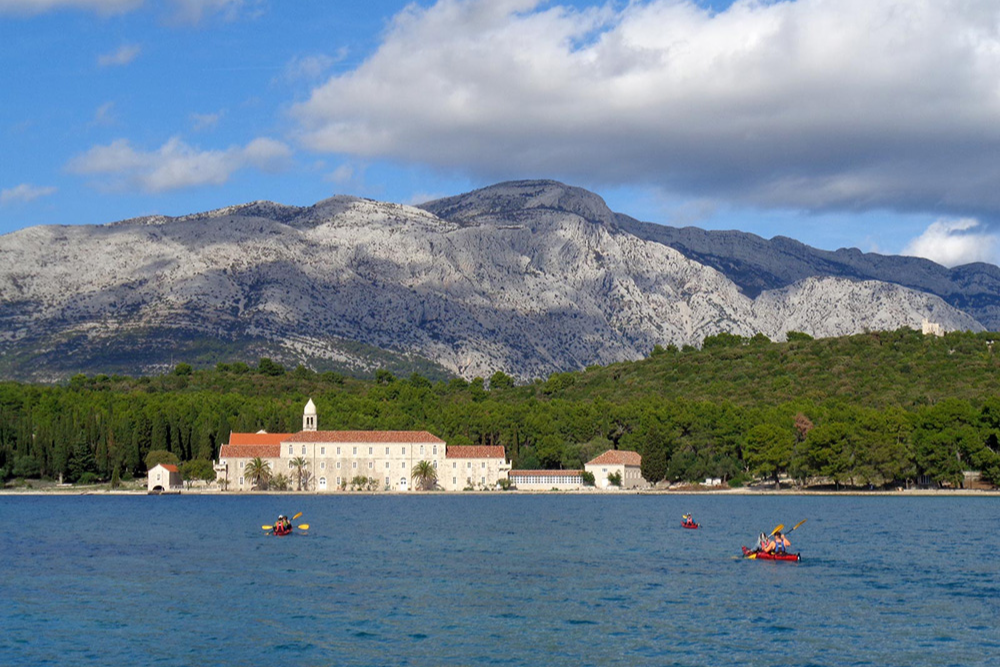
- A short boat ride from Korčula Town, Badija Island is a serene, uninhabited island known for its rich pine woods, olive forests, and tranquil sea shores. The island is home to a Franciscan Religious community, which traces all the way back to the fifteenth 100 years. It’s an optimal objective for those hoping to appreciate nature, take a loosening up swim, or investigate the noteworthy religious community in a tranquil setting.
Dos and Don’ts in Korcula
Dos
Do attempt the nearby wines: Korčula is known for its wine creation, especially the Grk wine, which is special to the island. Visit nearby wineries and attempt various wines to encounter the island’s rich winemaking custom. Try not to miss a wine visit to get more familiar with the neighborhood grape assortments and creation strategies.
Do regard the climate: The island is home to shocking scenes, from its rich grape plantations to immaculate sea shores. Make a point to discard your waste capably, try not to upset natural life, and remain on assigned trails while climbing or cycling. Korčula’s normal magnificence is one of its fundamental attractions, so it is vital for save it.
Do welcome local people with a well disposed “Dobar dan”: Croatians are known for being inviting, yet a considerate hello in their language goes quite far. Saying “Dobar dan” (Great day) or “Bok” (Hi) while entering shops or it is constantly valued to meet local people.
Don’ts
Remember to dress humbly while visiting strict locales: Assuming you’re visiting places of worship or the Franciscan Religious community on Badija Island, make certain to deferentially dress. Abstain from wearing shorts, tank tops, or uncovering clothing while entering consecrated destinations.
Don’t disturb the harmony in calm regions: Korcula is known for its quiet and loosening up environment, particularly in places like Badija Island and Lumbarda Town. Abstain from playing clearly music or upsetting the smoothness of these peaceful areas.
Don’t take part in questionable or political points: While Croatians are for the most part open and amicable, it’s ideal to try not to talk about delicate subjects like legislative issues or the nation’s past, particularly with local people you don’t know well. Stick to nonpartisan subjects like travel or food.
Best time to reach in Korcula
The best chance to visit Korcula relies upon the kind of involvement you’re chasing, however by and large, the most ideal times are throughout the spring (April to June) and fall (September to October). Here is a breakdown:
1. Spring (April to June)
- The temperatures are gentle, going from 15°C to 25°C (59°F to 77°F), with a lot of daylight. It’s an ideal time for open air exercises like climbing, cycling, and touring, as the island’s scenes are rich and blossoming.
- Less travelers contrasted with the mid year months, making it an ideal chance to investigate Korčula at a casual speed. The island isn’t as packed, and you can partake in the sea shores, strolling visits, and grape plantations in harmony.
2. Summer (July to August)
- Summer in Korčula can be warm, with temperatures frequently surpassing 30°C (86°F). The days are long, with a lot of daylight, making it the ideal time for beachgoers and water sports devotees.
- The island wakes up with dynamic celebrations, occasions, and clamoring nightlife. This is the pinnacle vacationer season, so there are more exercises, boat trips, and comprehensive developments to appreciate.
3. Fall (September to October)
- Temperatures stay warm in September and early October, going from 18°C to 25°C (64°F to 77°F), making it actually ideal for open air exercises and partaking in the ocean. The fall likewise brings wonderful pre-winter tones to the island’s scenes.
- Less groups than in summer, meaning more space on the sea shores and at famous attractions. It’s additionally grape reap season, so wine devotees can appreciate neighborhood wine celebrations and grape plantation visits.
4. Winter (November to Spring)
- Winter is gentle contrasted with northern Europe, with temperatures going from 5°C to 15°C (41°F to 59°F). It’s not ocean side climate, however it very well may be a tranquil chance to investigate Korčula’s verifiable locales and normal magnificence.
- Not many vacationers, making it a peaceful chance to investigate the island at your own speed. Ideal for those lean toward isolation and a calm break, albeit a few attractions might have diminished hours during this period.