


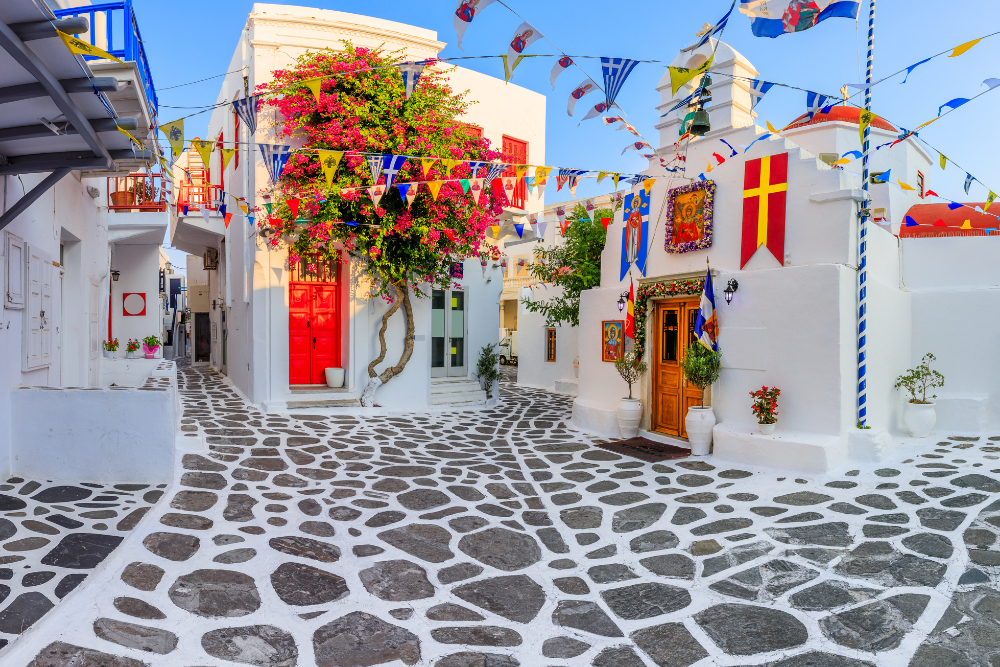

Greece is a country steeped in rich cultural heritage, and while the bustling cities of Athens and Thessaloniki often steal the spotlight, the islands offer an authentic taste of traditional Greek life. From ancient customs to local craftsmanship, the islands preserve centuries-old traditions that will transport you back in time. Experiencing traditional Greek culture on the islands allows you to connect with the local community, savor authentic flavors, and discover the timeless beauty of Greek heritage. Here’s how to fully immerse yourself in the cultural richness of the Greek islands.
1. Visit the Charming Villages
One of the best ways to experience traditional Greek culture is by exploring the quaint, picturesque villages that dot the islands. These villages often boast narrow cobblestone streets, whitewashed houses, vibrant flower-filled courtyards, and a slower pace of life that reflects the island’s long history.
- Milos: This volcanic island is home to charming villages like Plaka, where you can wander through labyrinthine streets, visit the local church, and shop for handmade crafts and local goods. Milos also offers beautiful beaches with traditional tavernas where you can savor fresh seafood.
- Naxos: The island’s inland villages like Apiranthos and Filoti are perfect examples of traditional Greek life. Here, you can see Venetian architecture, visit small museums, and experience local customs such as pottery making, weaving, and cheese production.
- Crete: Crete’s mountainous villages, like Margarites and Anogeia, have a deep connection to local customs and folklore. These villages are perfect for learning about Cretan music, cuisine, and handicrafts while interacting with the warm-hearted locals.
2. Taste Traditional Greek Cuisine

Greek cuisine is a key part of the country’s cultural identity. Each island has its own unique twist on traditional dishes, influenced by its geography and history. While visiting, make sure to sample local specialties, which are often made with fresh, seasonal ingredients grown on the island.
- Souvlaki and Gyro: While these popular dishes are found across Greece, each island has its own version, and the local preparation methods often differ. For example, Santorini is known for its fava bean puree, while Mykonos is famous for its kopanisti, a spicy cheese spread.
- Moussaka and Local Stews: Many islands, such as Lesvos, are known for their hearty stews and moussaka, a layered eggplant dish. These dishes are often made with ingredients grown in the island’s fertile land and are perfect for experiencing the traditional flavors of Greece.
- Cheese and Olive Oil: Greek islands like Kefalonia and Crete produce some of the best local cheeses, such as kefalotyri and graviera, which you can try in local markets or tavernas. Likewise, olive oil production is central to Greek cuisine, with many islands offering tours of traditional olive groves, where you can learn about the production process and taste freshly made oils.
- Raki and Ouzo: No visit to a Greek island would be complete without trying traditional spirits. Raki (a Cretan pomace brandy) and Ouzo (an anise-flavored liquor) are often served alongside appetizers. In islands like Chios, the local mastic liquor adds a unique regional twist to your drinking experience.
3. Attend Local Festivals and Celebrations
Festivals are a great way to experience the island’s traditional customs and the sense of community that is central to Greek culture. From religious celebrations to music festivals, these events provide a glimpse into local life.
- Religious Festivals: Greece has numerous religious holidays, with many islands celebrating their patron saints with vibrant festivals. The Panagia festival in Tinos, for instance, draws thousands of pilgrims each August in honor of the Virgin Mary. These festivals are marked by processions, local dances, and feasts that showcase Greek hospitality.
- Music and Dance: Many islands, such as Ios, Rhodes, and Crete, have traditional dance and music festivals throughout the year. You can watch the iconic sirtaki dance, learn folk dances, and listen to local musicians playing traditional instruments such as the bouzouki, lyre, and laouto.
- Harvest Festivals: In the autumn, many islands host harvest festivals that celebrate the gathering of olives, grapes, and other local crops. These festivals typically include traditional cooking, dancing, and wine tasting. Visiting one of these festivals is an excellent way to experience the island’s agricultural traditions.
4. Explore Ancient Sites and Archaeological Wonders
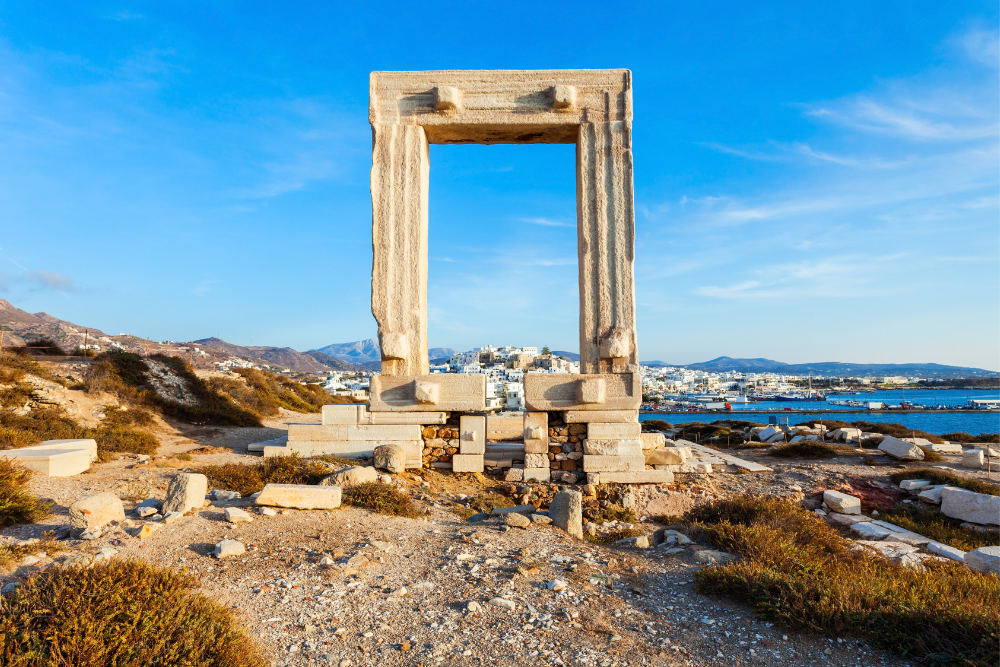
The Greek islands are home to ancient ruins and archaeological sites that give insight into the rich history and cultural significance of the region. Visiting these sites not only lets you witness Greece’s ancient legacy but also connects you with the historical roots of the islands.
- Delos (Mykonos): One of the most important archaeological sites in Greece, Delos was once a religious center in the ancient world. Today, it remains an open-air museum, showcasing the remains of temples, statues, and mosaics that reflect the island’s ancient history.
- Knossos (Crete): The Palace of Knossos, near Heraklion, is the largest Bronze Age archaeological site on Crete and the center of the Minoan civilization. Visiting the palace allows you to walk through the halls of an ancient palace and admire frescoes and intricate architecture.
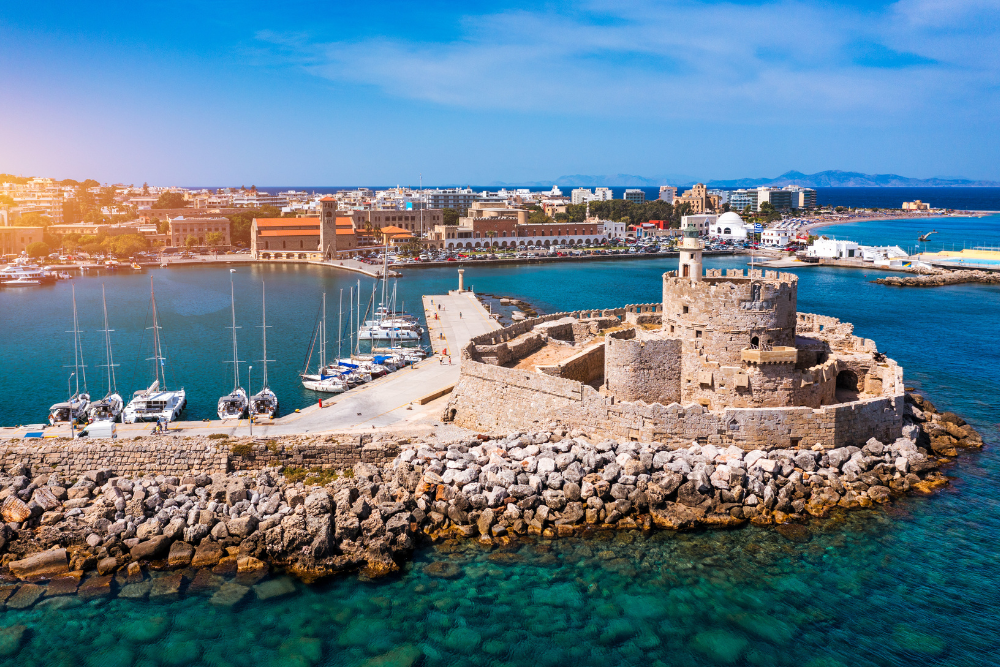
- Rhodes Old Town: The medieval town of Rhodes, a UNESCO World Heritage Site, offers a mix of Byzantine, Ottoman, and medieval influences. The Palace of the Grand Master and the Archaeological Museum of Rhodes showcase the island’s rich cultural history.
- Akrotiri (Santorini): Santorini’s ancient Minoan city of Akrotiri, buried under volcanic ash, offers a fascinating glimpse into life on the island thousands of years ago. The well-preserved frescoes, pottery, and advanced infrastructure highlight the island’s ancient civilization.
5. Take Part in Local Crafts and Workshops
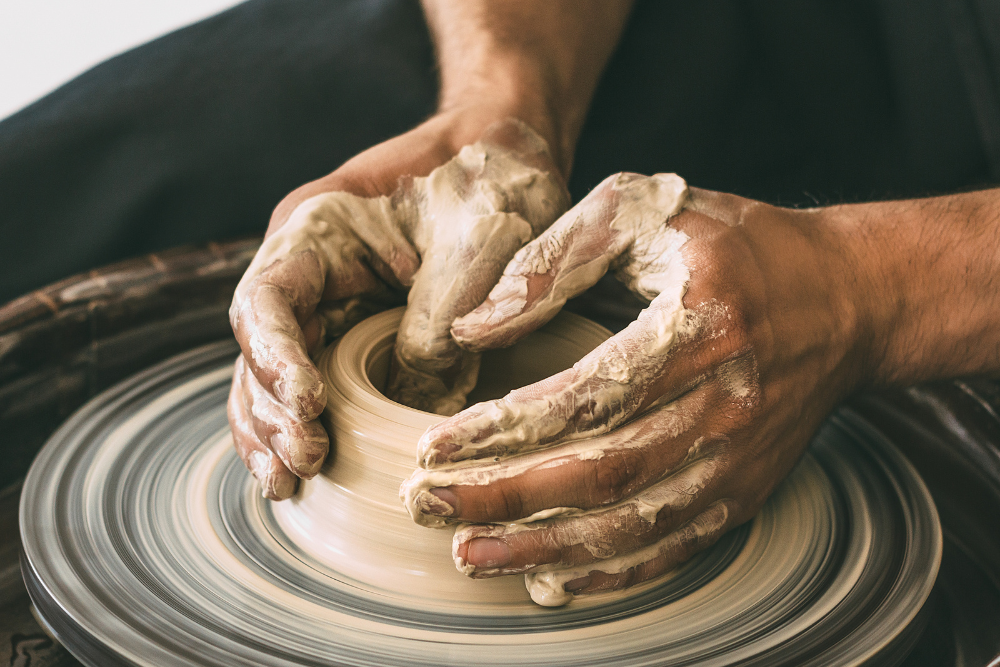
Greek islands are also known for their long-standing artisanal traditions, with many locals still practicing age-old crafts. Taking part in workshops or watching artisans at work is a great way to understand the culture and create meaningful souvenirs.
- Pottery Making: On Milos and Naxos, you can watch local potters create traditional Greek pottery using techniques passed down through generations. Many of these artisans offer hands-on workshops, allowing you to try your hand at pottery.
- Weaving and Embroidery: The Greek islands of Hydra and Kefalonia are known for their traditional weaving and embroidery techniques. You can visit small workshops where local women weave intricate textiles or create embroidered goods like tablecloths and rugs.
- Jewelry Making: In Mykonos and Rhodes, you can find jewelers who create pieces using traditional methods. Some offer workshops where you can design and make your own jewelry using local materials like silver, gold, and semi-precious stones.
6. Stay in Traditional Accommodation
To fully immerse yourself in Greek culture, choose accommodations that reflect the island’s authentic charm. Opt for staying in family-run guesthouses, traditional pension hotels, or historic homes.
- Traditional Villas and Guesthouses: Many islands, such as Milos, Symi, and Ios, offer stays in traditional stone houses with local architecture. These guesthouses often provide a more intimate and authentic experience, allowing you to connect with the local culture in a homey setting.
- Eco-Friendly Stays: Many islands are embracing eco-tourism, with local guesthouses and hotels focusing on sustainability while still offering a traditional experience. Staying at eco-friendly accommodations lets you support local communities and practice responsible travel.
Final Thoughts
Experiencing traditional Greek culture in the islands is about much more than visiting ancient sites—it’s about connecting with the land, the people, and the customs that have shaped Greek life for centuries. Whether you’re exploring ancient ruins, savoring local delicacies, dancing to traditional music, or staying in a charming village, the Greek islands offer an authentic, unforgettable cultural experience that will stay with you long after you leave.