


Introduction
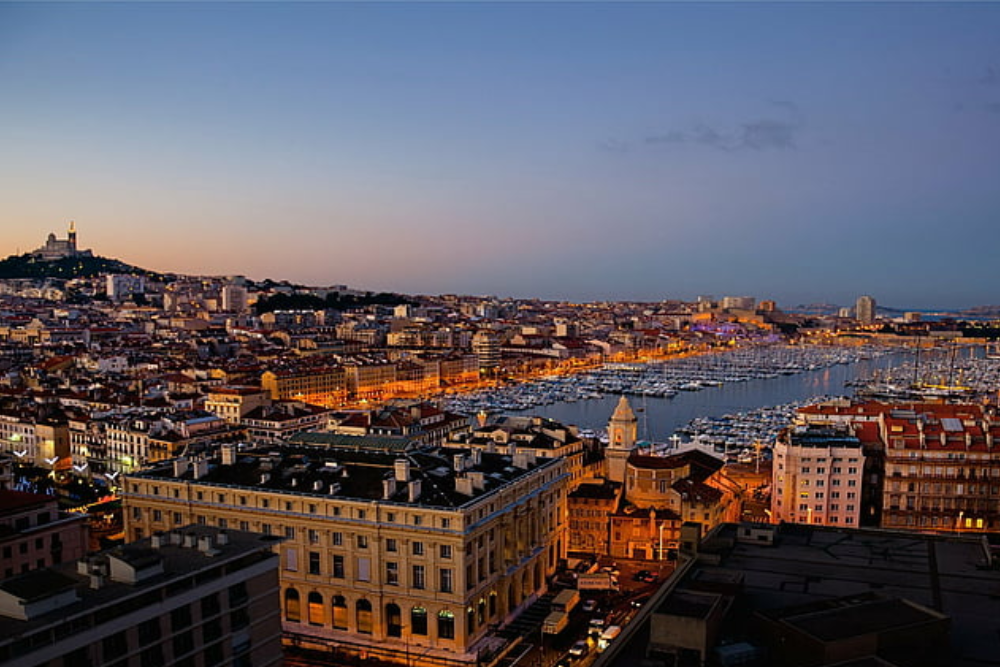
Marseille, situated on the southeastern shoreline of France along the Mediterranean Ocean, is the nation’s second-biggest city and perhaps of its most dynamic and various objective. Known for its rich history, one of a kind mix of societies, and staggering waterfront view, Marseille offers a unique blend of custom and innovation. As a clamoring port city, it has for quite some time been a mixture of impacts, making it a center point for workmanship, food, and music. Features of Marseille incorporate its beautiful Old Port, the grand Basilique Notre-Woman de la Garde, and the architecturally significant area of Le Panier.
Climbing in the Calanques Public Park

- The Calanques, a progression of emotional precipices and completely clear bays, offer probably the best climbing and open air encounters in Marseille. You can investigate the rough shore by walking, with trails that lead to stowed away sea shores and amazing perspectives on the Mediterranean. Whether you’re a fledgling climber or an accomplished swashbuckler, the recreation area has something for everybody.
Kayaking or Paddleboarding in the Calanques
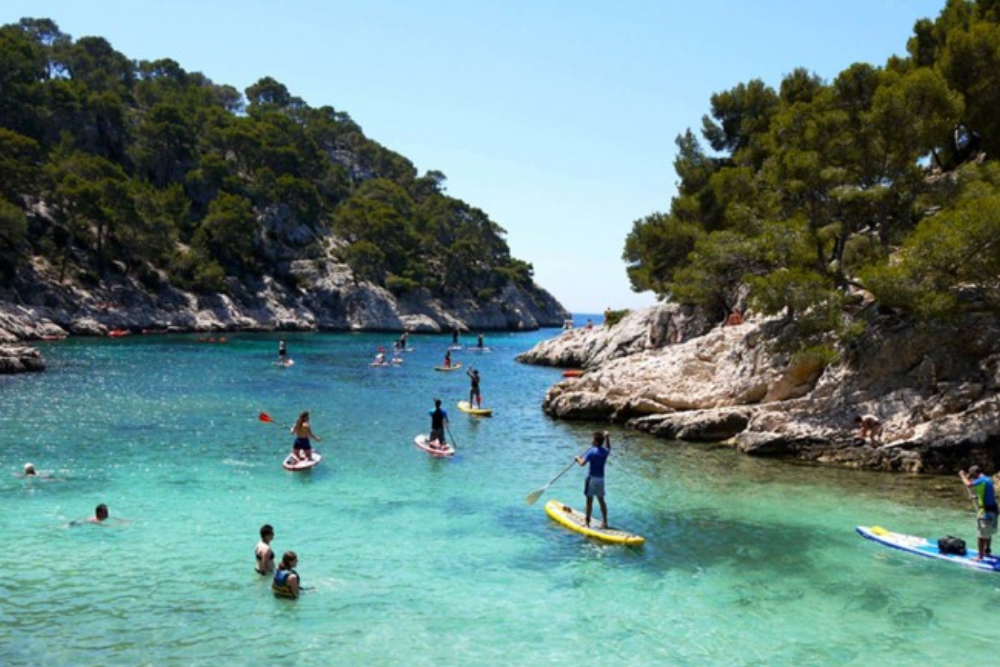
- If you have any desire to draw nearer to the shocking Calanques, consider kayaking or paddleboarding along its turquoise waters. These water exercises give an exceptional viewpoint of the precipices and the opportunity to investigate detached sea shores that are just open by water. It’s a daring and tranquil method for encountering the normal excellence of the area.
Rock Moving at Les Calanques
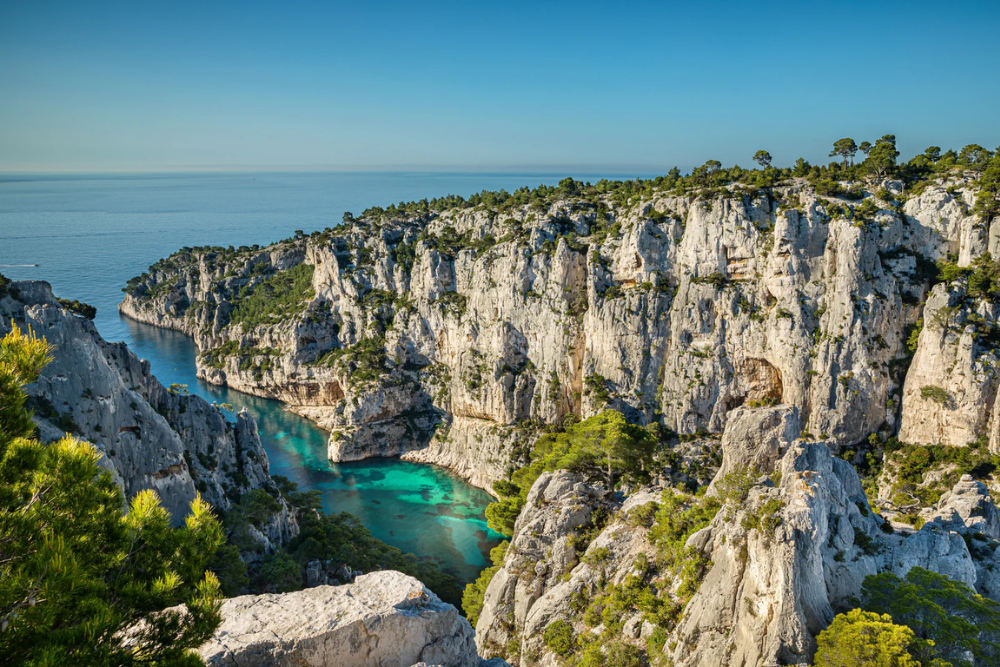
- For those searching for even more a test, rock moving in the Calanques is a thrilling experience. The limestone precipices around Marseille give great open doors to the two fledglings and prepared climbers. With courses ignoring the ocean, it’s a completely exhilarating method for encountering the excellence of the area.
Chateau d’If
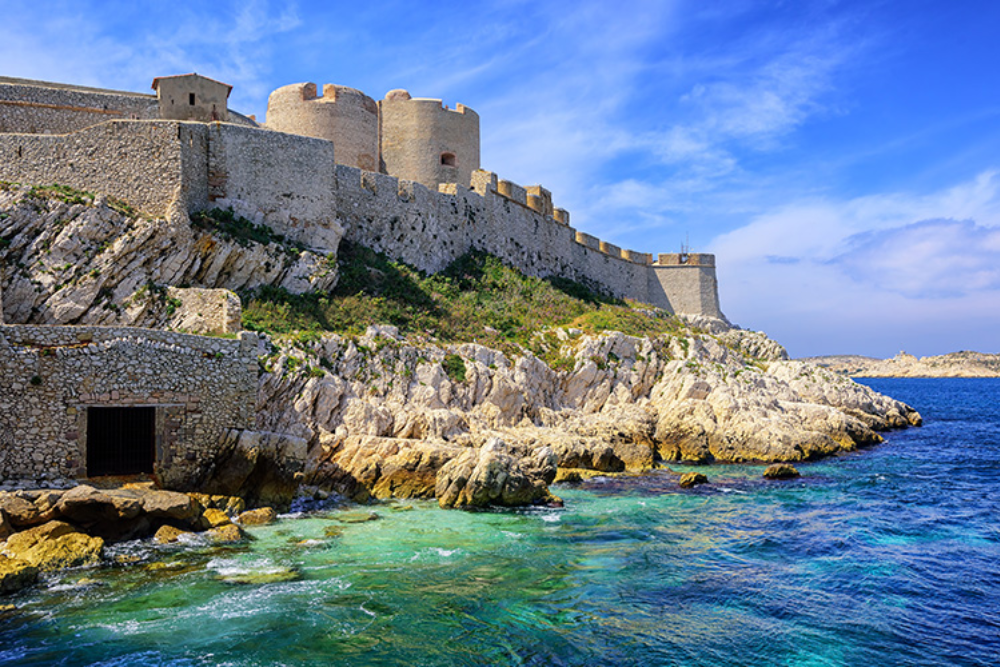
- Simply a short boat ride from the Old Port, the Château d’If is a post turned-jail made well known by Alexandre Dumas’ original The Count of Monte Cristo. Take a directed visit through the palace, investigate its dim prisons, and partake in the all encompassing perspectives on the Mediterranean Ocean from its bulwarks. It’s a mix of history and experience with staggering perspectives.
Cruising Around the Frioul Islands
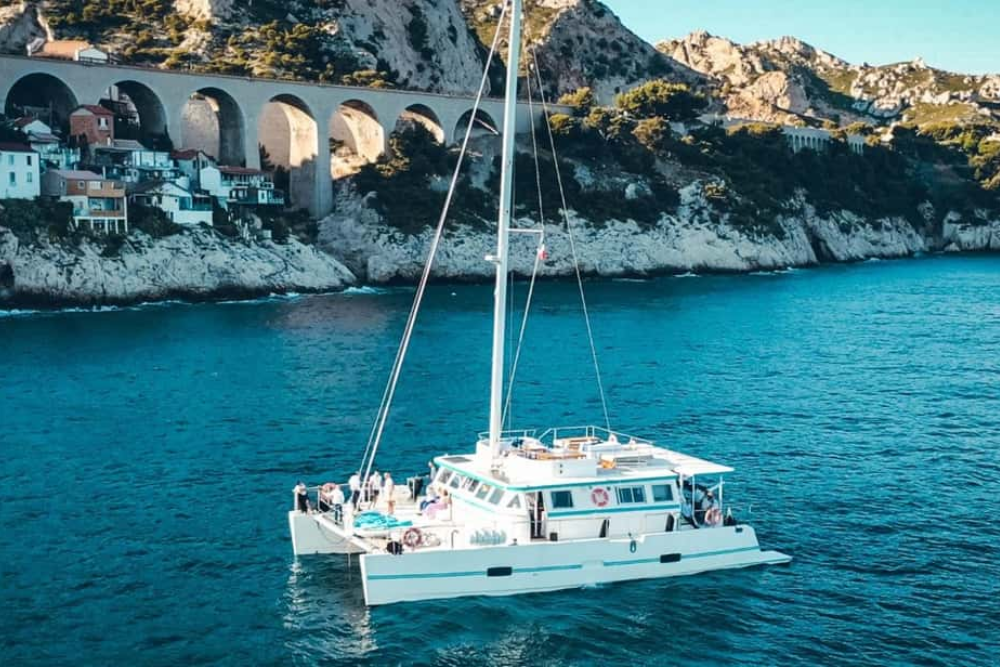
- A cruising outing to the Frioul Islands, found simply off the bank of Marseille, offers both experience and unwinding. The islands are known for their flawless sea shores, perfectly clear waters, and verifiable destinations. You can partake in a relaxed sail, investigate the islands, and even stop for a dip in probably the most tranquil spots in the district.
Vieux-Port (Old Port)
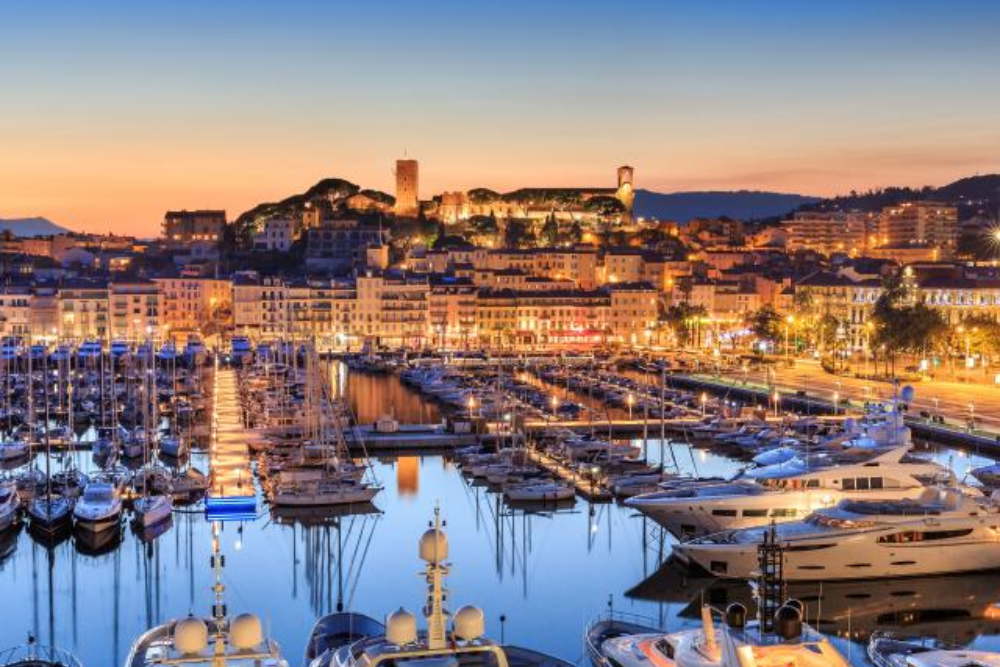
- The Vieux-Port is the core of Marseille, where the city’s set of experiences as a significant exchanging port shows some major signs of life. Encircled by lively bistros, eateries, and shops, this pleasant harbor offers dazzling perspectives on the Mediterranean and is the ideal spot to watch the boats or take a boat visit. It’s an energetic and notable region, saturated with the city’s oceanic legacy.
Basilique Notre-Woman de la Garde
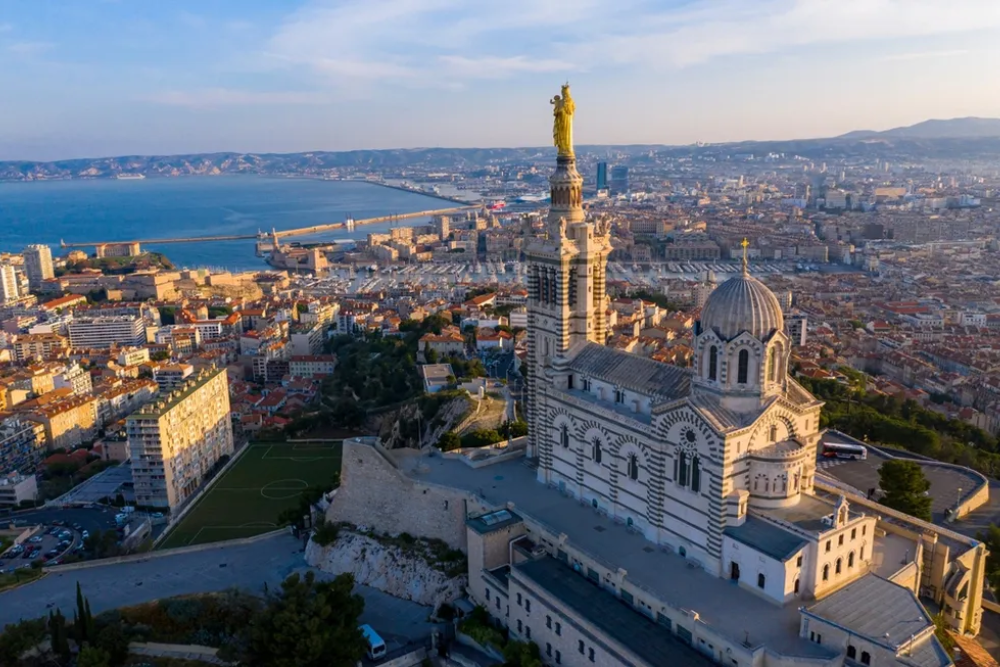
- Roosted on a slope, the Basilique Notre-Woman de la Garde is perhaps of Marseille’s most unmistakable milestone. This shocking neo-Byzantine church offers all encompassing perspectives on the city and the ocean beneath. It’s a journey site for local people and a must-visit for guests because of its great engineering, delightful mosaics, and stunning vistas.
Dos and Don’ts in marseille
Dos
- Do Greet People in French
The French appreciate it when visitors make an effort to speak their language. A simple “Bonjour” (Good day) when entering shops or cafés and “Merci” (Thank you) goes a long way in making a positive impression. - Do Enjoy the Local Cuisine
Marseille is famous for its seafood, especially the iconic bouillabaisse (a rich fish stew). Be sure to try local specialties such as panisse (chickpea fritters) and navette (orange-flavored biscuits). Marseille also has a vibrant food scene, from local markets to gourmet restaurants. - Do Embrace the Mediterranean Lifestyle
Marseille has a relaxed, laid-back atmosphere. Take time to enjoy leisurely meals, stroll along the Old Port, and soak in the beauty of the city and its surroundings. Parisians might be known for their hurried pace, but in Marseille, it’s all about enjoying life at a slower tempo.
Don’ts
- Don’t Speak Loudly in Public Spaces
Parisians are known for their quiet demeanor, but in Marseille, it’s even more important to be mindful of your volume, especially in more residential or intimate settings. Keep conversations at a respectful volume when walking around or dining in restaurants. - Don’t Skip the Local Etiquette
When entering shops, cafés, or even a friend’s home, always greet with “Bonjour” or “Bonsoir” depending on the time of day. It’s seen as rude to enter a place without acknowledging people first. - Don’t Expect the Service to Be Fast
While it may be frustrating for those used to quick service, especially in places like cafés or restaurants, Marseille’s dining culture tends to be more leisurely. Don’t rush your meal; take your time to enjoy the food and atmosphere.
Best time to reach in marseille
The best time to visit Marseille depends on your preferences for weather, activities, and crowds. Here’s a breakdown of the different seasons to help you plan your trip:
1. Spring (March to May)
- Temperatures range from 10°C (50°F) to 18°C (64°F), with occasional showers. Spring is a pleasant time to visit Marseille, with blooming flowers and moderate weather.
- Spring is one of the best times to explore the city without the intense heat of summer or the crowds of high season. The weather is perfect for outdoor activities like hiking in the Calanques or strolling through Marseille’s charming neighborhoods.
2. Summer (June to August)
- Summer in Marseille can be hot, with temperatures ranging from 20°C (68°F) to 30°C (86°F), and sometimes even higher during heatwaves. It’s sunny and perfect for beach days.
- If you’re a fan of lively atmospheres, festivals, and beach activities, summer is the time to visit. The city is buzzing with energy, and the Mediterranean Sea provides the perfect backdrop for outdoor adventures. However, it’s also the peak tourist season, so be prepared for larger crowds at popular attractions and beaches.
3. Autumn (September to November)
- Temperatures range from 16°C (61°F) to 25°C (77°F), and the weather is still pleasant, especially in September and early October. Autumn offers mild days and cool evenings.
- Autumn is a fantastic time to visit Marseille. The crowds start to thin out after the summer rush, but the weather remains comfortable for outdoor activities like hiking, sightseeing, and enjoying the Mediterranean coastline. The fall foliage in surrounding areas also adds to the charm.
4. Winter (December to February)
- Winter temperatures are mild compared to many other European cities, ranging from 5°C (41°F) to 12°C (54°F), with occasional rainfall. Snow is rare, but the weather can be chilly and damp.
- Winter is the least crowded time in Marseille, making it perfect for those who prefer a quieter experience. Major attractions, museums, and restaurants are still open, and hotel prices tend to be lower. The city’s festive lights and markets during the holiday season also add a magical touch.