


Introduction
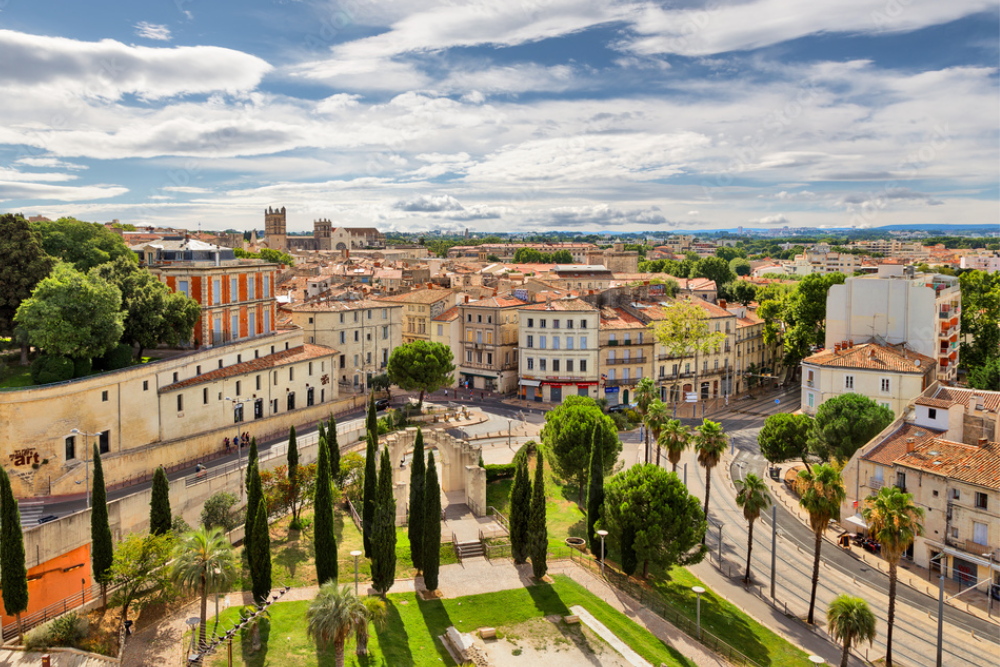
Montpellier is a dynamic and energetic city situated in the south of France, close to the Mediterranean Ocean. Known for its rich history, Mediterranean environment, and young energy, Montpellier mixes old-world beguile with current pizazz. The city’s noteworthy focus highlights thin, winding roads, wonderful squares like Spot de la Comedie, and great milestones like the Holy person Pierre Basilica and Musee Fabre. Montpellier is likewise famous for its engineering variety, with neoclassical designs in the Antigone region and state of the art present day structures.
Place de la Comedie
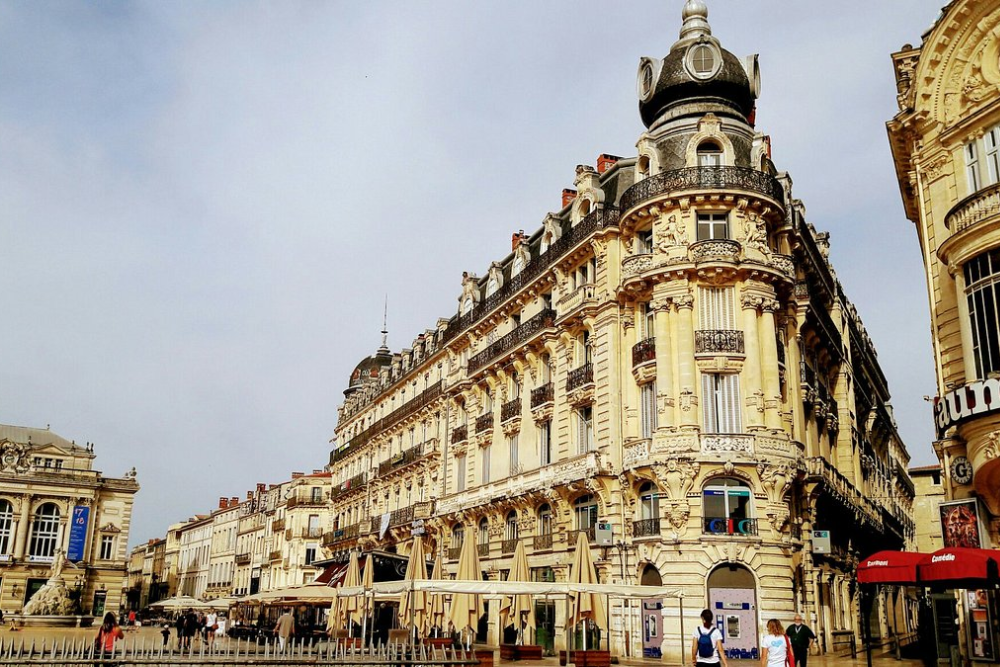
- Frequently alluded to as the “Heart of Montpellier,” this fabulous, open square is one of the city’s most famous milestones. Encircled by gorgeous eighteenth century structures, it’s a center of movement and an incredible spot to unwind or human watch. The Opera Comédie (a fantastic drama house) is situated here, adding to the square’s social importance.
- Go for a relaxed walk around the square, partake in the bistros, and respect the Three Graces Wellspring at the middle. It’s an incredible spot to begin your investigation of the city.
Montpellier’s Historic Center (Ecusson)
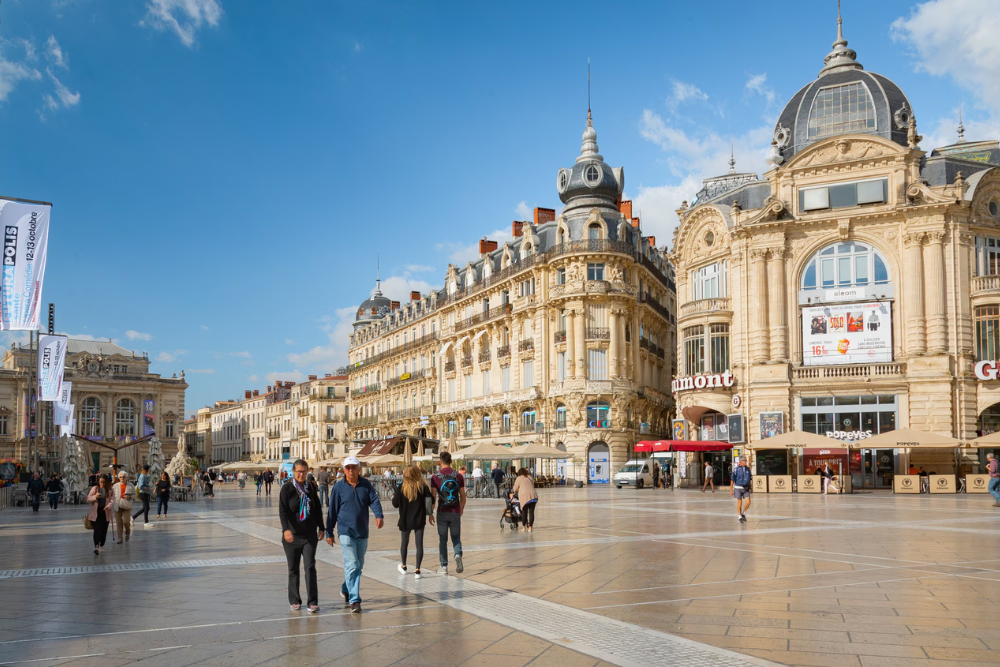
- The Ecusson is the memorable heart of Montpellier, with restricted roads, archaic design, and lively squares. It’s a labyrinth of enchanting paths loaded up with shops, bistros, and memorable locales.
- Meander the cobbled roads and find unexpected, yet invaluable treasures, including the Spot Holy person Roch, the Holy person Pierre House of prayer, and the Circular segment de Triomphe. The region is ideally suited for the people who love investigating old towns and absorbing nearby culture.
Jardin des Plantes (Botanical Garden)
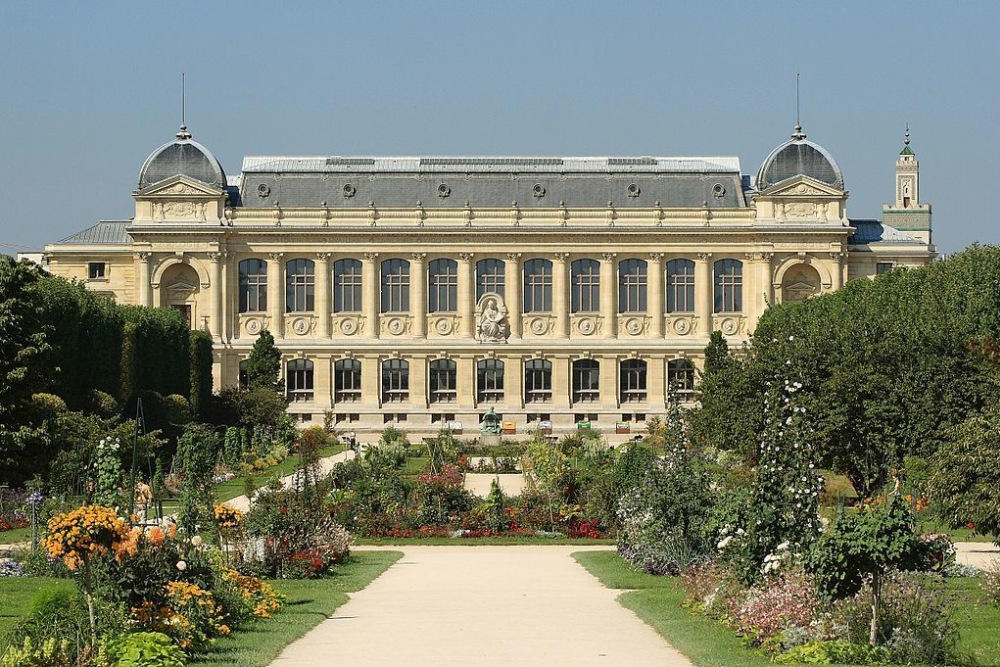
- Established in 1593, the Jardin des Plantes is perhaps of the most seasoned professional flowerbed in France. This lavish, quiet sanctuary is home to a wide assortment of plant species and lovely scenes.
- Meander through the peaceful nursery, investigate its themed regions like the restorative plant area, or basically loosen up by the little lake. The nursery likewise offers phenomenal perspectives on the city’s verifiable engineering.
Musée Fabre
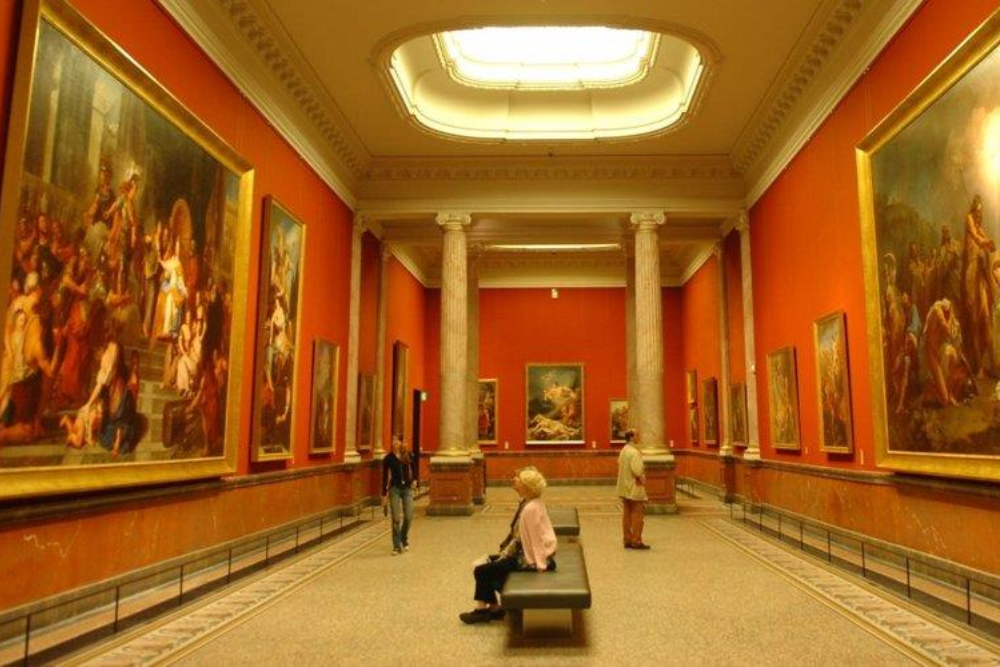
- This historical center is an unquestionable necessity for workmanship darlings, lodging a great assortment of European canvases, figures, and beautifying expressions from the Renaissance to the nineteenth 100 years.
- Put in a couple of hours respecting works by specialists like Delacroix, Courbet, and Chardin. The gallery is housed in an exquisite structure and is ideally suited for those keen on French and European craftsmanship history.
Montpellier Zoo (Parc Zoologique de Lunaret)
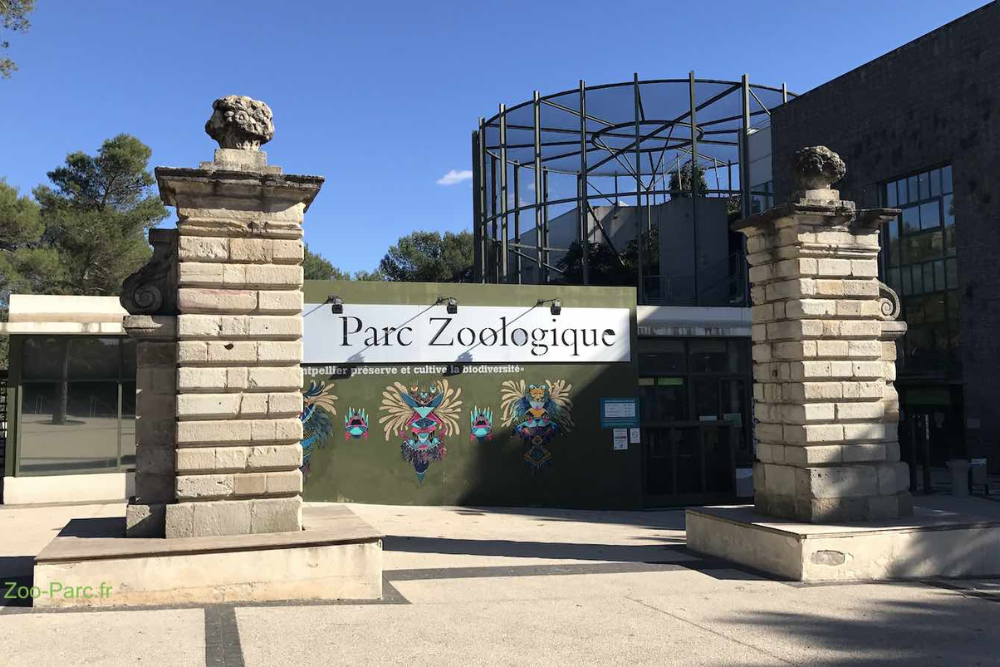
- One of the largest zoos in France, the Montpellier Zoo is located in a 80-hectare park near the Lunaret Nature Reserve. It’s home to over 1,000 animals from around the world.
- Explore the zoo’s different enclosures, which house species such as giraffes, elephants, and lemurs. There’s also an impressive aviary and a reptile house. It’s a fun and educational experience for families and animal lovers.
Promenade du Peyrou
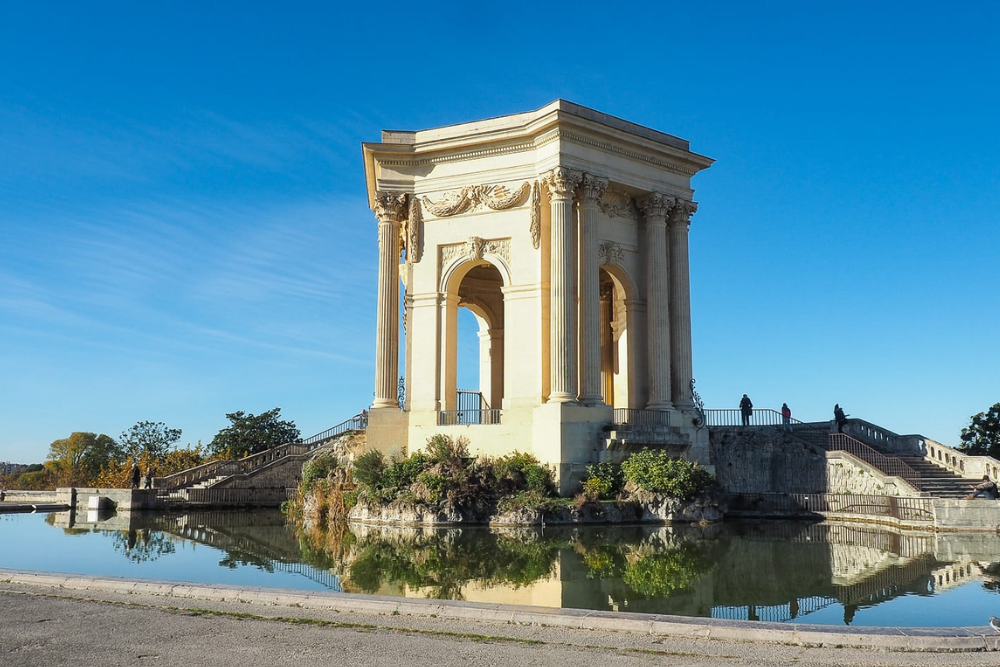
- This delightful promenade offers all encompassing perspectives on Montpellier and the encompassing open country. The Peyrou Palace and the Aqueduc Holy person Clément (a noteworthy water channel) add to the appeal of the area.
- Partake in a loosening up stroll along the promenade, respect the view from the highest point of the reservoir conduit, and visit the Peyrou Water Pinnacle, which is a well known spot for photographs.
Château de Flaugergues
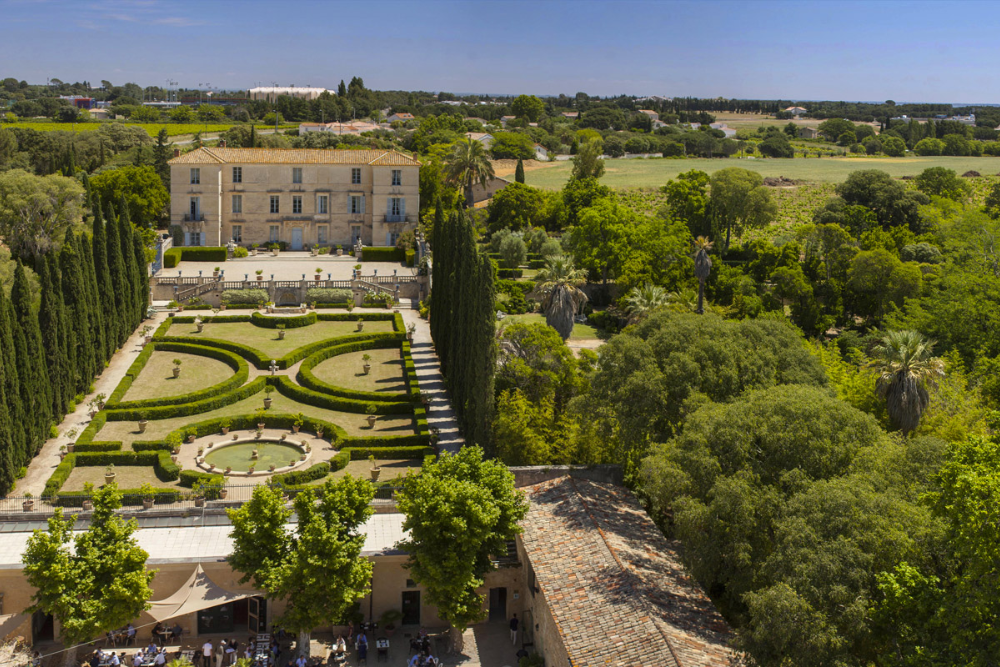
- This lovely eighteenth century château is encircled by nurseries and grape plantations, making it a tranquil and grand spot right external the downtown area.
- Investigate the château and its finished grounds, which are ideally suited for a cookout or a comfortable walk. You can likewise visit the wine basements and test nearby wines from the bequest.
Herault River and Gorges of Hérault
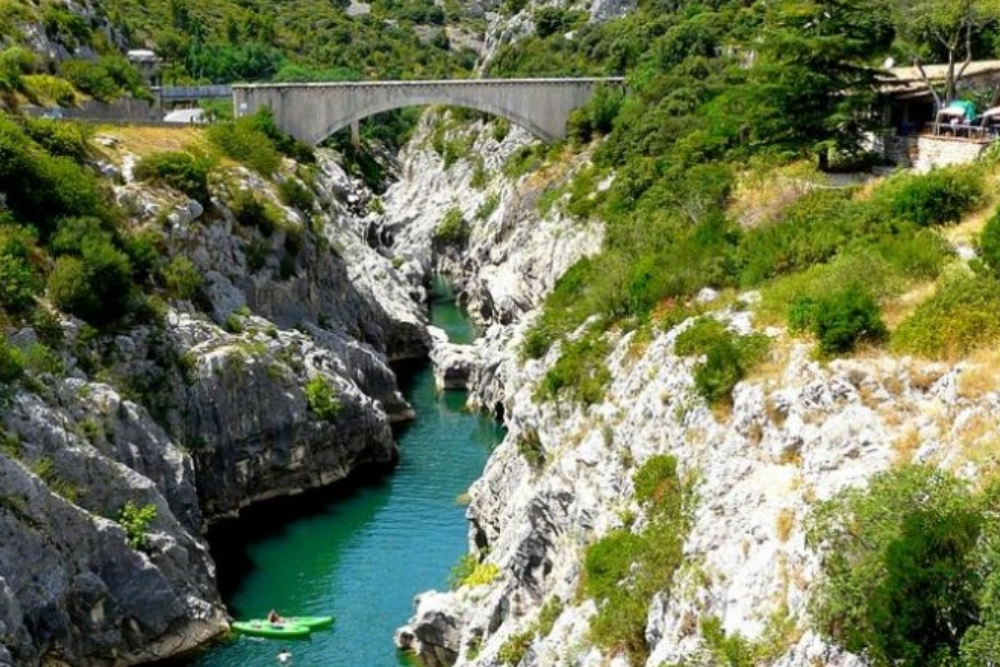
- For those looking for experience, the Hérault Stream and its encompassing chasms offer dazzling normal magnificence and a lot of chances for outside exercises.
- Kayak, kayak, or climb through the beautiful chasms, or go on a boat outing along the stream. The region is additionally well known for rock climbing, swimming, and investigating caves, making it an astonishing roadtrip from Montpellier.
Dos and Don’ts in Montpellier
When visiting Montpellier, it’s important to be aware of local customs, etiquette, and cultural expectations to ensure a respectful and enjoyable experience. Here are some Dos and Don’ts for tourists:
Dos
- Do Greet People Politely: In France, greetings are important. Always say “Bonjour” (Good day) when entering shops, restaurants, or meeting people. This is considered a sign of respect. When leaving, say “Au revoir” (Goodbye).
- Do Explore the Historic City Center: Montpellier’s Écusson (historic center) is a maze of charming streets filled with cafés, shops, and historic landmarks. Don’t miss the Place de la Comédie and Saint-Pierre Cathedral. Walk around and get lost in the beauty of the old town.
- Do Enjoy Local Cuisine and Wine: Montpellier is known for its delicious Mediterranean cuisine. Be sure to try regional dishes like tapas, pissaladière, and tarte aux pêches. The city is also home to many vineyards, so don’t miss the chance to taste some local wine.
Don’ts
- Don’t Rush Through Meals: French dining culture values the experience of eating slowly and savoring each dish. Don’t rush through your meal—take time to enjoy the flavors and the company. Dining is a social experience, so don’t hurry.
- Don’t Be Loud in Public Places: While Montpellier is a lively city, speaking loudly in public places is generally considered rude. Avoid being overly boisterous, especially in cafés, restaurants, or on public transport.
- Don’t Ignore Local Greetings: Not greeting people properly can be seen as impolite. Don’t enter shops, restaurants, or homes without saying “Bonjour” or “Bonsoir” (Good evening). French people are generally friendly but expect politeness.
Best time to reach in Montpellier
The best time to visit Montpellier, France, largely depends on your preferences for weather, crowds, and activities. Here’s a breakdown of different times to visit based on various factors:
1. Spring (March to May) – Best for mild weather and fewer tourists
- Less sightseers contrasted with the mid year months, making it a more loosened up experience.
- You can partake in the blossoming blossoms, investigate verifiable tourist spots like the Spot de la Comédie, and go to far-reaching developments without the mid year swarms.
2. Summer (June to August) – Best for warm weather and festivals
- This is top traveler season, so anticipate more groups, particularly in July and August.
- Montpellier has different celebrations and occasions, for example, the Celebration de Radio France et Montpellier (traditional music and show) and other outside shows. On the off chance that you partake in a vivacious environment, this is an ideal opportunity to go.
3. Autumn (September to November) – Best for mild weather and fewer tourists
- After the late spring rush, the groups decline, making it an extraordinary time for investigating without long queues or occupied roads.
- The weather conditions is as yet perfect for outside exercises, and the fall season brings brilliant foliage. It’s likewise a great time for wine darlings, as this is gather season in the Languedoc locale.
4. Winter (December to February) – Best for quiet exploration and lower prices
- This is the most un-active time, causing it ideal for the people who to favor a serene, calm insight.
- Montpellier’s Christmas markets and winter celebrations can very beguile. It’s additionally an astounding time for visiting galleries and indoor attractions without the groups.