


Introduction
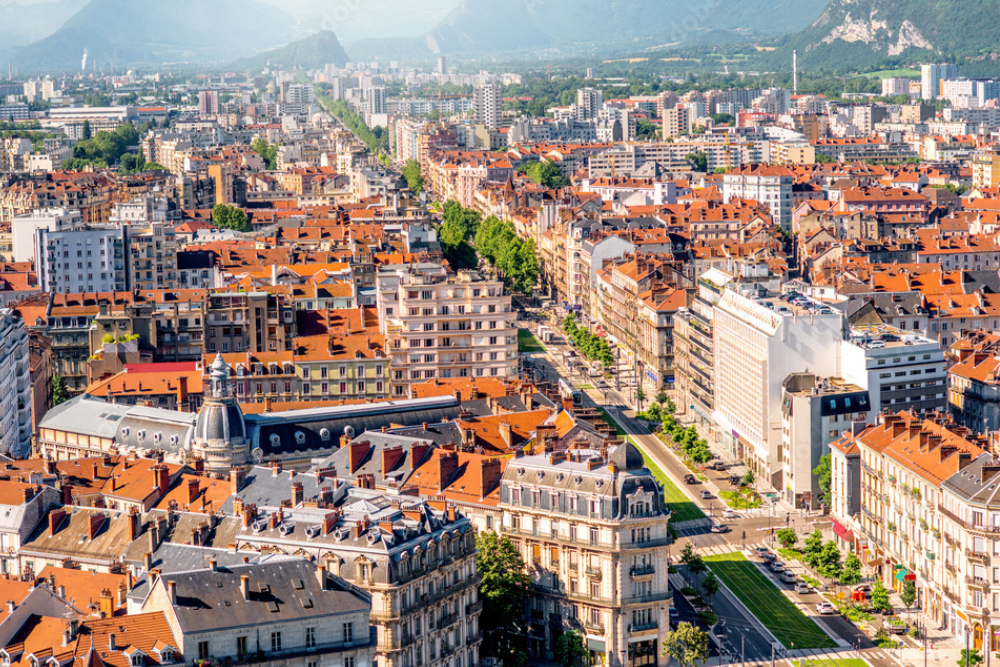
Grenoble is a powerful city situated in southeastern France, settled at the foot of the French Alps. Known as the “Capital of the Alps,” it is praised for its shocking regular excellence, with stunning mountain perspectives, and rich history, particularly with regards to the French Obstruction during The Second Great War. The city mixes current development with a profound social legacy, offering attractions, for example, the Bastille Slope with its notorious streetcars, the Historical center of Grenoble, and enchanting middle age roads.
Bastille Hill and the Fortifications
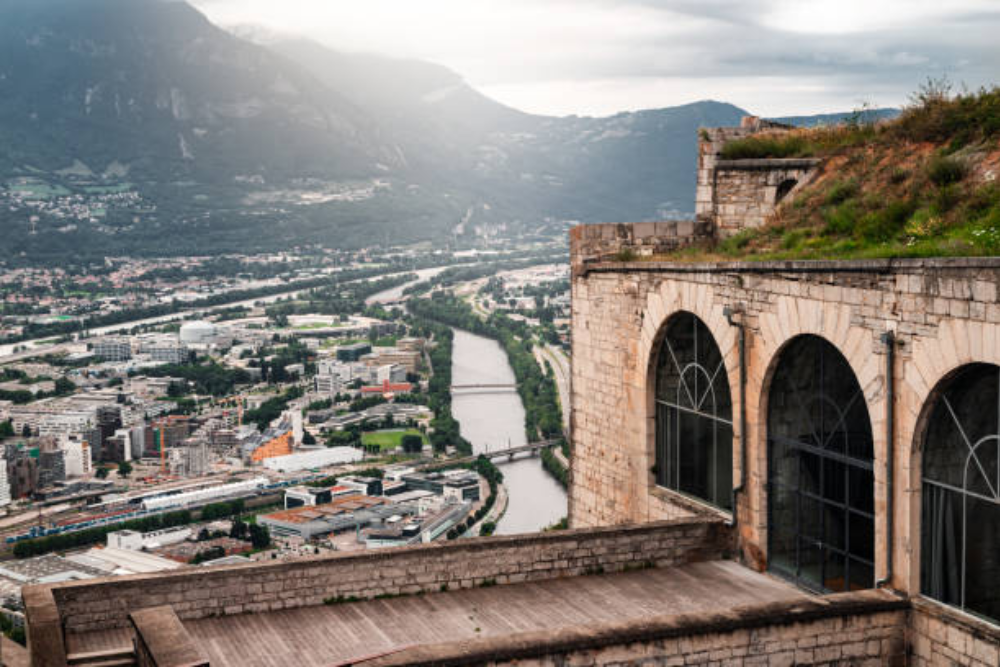
- The Bastille is one of Grenoble’s most iconic landmarks, offering panoramic views of the city, the surrounding mountains, and the Isère River. Visitors can take a cable car (the “Telepherique”) or hike up to the fortifications. Once at the top, there are several trails and historic sites, including ancient fortresses and military installations.
Museum of Grenoble (Musée de Grenoble)
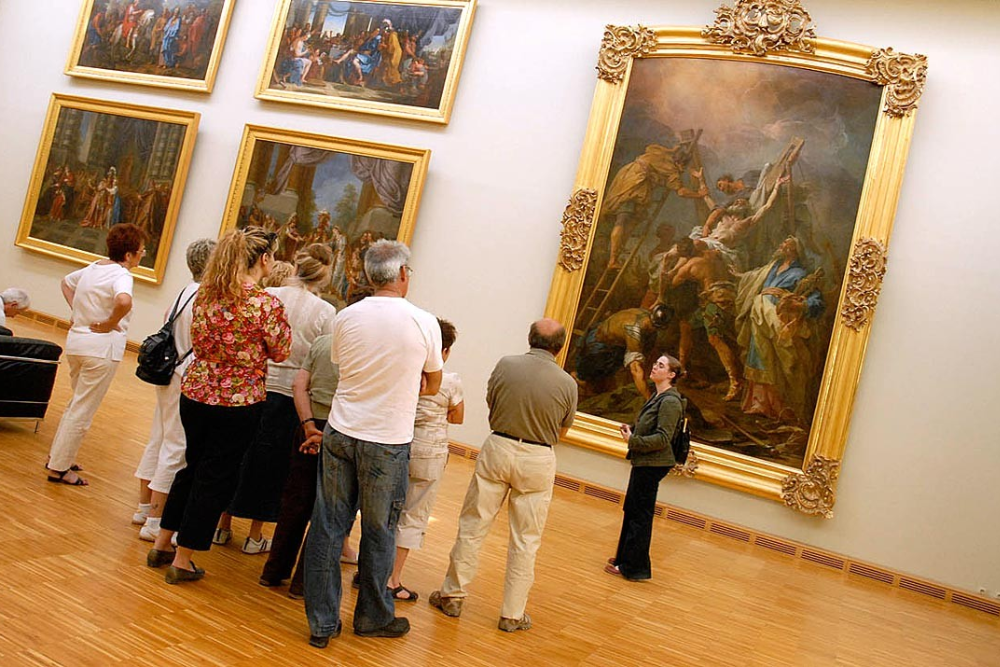
- This museum is a must for art lovers, housing an impressive collection of fine art spanning from ancient to contemporary works. It is considered one of the finest art museums in the region.
Grenoble Old Town (Centre-Ville)
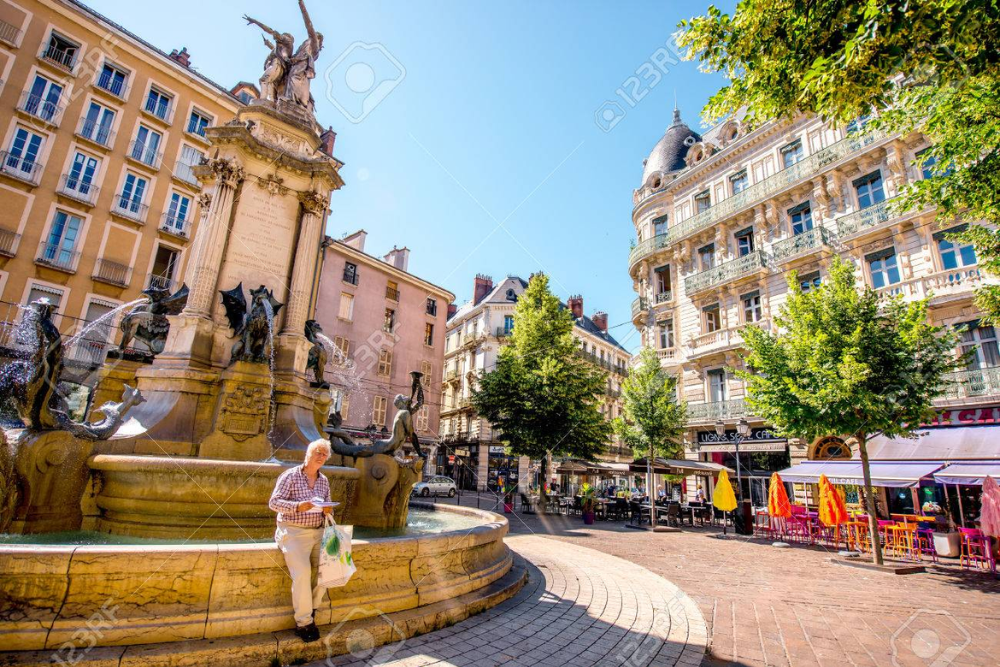
- The historical center of Grenoble is full of charm, with narrow cobblestone streets, old squares, and beautiful architecture. Don’t miss the picturesque Place Grenette, the Place Saint-André, and the Saint-Louis Church.
Musee de la Résistance et de la Deportation
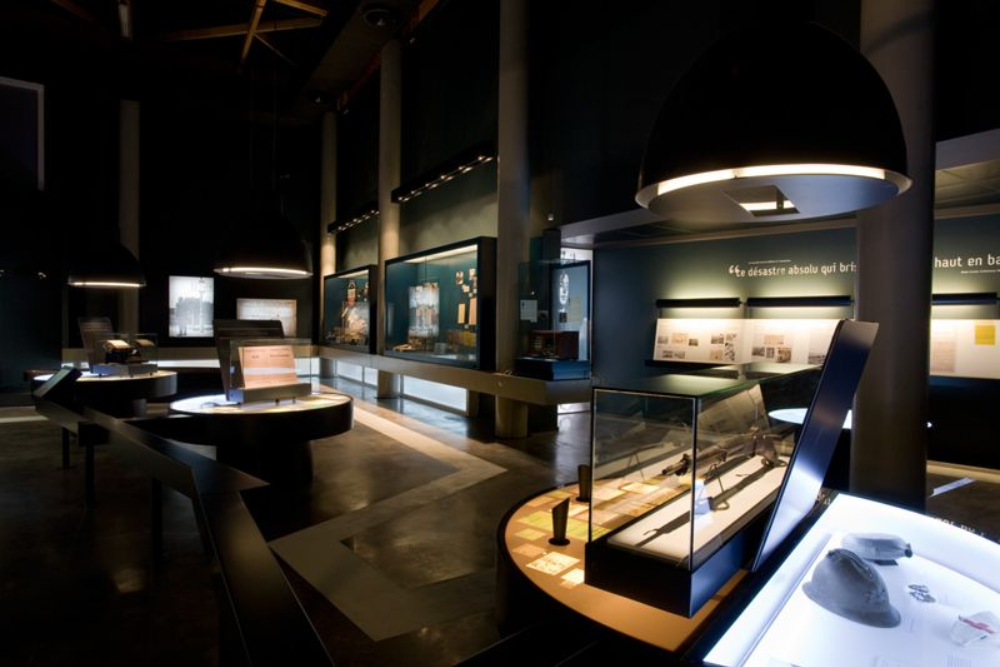
- This museum is dedicated to the history of World War II resistance and the deportation of Jews from the region during the war. It offers moving exhibits that reflect Grenoble’s role in the French resistance movement.
Parc Paul Mistral
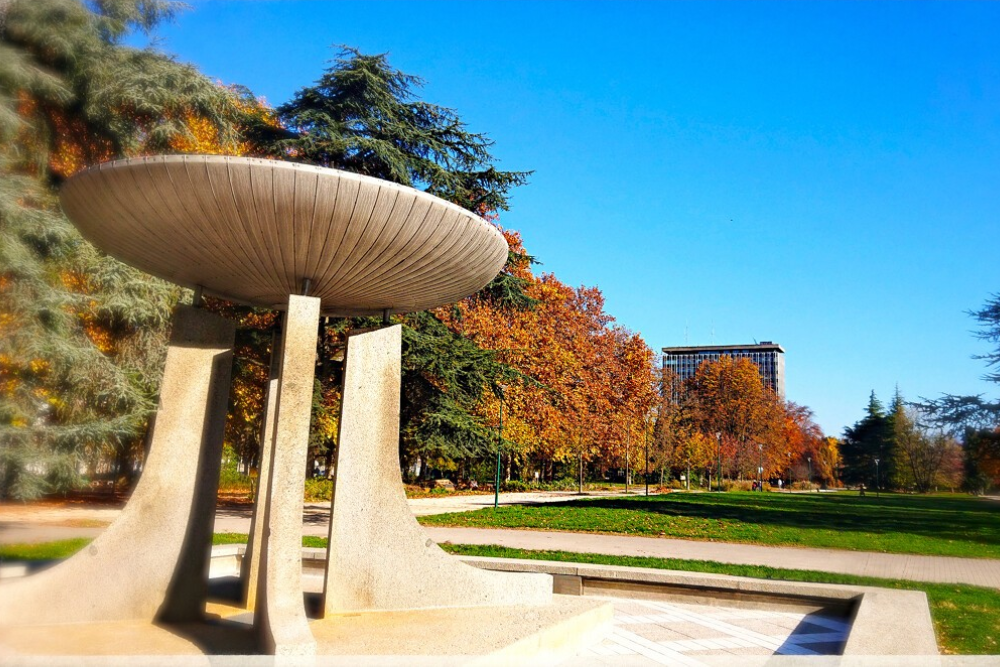
- This large public park is ideal for relaxing, picnicking, or simply enjoying the outdoors. The park has lovely walking paths, gardens, and the impressive Musee des Sciences (Museum of Science), located nearby.
Le Telepherique (Cable Car)
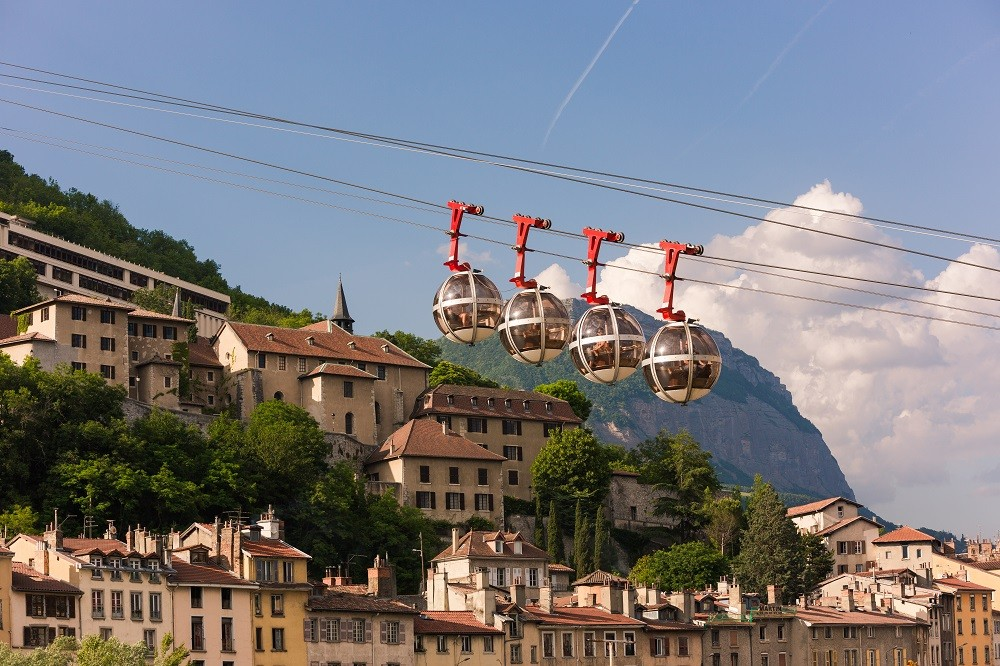
- The iconic cable cars, known as the “Bubbles,” are a fun and scenic way to reach the Bastille Hill. The ride itself offers breathtaking views of the surrounding mountains and the Isère River.
La Caserne de Bonne
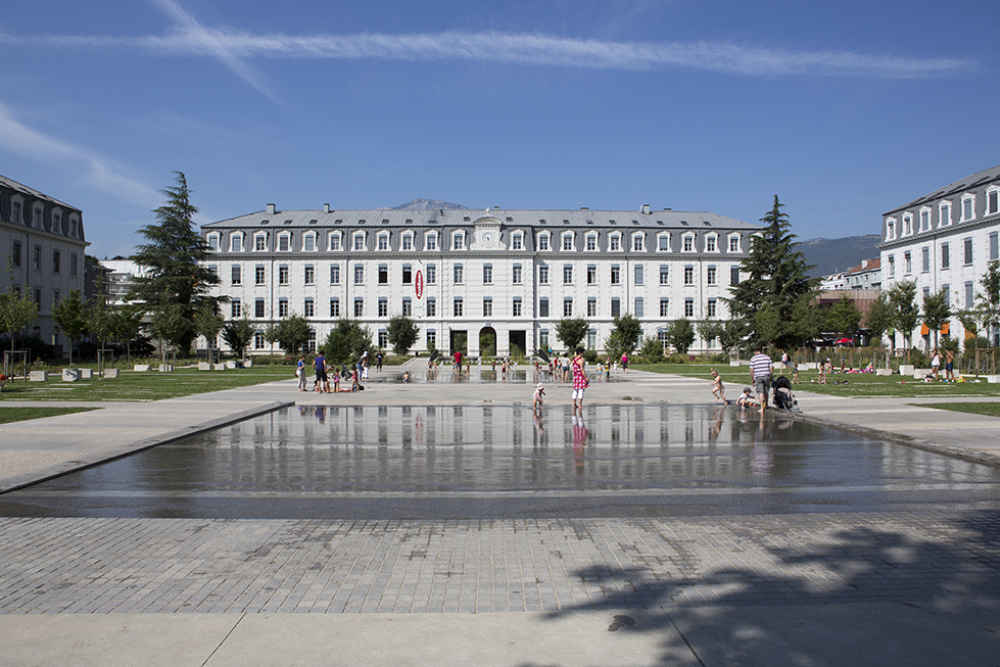
- This historic military barracks has been transformed into a modern cultural and shopping space. It’s a great place to explore if you want a mix of shopping, dining, and cultural experiences.
Dos and Don’ts in Grenoble
When visiting Grenoble, it’s essential to be mindful of local customs and etiquette to ensure a respectful and enjoyable experience. Here are some Dos and Don’ts to help you navigate the city:
Dos:
- Do Embrace Outdoor Activities: Grenoble is surrounded by beautiful mountains, so take advantage of outdoor activities like hiking, skiing (in winter), and cycling. The city’s proximity to nature makes it perfect for nature lovers.
- Do Use Public Transportation: Grenoble has an excellent public transportation system, including buses, trams, and even bike-sharing services. It’s a convenient and eco-friendly way to get around the city.
- Do Respect the Environment: The city takes pride in its eco-friendly initiatives. Be sure to recycle and follow waste disposal rules. Keep the environment clean, especially when enjoying outdoor spaces like parks or mountains.
Don’ts:
- Don’t Expect Everyone to Speak English Fluently: While many people in Grenoble speak some English, not everyone is fluent. It’s important to be patient and use basic French, especially in smaller, more local establishments.
- Don’t Disrespect the Local Culture: Grenoble is a city with a strong cultural identity, so avoid making negative comments about the city or its people. Respect local customs, and be aware of the city’s history, especially regarding its role in the French Resistance.
- Don’t Forget to Tip: Tipping is appreciated but not mandatory in France, as service is often included in the bill. However, leaving a small tip (around 5-10%) for good service is customary, especially in restaurants.
Best time to reach in Grenoble
The best time to visit Grenoble depends on the type of experience you’re seeking, as the city offers a variety of attractions throughout the year. Here’s a breakdown of the best times to visit based on different preferences:
1. Winter (December to February) – Best for Skiing and Snow Activities
- In the event that you really love winter sports, this is the best chance to visit Grenoble. The city is encircled by ski resorts like Chamrousse and Les Deux Alpes, offering superb skiing and snowboarding potential open doors. You can likewise appreciate winter climbing and snowshoeing in adjacent mountain ranges.
2. Spring (March to May) – Best for Mild Weather and Outdoor Exploration
- Spring is a phenomenal opportunity to visit Grenoble on the off chance that you favor milder temperatures and outside exercises like climbing and cycling. The city’s parks and encompassing nature show signs of life with wonderful blossoms and vegetation.
3. Summer (June to August) – Best for Hiking, Festivals, and Outdoor Events
- Summer in Grenoble offers warm climate, making it ideal for outside exercises, including climbing, cycling, and visiting the close by lakes and mountains. The city additionally has different celebrations, for example, the Grenoble Jazz Celebration and outside occasions.
4. Autumn (September to November) – Best for Mild Weather and Fewer Tourists
- Pre-winter is a lovely opportunity to visit Grenoble, with fresh air, bright fall foliage, and less sightseers contrasted with the mid year months. The weather conditions is as yet gentle, making it incredible for investigating both the city and the encompassing mountains.