


Introduction
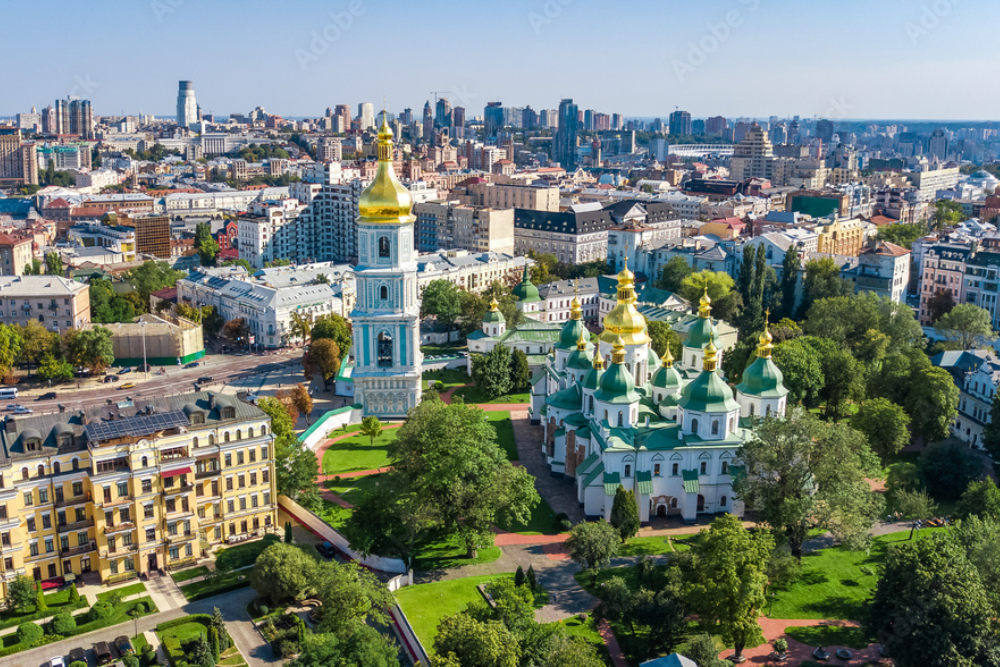
Sofia, the capital of Bulgaria, is a dynamic city that mixes old history, current culture, and dazzling normal scenes. The city’s features incorporate the famous Alexander Nevsky Basilica, the middle age frescoes of Boyana Church (an UNESCO World Legacy Site), and the Serdica Roman Remnants, displaying Sofia’s rich past. Nature darlings can disappear to Vitosha Mountain, simply a short drive away, for climbing, skiing, and stunning perspectives.
Alexander Nevsky Cathedral
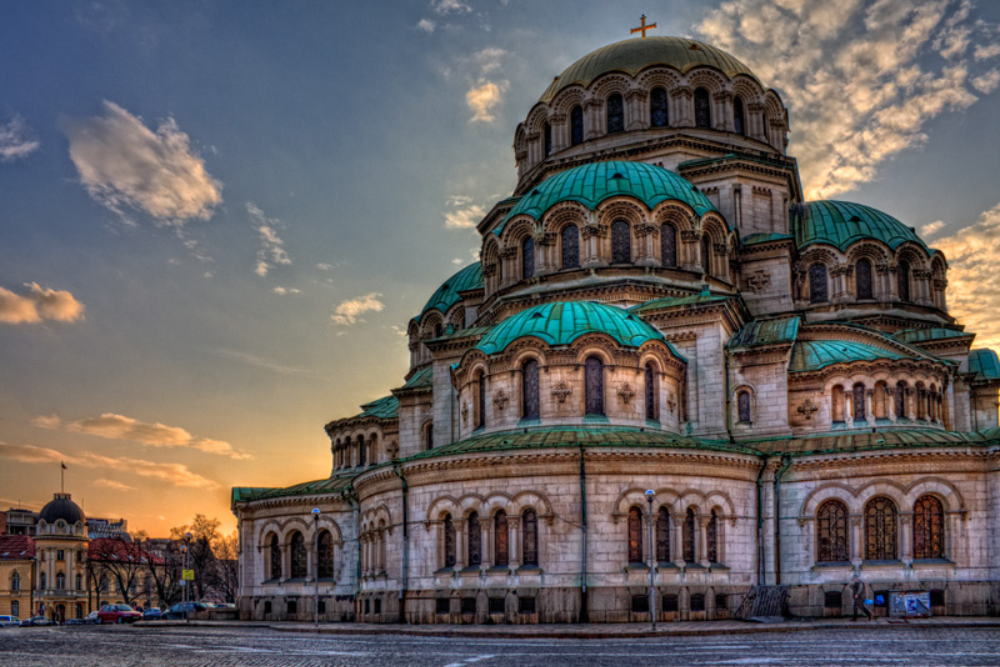
- One of the largest Eastern Orthodox cathedrals in the world, this iconic landmark dazzles visitors with its gold-plated domes and impressive neo-Byzantine architecture. Inside, marvel at intricate frescoes, mosaics, and religious artifacts.
Vitosha Boulevard
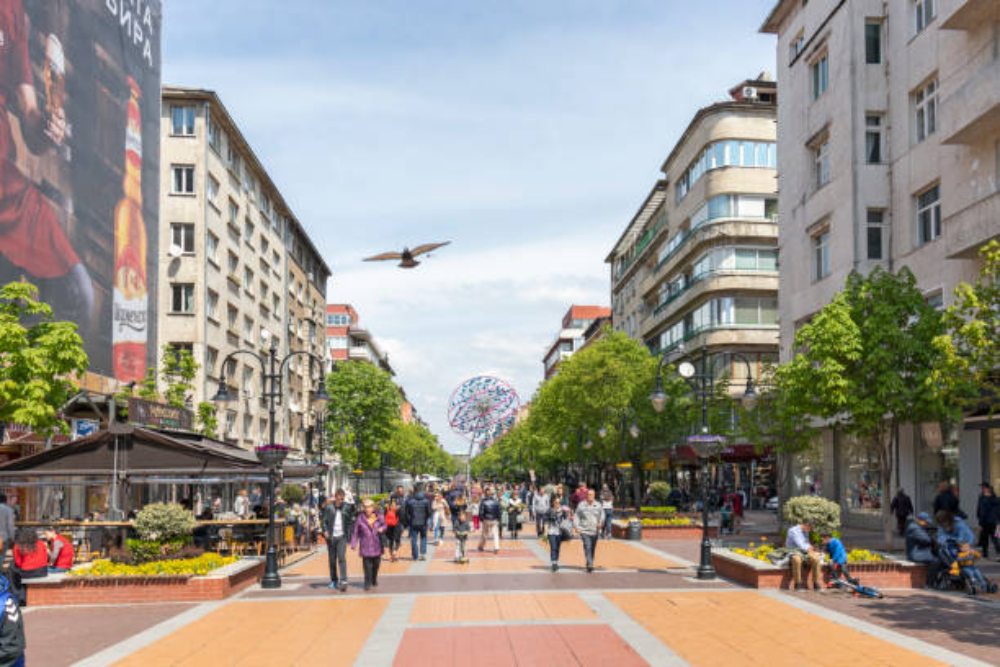
- Sofia’s main shopping and dining street is perfect for leisurely strolls. Enjoy a mix of high-end boutiques, local shops, and vibrant cafés with stunning views of Vitosha Mountain.
Boyana Church (UNESCO World Heritage Site)
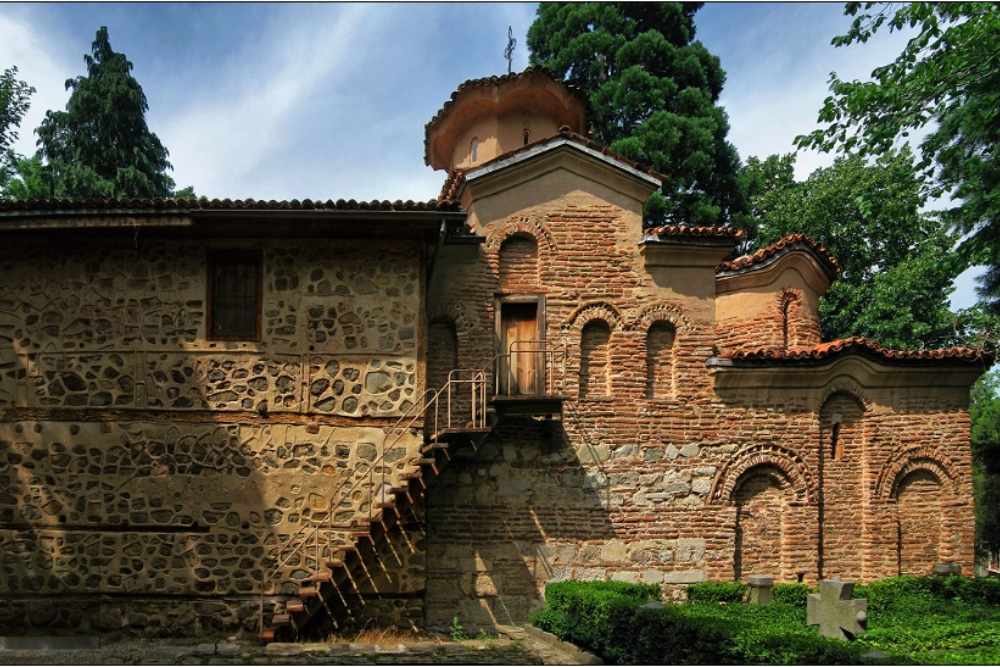
- Located on the outskirts of Sofia, this medieval church is famous for its exquisite frescoes dating back to the 13th century. It’s a must-see for art and history enthusiasts.
Hiking on Vitosha Mountain
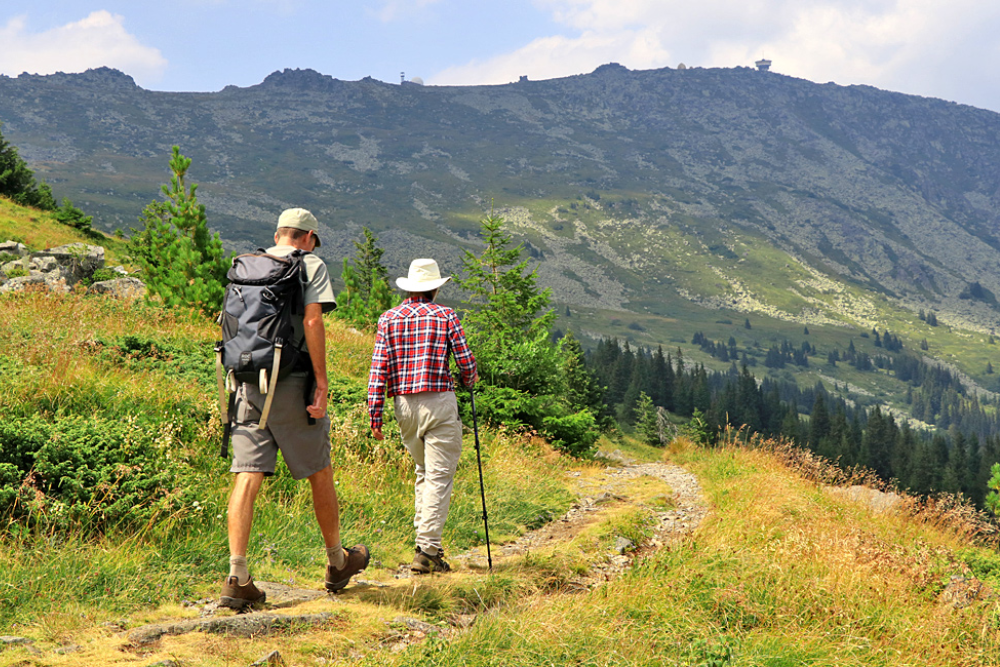
- Just a short drive from the city center, Vitosha Mountain is a haven for outdoor enthusiasts. Popular trails lead to breathtaking spots like Boyana Waterfall and Cherni Vrah (Black Peak), the mountain’s highest point. Winter visitors can enjoy skiing or snowboarding at Aleko Ski Resort.
Rock Climbing

- The Vitosha Mountain area offers excellent rock climbing opportunities for both beginners and experts. Local climbing schools can guide you through exciting routes.
Mountain Biking

- Thrill-seekers can explore the rugged trails of Vitosha by bike. Rent a mountain bike and ride through picturesque forests, open meadows, and rocky terrains.
Escape Rooms
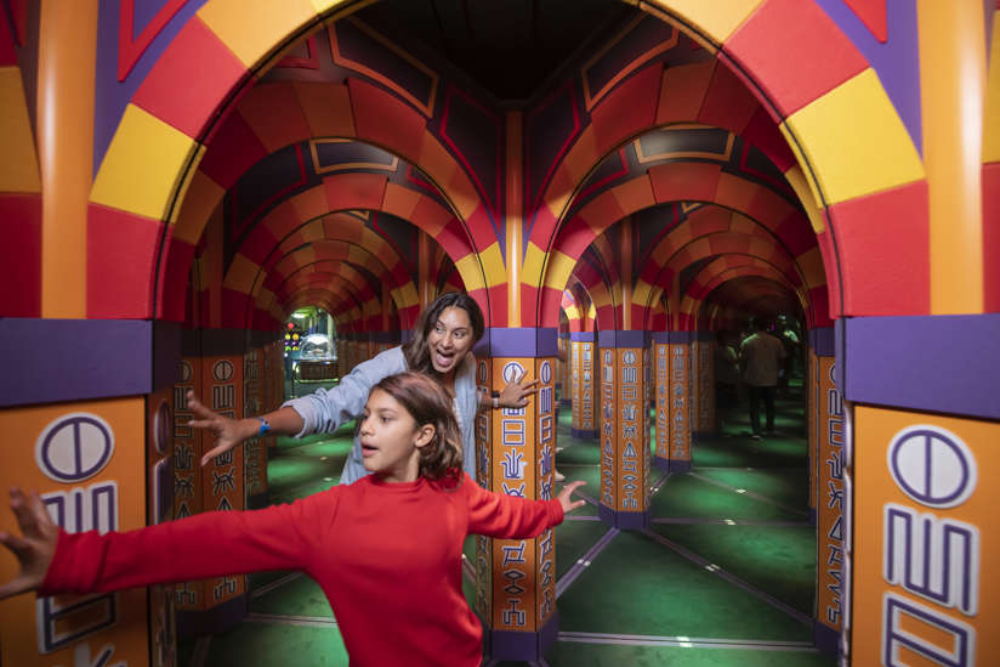
- Sofia boasts a variety of themed escape rooms for a fun, adrenaline-pumping indoor adventure. Popular themes range from historical mysteries to sci-fi challenges.
Dos and Don’ts in Sofia
Here’s a helpful guide to the Dos and Don’ts in Sofia to ensure a smooth and enjoyable visit:
Dos
- Do Explore on Foot: Sofia’s city center is compact, and many attractions like Alexander Nevsky Cathedral, Serdica Ruins, and Vitosha Boulevard are within walking distance.
- Do Visit Local Markets: Explore markets like the Central Market Hall and Zhenski Pazar for fresh produce, souvenirs, and authentic Bulgarian snacks.
- Do Use Public Transport: Sofia’s metro system is clean, affordable, and efficient. Trams and buses are also great options for getting around.
Don’ts
- Don’t Assume Everyone Speaks English: While many younger Bulgarians speak English, not everyone does. Carry a translation app or phrasebook for easier communication.
- Don’t Forget About Pickpockets: Like in any major city, be cautious with your belongings, especially in crowded areas or on public transport.
- Don’t Ignore Cultural Etiquette: In Bulgaria, nodding your head means “no,” and shaking your head means “yes.” This can be confusing, so clarify if unsure.
Best time to reach in Sofia
The best time to visit Sofia depends on your preferences, as the city offers unique experiences throughout the year. Here’s a guide to help you choose:
Spring (March to May)
- The weather is mild and pleasant, with blooming parks and gardens, such as Borisova Gradina. It’s perfect for sightseeing and outdoor activities.
Summer (June to August)
- Warm weather and long daylight hours make it ideal for city exploration and nearby mountain adventures. Events like the Sofia Music Weeks Festival take place during this season.
Autumn (September to November)
- The city is adorned with golden autumn foliage, and the weather is cool and crisp, offering great conditions for sightseeing and hiking.
Winter (December to February)
- Sofia transforms into a winter wonderland, especially with snow-covered Vitosha Mountain nearby. Winter sports enthusiasts can enjoy skiing or snowboarding.