


Introduction
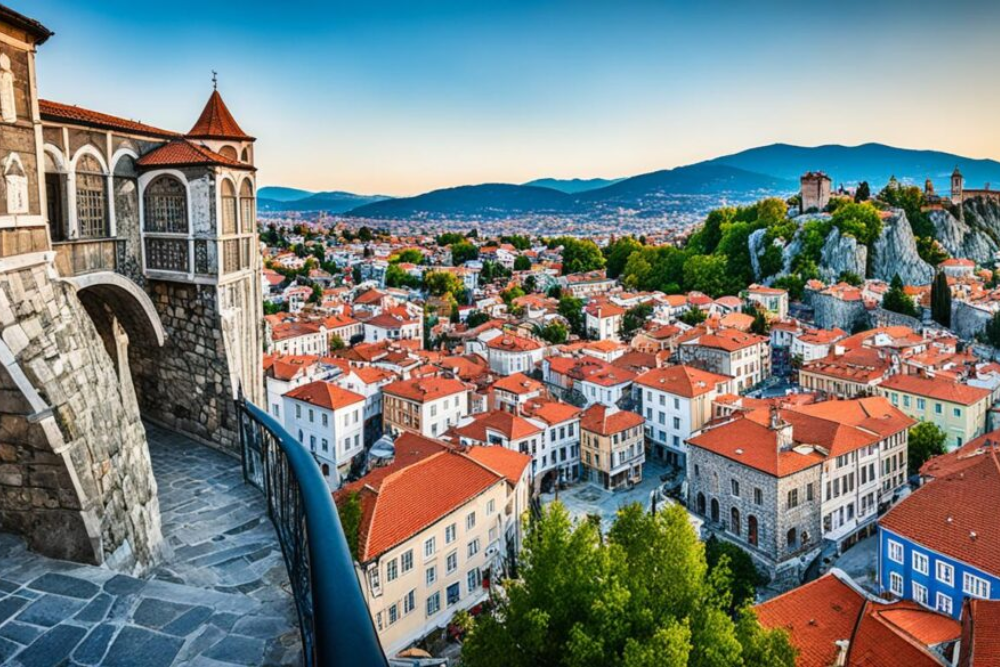
Plovdiv, perhaps of Europe’s most seasoned city, offers an entrancing blend of history, culture, and present day beguile. Known for its delightfully safeguarded Roman remnants, for example, the Old Theater and Roman Arena, the city additionally flaunts a charming Old Town loaded up with nineteenth century Bulgarian Recovery houses. The imaginative Kapana region beats with inventiveness, offering displays, stores, and road craftsmanship.
The Ancient Theatre of Philippopolis
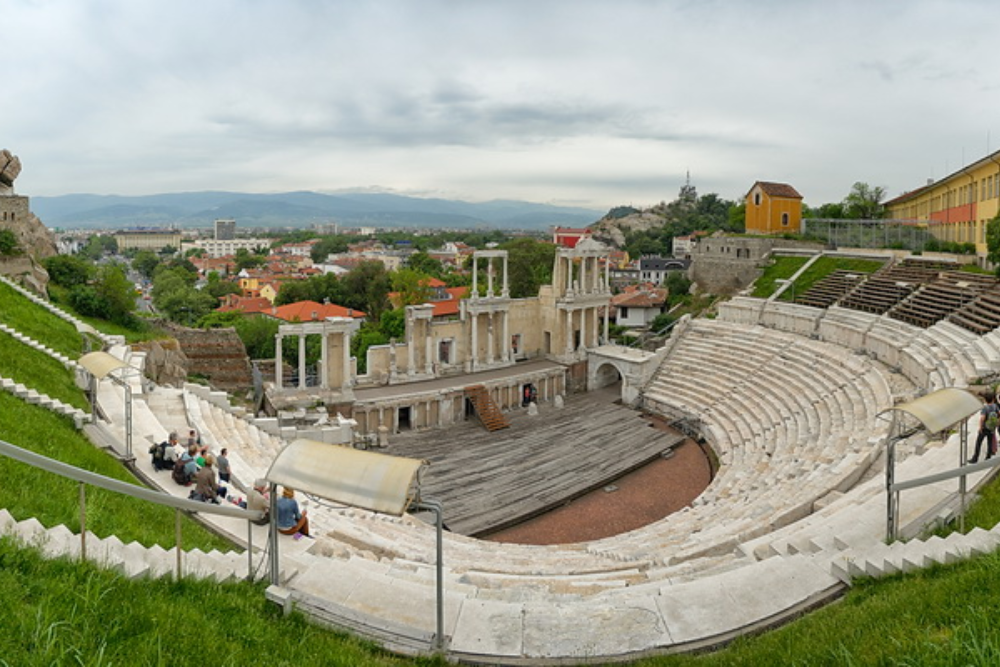
- One of Plovdiv’s crown jewels, the Ancient Theatre of Philippopolis, dates back to the 1st century AD. This remarkably well-preserved Roman amphitheater once hosted gladiator fights and dramatic performances. Today, it continues to serve as a venue for concerts, opera, and festivals. With a seating capacity of 7,000, visitors can marvel at its architecture while enjoying breathtaking views of the city from its elevated location.
Old Town of Plovdiv

- The Old Town is a living museum, showcasing Plovdiv’s rich past. Stroll through its cobblestone streets lined with beautifully restored 19th-century Bulgarian Revival houses. Highlights include:
Kapana Creative District
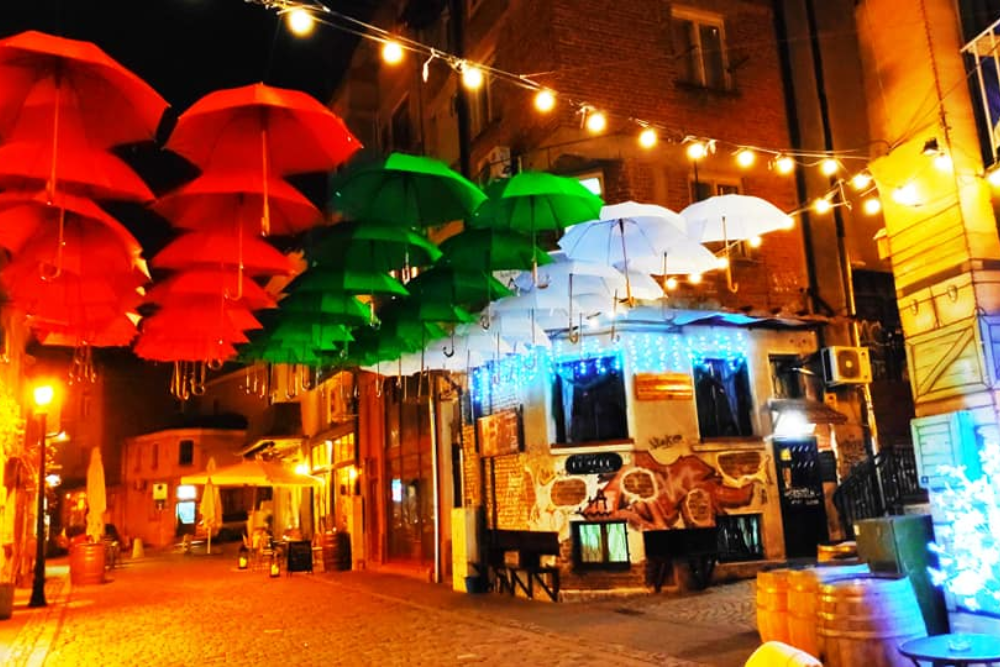
- Kapana, meaning “The Trap,” is Plovdiv’s artistic and cultural hub. Once a maze of craft workshops, it has been revitalized into a trendy neighborhood filled with boutique shops, art galleries, cafes, and bars. It’s the perfect place to explore street art, shop for handmade souvenirs, or simply relax and soak in the vibrant energy of the city.
Plovdiv Roman Stadium
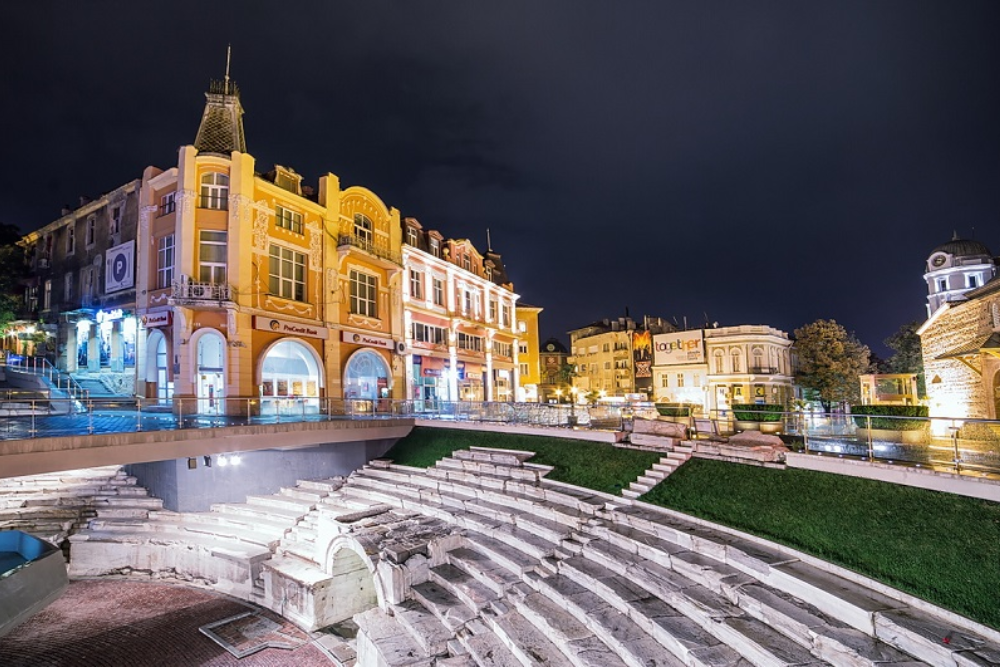
- Located beneath the bustling Dzhumaya Square, the Roman Stadium of Philippopolis is another architectural marvel from the Roman era. While only a portion is visible today, visitors can learn about its history through an interactive exhibition and imagine the grandeur of this once 30,000-capacity stadium.
Alyosha Monument
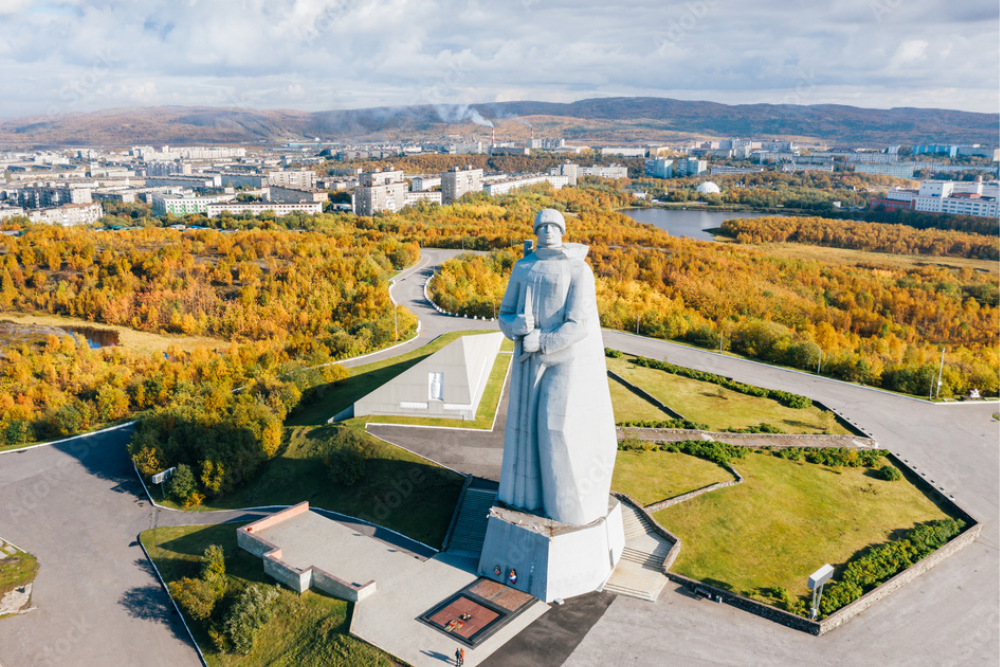
- For a mix of history and outdoor adventure, hike to the Alyosha Monument, dedicated to Soviet soldiers who fought in World War II. The trail leads to the top of Bunardzhik Hill, offering stunning views of Plovdiv and its surroundings.
Tsar Simeon’s Garden and Singing Fountains
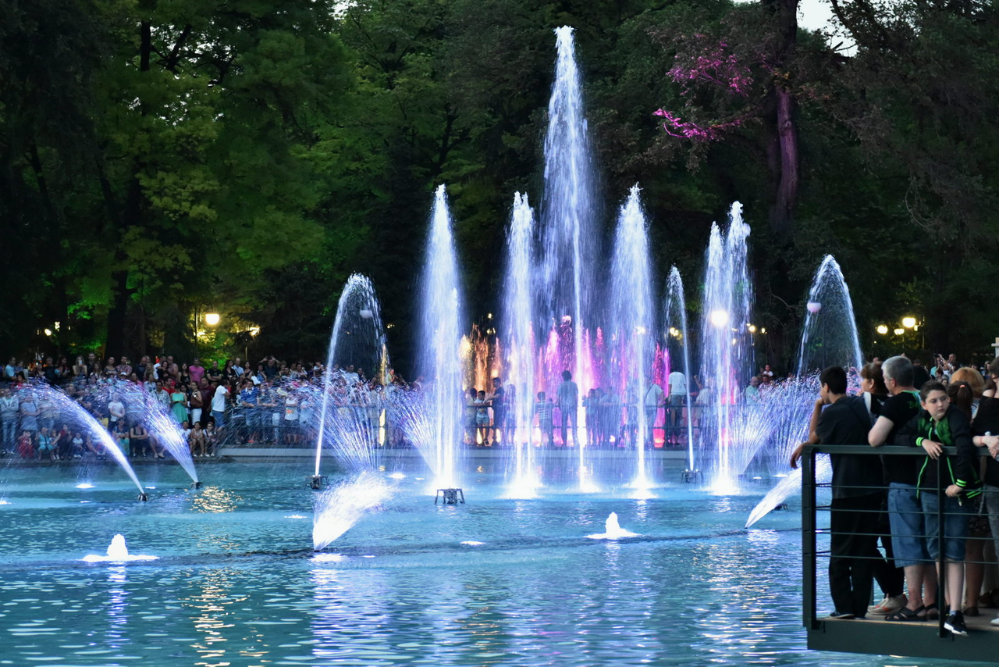
- This lush park in the city center is perfect for relaxation. The highlight is the Singing Fountains, which come alive in the evenings with a spectacular light and music show. It’s a favorite spot for both locals and tourists.
Bachkovo Monastery (Day Trip)
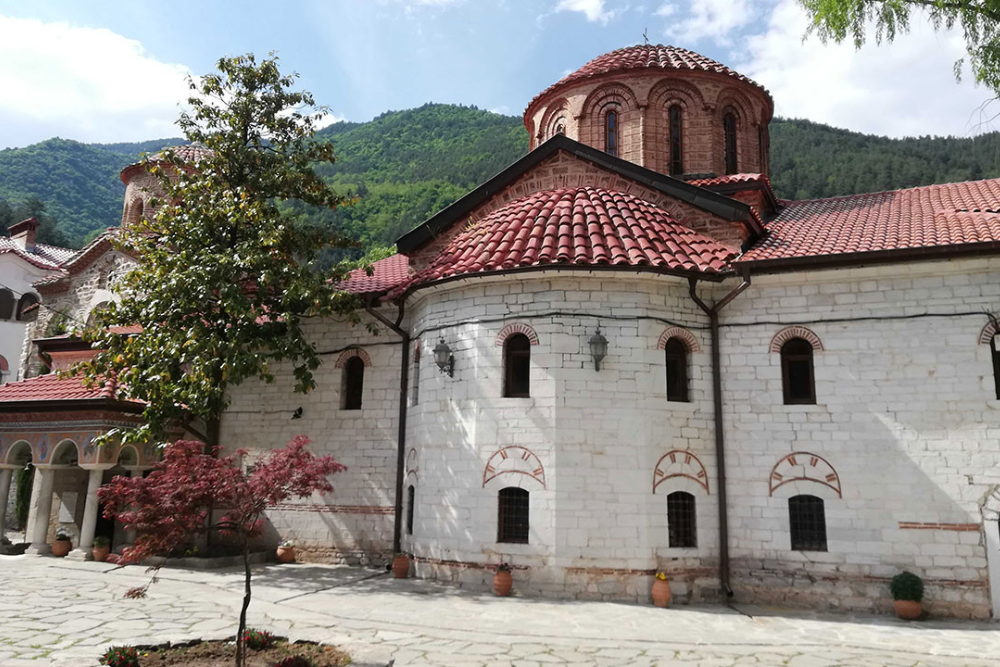
- Located 30 minutes from Plovdiv, the Bachkovo Monastery is a spiritual retreat nestled in the Rhodope Mountains. Renowned for its stunning frescoes and peaceful ambiance, it’s one of Bulgaria’s most significant monasteries.
Dos and Don’ts in Plovdiv
Here’s a guide to the Dos and Don’ts in Plovdiv to ensure a smooth and respectful experience while exploring this historical and vibrant city:
Dos
- Do Explore the Old Town: Stroll through the cobblestone streets of Plovdiv’s Old Town, where you can admire 19th-century houses, art galleries, and ancient ruins like the Roman Theatre.
- Do Visit the Roman Ruins: Plovdiv is rich in ancient history. Don’t miss the Ancient Theatre of Philippopolis, Roman Stadium, and the Bachkovo Monastery for a glimpse into its Roman and medieval past.
- Do Enjoy the Local Cuisine: Try traditional Bulgarian dishes like shopska salad, kavarma, and banitsa. Be sure to visit local restaurants to savor authentic food.
Don’ts
- Don’t Expect Everyone to Speak English: While many younger people do speak English, not everyone does. Be patient and try using simple phrases or a translation app if needed.
- Don’t Ignore Local Customs: In Bulgaria, it’s common to shake your head for “yes” and nod for “no.” This can be confusing, so be mindful when interacting with locals.
- Don’t Miss the Local Markets: Plovdiv is famous for its markets, so don’t miss the chance to visit the Central Market Hall and Zhenski Pazar to experience the authentic local atmosphere.
Best time to reach in Plovdiv
The best time to visit Plovdiv depends on your preferences for weather and activities. Here’s a breakdown of what to expect in each season:
Spring (March to May)
- Spring is one of the most pleasant times to visit Plovdiv. The weather is mild and the city’s parks and gardens are in full bloom. It’s perfect for outdoor activities and sightseeing, with fewer crowds than in summer.
Summer (June to August)
- Plovdiv’s summer months are warm, making it a great time for outdoor events, festivals, and concerts, especially in the Ancient Theatre. The city is buzzing with activity, and you can enjoy evenings in the Kapana district.
Autumn (September to November)
- Autumn is an excellent time for those who prefer cooler weather and fewer tourists. The fall foliage in the parks and hills surrounding the city offers stunning views, and the temperatures are perfect for sightseeing and hiking.
Winter (December to February)
- Winter is quiet and peaceful in Plovdiv, with a festive charm during the Christmas season. While snow can occasionally fall, it’s usually not too harsh, and you can explore the city’s indoor attractions like museums and galleries.