


Introduction
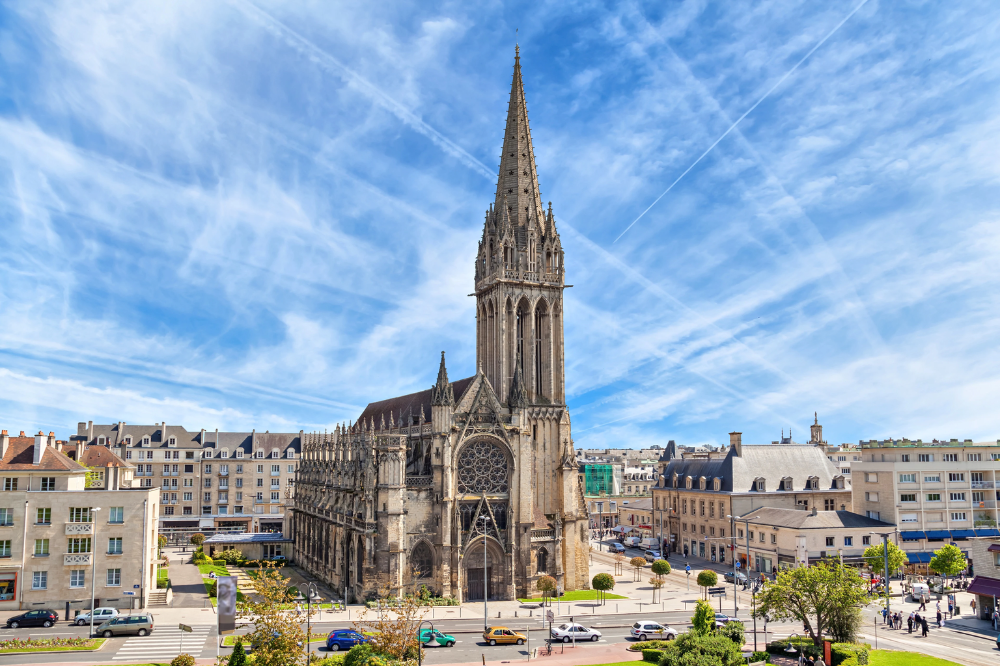
Caen is a historic city located in the Normandy region of northern France. It is known for its rich history, particularly during World War II, and its stunning medieval architecture. Key landmarks include the Caen Castle, which dates back to the 11th century, and the Abbaye aux Hommes, a beautiful abbey founded by William the Conqueror. The city is also home to museums like the Memorial de Caen, which educates visitors about World War II and the D-Day landings. Caen has a charming atmosphere with vibrant streets, cafes, and proximity to the Normandy beaches.
Normandy Beaches
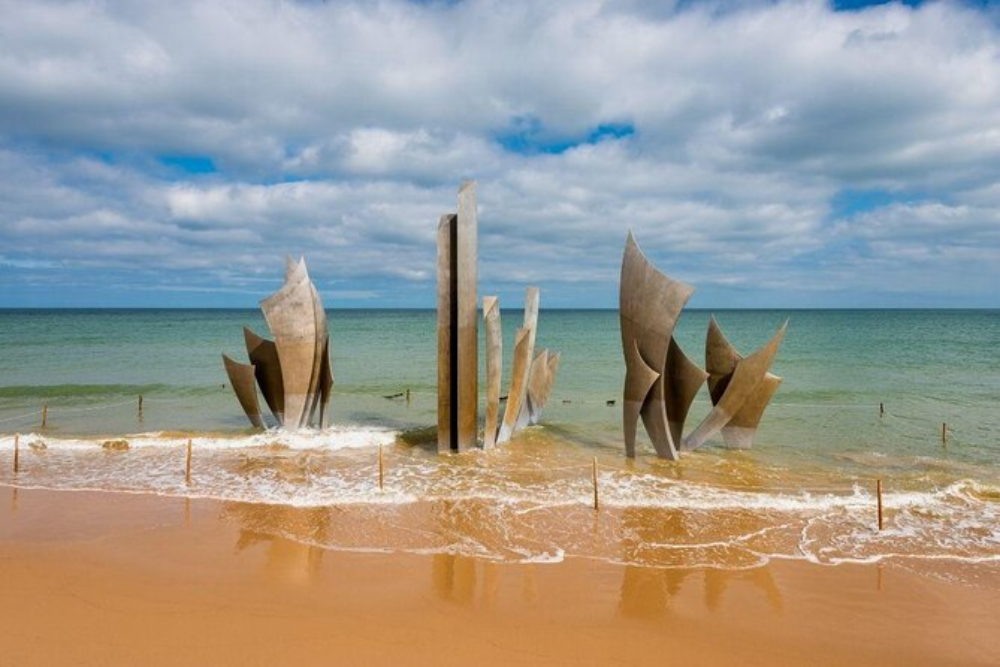
- Caen is an entryway to the memorable Normandy sea shores, where guests can set out on directed visits to investigate the D-Day landing locales. The most popular sea shores, similar to Utah Ocean side, Omaha Ocean side, and Juno Ocean side, offer a moving and instructive experience. These visits give understanding into the associated powers’ arrivals on June 6, 1944, during The Second Great War, permitting voyagers to investigate the essential destinations, combat zones, and remembrances.
Hiking in the Caen Countryside
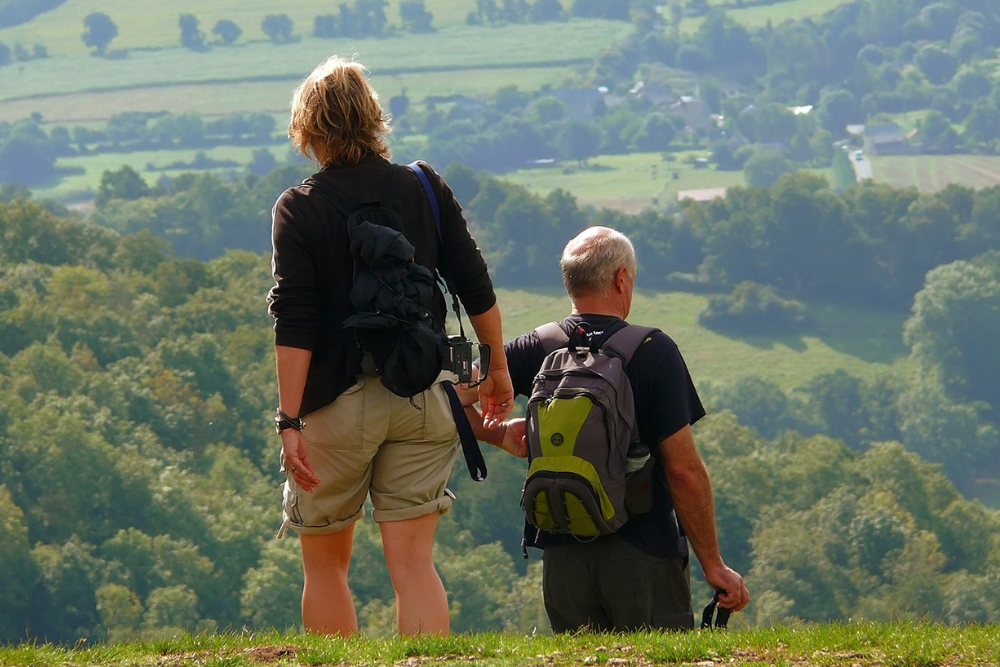
- The encompassing field of Caen is rich with normal magnificence, offering astounding climbing amazing open doors. Trails go through rich timberlands, moving slopes, and pleasant towns. One well known trail is the “Sentier des Coteaux,” which runs along the banks of the Orne Waterway and through enchanting scenes. Nature sweethearts can likewise investigate the dazzling marshlands of the Orne Stream and the close by Pays d’Auge district, known for its juice plantations and moving slopes.
Biking along the Pegasus Bridge
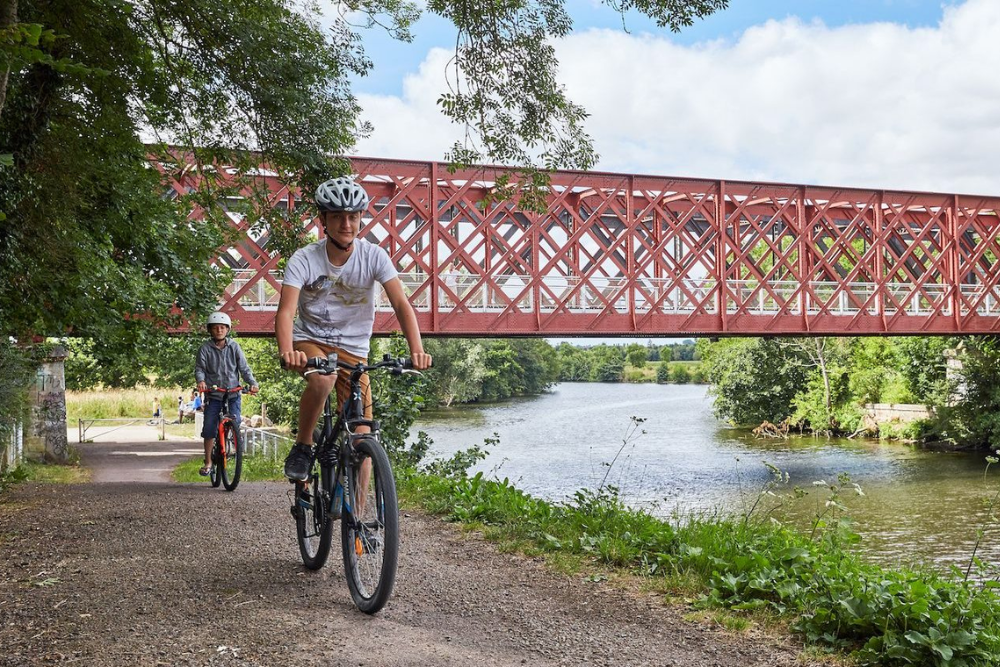
- For cycling fans, Caen offers bicycle courses that interface with the notable Pegasus Extension, where English airborne powers made a really considering striking during D-Day. Trekking through this area gives both an undertaking and a chance to investigate history. Guests can lease bicycles and take a panoramic detour through the Normandy open country, connecting to key The Second Great War destinations.
Kayaking on the Orne Stream

- The Orne Waterway, moving through Caen, offers an extraordinary chance for kayaking and paddling. Paddle down the quiet waters, going through the delightful town of Caen, with perspectives on the middle age design and verdant environmental factors. Kayaking on the Orne permits you to encounter the city according to an alternate point of view, submerging yourself in the peacefulness of nature while investigating metropolitan history.
Visit the Caen Memorial Museum (World War II)
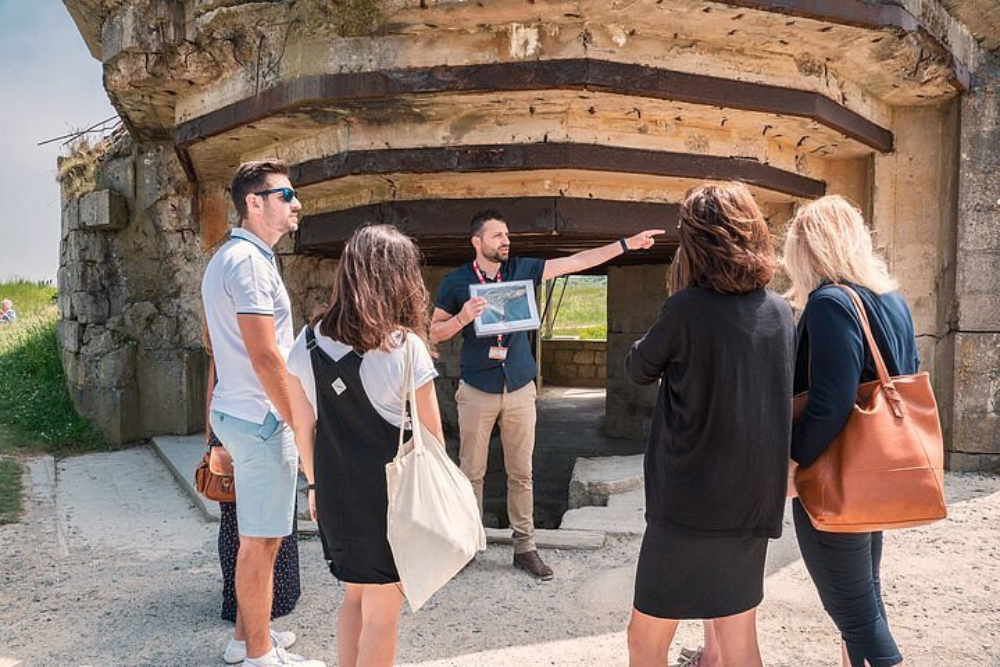
- For an experience that joins training and close to home commitment, a visit to the Caen Commemoration Gallery is an unquestionable necessity. Committed to The Second Great War, this historical center offers vivid presentations and intelligent showcases about the conflict’s worldwide effect and the D-Day arrivals. The exhibition hall isn’t just a spot for reflection yet in addition gives an entrancing, active investigation of perhaps of history’s most critical occasion.
Caen Castle (Château de Caen)
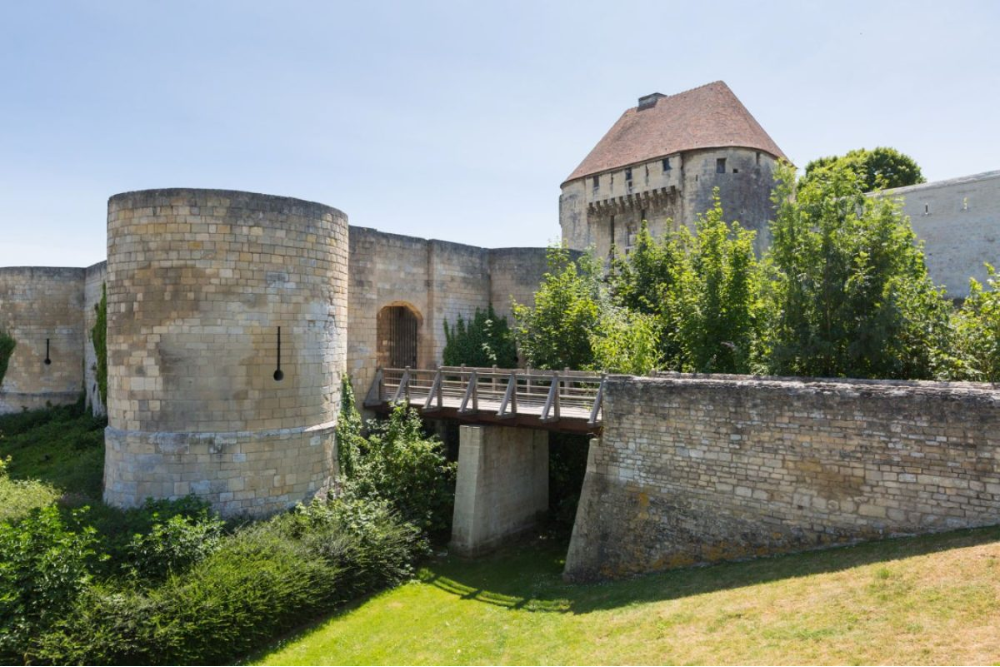
- Worked by William the Champion in the eleventh 100 years, the Caen Palace is perhaps of the main milestone in the city. With its huge walls, towers, and broad grounds, the palace offers a brief look into middle age engineering and history. Inside, guests can investigate the Historical center of Expressive arts and the Normandy Exhibition hall, which feature territorial history and craftsmanship.
Abbaye aux Hommes (Men’s Abbey)
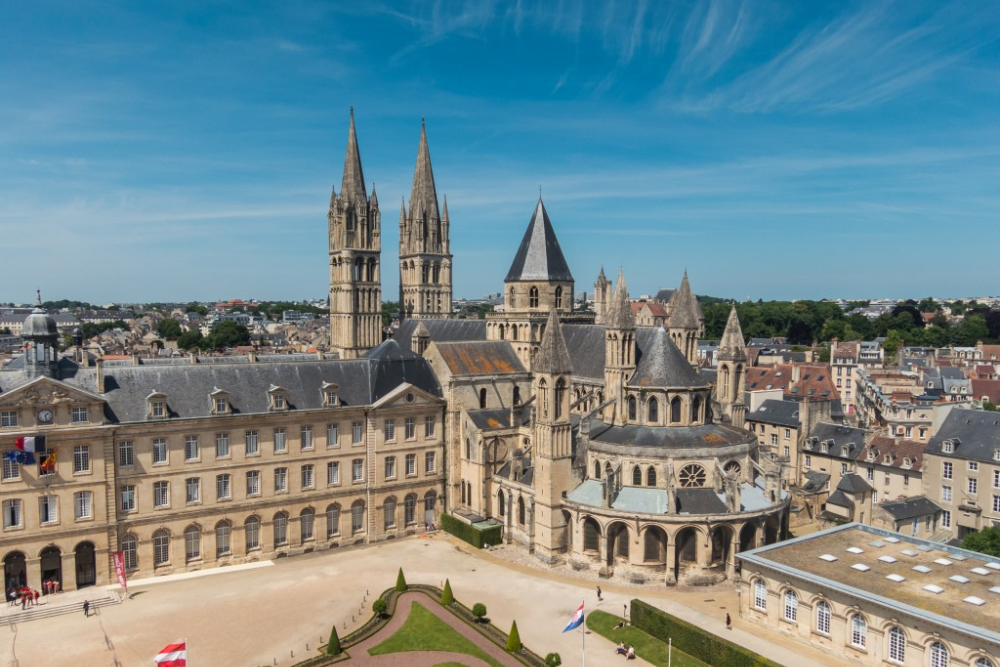
- This surprising Romanesque monastery was established by William the Hero and is one of the main verifiable destinations in Caen. It highlights shocking design, including perplexing stonework and a peaceful group. The monastery is likewise home to the burial place of William the Winner, making it an unquestionable necessity for history lovers.
Memorial de Caen
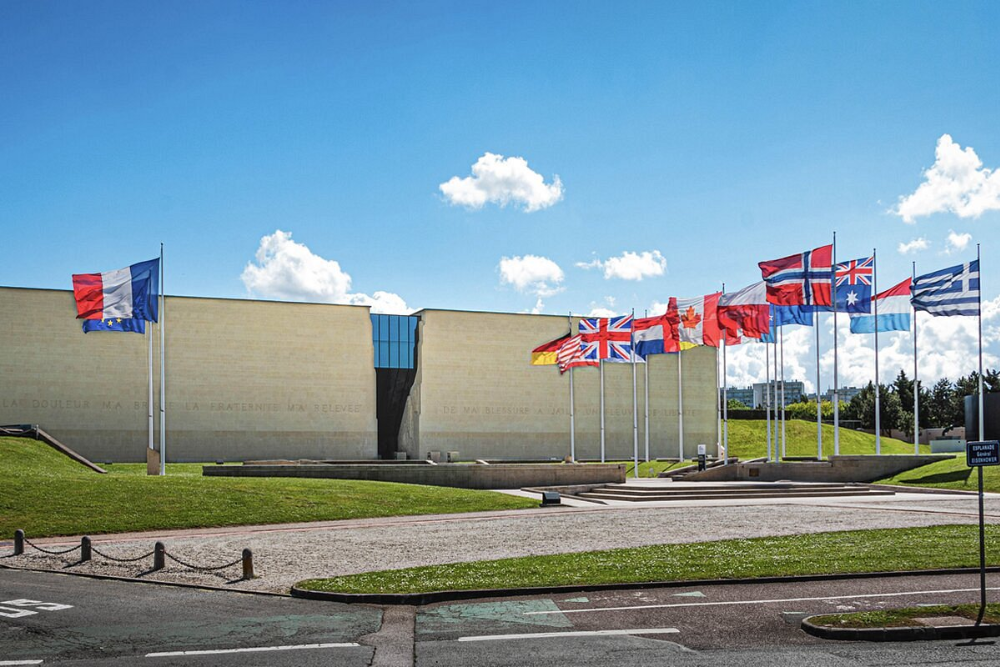
- This gallery and war commemoration give an extensive and moving history of The Second Great War, zeroing in on the D-Day arrivals and the more extensive contentions that formed the twentieth 100 years. With strong shows and interactive media shows, it permits travelers to acquire profound experiences into the conflict’s staggering effect on the locale and the world.
Jardin des Plantes
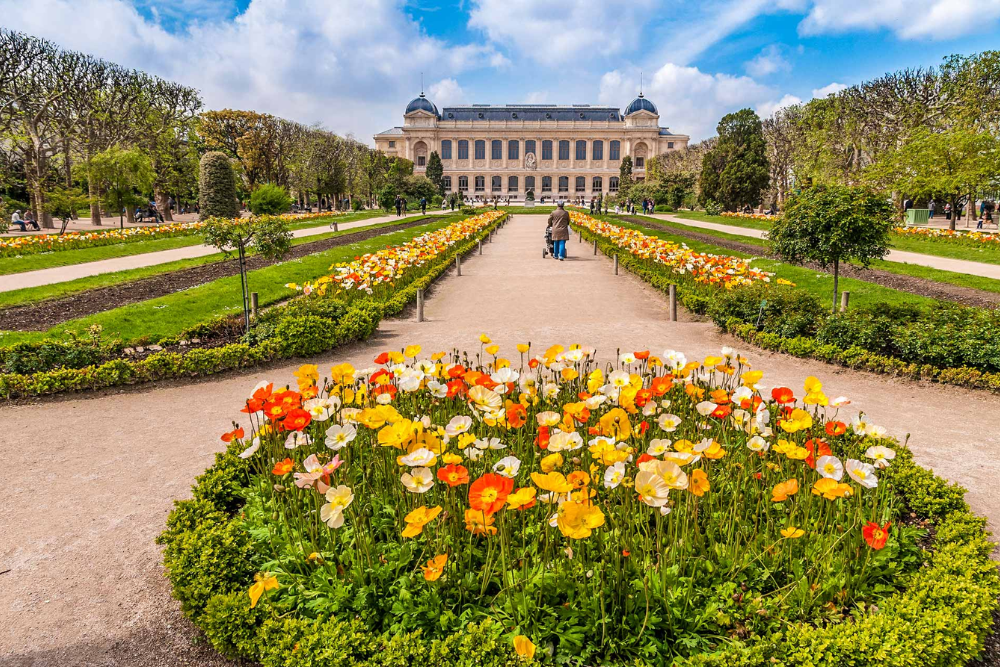
- A quiet departure in the core of Caen, the Jardin des Plantes is a delightfully finished greenhouse. Walking around it’s very much kept up with ways, guests can partake in the rich vegetation, different plant species, and quiet lakes. It’s an optimal spot for unwinding, picnics, or essentially getting a charge out of nature in a metropolitan setting.
Dos and Don’ts in Caen
Dos
- Do Respect Local History and Memorials: Caen is steeped in history, particularly regarding World War II and the D-Day landings. When visiting historical sites like the Caen Memorial Museum or the Normandy beaches, approach these sites with respect and mindfulness. Many are war memorials, so maintain a respectful demeanor, especially when visiting cemeteries or sites dedicated to soldiers.
- Do Learn Basic French Phrases: While many people in Caen speak English, especially in tourist areas, it’s always appreciated when visitors make an effort to speak French. Simple phrases like “Bonjour” (Hello), “Merci” (Thank you), and “S’il vous plaît” (Please) will help you connect with locals and show respect for the culture.
- Do Enjoy the Local Cuisine: Caen is known for its delicious regional dishes, such as “calvados” (apple brandy) and “tarte Normande” (Normandy apple tart). Make sure to try local specialties at the city’s cafés and restaurants. The Normandy region is also known for its fresh seafood, so don’t miss out on a delicious seafood platter.
Don’ts
- Don’t Expect Quick Service: In France, dining is considered an experience, and meals can take time. Don’t rush the service, especially in local cafés and restaurants. It’s not uncommon for meals to last for a couple of hours, so relax and enjoy the leisurely pace.
- Don’t Forget to Follow Local Etiquette in Restaurants: When dining out, don’t start eating until everyone at the table is served, and don’t rush your meal. In many places, it’s also considered impolite to ask for a “doggy bag” for leftover food, so it’s best to order only what you plan to eat.
- Don’t Over-tip: Tipping is not as prevalent in France as it is in some other countries. Service charges are typically included in the bill, and leaving a tip is optional. If you do decide to tip, leaving around 5-10% is considered generous.
Best time to reach in Caen
- Spring (April to June): Spring in Caen brings mild temperatures and blooming gardens, making it a wonderful time to explore the city on foot or by bike. The Jardin des Plantes will be in full bloom, and you can enjoy pleasant outdoor weather, perfect for a stroll along the Orne River or a visit to the beaches of Normandy. It’s also before the peak tourist season, so you can enjoy fewer crowds at popular attractions.
- Summer (July to August): If you love warm weather and vibrant events, summer is ideal. The city comes alive with festivals, open-air concerts, and lively markets. It’s also a great time to visit the Normandy beaches, as the sunny days make for pleasant beach outings and outdoor activities. However, do expect larger crowds during this time, especially at tourist hotspots like the D-Day sites and memorials.
- Autumn (September to October): Autumn offers crisp air, beautiful fall foliage, and fewer tourists. The rich autumn colors in the countryside around Caen, along with harvest time in the region, make this a scenic and tranquil period. It’s also a great time for a wine or cider tour, as the Normandy region is known for its apple orchards and local cider production.
- Winter (November to March): While colder, winter in Caen has its own charm. Fewer tourists mean you can explore the city’s historical sites without the crowds, and the cozy cafés and restaurants offer a warm retreat. If you’re keen on exploring the local culture, this quieter period allows for a more intimate experience. The festive holiday markets in December add an extra bit of magic to the city’s atmosphere.