


Malaysia, a vibrant tapestry of cultures, boasts a rich heritage that is beautifully expressed through its traditional arts and crafts. With influences from Malay, Chinese, Indian, and indigenous cultures, the country offers a diverse array of artistic expressions that reflect its history and societal values. This blog will take you on a journey through the traditional arts and crafts of Malaysia, exploring their significance, techniques, and where to experience them.
The Significance of Traditional Arts and Crafts
Traditional arts and crafts in Malaysia serve as more than just decorative items; they are an essential part of the nation’s cultural identity. Each craft tells a story, preserving the traditions, beliefs, and practices of various communities. From intricate textiles to delicate ceramics, these crafts have been passed down through generations, embodying the skills and creativity of artisans.
As globalization threatens to overshadow local traditions, the importance of preserving these arts has become increasingly evident. Supporting traditional crafts not only helps maintain cultural heritage but also provides livelihoods for artisans and fosters community development.
Types of Traditional Arts and Crafts in Malaysia
1. Batik
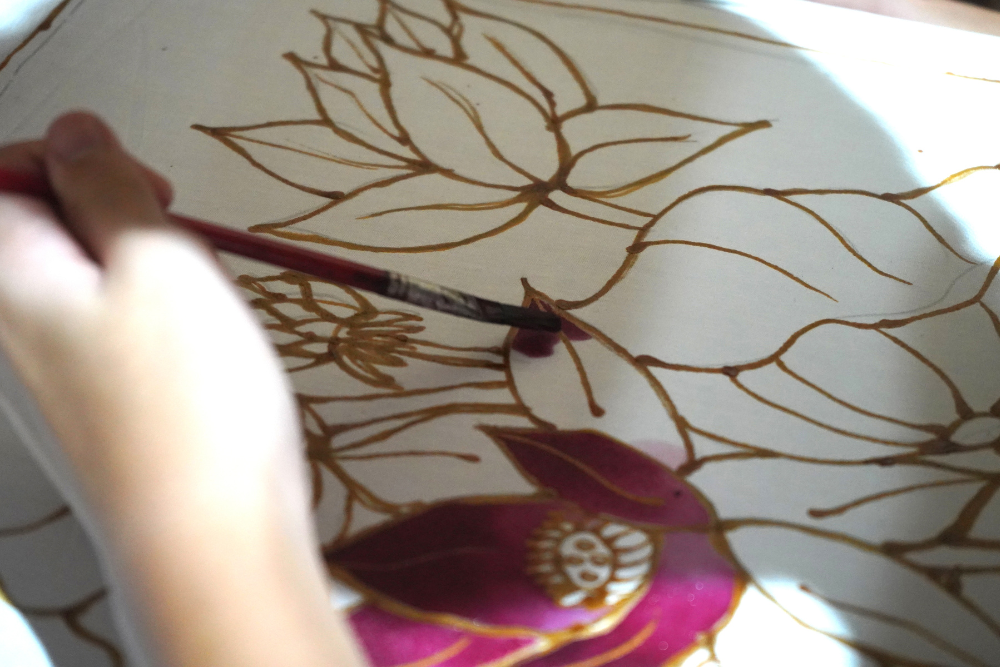
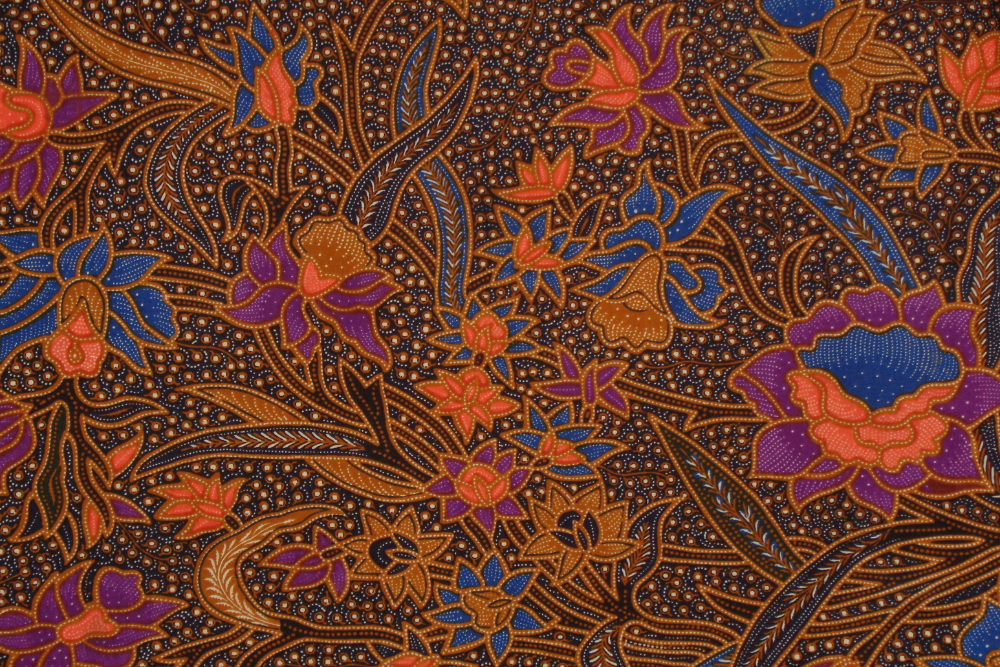
Batik is perhaps one of Malaysia’s most famous traditional crafts. Originating from Indonesia, the Malaysian version has its unique characteristics. Batik involves a wax-resist dyeing technique, where designs are created using wax to prevent dye from penetrating certain areas of the fabric. The result is stunningly intricate patterns that are vibrant and colorful.
In Malaysia, batik is often used to create clothing, accessories, and home décor items. Many visitors can experience batik-making workshops in places like Kuala Lumpur and the island of Penang, where they can try their hand at this beautiful craft.
2. Songket
Songket is a luxurious, handwoven fabric that is traditionally made from silk or cotton, with intricate gold or silver thread patterns woven into the fabric. This art form is primarily practiced in the Malay states of Malaysia and is often used for formal occasions, such as weddings and royal ceremonies.
The process of creating songket is labor-intensive, requiring skilled artisans who meticulously weave each piece. Visitors can find songket in various markets and boutiques, and many artisans are willing to share their craft, offering workshops to learn about the weaving process.
3. Woven Crafts
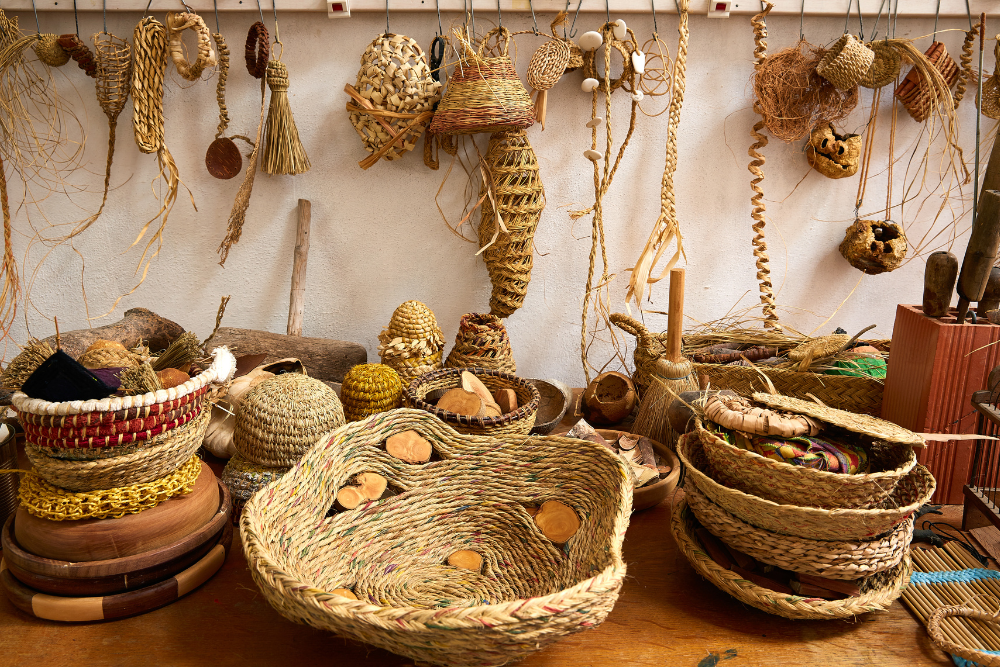
Woven crafts, such as rattan and pandanus leaf weaving, are prevalent in Malaysia, particularly among indigenous communities. These materials are used to create a variety of items, including baskets, mats, and decorative pieces. The intricate patterns and vibrant colors reflect the natural beauty of the surroundings.
One of the most famous woven crafts is the “ketupat,” a rice dumpling wrapped in a woven palm leaf casing, which is commonly used during festive occasions. Workshops and exhibitions in rural areas provide opportunities to see these crafts being made and to purchase authentic pieces.
4. Wood Carving
Wood carving is a traditional art form that has been practiced in Malaysia for centuries. Skilled artisans use local hardwoods to create intricate sculptures, furniture, and decorative items. The designs often feature motifs from nature and traditional Malay symbolism.
Notable regions for wood carving include the states of Johor and Sarawak. Visitors can explore local galleries and workshops where they can watch artisans at work and even try their hand at carving.
5. Pottery and Ceramics
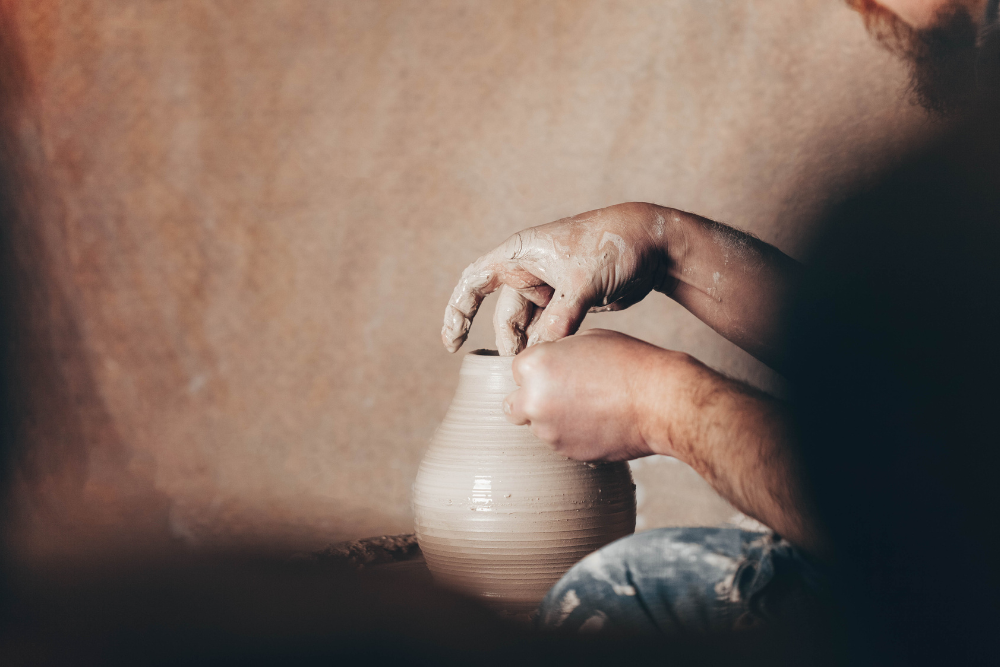
Pottery and ceramics in Malaysia have a long history, influenced by Chinese and indigenous techniques. Traditional pottery is often made from clay and decorated with intricate designs. Many Malaysian villages still practice these techniques, producing functional and decorative pieces.
The town of Kampung Kuantan is known for its pottery, where visitors can participate in pottery-making sessions, creating their own unique pieces to take home.
Where to Experience Traditional Arts and Crafts

1. Cultural Centers and Museums
Several cultural centers and museums across Malaysia showcase traditional arts and crafts. The National Museum in Kuala Lumpur offers exhibits on Malaysia’s rich heritage, including crafts, textiles, and artifacts. The Islamic Arts Museum Malaysia also features an impressive collection of traditional art pieces.
2. Local Markets
Visiting local markets is one of the best ways to experience Malaysia’s traditional crafts. Markets such as Pasar Seni (Central Market) in Kuala Lumpur and the Jonker Street Night Market in Malacca offer a variety of handcrafted items. Engaging with local artisans at these markets can provide insight into the craft-making process and the stories behind each piece.
3. Workshops and Classes
Many artisans offer workshops and classes, allowing visitors to learn directly from the masters. Whether it’s a batik-making class in Penang or a weaving workshop in Sarawak, these hands-on experiences are a fantastic way to immerse yourself in Malaysia’s artistic heritage.
4. Festivals and Events
Cultural festivals throughout Malaysia often feature traditional arts and crafts. Events like the George Town Festival in Penang celebrate local art and culture, showcasing performances, exhibitions, and craft fairs. These festivals provide a platform for artisans to display their work and connect with the community.
Supporting Traditional Arts and Crafts
As travelers, one of the most impactful ways to support traditional arts and crafts in Malaysia is to purchase authentic items directly from artisans. This not only helps sustain their livelihoods but also ensures that these crafts continue to thrive. Additionally, spreading awareness about the importance of preserving these traditions can encourage others to appreciate and support local artists.
Conclusion
A journey through Malaysia’s traditional arts and crafts is a vibrant exploration of the nation’s cultural identity. From batik and songket to woven crafts and wood carving, each art form offers a glimpse into the rich history and creativity of the Malaysian people. By engaging with these crafts, whether through purchasing, participating in workshops, or simply appreciating the artistry, we can help preserve these traditions for future generations. So, the next time you visit Malaysia, take the time to discover the beauty and significance of its traditional arts and crafts, and contribute to their enduring legacy.