


Germany, with its rich history, stunning landscapes, and cultural heritage, is a country filled with picturesque old towns that take you on a journey back in time. These towns boast cobblestone streets, medieval buildings, charming squares, and centuries-old architecture. Whether you’re strolling through a fairy-tale village, exploring a city steeped in history, or simply soaking in the medieval atmosphere, Germany’s old towns are a perfect blend of beauty, history, and charm. Here’s a guide to some of the best old towns in Germany that will leave you in awe of their timeless allure.
1. Rothenburg ob der Tauber: A Fairy-Tale Town
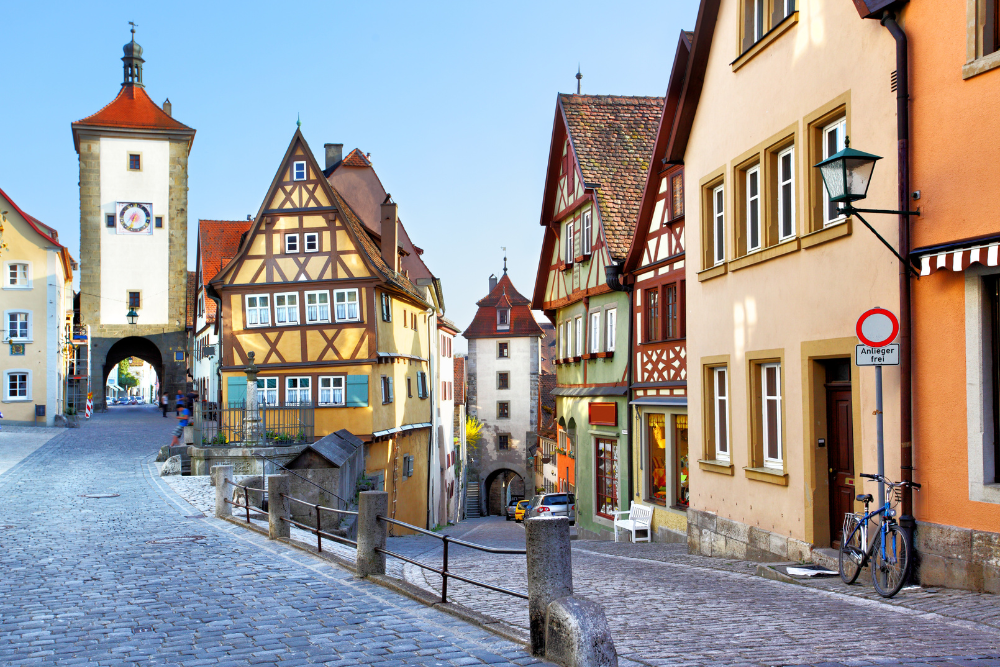
Rothenburg ob der Tauber, located along the Romantic Road in Bavaria, is one of the most iconic and well-preserved medieval towns in Germany. Its cobbled streets, half-timbered houses, and towers that once stood guard over the town make it look like it’s straight out of a fairy tale.
What to See:
- Town Walls: One of the town’s most charming features is its fully intact medieval town walls, which visitors can walk along. The views of the town and the surrounding countryside from the walls are breathtaking.
- Marktplatz: The main square of Rothenburg is lined with colorful buildings, cafes, and shops. At the heart of the square stands the Town Hall (Rathaus), a beautiful building with a tower offering panoramic views of the town.
- St. Jakob’s Church: This Gothic church is home to a stunning altar by the famous artist Tilman Riemenschneider, one of the most important sculptors of the Renaissance.
- Christmas Market and Christmas Museum: Rothenburg is also known for its Christmas market, one of the most charming in the country. It’s home to the German Christmas Museum, showcasing Christmas traditions and decorations from the past centuries.
Rothenburg ob der Tauber captures the essence of medieval Germany and is a must-visit for anyone looking to experience an old town in all its historical glory.
2. Heidelberg: Romance and History Along the Neckar River
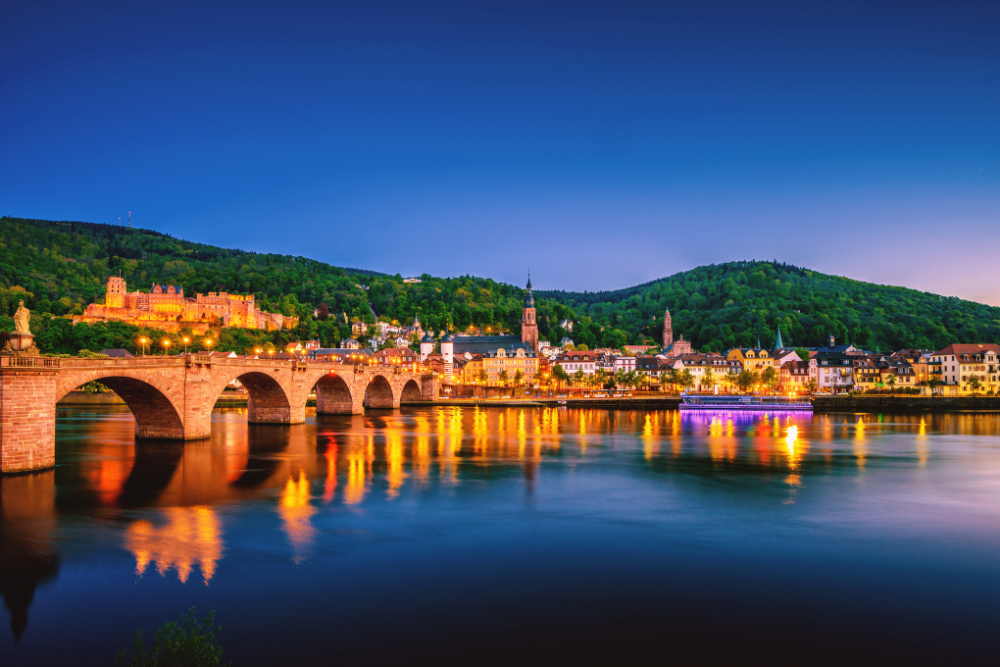
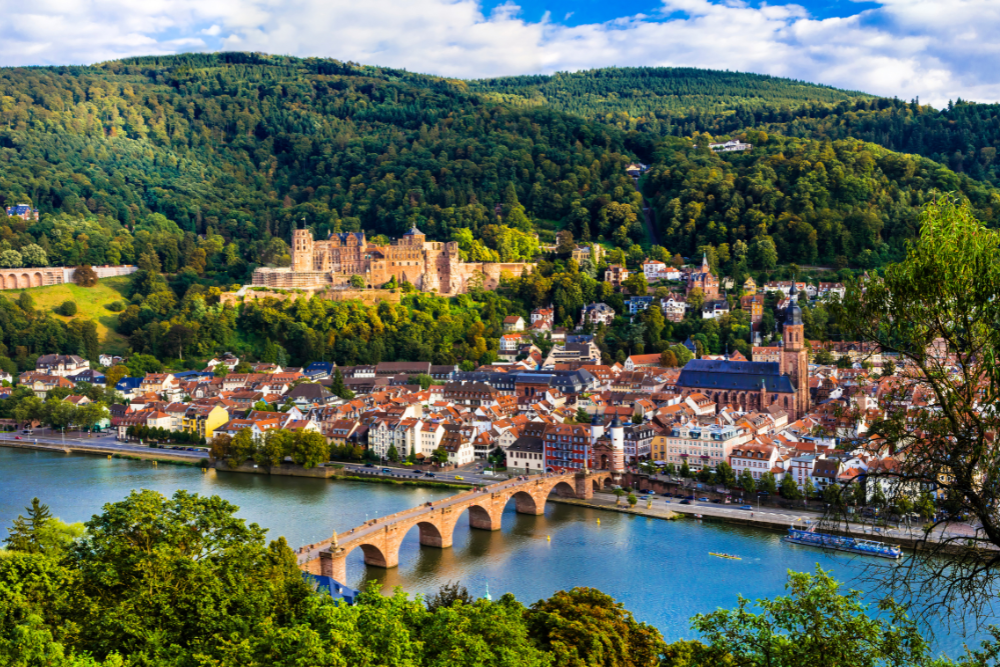
Heidelberg is another beautiful old town set along the Neckar River, famous for its romantic atmosphere and its association with the Heidelberg University, one of the oldest universities in Europe. The town’s old town is filled with quaint alleys, baroque architecture, and scenic views of the river and the surrounding hills.
What to See:
- Heidelberg Castle: Perched on a hill overlooking the old town, the magnificent Heidelberg Castle is a symbol of the town’s history. The castle’s Philosophers’ Walk offers one of the most romantic and picturesque views of the city.
- Altstadt (Old Town): The heart of Heidelberg is its old town, with cobblestone streets and charming buildings, including the Church of the Holy Spirit and the Old Bridge (Alte Brücke), which spans the Neckar River and dates back to the 18th century.
- Heidelberg University: The University of Heidelberg is one of Germany’s oldest and most prestigious institutions. The university’s historical buildings, including the Old University and the Student Prison, offer a glimpse into the town’s academic legacy.
Heidelberg’s old town combines both romance and history, making it a must-see destination for lovers of picturesque towns and fascinating heritage.
3. Bamberg: A UNESCO World Heritage Gem
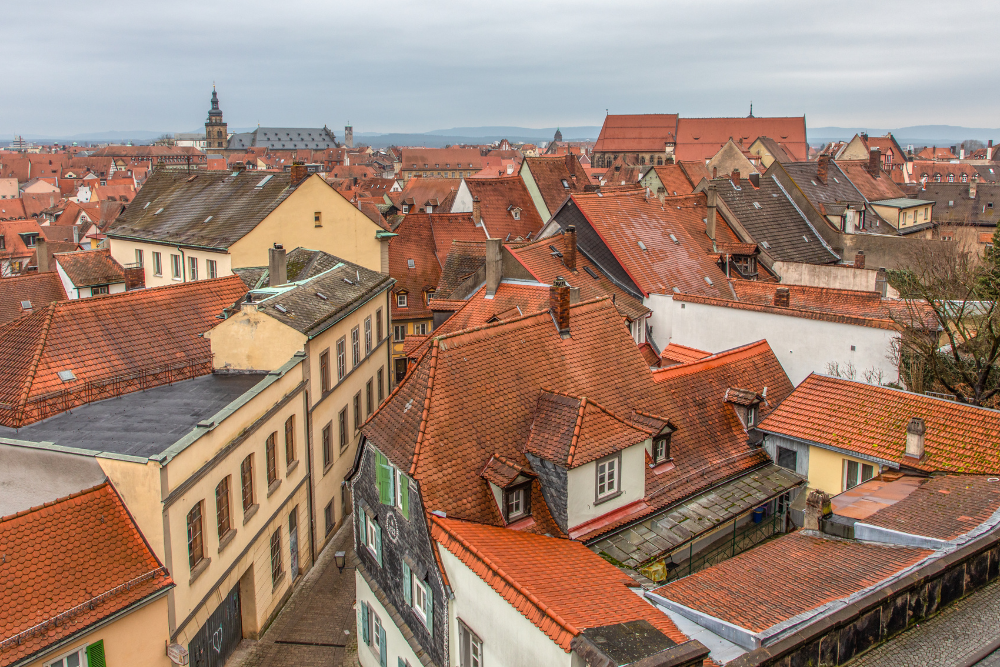
Bamberg, a UNESCO World Heritage site located in northern Bavaria, is an exceptionally well-preserved medieval town. Known for its stunning architecture, unique bridges, and historical significance, Bamberg offers a charming mix of old-world beauty and medieval charm.
What to See:
- Bamberg Cathedral: The Bamberg Cathedral, with its impressive Romanesque and Gothic architecture, dominates the skyline of the town. Inside, visitors can admire stunning frescoes, sculptures, and the famous tomb of Emperor Henry II.
- Old Town Hall (Altes Rathaus): This picturesque building, located on a small island in the Regnitz River, is one of the most photographed landmarks in Bamberg. Its medieval architecture, combined with 18th-century Rococo additions, makes it truly unique.
- Little Venice: One of Bamberg’s most charming features is the area known as Little Venice, a district with small, colorful houses lining the river, reminiscent of Venice itself.
- Alte Hofhaltung: This former palace complex was once home to the prince-bishops of Bamberg. It includes beautiful gardens and buildings, including a medieval court chapel and a baroque-style staircase.
Bamberg is one of the best-preserved medieval towns in Germany, offering visitors an authentic step back in time.
4. Quedlinburg: A Hidden Gem in Saxony-Anhalt
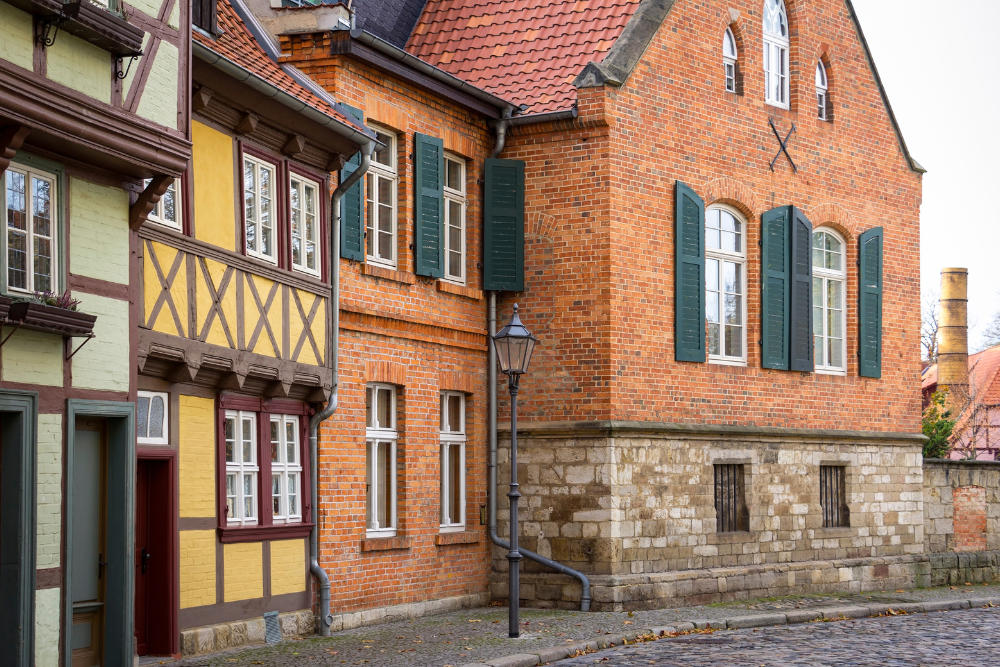
Quedlinburg, located in central Germany, is a hidden gem with over 1,300 half-timbered houses, making it one of the best-preserved medieval towns in the country. Its cobblestone streets and medieval charm have earned it a place on UNESCO’s World Heritage list.
What to See:
- Quedlinburg Castle and Abbey: Situated atop a hill, the castle and abbey complex offer stunning views of the town below. The St. Servatius Church within the complex contains impressive Romanesque architecture and artifacts.
- Old Town: The old town of Quedlinburg is a maze of narrow streets and alleys lined with half-timbered houses that date back to the 16th century. Walking through these streets is like stepping into the past.
- Market Square: The Market Square is the heart of the old town, with the Town Hall and beautiful fountain at its center. It’s a great spot for soaking in the medieval atmosphere.
Quedlinburg is a town that remains off the typical tourist trail, but its historical charm and well-preserved architecture make it a worthwhile destination for any history lover.
5. Lübeck: The Hanseatic Jewel
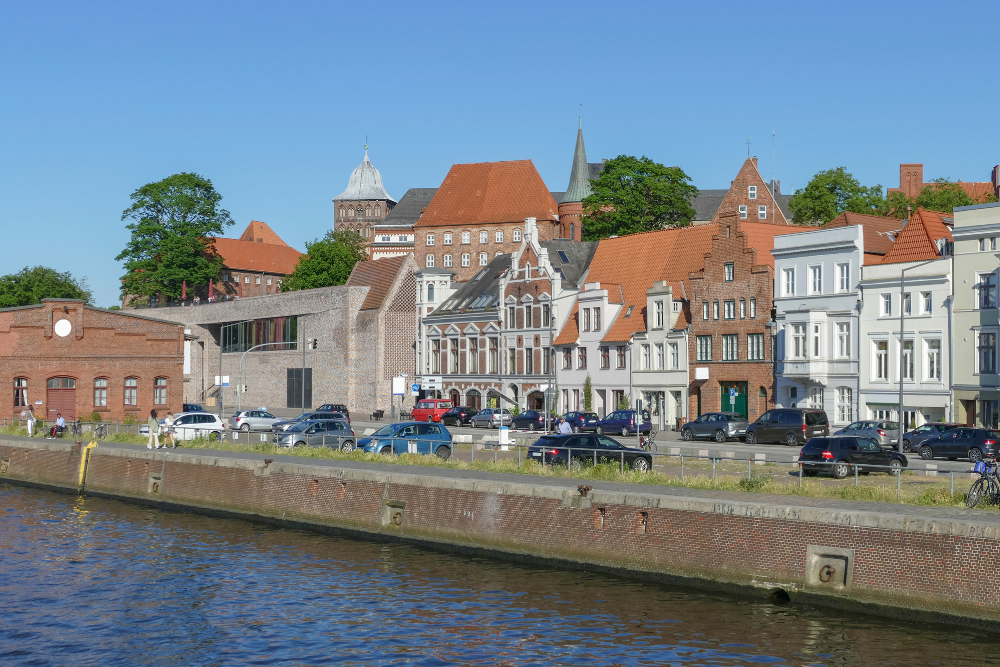
Lübeck, a port city on the Baltic Sea, is one of Germany’s most important Hanseatic towns. Known for its impressive brick Gothic architecture and historical significance, Lübeck’s old town is a UNESCO World Heritage site filled with beautiful buildings and fascinating history.
What to See:
- Holstentor: The iconic Holstentor, a medieval gate that once served as the entrance to the city, is one of Lübeck’s most recognizable landmarks. Today, it houses a museum about the city’s history as a trading hub in the Hanseatic League.
- Lübeck Cathedral: The St. Mary’s Cathedral, with its towering spires and stunning Gothic architecture, is a must-see. The cathedral is home to impressive medieval art and a remarkable astronomical clock.
- Market Square: Lübeck’s Market Square is lined with beautiful historic buildings, including the Town Hall and the Burgtor, another iconic city gate. The square is also home to several cafes and shops where you can relax and enjoy the atmosphere.
Lübeck is a city steeped in maritime history and Hanseatic culture, offering visitors a unique look at medieval architecture and commerce.
Conclusion

Germany’s old towns are a treasure trove of history, culture, and architectural beauty. Whether you’re exploring the fairy-tale streets of Rothenburg ob der Tauber, the romantic vistas of Heidelberg, or the medieval charm of Bamberg and Quedlinburg, Germany offers a diverse range of old towns that bring the country’s rich history to life. With their cobblestone streets, stunning churches, and historic buildings, these towns are a perfect way to immerse yourself in Germany’s past while enjoying the country’s natural beauty and vibrant cultural heritage.