


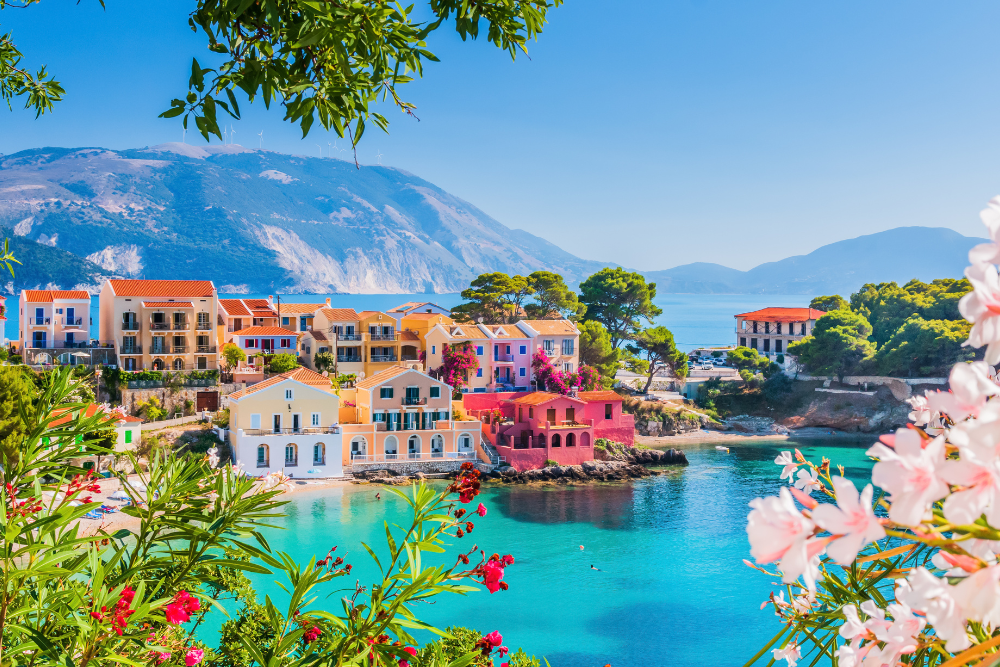

Greece, with its warm Mediterranean climate, stunning islands, and ancient ruins, offers unique experiences in every season. Deciding when to visit Greece depends on the type of activities you want to enjoy, whether it’s beach lounging, cultural festivals, hiking, or exploring ancient ruins. Here’s a guide to Greece’s seasons to help you make the most of your trip.
Spring (March to May): Ideal for Pleasant Weather and Blooming Landscapes

Spring is one of the best times to visit Greece. Temperatures range from mild to warm, with averages between 15°C (59°F) and 24°C (75°F), making it ideal for sightseeing, hiking, and exploring ancient ruins. During this time, the landscape comes alive with blooming wildflowers and lush greenery, adding color to Greece’s already stunning scenery.
- Activities: Spring is perfect for hiking the trails of Crete or Mount Olympus, visiting archaeological sites like Delphi and Mycenae, or exploring the Acropolis without the summer crowds. With the Easter holiday often celebrated in April, visitors can also experience traditional Greek festivities, which include candlelit processions, feasts, and fireworks.
- Pros: Fewer tourists, moderate prices, and pleasant weather for outdoor activities.
- Cons: The sea may still be too cold for swimming, and some island hotels and restaurants may still be closed early in the season.
Summer (June to August): Ideal for Beach Lovers and Island Hopping
Summer is Greece’s peak travel season, attracting visitors from around the world. The weather is hot, with temperatures reaching up to 40°C (104°F) in some areas, especially on the mainland. However, the Greek islands benefit from cooling breezes, making the heat more tolerable. Summer is the perfect time for those who want to enjoy Greece’s beaches, lively nightlife, and vibrant festivals.
- Activities: Summer is ideal for beach relaxation, swimming, snorkeling, and island hopping. Some of the best islands to visit in summer include Mykonos, Santorini, and Zakynthos. Visitors can also experience local festivals, such as the Athens and Epidaurus Festival, where live performances are held at ancient theaters.
- Pros: Ideal beach weather, lively atmosphere, and all tourist amenities and services are open.
- Cons: Crowded and more expensive, especially in popular destinations like Mykonos and Santorini. The mainland and cities can be very hot, making sightseeing uncomfortable.
Fall (September to November): Perfect for Mild Weather and Harvest Season
Autumn is another wonderful time to visit Greece. Early fall, particularly September and October, still offers warm weather and pleasant sea temperatures, making it an excellent time for beach activities without the summer crowds. Temperatures range from 20°C (68°F) to 30°C (86°F) in September and gradually cool as winter approaches.
- Activities: Fall is a fantastic time for both cultural and outdoor activities, from exploring ancient sites to wine tasting. September is ideal for island hopping and swimming, while October and November bring the grape and olive harvest seasons, allowing visitors to participate in wine tours and tasting events on islands like Crete and Nemea in the Peloponnese.
- Pros: Lower prices, fewer tourists, and pleasant weather for both beach and cultural activities.
- Cons: By late November, some island amenities start to close, and the weather may become cooler and rainier.
Winter (December to February): Best for Budget Travelers and Cultural Explorers
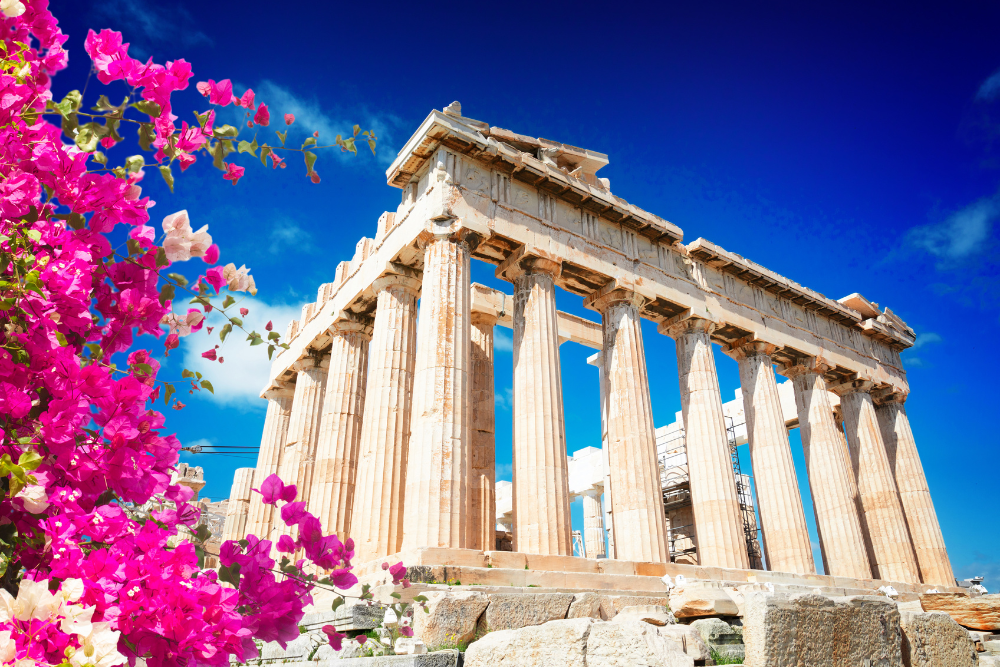
Winter is Greece’s low season, with cooler temperatures ranging from 10°C (50°F) to 15°C (59°F). Though many islands become quiet and even shut down for the season, winter is a fantastic time to explore mainland cities, historical sites, and mountainous regions. With fewer crowds and discounted prices, winter in Greece offers a peaceful and more intimate experience.
- Activities: Winter is a great time to explore Athens, Thessaloniki, and other cities without crowds. Greece’s mountain regions, such as those in Pelion and the Pindus Mountains, are ideal for winter sports, like skiing and snowboarding. Winter is also a good time to visit the archaeological sites, where crowds are minimal, allowing you to enjoy the history in peace.
- Pros: Lowest prices, few tourists, and mild winter weather in cities.
- Cons: Limited ferry schedules and closed resorts on many islands; not suitable for beachgoers or island hopping.
Month-by-Month Guide to Greece
- March: This is the start of spring, with mild temperatures and budding wildflowers. It’s a great month for sightseeing and enjoying Greece’s natural beauty.
- April: Easter celebrations in Greece are a highlight, especially on islands like Corfu and in small towns across the country. Expect processions, feasts, and unique traditions.
- May: Warm enough for beach days but before the summer rush, May is ideal for early beachgoers and island-hopping without crowds.
- June: Peak summer season begins, with warm weather and all tourist facilities open. June is a wonderful time for those who want the summer experience without July and August’s intense heat and crowds.
- July & August: Greece’s peak season, perfect for beach vacations, festivals, and nightlife. However, popular sites and islands are crowded and more expensive.
- September: A top month to visit Greece, September has warm weather, reduced crowds, and warm sea temperatures for swimming.
- October: Still warm for sightseeing and the sea, October is a quieter month with autumn colors and harvest festivals.
- November: Cooler and quieter, this is a good time for exploring cultural sites and experiencing the local pace of life in Greek cities.
- December: With Christmas celebrations, winter markets, and fewer tourists, December offers a cozy atmosphere in Greece’s cities.
- January & February: The quietest months, ideal for budget travel and exploring Greece’s cities and mountains in solitude.
Best Time for Different Activities in Greece
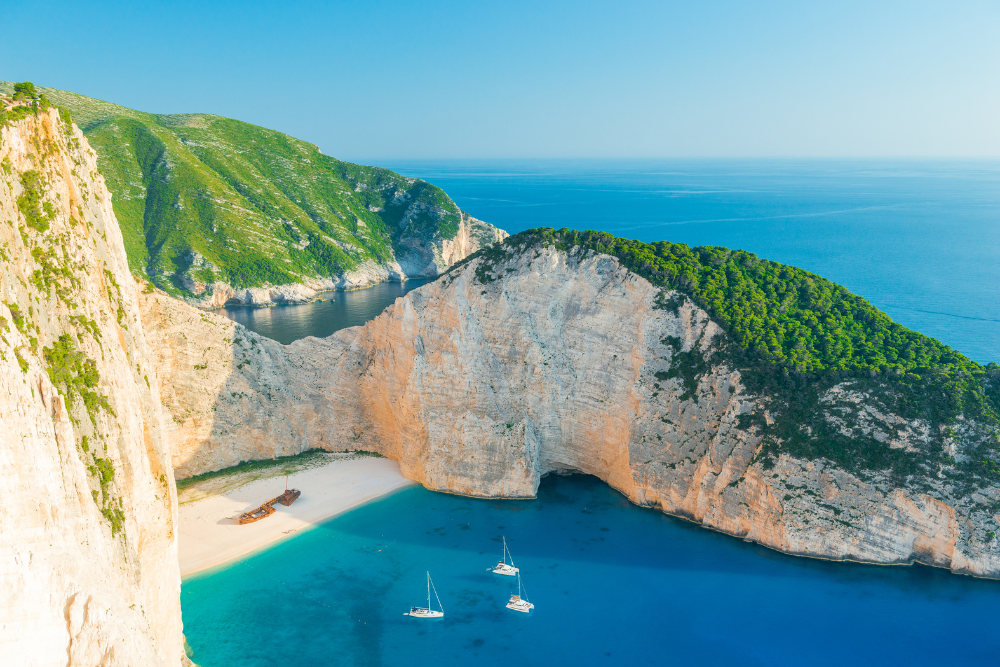
- Beach & Island Hopping: Late May through September offers the best weather and ferry schedules for exploring Greece’s islands.
- Cultural Sightseeing: Spring (April to June) and fall (September to October) are ideal, with pleasant weather and fewer tourists.
- Festivals: Greek Orthodox Easter is one of the biggest celebrations, typically in April. The Athens and Epidaurus Festival (June to August) features concerts and theatrical performances.
- Outdoor Adventures: Spring and fall are the best for hiking, with comfortable temperatures for exploring mountainous regions and trails.
Final Tips
- Plan Ahead for Peak Season: If traveling during summer, book accommodations, ferries, and tours in advance to secure availability and better rates.
- Pack Accordingly: Bring light clothing for summer, layers for spring and fall, and warmer attire for winter, especially if you plan to visit Greece’s mountainous areas.
- Consider Local Events: Check local festival dates, as some sites or services may close for major Greek holidays, like Easter.
From vibrant summer scenes to peaceful winter days, Greece has something extraordinary to offer in every season. Whether it’s sun-soaked beaches, ancient ruins, or wintery mountains, planning your visit according to your interests and each season’s unique offerings will ensure a memorable Greek adventure.