


Introduction
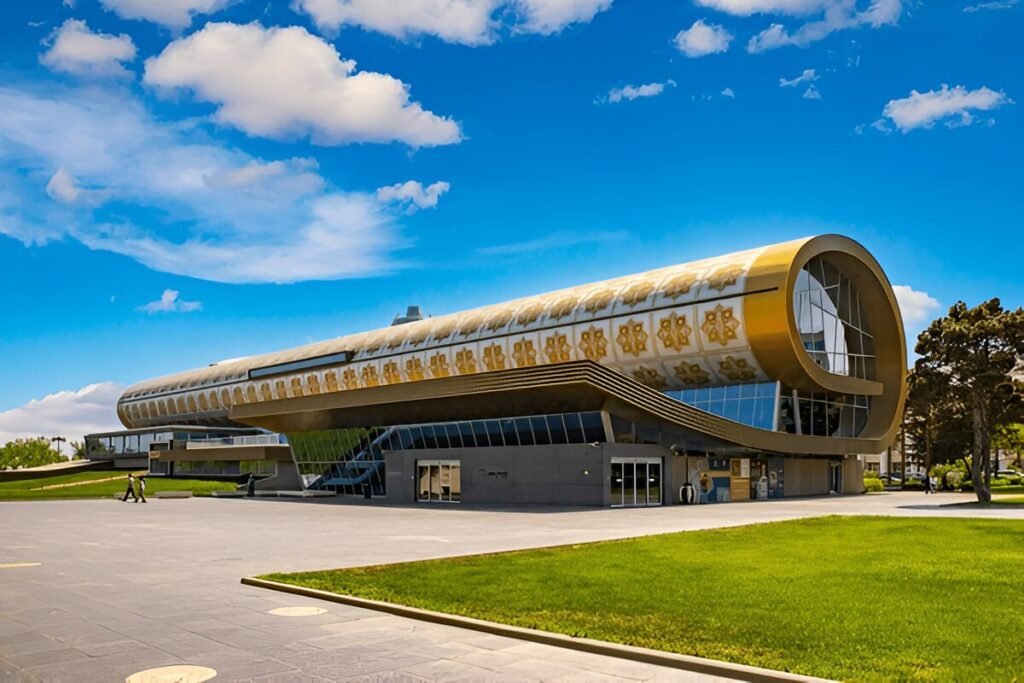
Nestled in the heart of Baku, Azerbaijan’s vibrant capital, stands a museum unlike any other—the Azerbaijan Carpet Museum. Housed in a stunning building designed to resemble a rolled-up carpet, this architectural marvel is not only a visual delight but also a treasure trove of history, culture, and craftsmanship. Established in 1967, the museum was the first in the world dedicated to the art of carpet weaving, a tradition deeply embedded in Azerbaijan’s identity.
Carpets in Azerbaijan are more than just decorative items—they are woven narratives that capture the essence of the country’s heritage, artistry, and way of life. In this blog, we will explore the significance of the Azerbaijan Carpet Museum, its rich collection, and the role it plays in preserving and promoting one of the country’s most cherished traditions.
Architectural Marvel of the Museum
The Azerbaijan Carpet Museum’s unique building is a masterpiece in itself. Designed by Austrian architect Franz Janz, the structure resembles a giant rolled-up carpet unfurling along the Baku Boulevard. This innovative design not only reflects the museum’s theme but also serves as a striking addition to Baku’s modern skyline.
The interior of the museum is equally impressive, with its spacious galleries, state-of-the-art lighting, and interactive displays that enhance the visitor experience. The museum’s location on the picturesque Caspian Sea promenade adds to its charm, making it a must-visit destination for locals and tourists alike.
A Symbol of Cultural Heritage
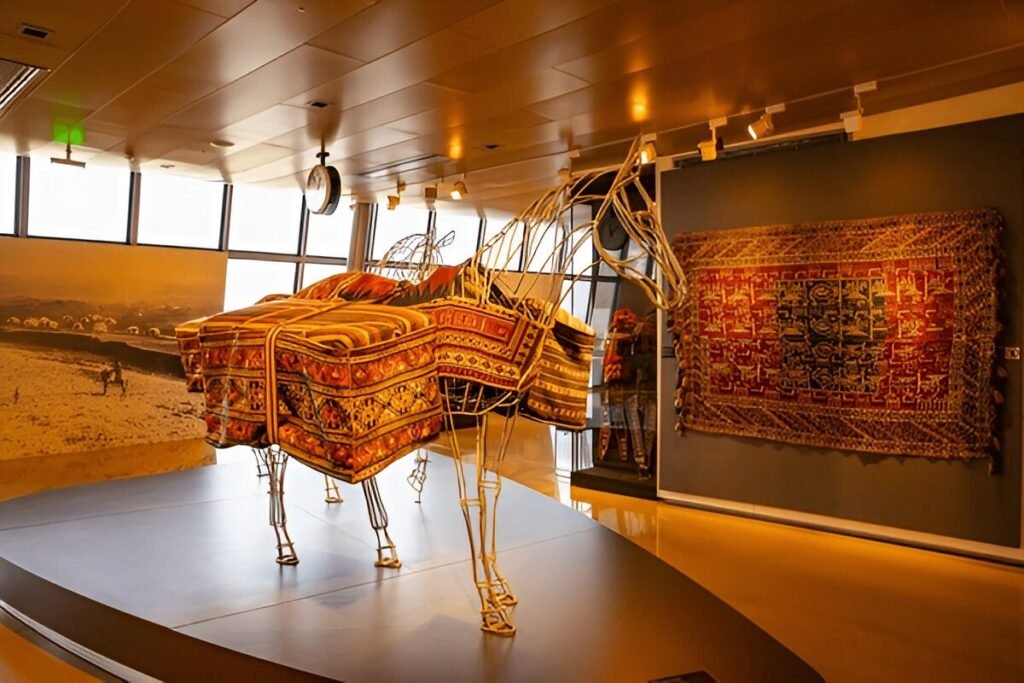 The art of carpet weaving in Azerbaijan dates back thousands of years, with archaeological evidence suggesting its origins in the Bronze Age. Over time, Azerbaijani carpets have gained international recognition for their intricate patterns, vibrant colors, and exceptional craftsmanship. The carpets are not merely utilitarian items but serve as expressions of identity, storytelling, and cultural pride.
The Azerbaijan Carpet Museum was established to preserve and showcase this rich heritage. Originally located in the Juma Mosque in the Old City of Baku, the museum moved to its current iconic location on the Baku Boulevard in 2014. The building itself, shaped like a rolled carpet, is a testament to the nation’s dedication to its artistic traditions.
Exploring the Museum’s Collection
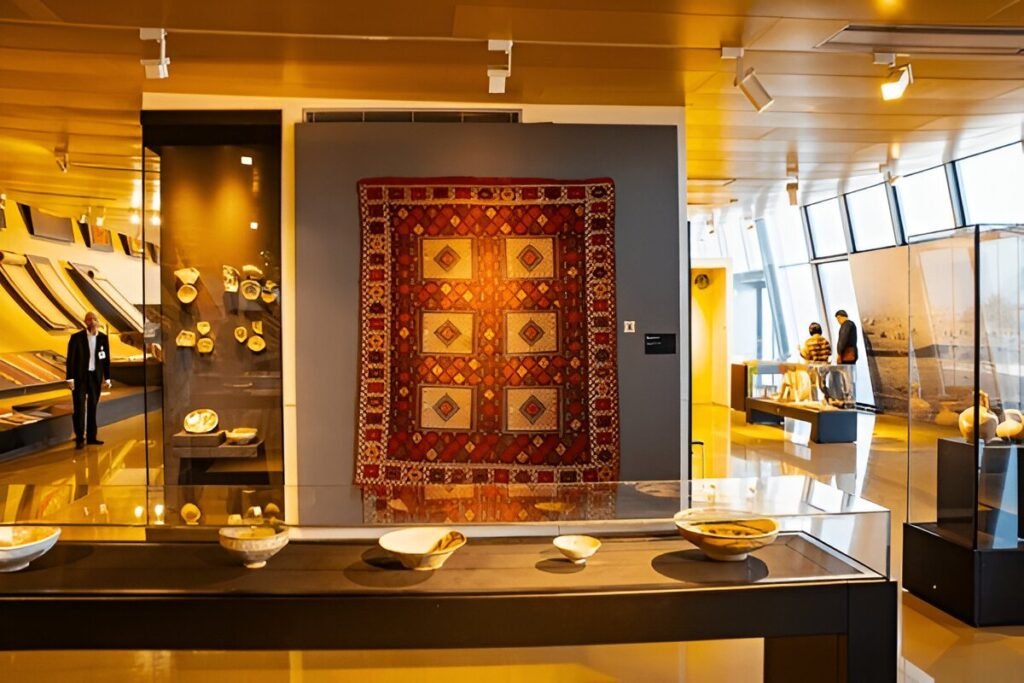 The Azerbaijan Carpet Museum boasts an extensive collection of over 10,000 exhibits, including carpets, textiles, ceramics, jewelry, and traditional costumes. The museum is divided into several thematic sections, each offering a glimpse into the evolution of carpet weaving and its cultural significance.
- Ancient Carpets: The museum’s collection includes some of the oldest Azerbaijani carpets, showcasing the intricate designs and weaving techniques that have been passed down through generations. These carpets often feature motifs inspired by nature, mythology, and daily life.
- Regional Styles: Azerbaijan is known for its diverse regional carpet-making traditions, including Guba, Shirvan, Karabakh, and Tabriz styles. Each region has its unique patterns, colors, and techniques, reflecting the local environment and cultural influences.
- Flat-Weave Carpets: The museum also features a collection of flat-weave carpets, known as kilims, which are lighter and more flexible than pile carpets. These pieces highlight the versatility and creativity of Azerbaijani weavers.
- Modern Interpretations: In addition to traditional carpets, the museum showcases contemporary works by Azerbaijani artists, blending modern aesthetics with traditional craftsmanship.
The Craft of Carpet Weaving
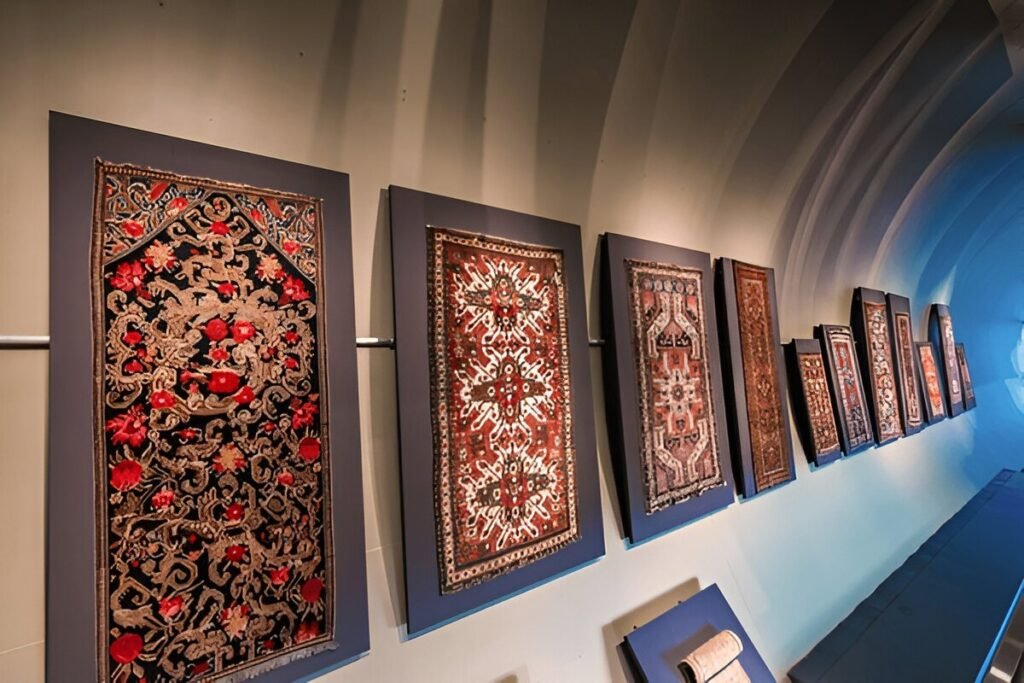 Carpet weaving in Azerbaijan is a labor-intensive process that requires skill, patience, and creativity. The process begins with selecting the finest materials, including wool, silk, and natural dyes. Weavers then create intricate designs on a loom, knotting each thread by hand to form complex patterns.
The motifs found in Azerbaijani carpets often carry symbolic meanings. For example, geometric shapes represent harmony and balance, while floral patterns symbolize beauty and fertility. The vibrant colors are derived from natural dyes, such as pomegranate skins, walnut shells, and madder roots, ensuring the carpets’ longevity and brilliance.
At the museum, visitors can witness live demonstrations of carpet weaving, gaining a deeper appreciation for the craftsmanship involved in creating these masterpieces.
Educational and Cultural Activities
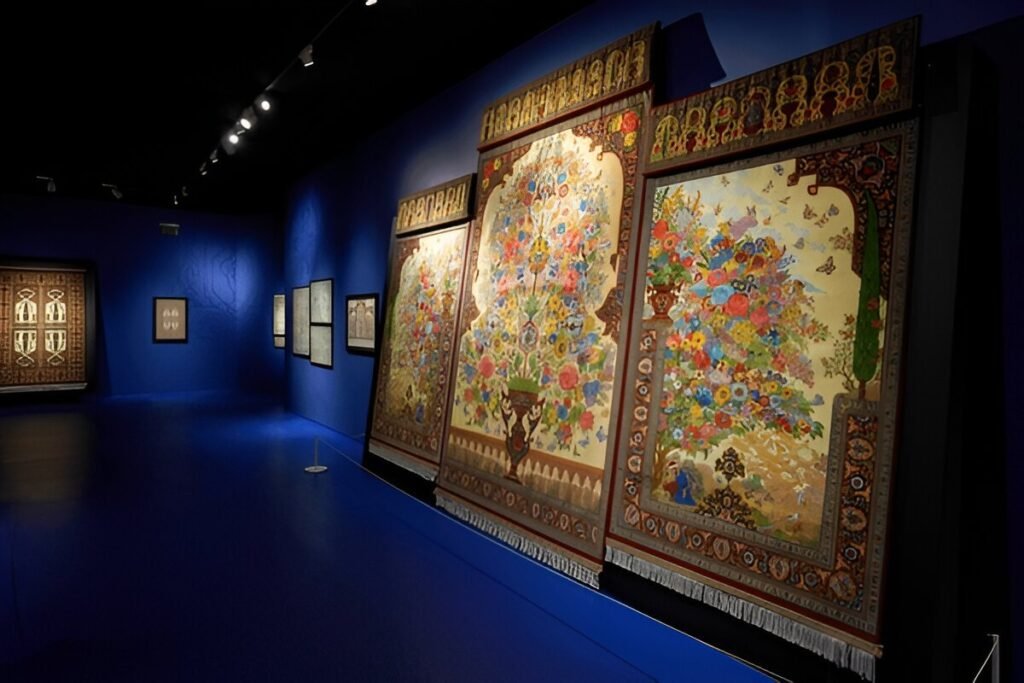 The Azerbaijan Carpet Museum is more than just a repository of artifacts; it is an active center for education, research, and cultural exchange. The museum hosts workshops, lectures, and exhibitions aimed at preserving and promoting the art of carpet weaving.
Children and adults alike can participate in hands-on activities, learning the basics of weaving and dyeing. These programs help pass down traditional skills to future generations while fostering a sense of pride in Azerbaijan’s cultural heritage.
The museum also collaborates with international institutions, showcasing Azerbaijani carpets on the global stage and fostering cross-cultural appreciation.
The Role of Carpets in Azerbaijani Life
Carpets hold a special place in Azerbaijani culture and are deeply woven into the fabric of daily life. Traditionally, they have been used for practical purposes, such as covering floors, walls, and furniture, as well as for ceremonial and decorative purposes.
In Azerbaijani homes, carpets are often considered family heirlooms, passed down from generation to generation. They are also an integral part of major life events, such as weddings and celebrations, where they symbolize prosperity and unity.
Through its exhibits, the museum tells the story of how carpets have played a central role in shaping the social and cultural identity of Azerbaijan.
Preserving an Ancient Art Form
The Azerbaijan Carpet Museum plays a crucial role in preserving the country’s rich tradition of carpet weaving. By documenting the history, techniques, and cultural significance of Azerbaijani carpets, the museum ensures that this ancient art form continues to thrive in the modern era.
In 2010, Azerbaijani carpet weaving was inscribed on UNESCO’s Representative List of the Intangible Cultural Heritage of Humanity, further highlighting its global significance. The museum’s efforts to promote and protect this heritage have been instrumental in keeping the tradition alive.
Conclusion
The Azerbaijan Carpet Museum is more than just a showcase of exquisite carpets—it is a celebration of a nation’s history, culture, and identity. Through its rich collection, interactive exhibits, and educational programs, the museum offers a window into the soul of Azerbaijan, where every thread and pattern tells a story.
For visitors to Baku, a trip to the Azerbaijan Carpet Museum is an unforgettable journey through time, art, and tradition. Whether you are an art enthusiast, a history buff, or simply a curious traveler, this museum promises a unique and enriching experience. Step inside, and let the carpets weave their tales of Azerbaijan’s timeless heritage.