



Introduction
Azerbaijan, a country at the crossroads of Eastern Europe and Western Asia, offers a unique travel experience that blends the ancient with the modern. With its rich cultural heritage, diverse landscapes, and rapidly developing infrastructure, Azerbaijan has emerged as a dynamic and attractive destination for travelers. However, what sets Azerbaijan apart is its ability to harmoniously balance tradition with innovation in its tourism industry. While the country is keen to preserve its history, culture, and traditional ways of life, it is also embracing modernity, technology, and sustainability to enhance the tourist experience. In this blog, we’ll explore how Azerbaijan navigates the delicate balance between tradition and innovation, offering a tourism experience that is both timeless and forward-thinking.
A Rich Cultural Heritage: Preserving Tradition
Azerbaijan’s cultural heritage is one of the most significant aspects of the country’s tourism offering. From its ancient cities to its historical monuments and unique customs, Azerbaijan has a wealth of traditional attractions that draw tourists from around the world. The country is deeply proud of its history and works hard to preserve its cultural identity while opening its doors to visitors.
1. UNESCO World Heritage Sites
Azerbaijan is home to several UNESCO World Heritage Sites, including the Gobustan Rock Art Cultural Landscape and the Sheki Khan’s Palace, both of which showcase the country’s rich history. These sites are preserved and protected, ensuring that visitors can experience them as they were intended by those who lived centuries ago.
- Gobustan Rock Art
The Gobustan Rock Art, a collection of ancient petroglyphs and mud volcanoes, provides a glimpse into the life of prehistoric people who once inhabited the region. This UNESCO site is one of the most important cultural landmarks in Azerbaijan, and efforts are made to ensure that it remains intact for future generations. - Sheki Khan’s Palace
Sheki Khan’s Palace, built in the 18th century, is a stunning example of Azerbaijani architecture and craftsmanship. The palace’s intricate design, beautiful frescoes, and delicate stained-glass windows have been carefully preserved to provide visitors with an authentic experience of Azerbaijan’s regal past.
2. Traditional Crafts and Art Forms
Azerbaijan is also known for its rich tradition of craftsmanship, including carpet weaving, pottery, and copperwork. These crafts have been passed down through generations, and many artisans continue to practice these traditional techniques. The country’s museums, galleries, and cultural centers showcase these crafts, offering visitors the opportunity to not only admire them but also learn about their history and significance.
- Azerbaijani Carpets
Azerbaijani carpets are some of the finest in the world, known for their intricate designs and vibrant colors. Carpet weaving is a time-honored tradition in Azerbaijan, and many regions, such as Guba and Shaki, are famous for their distinct carpet-making styles. Tourists can visit local carpet workshops to witness artisans at work and purchase authentic handmade carpets as souvenirs. - Traditional Music and Dance
Azerbaijan’s music and dance are also integral to its cultural heritage. The country’s classical music, including the famous Mugham, and folk dances are performed at various cultural events and festivals. These performances provide visitors with a deep sense of the country’s artistic traditions and are often accompanied by celebrations of Azerbaijani food and hospitality.
Innovating for the Future: Modern Tourism Infrastructure
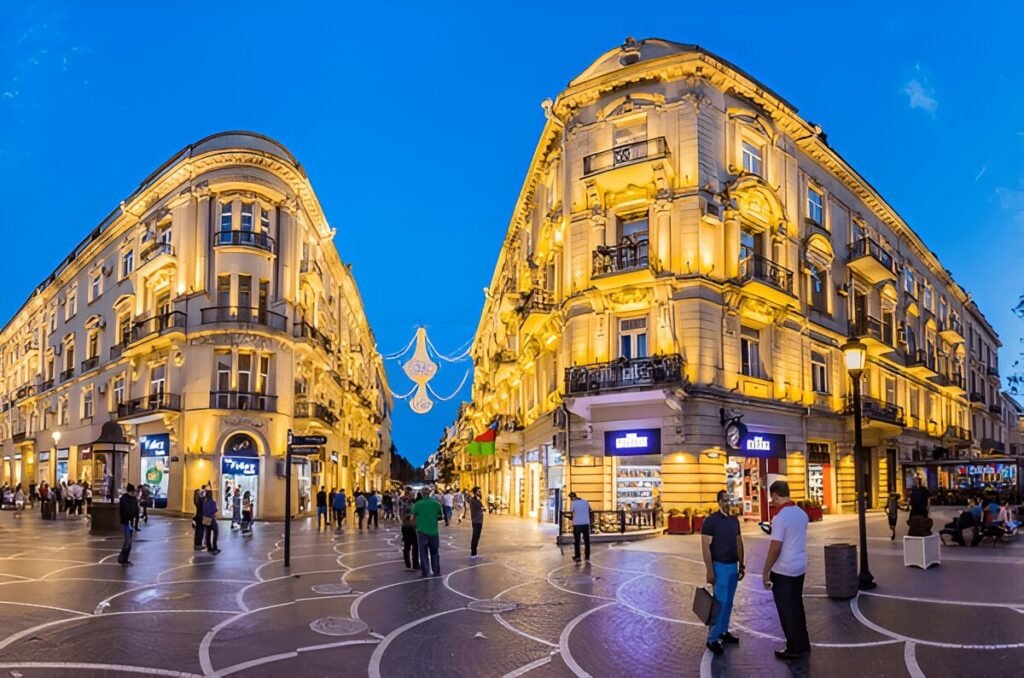
While Azerbaijan values its cultural heritage, it also understands the importance of modernization to remain competitive in the global tourism market. In recent years, the country has invested heavily in its tourism infrastructure, making it easier for tourists to visit and experience both its traditional and contemporary offerings.
1. Baku: A Modern Metropolis with a Rich History
Baku, Azerbaijan’s capital, is a prime example of how the country blends tradition with innovation. The city is a vibrant mix of modern skyscrapers and ancient architectural landmarks. The Flame Towers, which light up the Baku skyline, symbolize the country’s modern aspirations, while the Old City (Icherisheher) preserves the country’s historical roots.
- Modern Attractions in Baku
In addition to its historical sites, Baku has invested in creating new, innovative attractions, such as the Heydar Aliyev Center, designed by renowned architect Zaha Hadid. This futuristic building is an architectural marvel and hosts cultural events, exhibitions, and conferences. The city’s tourism offerings also include luxury shopping malls, high-end hotels, and international restaurants, providing a modern and comfortable experience for tourists. - A Modern Transport Network
Baku has also improved its transport network in recent years, making it easier for tourists to explore the city and beyond. The Baku Metro, international airport, and newly developed highways provide efficient access to major tourist destinations, ensuring that visitors can easily navigate between modern and traditional attractions.
2. Sustainable Tourism Initiatives
As part of its commitment to preserving its natural beauty and cultural heritage, Azerbaijan has also begun to focus on sustainable tourism. The government and local businesses are working together to minimize the environmental impact of tourism while promoting responsible travel.
- Ecotourism in Azerbaijan
Azerbaijan’s diverse landscapes, from the Caspian Sea coastline to the lush forests of the Caucasus Mountains, provide excellent opportunities for ecotourism. The country has established national parks and nature reserves, such as Gobustan National Park and the Hirkan National Park, where visitors can enjoy hiking, birdwatching, and wildlife spotting in an eco-friendly manner. These initiatives ensure that tourists can enjoy Azerbaijan’s natural beauty while contributing to the protection of the environment. - Cultural Heritage Preservation Projects
Azerbaijan’s commitment to sustainable tourism extends to its efforts to preserve its cultural heritage. Restoration projects, such as those at the Sheki Khan’s Palace and the Gobustan Rock Art, are aimed at maintaining the integrity of the country’s historic landmarks while ensuring that they remain accessible to tourists.
Merging Tradition and Innovation in Azerbaijani Cuisine

Azerbaijani cuisine is another area where tradition and innovation meet. While the country’s food is deeply rooted in its history, with dishes like plov, dolma, and kebabs being passed down through generations, modern chefs are putting innovative twists on traditional recipes.
- Culinary Tourism in Azerbaijan
In recent years, Azerbaijan has seen a rise in culinary tourism, with food tours and cooking classes becoming increasingly popular. Visitors can learn to prepare traditional Azerbaijani dishes using modern techniques, blending the best of both worlds. The country’s wine culture has also gained attention, with wine tourism emerging as an exciting new sector. The winemaking regions of Ganja, Ismayilli, and Sheki are producing wines that compete internationally, offering a contemporary experience rooted in the country’s ancient viticulture traditions.
Conclusion
Azerbaijan’s tourism industry is a perfect example of how tradition and innovation can coexist in harmony. The country’s rich cultural heritage and historical landmarks are carefully preserved, while its modern infrastructure, innovative attractions, and sustainable tourism initiatives ensure that it remains an appealing destination for travelers from around the world. By embracing both its past and future, Azerbaijan offers a truly unique experience for visitors, where ancient traditions and cutting-edge developments are seamlessly intertwined. As Azerbaijan continues to evolve as a global tourism hub, it will undoubtedly continue to find new ways to balance its rich cultural legacy with the demands of the modern traveler.