



Discover Japan’s rich cultural heritage, from ancient traditions and historic landmarks to vibrant festivals and timeless arts. A journey through Japan’s cultural treasures awaits.
Introduction:
Japan is a country steeped in rich cultural heritage, where ancient traditions coexist harmoniously with modernity. Its unique culture, shaped by centuries of history, is reflected in its customs, festivals, arts, and historic sites. Let’s embark on a journey to explore the facets of Japan’s cultural wealth that continue to captivate the world.
1. Traditional Arts and Crafts
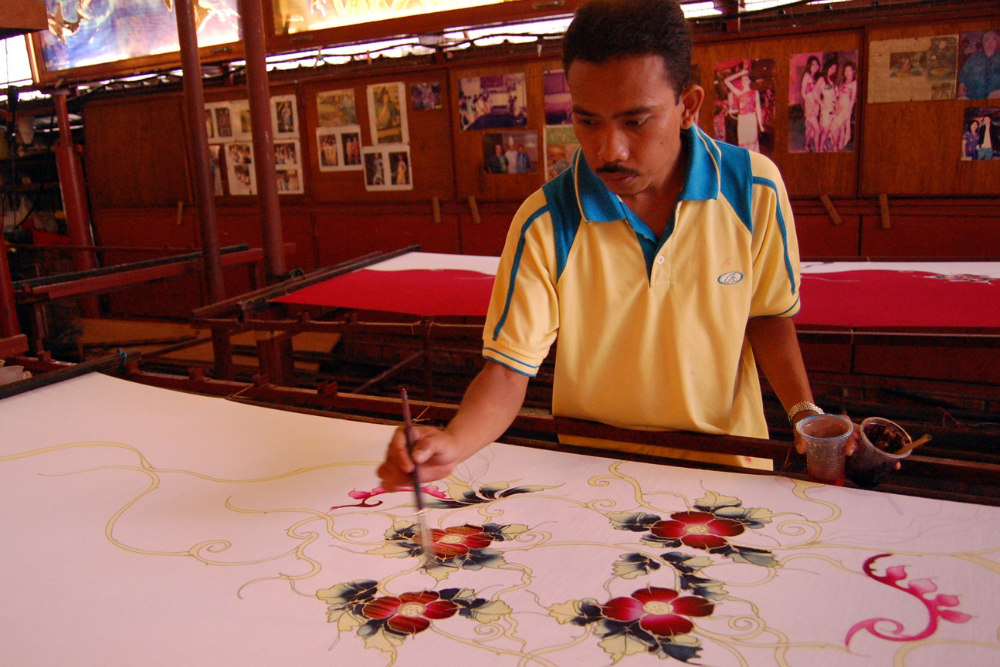
Japan is renowned for its traditional arts and crafts, such as pottery, calligraphy, and kimono making. The intricate art of origami, the delicate beauty of ikebana (flower arranging), and the precise technique of Japanese woodblock printing (ukiyo-e) highlight the craftsmanship passed down through generations. Visiting workshops and museums dedicated to these arts offers a glimpse into the heart of Japanese culture.
2. Temples and Shrines
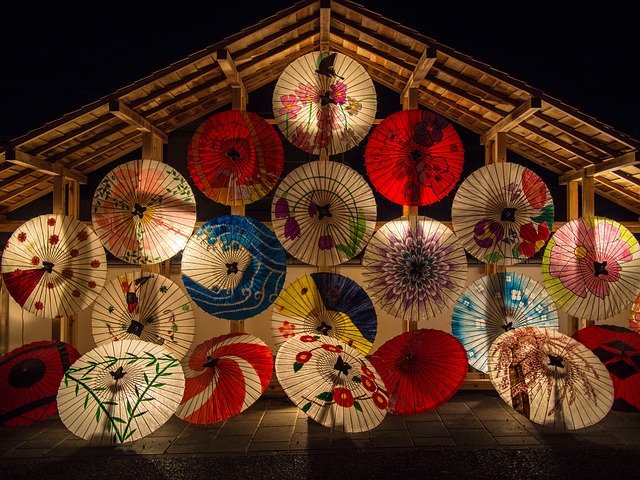
Japan’s temples and shrines are a testament to its spiritual traditions. Kyoto alone is home to over 1,600 temples and 400 shrines, including the iconic Kiyomizu-dera and Fushimi Inari Taisha. These sacred spaces provide a serene retreat and an opportunity to learn about Shinto and Buddhist practices that have shaped Japanese life for centuries.
3. Festivals
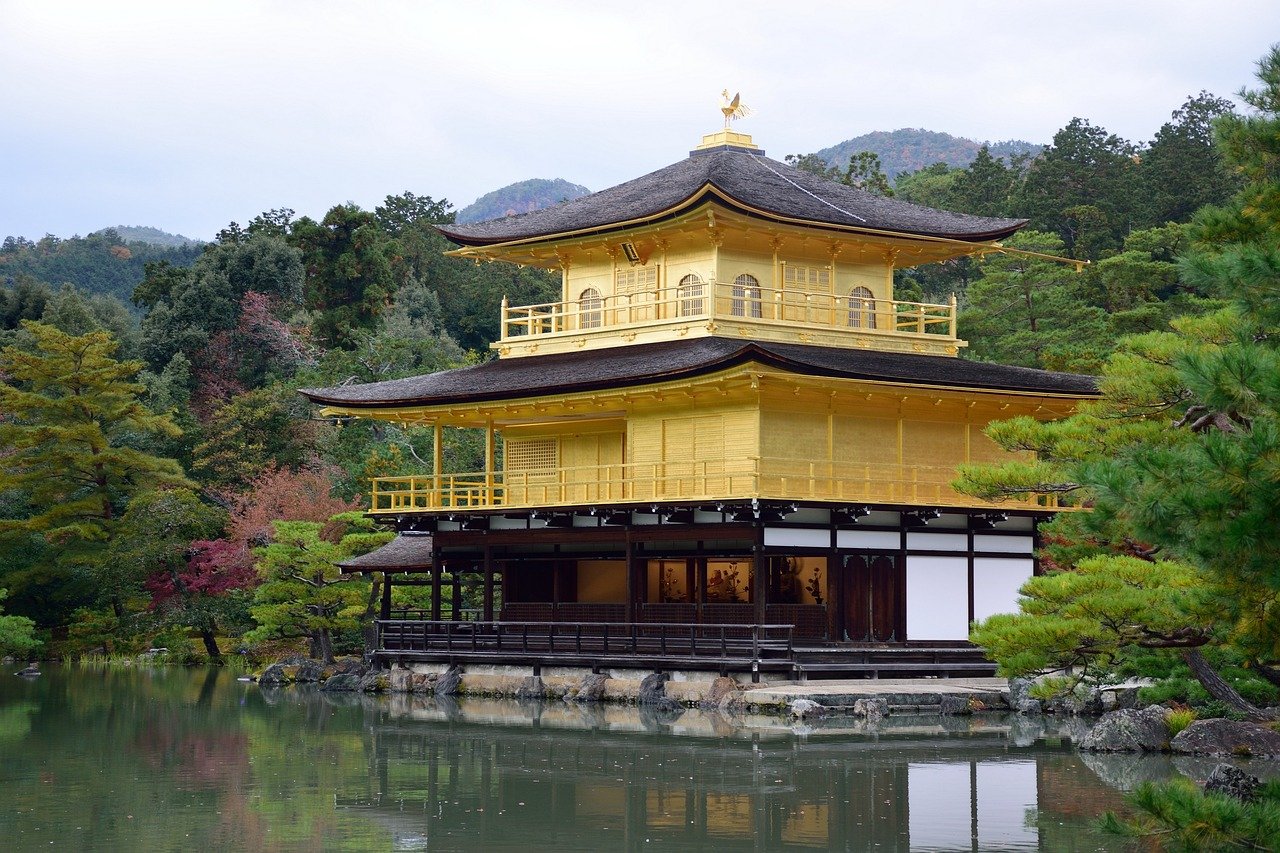
Japanese festivals, or matsuri, are vibrant expressions of cultural heritage. From the colorful Gion Matsuri in Kyoto to the energetic Awa Odori dance festival in Tokushima, each event reflects local customs and beliefs. Seasonal celebrations like cherry blossom viewing (hanami) and autumn leaf festivals showcase the Japanese appreciation for nature’s beauty.
4. Samurai and Geisha Culture
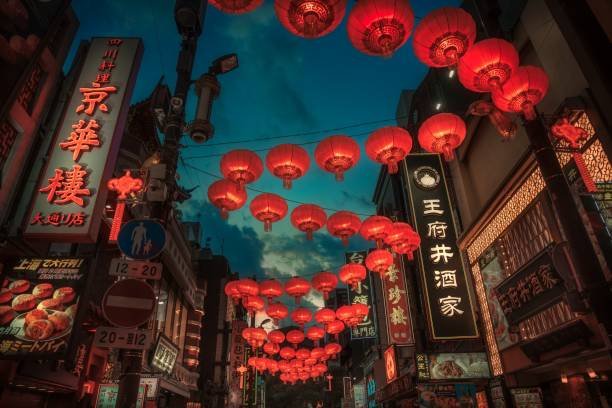
The samurai and geisha are iconic symbols of Japan’s historical and cultural identity. Samurai, the noble warriors, upheld values of honor and loyalty, while geisha, skilled in traditional arts, entertained with grace and sophistication. Today, visitors can experience samurai history in museums and castles, and catch glimpses of geisha culture in Kyoto’s Gion district.
5. Tea Ceremony
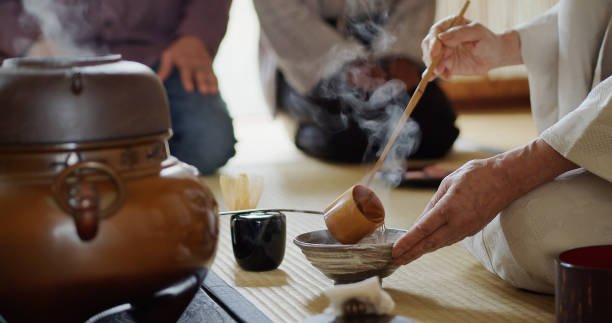
The Japanese tea ceremony, or chanoyu, epitomizes the country’s emphasis on mindfulness and simplicity. Rooted in Zen philosophy, the ceremony is a carefully choreographed ritual that celebrates harmony, respect, and tranquility. Participating in a tea ceremony offers a profound connection to Japan’s cultural essence.
Conclusion:
Japan’s rich cultural heritage is a tapestry woven with history, tradition, and artistry. From its traditional crafts and spiritual landmarks to its vibrant festivals and timeless rituals, every aspect of Japanese culture tells a story of resilience and beauty. Exploring these cultural treasures provides not only a deeper understanding of Japan but also a lasting appreciation for its enduring legacy.