




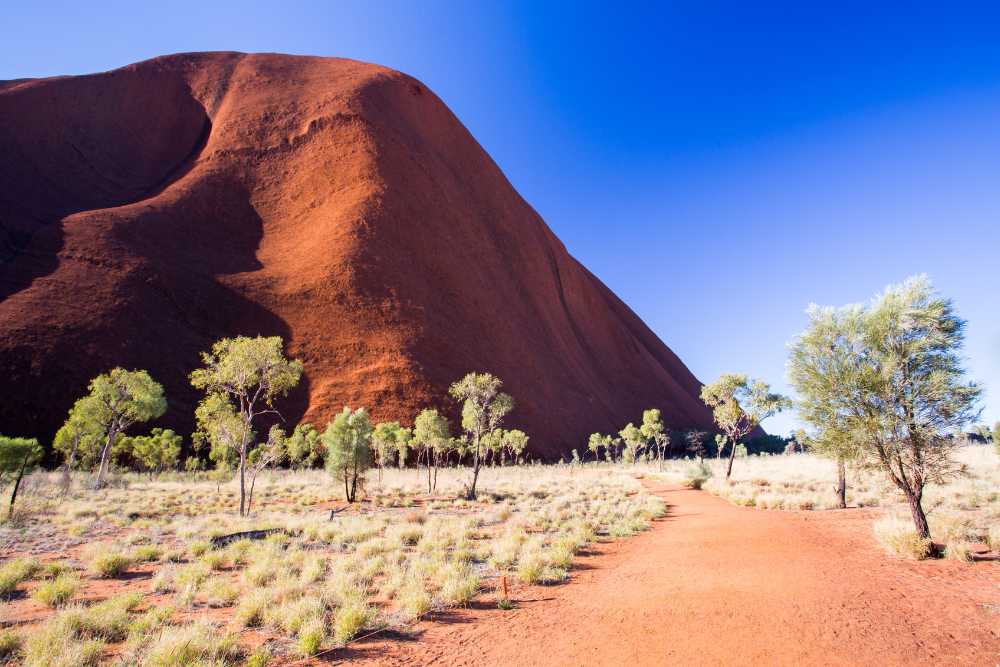
Uluru, also known as Ayers Rock, is one of Australia’s most iconic and spiritually significant landmarks. Rising 348 meters above the surrounding desert landscape and stretching 9.4 kilometers in circumference, Uluru is a massive sandstone monolith located in the heart of the Northern Territory, in the Uluru-Kata Tjuta National Park. A UNESCO World Heritage site, Uluru holds deep cultural significance for the Anangu people, the traditional custodians of the land. Whether you’re planning to visit for its natural beauty, its cultural importance, or both, here’s everything you need to know to make the most of your visit to Uluru.
Best Time to Visit Uluru

Weather: Uluru experiences extreme temperature fluctuations, with scorching summers and chilly winters.
- Ideal Visiting Time: The best time to visit is during the cooler months, from May to September, when daytime temperatures are more comfortable (between 20°C-25°C / 68°F-77°F), and the nights are cool but not freezing.
- Summer: During the summer months (December to February), temperatures can soar above 40°C (104°F), making outdoor activities difficult.
- Winter: While winter (June to August) offers pleasant daytime temperatures, it can get cold at night, so packing warm layers is essential.
How to Get to Uluru
By Air:
- The Ayers Rock Airport (Connellan Airport) is the closest airport to Uluru, located just 20 minutes from the base of the rock.
- Flights from major cities like Sydney, Melbourne, and Alice Springs are available, with regular connections to Uluru from Alice Springs (approximately 450 kilometers away).
By Road:
- Uluru is accessible by road from Alice Springs (about a 5-hour drive) or from Kata Tjuta. The drive through the Red Centre Way offers stunning views of the Outback and a chance to explore other key destinations like Kings Canyon.
By Bus:
- There are coach services from Alice Springs to Uluru, offering affordable transport options.
What to Do at Uluru

Uluru is a destination that offers both natural beauty and a deep connection to Indigenous culture. Here are some must-do activities during your visit:
1. Base Walk
- Experience: The Uluru Base Walk is a 10.6 km (6.5 miles) trail that circumnavigates the rock. It takes about 3.5 hours to complete and offers a chance to explore Uluru’s caves, waterholes, and ancient rock art.
- Tip: Start early in the morning or later in the evening to avoid the midday heat. The walk is relatively flat, making it accessible for most people.
2. Sunrise and Sunset Viewing
- Experience: The sunrise and sunset views of Uluru are spectacular. The colors of the rock change dramatically as the sun moves across the sky, shifting from orange and red to deeper shades of purple and blue.
- Best Spots: There are designated viewing areas along the Talinguru Nyakunytjaku platform for a panoramic view of both Uluru and Kata Tjuta. The Sunset Viewing Area is ideal for a front-row seat to the changing colors at sunset.
- Tip: Bring a camera, as this is one of the most photographed landscapes in Australia.
3. Cultural Tours and Experiences
- Aboriginal Culture: Uluru holds deep spiritual significance for the Anangu people, and there are several ways to learn about their history, culture, and connection to the land.
- Join a cultural tour led by an Aboriginal guide, where you can learn about traditional stories, the Dreamtime, and the significance of the flora and fauna around Uluru.
- Visit the Uluru-Kata Tjuta Cultural Centre, which features interactive exhibits and displays about the Anangu people’s culture and their ongoing stewardship of Uluru.
4. Climbing Uluru (Not Recommended)
- Respecting Cultural Significance: For many years, visitors were allowed to climb Uluru, but as of October 2019, the climb was officially closed in response to the wishes of the Anangu people, who consider Uluru a sacred site. Visitors are encouraged to respect this decision and avoid climbing.
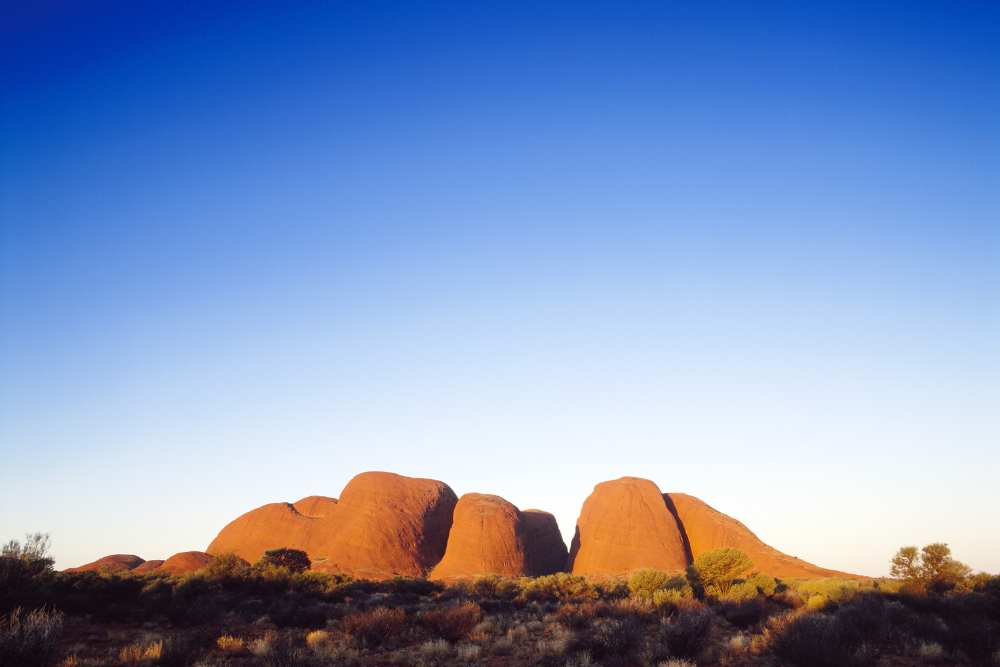
5. Kata Tjuta (The Olgas)
- Experience: A short drive from Uluru, Kata Tjuta is a group of large, domed rock formations that are also sacred to the Anangu people. The Valley of the Winds walk is a popular hiking trail that takes you through the formations, offering stunning views of the landscape.
- Best For: Hikers, nature lovers, and photographers.
Conclusion
Visiting Uluru is a transformative experience that combines natural beauty, rich cultural heritage, and a deep sense of peace. Whether you’re witnessing the sunrise over the rock, learning about the history of the Anangu people, or exploring the surrounding desert landscapes, Uluru offers a unique and unforgettable adventure. By respecting its cultural significance and embracing its natural wonders, you’ll have the opportunity to connect with one of Australia’s most iconic landmarks in a meaningful way.