

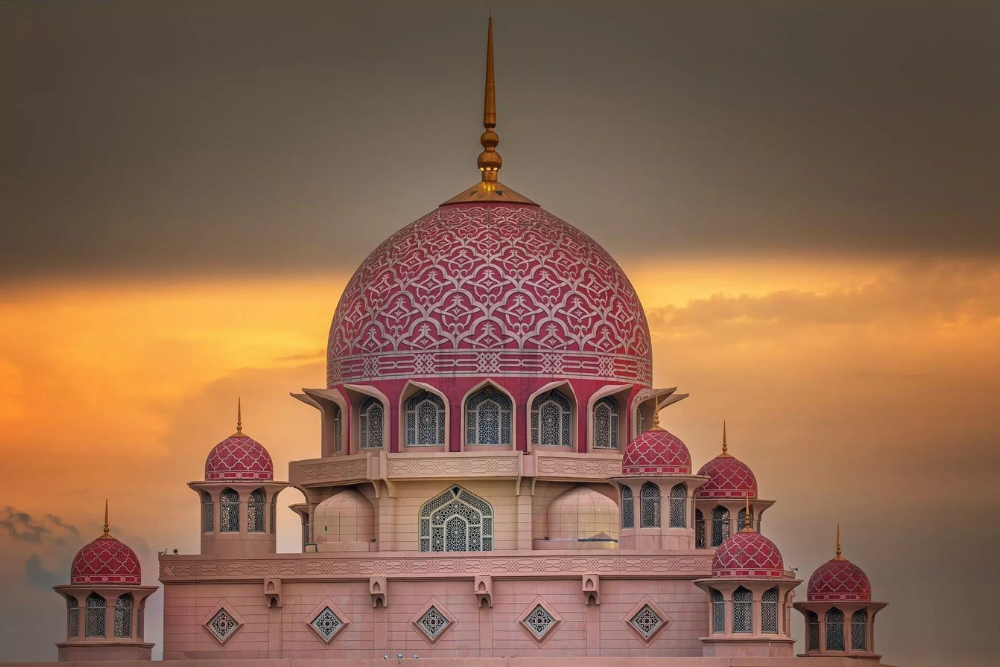

Nestled in the heart of Malaysia’s administrative city, Putrajaya, the Pink Dome Mosque, officially known as the Putra Mosque, stands as a symbol of Islamic architecture and cultural heritage. With its stunning pink dome and intricate design, this mosque has become a must-visit destination for tourists and locals alike. Here’s a closer look at its fascinating history.
Architectural Marvel
The Putra Mosque was conceptualized in 1997 when Malaysia’s Prime Minister Mahathir Mohamad envisioned a grand mosque that would reflect the nation’s Islamic identity while showcasing modern architectural elements. Designed by architect Datuk Ismail bin Ibrahim, the mosque features a unique blend of Persian, Mughal, and Malay architectural styles.
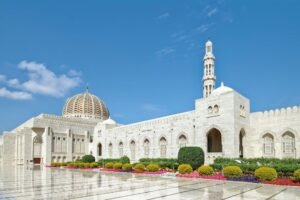
The mosque’s pink dome reaches a height of 116 meters and is made from a composite material called glass-fiber reinforced concrete. Its distinct color comes from a combination of red granite and pink hues, making it one of the most recognizable landmarks in Malaysia. The dome is surrounded by 22 smaller domes, creating an impressive visual impact against the skyline.
Construction and Inauguration
Construction of the Putra Mosque began in 1997 and took about three years to complete. Officially inaugurated on November 1, 1999, the mosque was part of a larger plan to develop Putrajaya as Malaysia’s administrative capital. The mosque was strategically located by the man-made Putrajaya Lake, enhancing its beauty and providing serene views for worshippers.
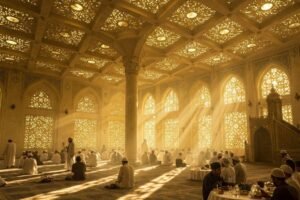
The mosque can accommodate up to 15,000 worshippers at any given time. Its spacious prayer hall features stunning calligraphy and intricate mosaics that reflect Islamic art’s richness. Visitors are often captivated by the grand chandelier hanging from the ceiling, which adds to the overall ambiance of tranquility.
Cultural Significance
The Putra Mosque plays an essential role in Malaysian society. It serves not only as a place of worship but also as a cultural center that promotes understanding and appreciation of Islam among diverse communities. The mosque hosts various programs, including educational workshops and interfaith dialogues, fostering harmony among different faiths.
Every Friday, thousands gather for prayers at the mosque, making it one of Malaysia’s busiest religious sites. The mosque also attracts tourists who come to admire its stunning architecture and learn about Islamic traditions.
Visitor Experience
Visitors flock to the Pink Dome Mosque not just for its beauty but also for its welcoming atmosphere. The mosque is open to tourists daily except during prayer times. Guided tours are available for those who wish to delve deeper into its history and architecture.
As you explore the mosque, you’ll find informative displays detailing its construction journey and cultural significance. Don’t miss the opportunity to take photos at its iconic entrance adorned with intricate carvings that showcase traditional Malay artistry.
Conclusion
The Pink Dome Mosque in Putrajaya stands as a testament to Malaysia’s rich Islamic heritage and architectural prowess. Its design reflects both modernity and tradition while serving as a hub for spiritual growth and community engagement. Whether you are a local or a traveler seeking to explore Malaysia’s cultural landscape, visiting this iconic mosque is an experience that will leave you with lasting memories.
In summary, the Putra Mosque embodies Malaysia’s commitment to preserving its cultural identity while embracing modernity. Its breathtaking architecture, vibrant community life, and rich history make it an essential stop on any journey through this beautiful country.