

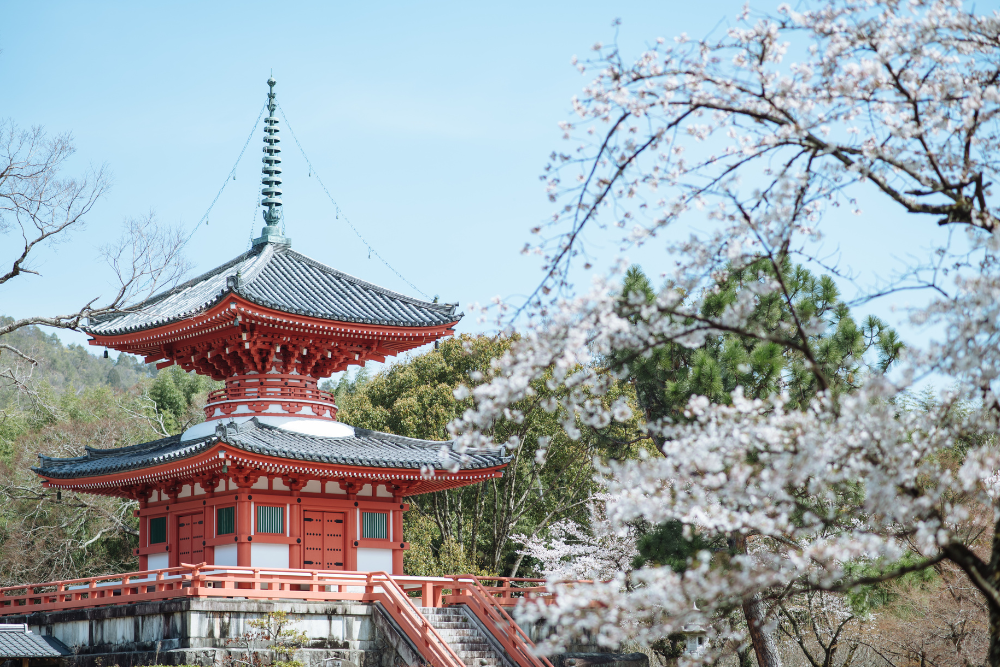

Cherry blossom season in Japan is one of the most anticipated times of the year, drawing millions of visitors eager to witness the delicate pink and white petals in full bloom. However, sakura (cherry blossoms) don’t bloom all at once across the country. Instead, they follow a gradual wave from south to north, a phenomenon known as the Sakura Zensen, or Cherry Blossom Front.
Understanding how cherry blossoms move across Japan allows travelers to plan the perfect itinerary, maximizing their chances of seeing these fleeting blooms at their peak. In this guide, we’ll explore the progression of the Sakura Front, highlight key viewing locations, and share tips on how to chase the blossoms from early to late bloom.
1. Understanding the Sakura Front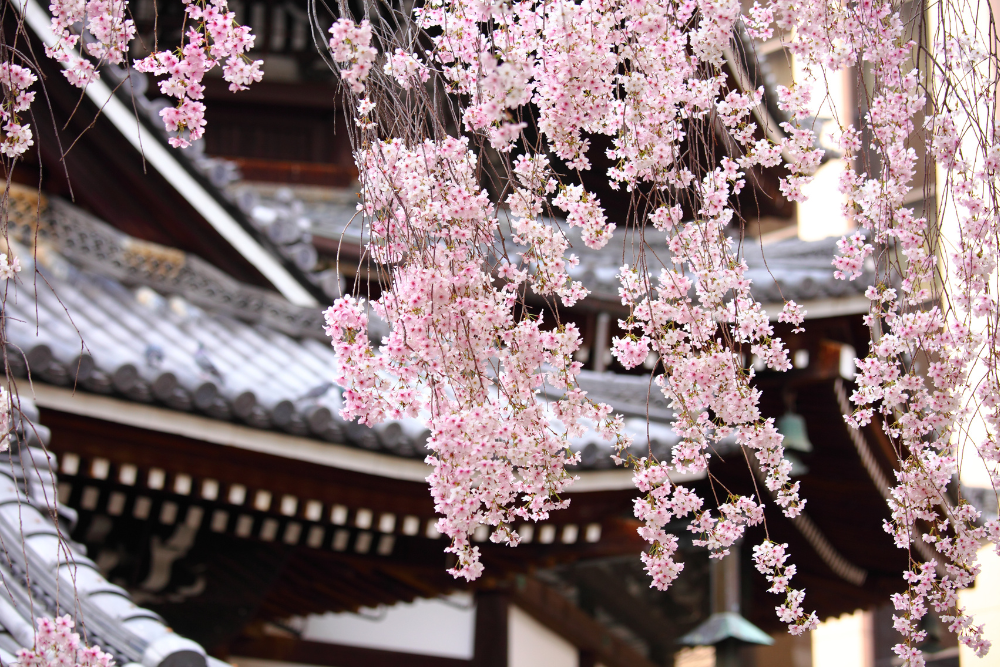
The Sakura Front refers to the movement of cherry blossoms as they begin blooming in warmer southern regions and gradually spread northward. The blooming process is influenced by temperature, weather conditions, and geography, meaning that even within a single city, different trees may bloom at slightly different times.
Key Phases of Cherry Blossom Bloom
- Kaika (開花) – First Bloom: The initial stage when the first buds start to open.
- Mankai (満開) – Full Bloom: The peak of the cherry blossoms, usually lasting about a week.
- Fubuki (桜吹雪) – Petal Snowfall: The petals begin to fall, creating a stunning “snowstorm” effect.
Because cherry blossoms last only one to two weeks per location, knowing where and when to visit is essential for catching the best views.
2. The Journey of the Sakura Front
Early Bloom (Mid-March – Late March) – Kyushu & Shikoku
The first signs of cherry blossoms appear in Japan’s southernmost regions, where the climate is warmest.
- Fukuoka (Ohori Park, Maizuru Park) – Early to mid-March
- Kagoshima (Yoshino Park) – Mid to late March
- Nagasaki (Peace Park) – Late March
- Matsuyama, Ehime (Dogo Park) – Late March
These areas experience an earlier bloom, making them ideal starting points for a cherry blossom adventure.
Peak Bloom (Late March – Early April) – Honshu (Tokyo, Kyoto, Osaka)
As the Sakura Front moves northward, the main island of Japan bursts into color. Tokyo, Kyoto, and Osaka—home to some of the most famous hanami (flower viewing) spots—reach their peak bloom in early April.
- Tokyo (Shinjuku Gyoen, Ueno Park, Chidorigafuchi) – Late March to early April
- Kyoto (Maruyama Park, Philosopher’s Path) – Early April
- Osaka (Osaka Castle Park, Kema Sakuranomiya Park) – Early April
- Hiroshima (Peace Memorial Park, Shukkeien Garden) – Early April
This is the busiest time for cherry blossom tourism, so booking hotels and transport in advance is crucial.
Late Bloom (Mid-April – Early May) – Northern Honshu & Hokkaido
As temperatures warm, the blossoms continue their journey north. If you miss peak bloom in central Japan, you can still catch the late bloomers in the Tohoku region and Hokkaido.
- Sendai, Miyagi (Mikamine Park, Hitome Senbonzakura) – Mid-April
- Aomori (Hirosaki Castle) – Late April
- Hakodate, Hokkaido (Goryokaku Park) – Late April
- Sapporo, Hokkaido (Maruyama Park, Moerenuma Park) – Early May
Hokkaido is the last major region to experience cherry blossoms, making it the final destination for those chasing the Sakura Front.
3. Best Strategies for Chasing Cherry Blossoms
1. Follow the Forecast
Japan’s Meteorological Agency releases cherry blossom forecasts starting in January, with updates throughout the season. Websites like Japan Guide, Weathernews, and Sakura Weathermap provide detailed bloom predictions.
2. Plan a Flexible Itinerary
Because bloom times can shift due to sudden temperature changes, it’s best to allow flexibility in your schedule. If possible, book accommodation with free cancellation so you can adjust plans based on real-time forecasts.
3. Use Japan’s Efficient Rail System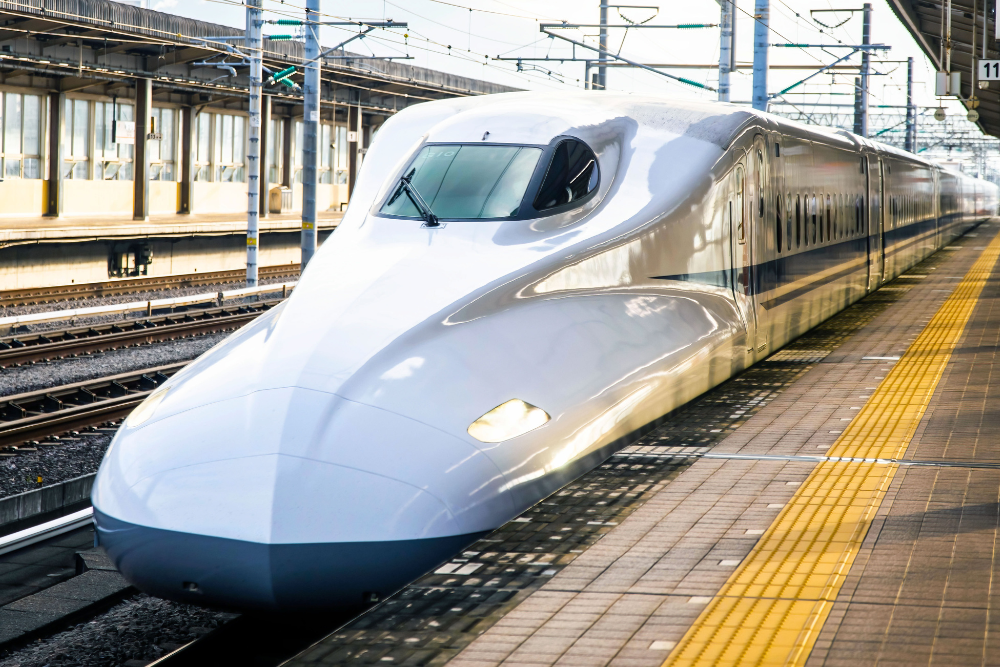
The Japan Rail Pass (JR Pass) is a cost-effective way to travel across the country. The high-speed Shinkansen makes it easy to move between cities, allowing you to chase peak blooms as they progress north.
4. Visit Lesser-Known Cherry Blossom Spots
Famous locations like Tokyo’s Ueno Park and Kyoto’s Philosopher’s Path attract massive crowds. Consider visiting less crowded yet equally beautiful spots like:
- Takato Castle Ruins (Nagano) – Mid-April
- Kakunodate Samurai District (Akita) – Late April
- Matsumae Park (Hokkaido) – Early May
5. Experience Different Types of Cherry Blossoms
While the Somei Yoshino variety is the most common, Japan is home to over 200 sakura varieties that bloom at different times. For example:
- Kawazu-zakura (Shizuoka) – Blooms in February and lasts for about a month.
- Shidare-zakura (Weeping Cherry, Kyoto) – Found in Maruyama Park and lasts longer than Somei Yoshino.
- Yae-zakura (Double-layered petals, Hokkaido) – Blooms later in April-May.
4. Other Spring Activities to Enjoy Along the Sakura Front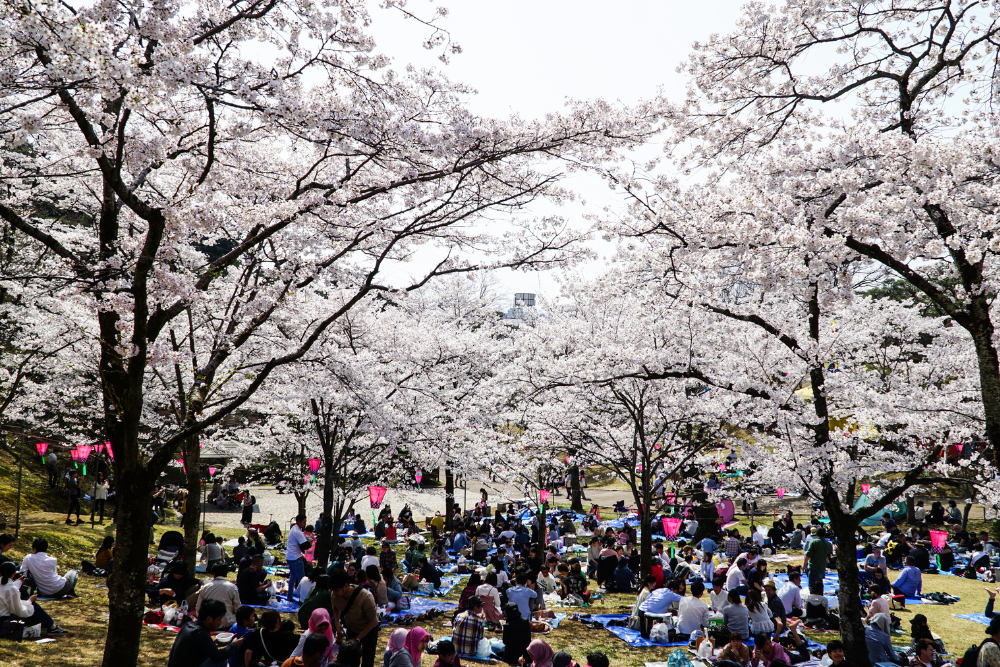
Chasing cherry blossoms isn’t just about the flowers—spring in Japan offers other seasonal delights:
- Hanami Picnics: Join locals in parks with bento lunches and sake.
- Sakura-Themed Foods: Try sakura mochi, sakura lattes, and cherry blossom-flavored ice cream.
- Spring Festivals: Enjoy events like the Takayama Spring Festival (April 14–15) and Hirosaki Cherry Blossom Festival (late April).
- Night Illuminations: Many parks, including Chidorigafuchi in Tokyo, light up cherry trees at night for a magical view.
Conclusion
Chasing the Sakura Front across Japan is a rewarding adventure that allows travelers to experience cherry blossoms in multiple locations. By understanding the progression of the bloom, staying updated with forecasts, and planning a flexible itinerary, you can maximize your chances of witnessing this breathtaking spectacle.
Whether you start your journey in the warm southern regions or catch the last blossoms in Hokkaido, the magic of sakura season is worth the chase. So pack your bags, grab your camera, and follow the pink wave as it moves through Japan!