


Introduction
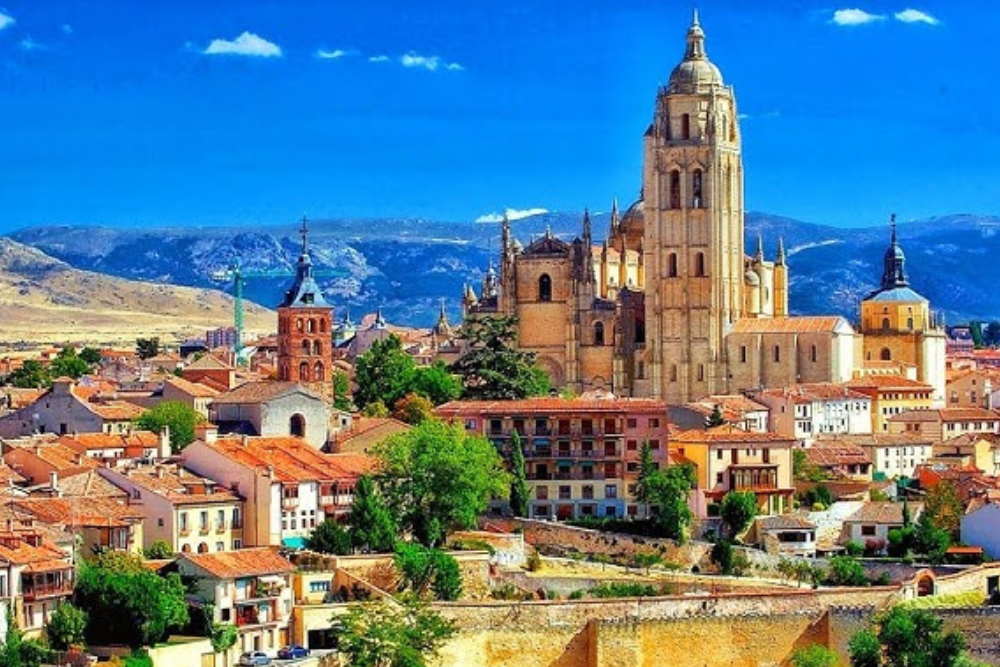
Segovia is a noteworthy city in focal Spain, known for its staggering Roman and middle age engineering. An UNESCO World Legacy site, it is generally renowned for its very much protected Roman water system, which extends over the city. Segovia’s Alcazar, a fantasy like palace, and its Gothic basilica are other notable milestones. The city’s winding roads, squares, and conventional Castilian cooking add to its appeal. Arranged close to Madrid, Segovia offers a mix of history, culture, and beautiful excellence, making it a well-known road trip location for guests inspired by Spain’s rich past.
Roman Aqueduct
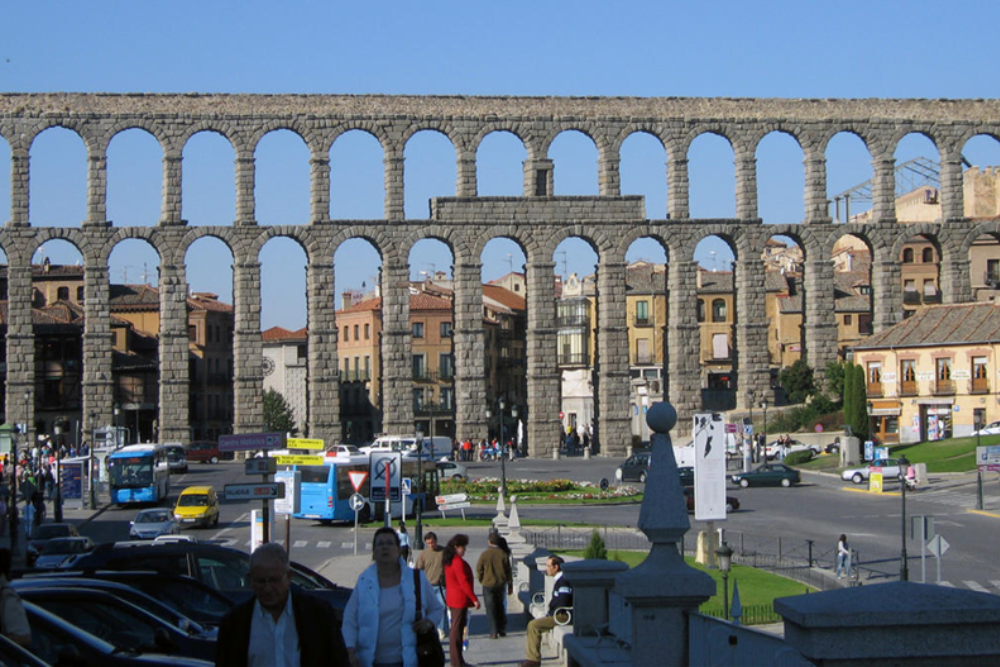
- Quite possibly of the best-saved Roman reservoir conduit on the planet, this notorious construction traverses the city and traces all the way back to the first hundred years. Its glory is an image of Segovia’s verifiable importance.
Alcazar of Segovia
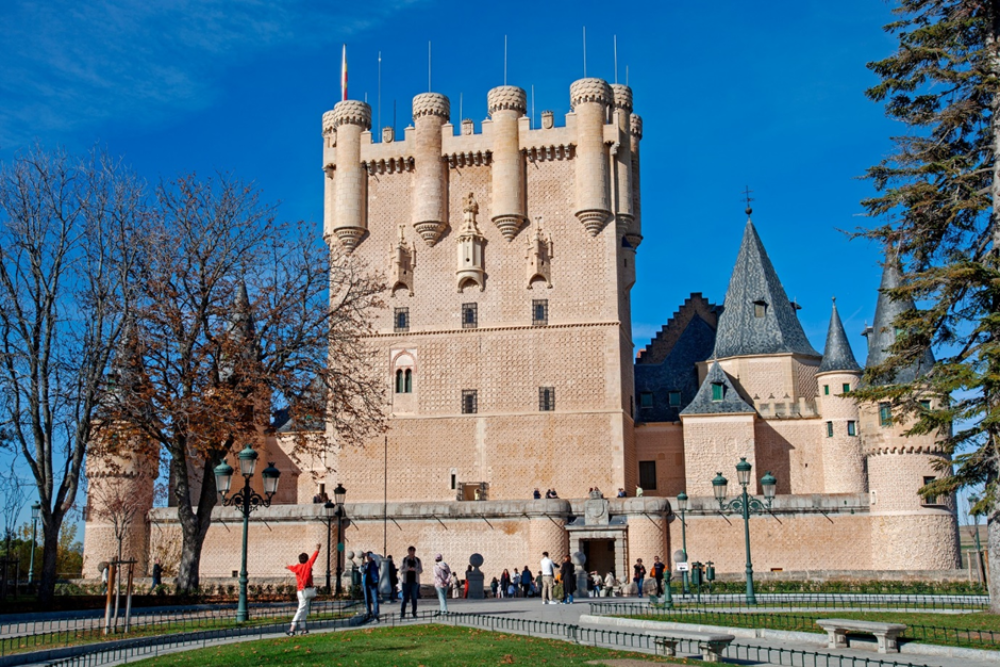
- A fantasy palace roosted on a bluff, the Alcazar has filled in as a stronghold, imperial royal residence, and military foundation. Its pinnacles and insides offer all-encompassing perspectives on the encompassing open country.
Segovia Cathedral
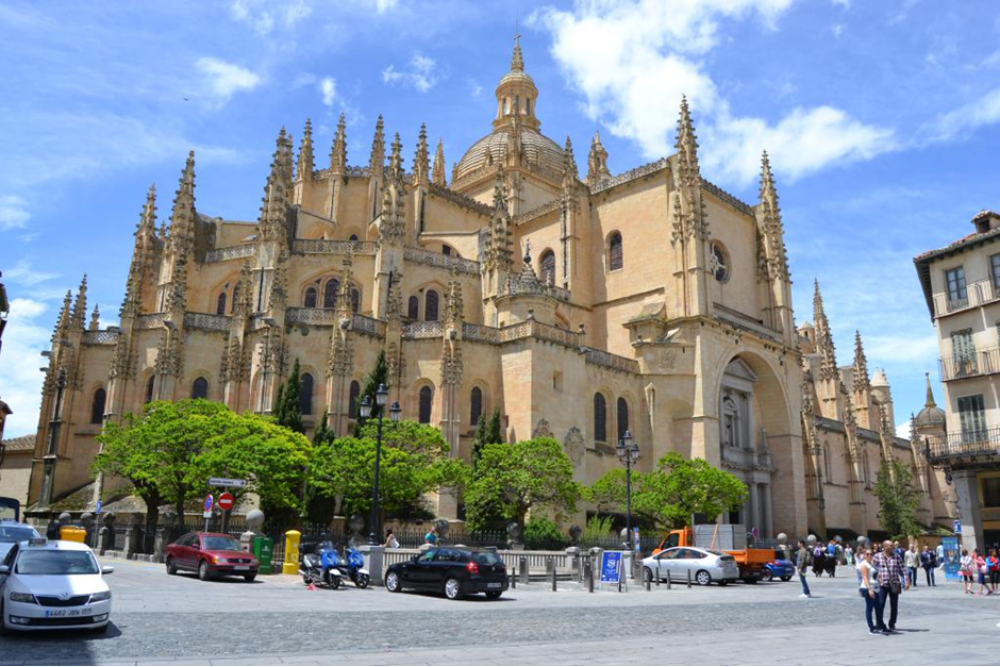
- Known as the “Woman of Houses of prayer,” this radiant Gothic church is the last Gothic basilica worked in Spain. It rules the city’s horizon and offers wonderful perspectives from its chime tower.
Jewish Quarter
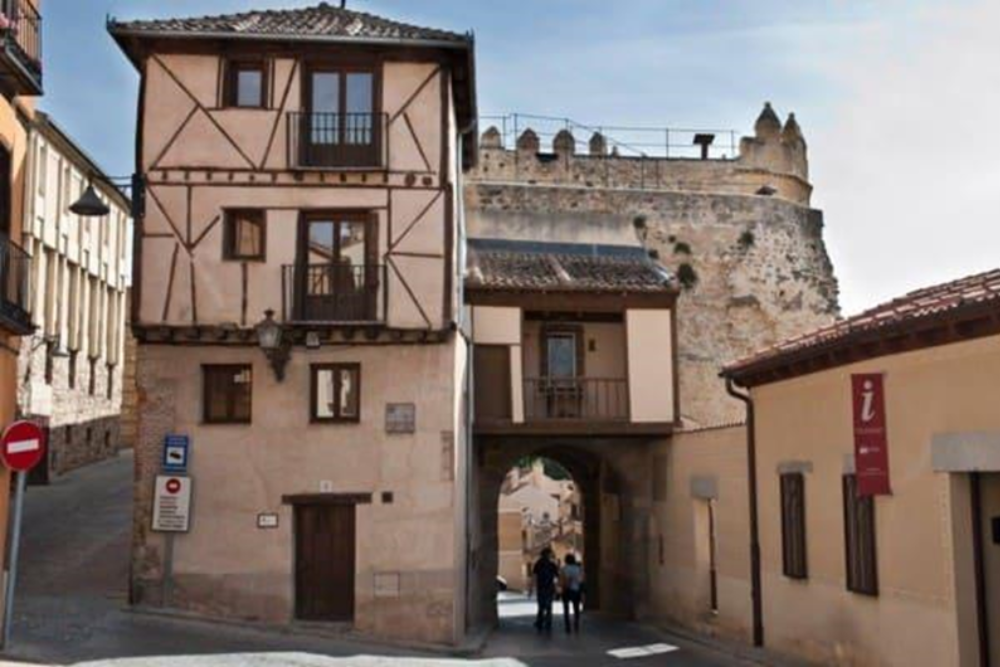
- Segovia’s noteworthy Jewish Quarter, with slender roads and exceptionally old structures, mirrors the city’s multicultural past. The old place of worship, presently a congregation, is a vital site.
Plaza Mayor
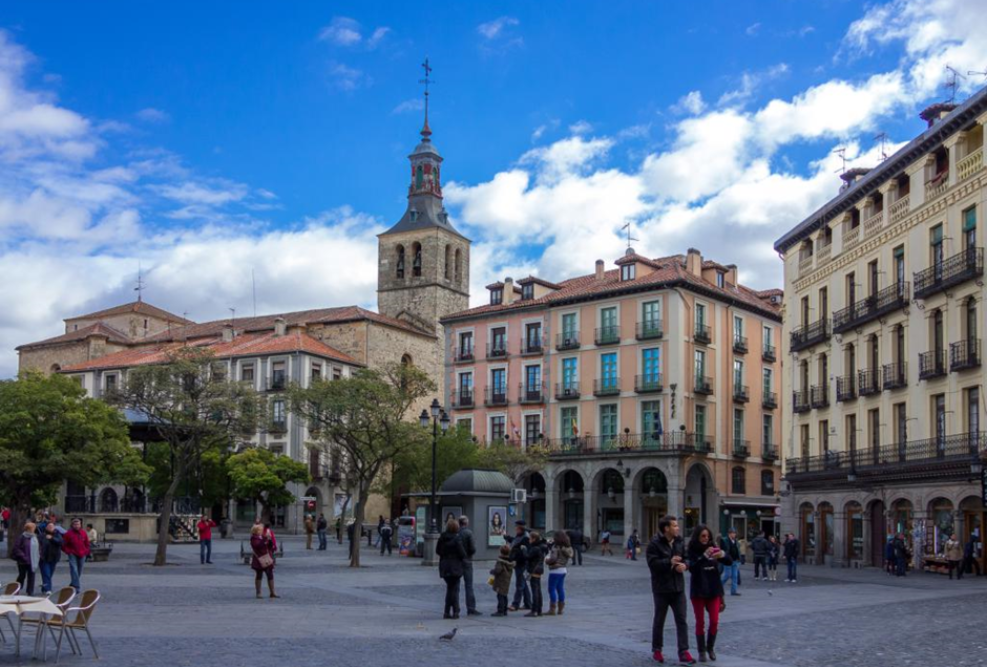
- The enthusiastic heart of the city, Square Chairman is encircled by bistros, cafés, and verifiable structures. It’s an ideal spot to unwind and partake in the nearby climate.
Monastery of San Antonio El Real
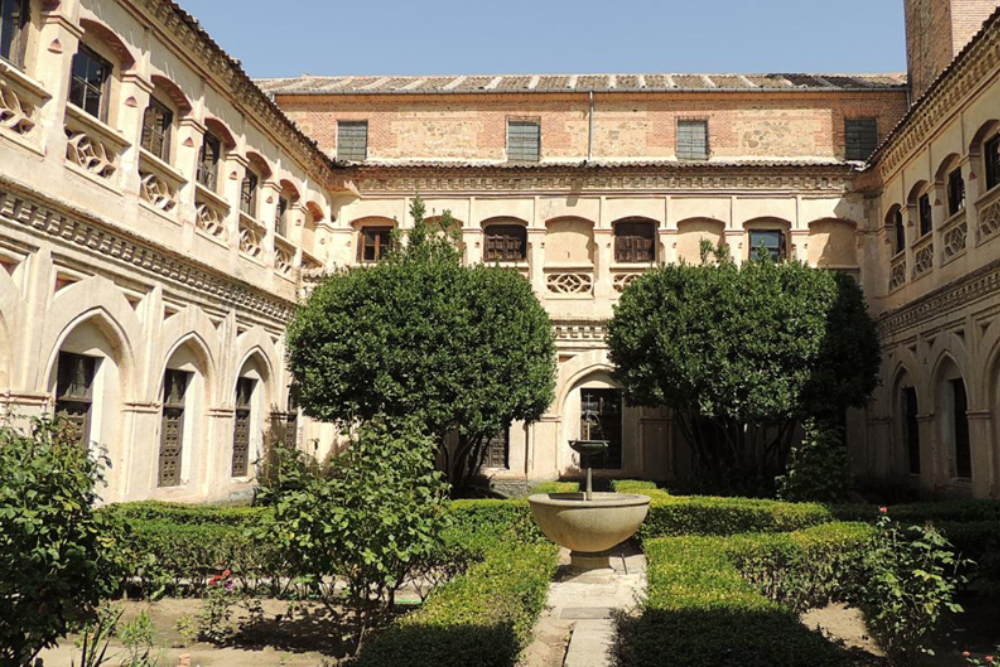
- A serene desert garden, this fifteenth century religious community is known for its Mudejar-style engineering and stunning groups.
La Granja de San Ildefonso
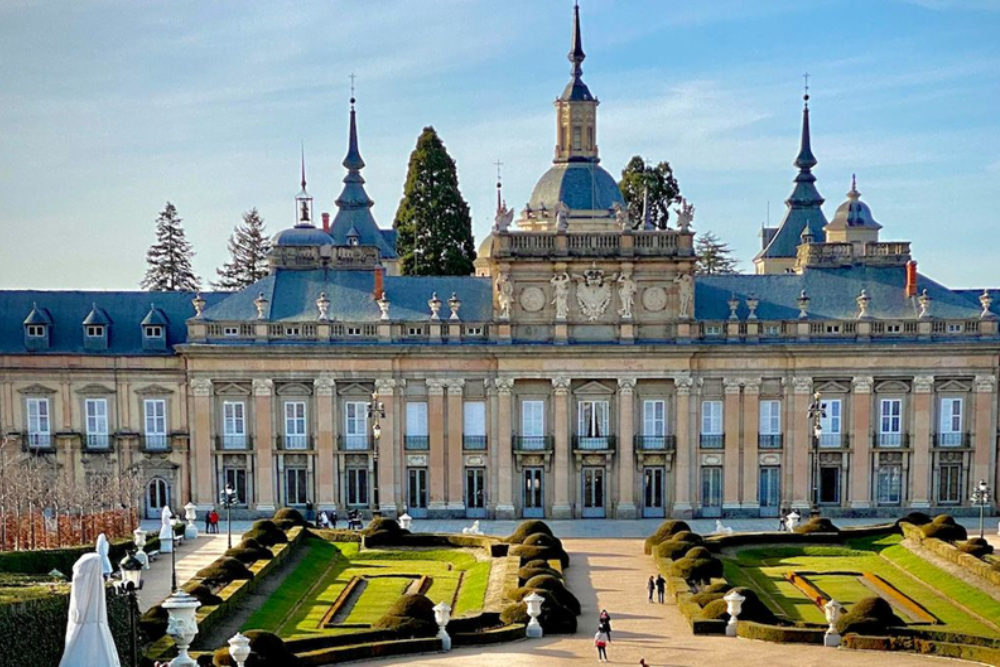
- Found right external Segovia, this imperial royal residence is frequently called the “Spanish Versailles” for its staggering nurseries, wellsprings, and lavish insides.
Rock Climbing
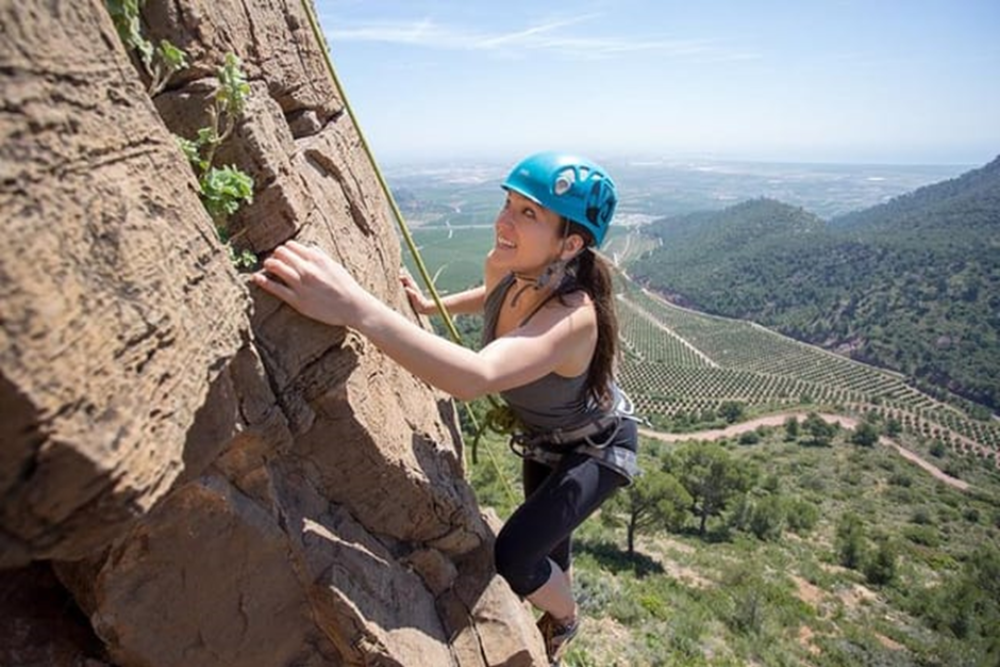
- For experience searchers, rock moving in the close by Sierra de Guadarrama Public Park offers testing bluffs and tough landscapes. Regions like La Pedriza are well known for climbers.
Caving (Speleology)
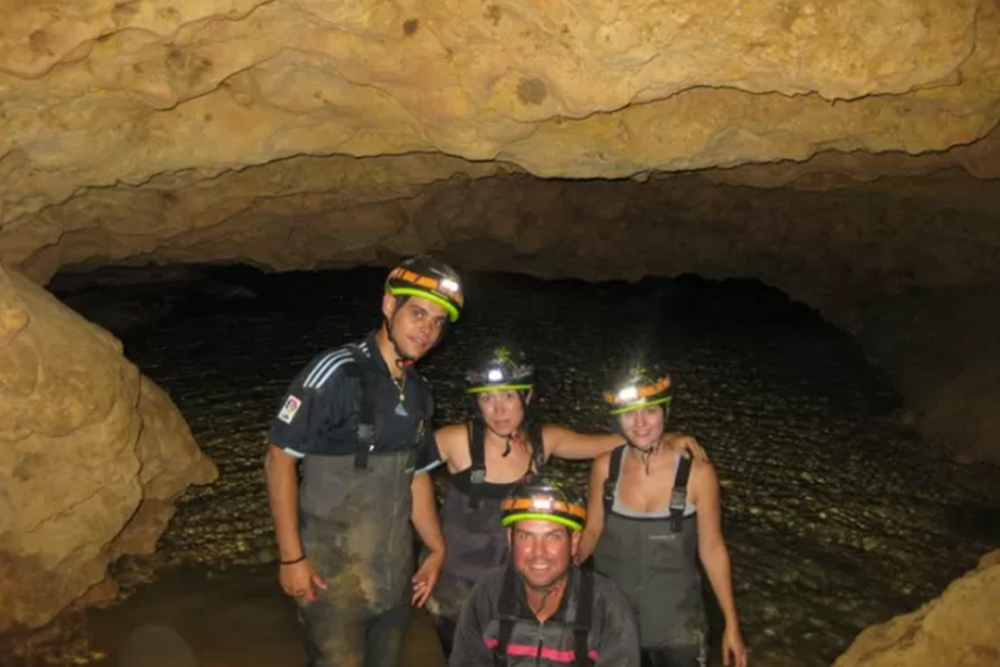
- There are fascinating caves to explore in the surrounding regions of Segovia, offering a unique subterranean adventure. Guided caving tours are available for all experience levels.
Dos and Don’ts Segovia
Here is a useful aide on the rules and regulations while visiting Segovia to guarantee you have a conscious and charming experience:
Dos:
- Do Attempt Neighborhood Cooking: Segovia is popular for its culinary pleasures, particularly cochinillo (nursing pig) and judiones de La Granja (enormous beans). Getting a charge out of nearby dishes in customary eateries is an unquestionable necessity.
- Do Regard Notable Locales: While visiting destinations like the Alcazar and the House of God, be aware of the standards and rules. Try not to contact ancient rarities and follow photography limitations where relevant.
- Do Meander the Roads: Take as much time as necessary investigating the twisting roads of Segovia’s old town. You’ll find enchanting shops, bistros, and unexpected, yet invaluable treasures outside of what might be expected.
Don’ts:
- Don’t Rush: Take as much time as necessary to absorb the sights and encounters. Hurrying through can prompt passing up the magnificence and history of Segovia.
- Don’t Overlook Nearby Decorum: While feasting, trust that the host will flag that you can begin eating, and be aware of dinner times. Lunch is commonly served between 1:30 PM and 3:30 PM, and supper begins later at night.
- Don’t Be Clearly: Hold your voice down, particularly out in the open spots and noteworthy locales, as noisy discussions should be visible as ill bred.
Best time to arrive at in Segovia
The best opportunity to visit Segovia is throughout the spring (April to June) and fall (September to October) seasons. Here is a breakdown of what you can expect during these times:
Spring (April to June)
- Gentle temperatures range from 15°C to 25°C (59°F to 77°F), making it charming for open air exercises and touring.
- The scene wakes up with brilliant blossoms, adding to the city’s appeal.
- Contrasted with the mid-year months, spring will in general be less packed, considering a more loosened up experience at significant attractions.
Fall (September to October)
- Like spring, decrease temperatures range from 15°C to 25°C (59°F to 77°F), giving agreeable circumstances to investigating the city.
- The changing leaves make delightful landscape, especially in the encompassing open country and parks.
- Fall frequently includes nearby celebrations and occasions, offering experiences into Segovia’s way of life and customs.
Summer (July to August)
- Summers can be blistering, with temperatures frequently surpassing 30°C (86°F). Nonetheless, mornings and nights can be more wonderful.
- Summer is clamouring with occasions and celebrations, remembering the Banquet of San Juan for June.
- Expect more vacationers during this pinnacle season, particularly in July and August, which can prompt longer queues at famous attractions.
Winter (November to spring)
- Winters can be cold, with temperatures decreasing to around 0°C (32°F) around evening time and periodic snowfall.
- Less sightseers visit throughout the colder time of year, considering a more private encounter.
- The Christmas season brings delightful enrichments and neighborhood merriments, making it an enchanted opportunity to visit.