



Switzerland has long been known for its precision, beauty, and sophisticated culture. A country renowned for its breathtaking landscapes, it has also become a significant hub for the global art scene. From the quaint villages to the sophisticated urban centers like Zurich, Basel, and Geneva, the Swiss art world is vibrant and continually evolving. In recent years, Swiss contemporary galleries have increasingly put the spotlight on emerging artists, pushing boundaries and exploring new mediums, themes, and artistic expressions.
This blog will delve into the burgeoning Swiss art scene, highlighting the emerging artists and contemporary galleries that are shaping its future.
Switzerland’s Rich Art History
Switzerland’s art scene is deeply influenced by its rich history, including the legacy of some renowned artists such as Paul Klee, Alberto Giacometti, and Jean Tinguely. These Swiss-born artists have had a lasting impact on the development of modern and contemporary art. Paul Klee, for instance, with his intricate use of color and abstraction, remains a figure of inspiration for many contemporary artists.
While Switzerland’s art scene has traditionally been dominated by established historical figures, in recent decades, the focus has shifted to emerging talents and contemporary galleries that are redefining the country’s art identity.
The Rise of Emerging Artists
Switzerland’s emerging artists represent a new generation of creative minds who are pushing artistic boundaries. Their works often reflect the social, political, and technological challenges of the modern world. Many of them are not only exploring new techniques and mediums but are also grappling with important issues such as identity, climate change, technology, and migration.
One of the prominent figures in the current wave of Swiss emerging artists is Claudia Cardinale. Her work revolves around the intersection of technology and human interaction. Using a combination of digital art and installations, she critiques the impact of social media and technology on human relationships. Her art invites viewers to reflect on the human condition in an increasingly digital world.
Another notable artist is Nadja Buttendorf, whose sculptures and installations delve into themes of body, identity, and materiality. She often incorporates industrial materials, blending them with organic forms to explore human fragility and resilience. Buttendorf’s work has been exhibited across Switzerland and abroad, gaining recognition for its bold approach to materiality and abstraction.
Emerging artists like Buttendorf and Cardinale are part of a broader movement of contemporary creators in Switzerland who embrace experimentation and social commentary in their practice. They are unafraid to challenge traditional art forms and actively engage with both their local and global communities.
Contemporary Galleries Leading the Charge
Swiss contemporary galleries play a pivotal role in fostering emerging talent and promoting new artistic practices. These spaces not only showcase the works of emerging artists but also create platforms for international collaboration and discourse. They allow the next generation of artists to experiment, grow, and reach new audiences.
Galleria Il Milione (Milan/Zurich)
One of the leading contemporary galleries in Switzerland is Galleria Il Milione, which has locations in both Milan and Zurich. Known for its dedication to contemporary art, the gallery represents several emerging Swiss artists, focusing on those who push the boundaries of conceptual art, photography, and sculpture. Il Milione is committed to showcasing innovative work that engages with social and cultural issues, offering a fresh perspective on Swiss contemporary art.
The gallery’s exhibitions often reflect themes of transience, memory, and technology—issues that resonate with a younger generation of artists. Il Milione provides a space for artists to explore new media and interdisciplinary practices, making it one of the most exciting galleries in Switzerland today.
Kunsthalle Zurich
Located in the heart of Zurich, Kunsthalle Zurich is another essential space for contemporary art in Switzerland. The gallery has consistently presented cutting-edge exhibitions by both established and emerging artists. Kunsthalle Zurich is known for its focus on multidisciplinary practices, incorporating elements such as performance art, film, and installation in its exhibitions.
The gallery’s commitment to exploring contemporary issues is reflected in its curation, which often involves collaborative projects with artists from diverse backgrounds. Through these exhibitions, Kunsthalle Zurich continues to challenge traditional ideas of what art can be and how it can interact with the viewer.
The Tate Modern of Switzerland: Fondation Beyeler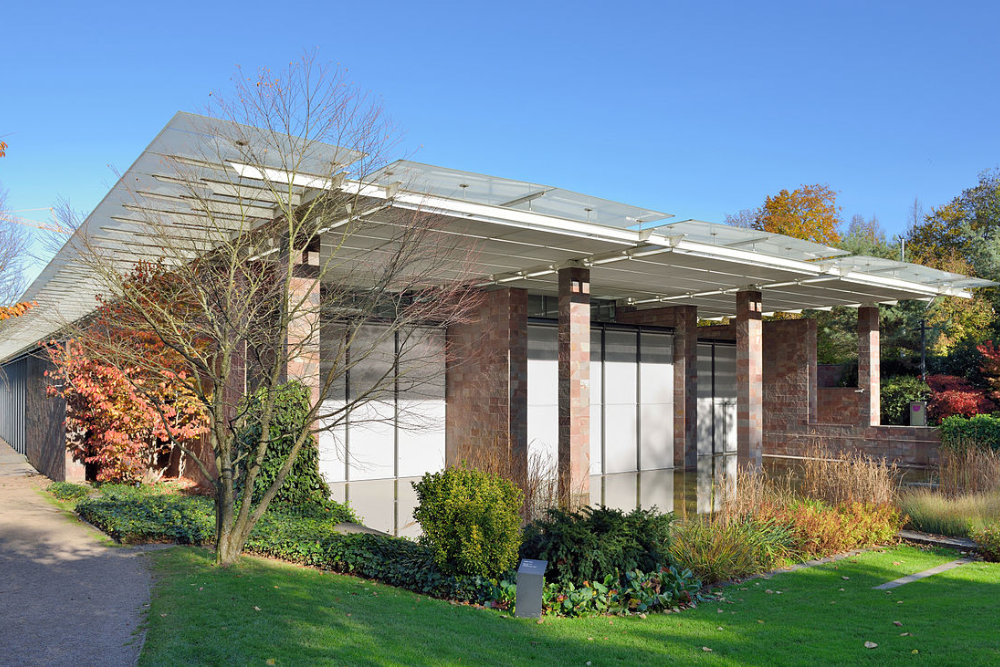
While not exclusively a contemporary gallery, the Fondation Beyeler in Riehen (near Basel) plays an important role in the Swiss contemporary art landscape. Known for its world-class collection of modern and contemporary art, including works by Picasso, Cézanne, and Van Gogh, the foundation also showcases emerging artists. The museum’s biennial exhibitions feature a range of contemporary creators, providing a broader cultural context for Swiss and international artists.
The foundation has an excellent track record of balancing the classical and the contemporary, offering visitors a broad perspective on the development of modern art and its future.
Galerie Bob van Orsouw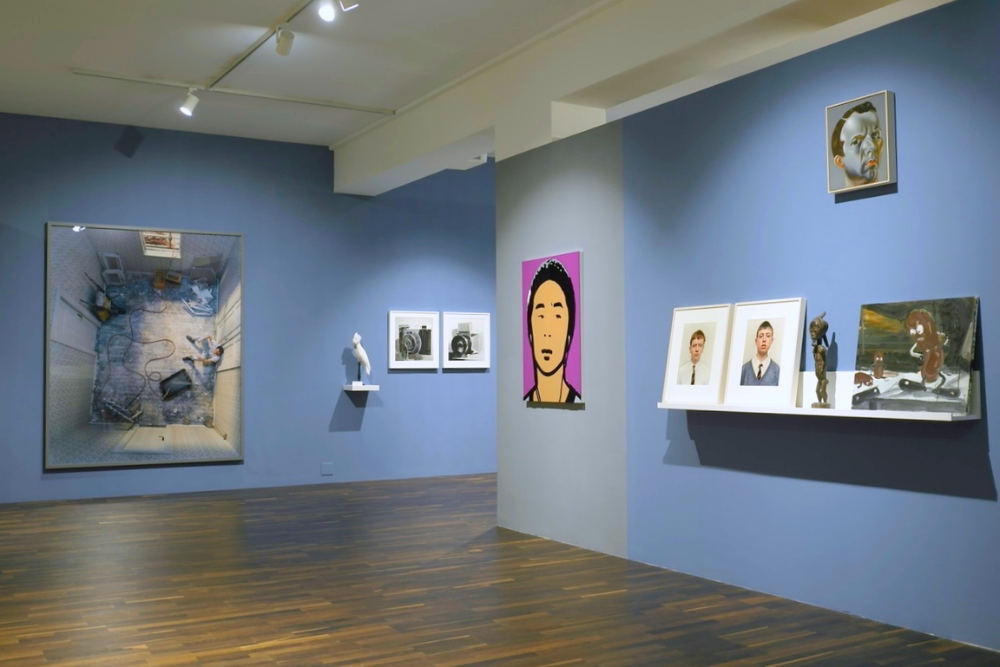
Located in Zurich, Galerie Bob van Orsouw is another notable contemporary art gallery that supports emerging Swiss artists. The gallery’s program reflects a commitment to new and experimental art forms, featuring a dynamic range of artists working in painting, sculpture, video, and installation. It is also known for collaborating with international artists, creating a cross-cultural platform for ideas and creativity.
Galerie Bob van Orsouw has helped launch the careers of several prominent Swiss artists. Their work often engages with the philosophical, political, and environmental concerns of contemporary society, making the gallery a key player in the promotion of new art narratives in Switzerland.
The Impact of Swiss Art Fairs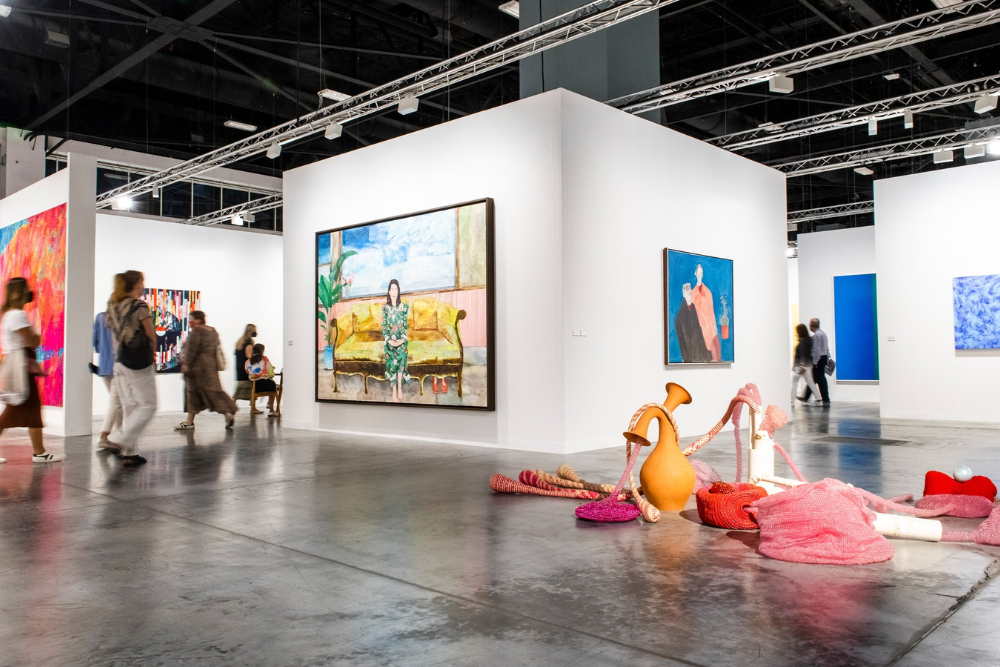
Art fairs are a critical part of Switzerland’s contemporary art ecosystem. The country hosts some of the world’s leading art events, which provide emerging artists with exposure and the opportunity to connect with international galleries, collectors, and curators.
One of the most notable events is Art Basel, held annually in Basel. Known as one of the premier art fairs in the world, Art Basel draws artists, collectors, and galleries from across the globe. The event has a special focus on contemporary and emerging art, providing a platform for new talent to be discovered by the international art community. Emerging Swiss artists have historically made their mark at Art Basel, and the fair continues to serve as an essential stage for both established and up-and-coming creators.
Similarly, Liste Art Fair Basel is a dedicated fair for emerging contemporary art, and it highlights young galleries and artists. This event offers a more experimental and intimate environment compared to Art Basel, making it an important venue for Swiss artists to showcase their work and gain visibility.
Challenges Facing Emerging Artists in Switzerland
While Switzerland is home to a thriving art scene, emerging artists face several challenges. The high cost of living in cities like Zurich and Basel can make it difficult for young artists to find affordable studio space and sustain themselves financially. Furthermore, the art market in Switzerland is highly competitive, and gaining visibility on an international scale requires significant resources and connections.
Despite these obstacles, many emerging artists are finding creative ways to overcome these challenges. Some artists collaborate with other creators to share space and resources, while others rely on alternative exhibition spaces such as pop-up galleries, art collectives, and online platforms. The resilience and adaptability of these artists are what keep the Swiss art scene dynamic and full of potential.
Conclusion
Switzerland’s art scene is evolving, with emerging artists and contemporary galleries playing an essential role in defining its future. These artists are challenging conventional boundaries and tackling important global issues through their innovative work. With the support of forward-thinking galleries and art fairs, Swiss contemporary art is thriving on the international stage, offering new perspectives on both Swiss culture and the broader world.
As the Swiss art scene continues to grow, it will undoubtedly continue to foster fresh voices and artistic practices that challenge, provoke, and inspire. With an ever-changing and vibrant art landscape, Switzerland remains a key player in the global art world, blending tradition with modernity in a unique and exciting way.