


Introduction
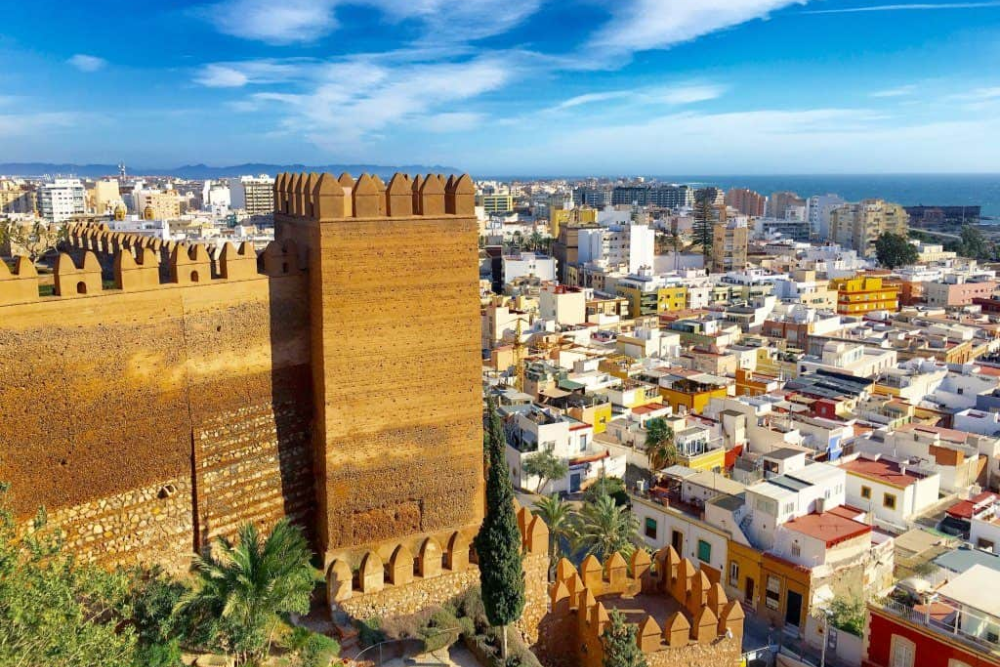
Almeria is a captivating city located in the southeastern region of Spain, known for its stunning natural landscapes and rich history. It features a diverse blend of cultural influences, evident in its architecture and cuisine. The city is home to the impressive Alcazaba, a Moorish fortress that offers panoramic views of the surrounding area. Almeria’s coastline boasts beautiful beaches, while its nearby desert landscapes, including the Cabo de Gata-Nijar Natural Park, are popular for outdoor activities like hiking and snorkeling. The region is also famous for its agricultural production, particularly vegetables and fruits, thanks to its unique climate. With a blend of history, nature, and gastronomy, Almeria is a hidden gem waiting to be explored.
Moorish fortress
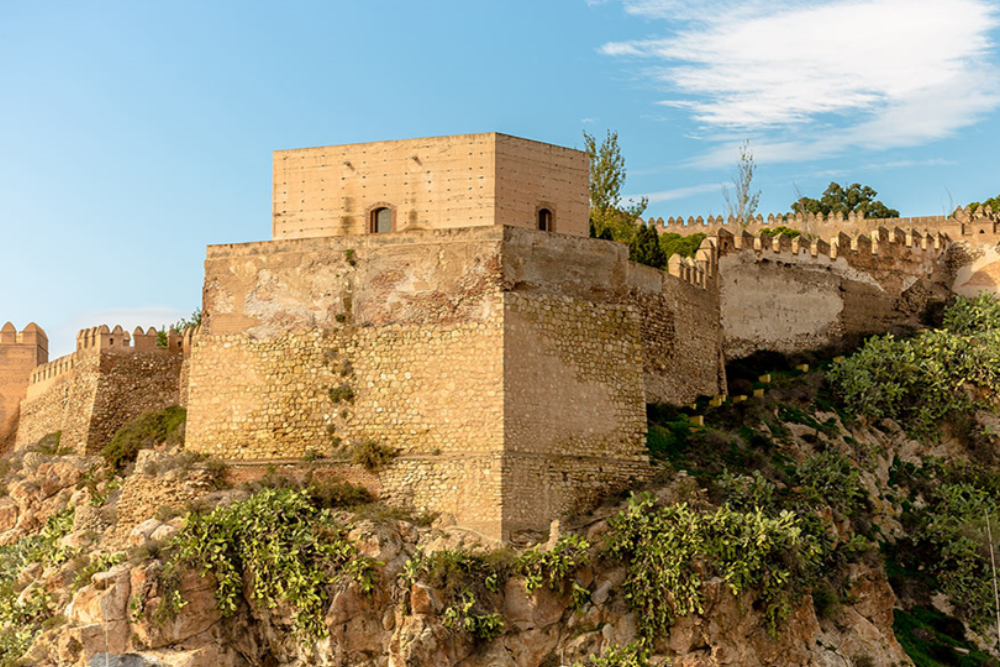
- This impressive Moorish fortress dates back to the 10th century and is one of the largest in Spain. Its towering walls and beautiful gardens provide breathtaking views of the city and the sea.
Cabo de Gata-Nijar Natural Park
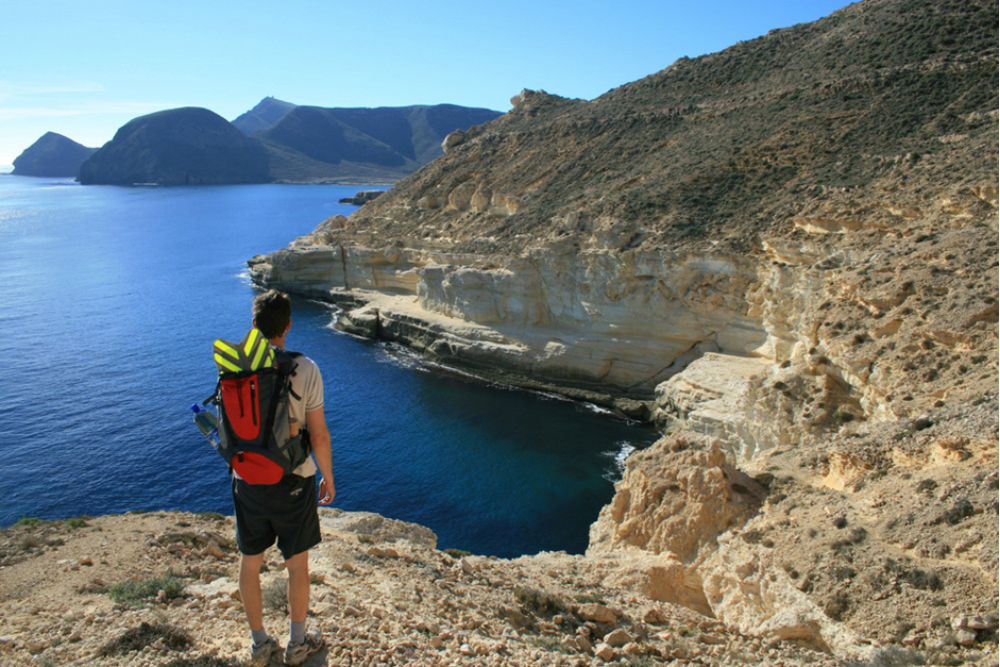
- A UNESCO Biosphere Reserve, this park features stunning coastal landscapes, unique volcanic formations, and pristine beaches. It’s perfect for hiking, birdwatching, and enjoying nature.
Playa de los Genoveses
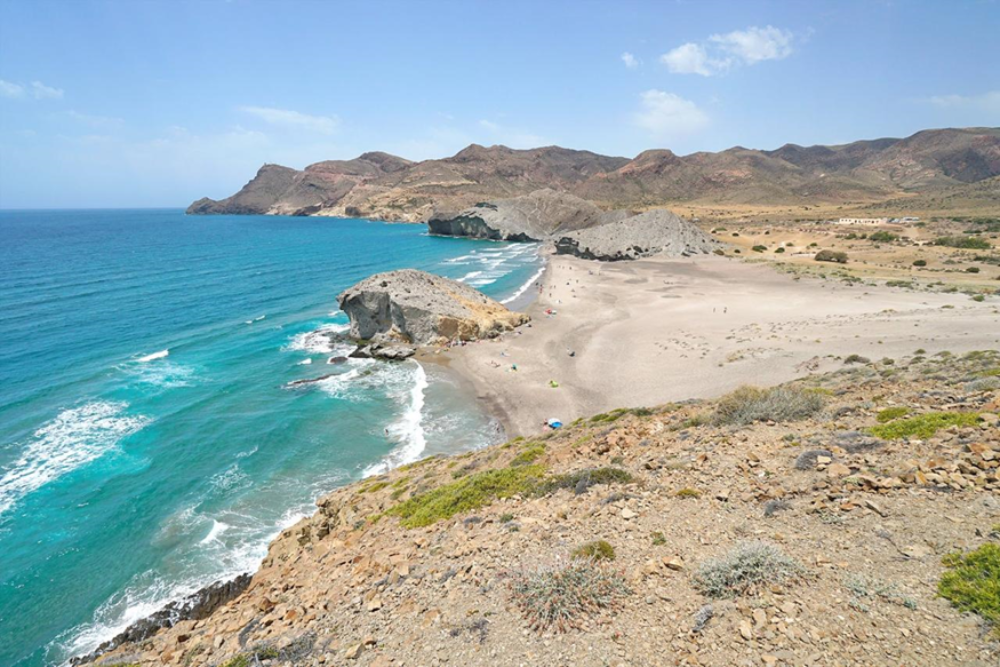
- A beautiful, unspoiled beach known for its golden sands and crystal-clear waters, great for swimming, sunbathing, and picnicking.
San Jose

- This charming village offers picturesque streets, local shops, and access to stunning beaches like Playa de San José. It’s also a great base for exploring the surrounding natural park.
Tabernas Desert
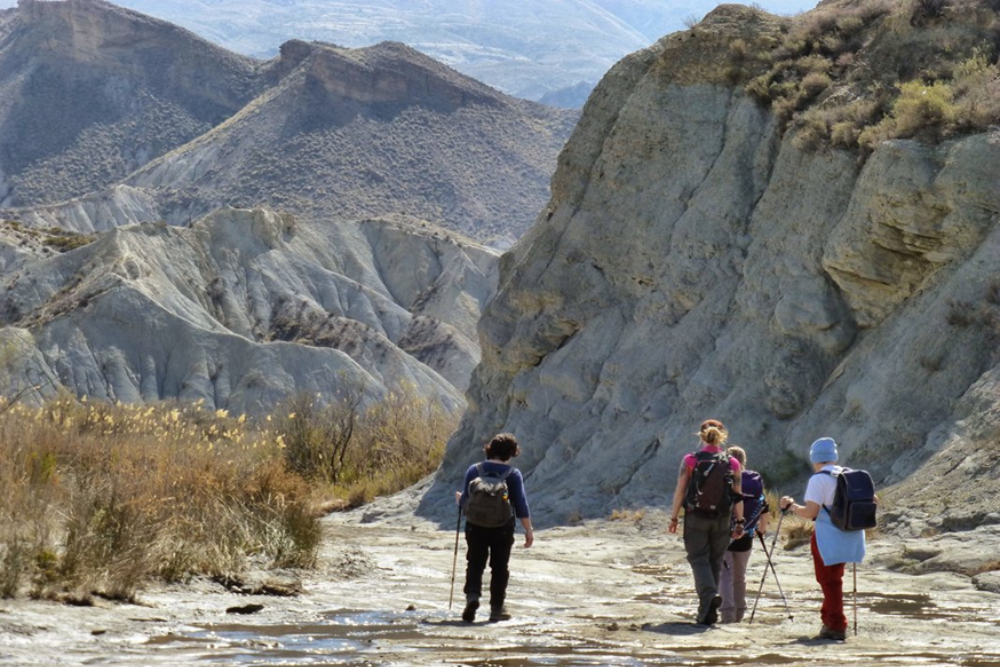
- The only desert in mainland Europe, it’s famous for its unique landscapes and has been the filming location for many Western films. You can visit the film sets and enjoy guided tours.
Museum of Almeria
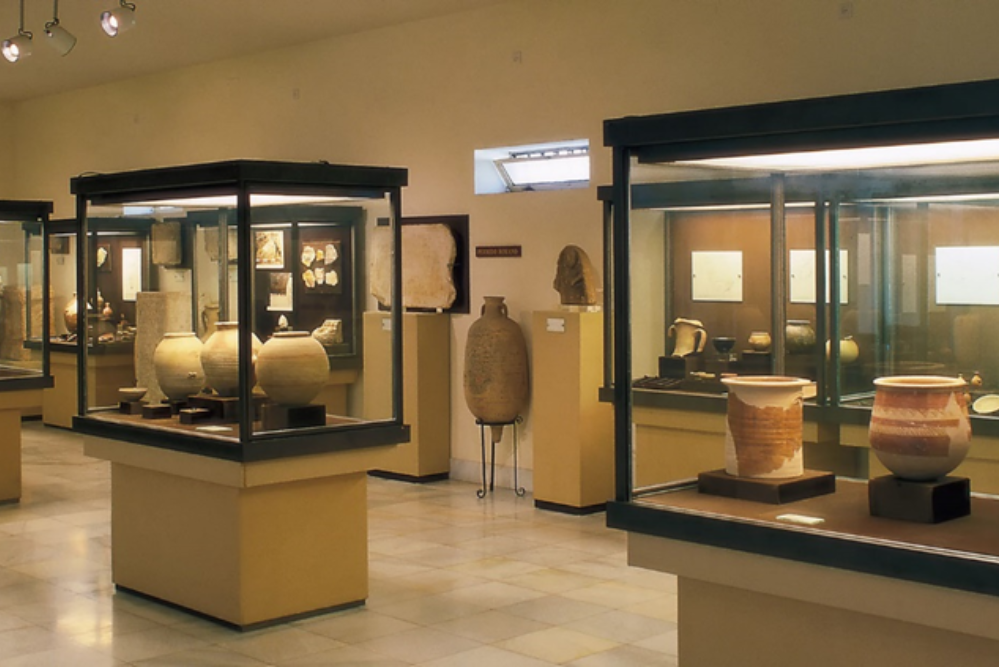
- Located in the city, this museum showcases the region’s archaeological and artistic heritage, including Roman artefacts and Moorish ceramics.
Hiking and Biking in Cabo de Gata
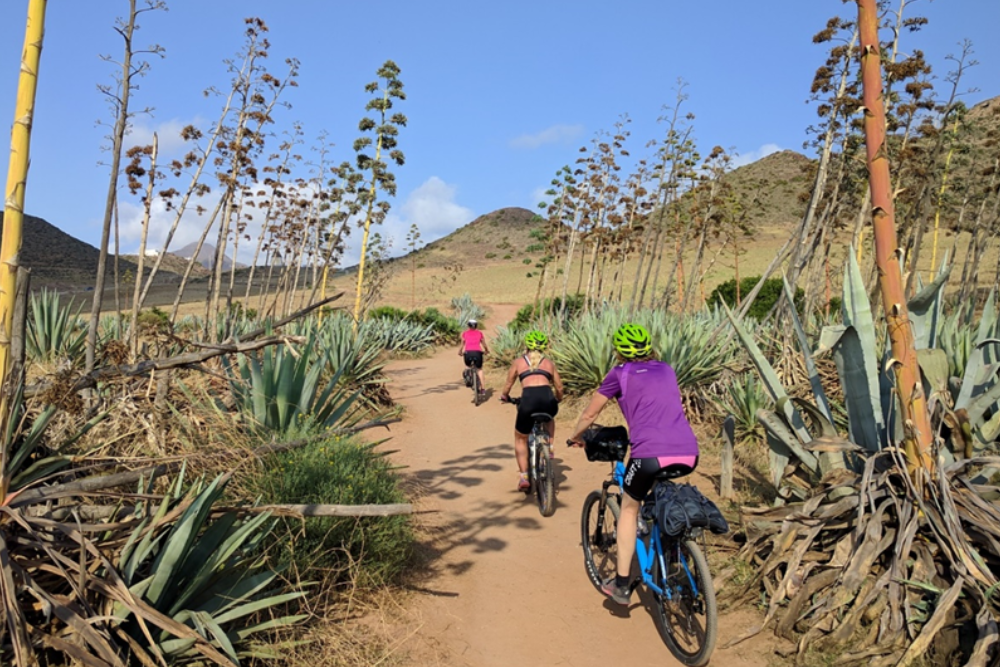
- With numerous trails, the park offers various routes for hiking and biking, allowing you to explore its diverse flora and fauna.
Snorkeling and Diving
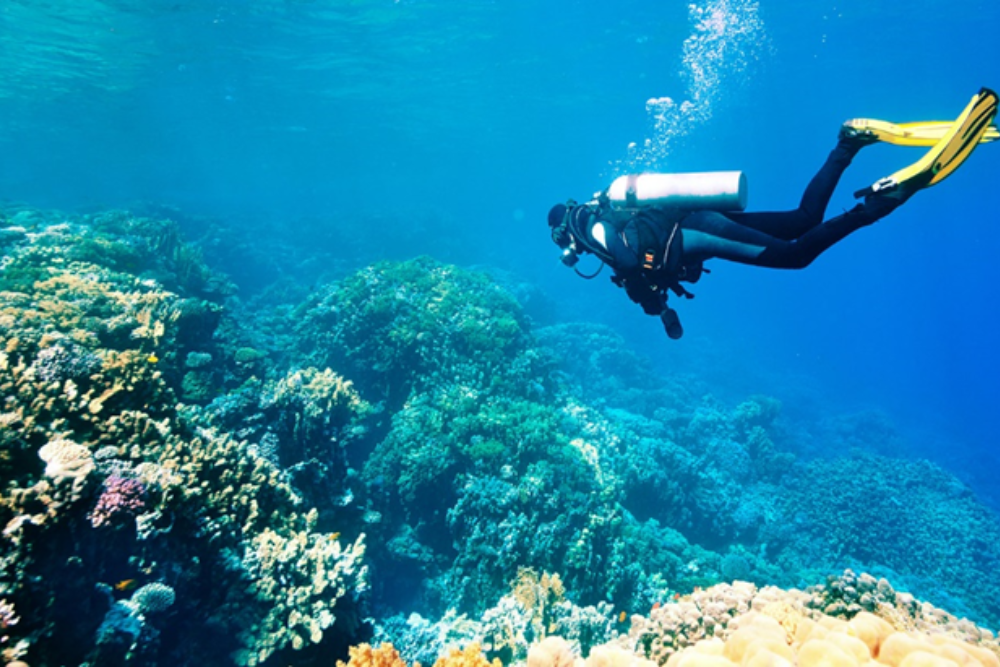
- The clear waters around Cabo de Gata are ideal for snorkeling and diving, where you can discover vibrant marine life and underwater landscapes.
Kayaking
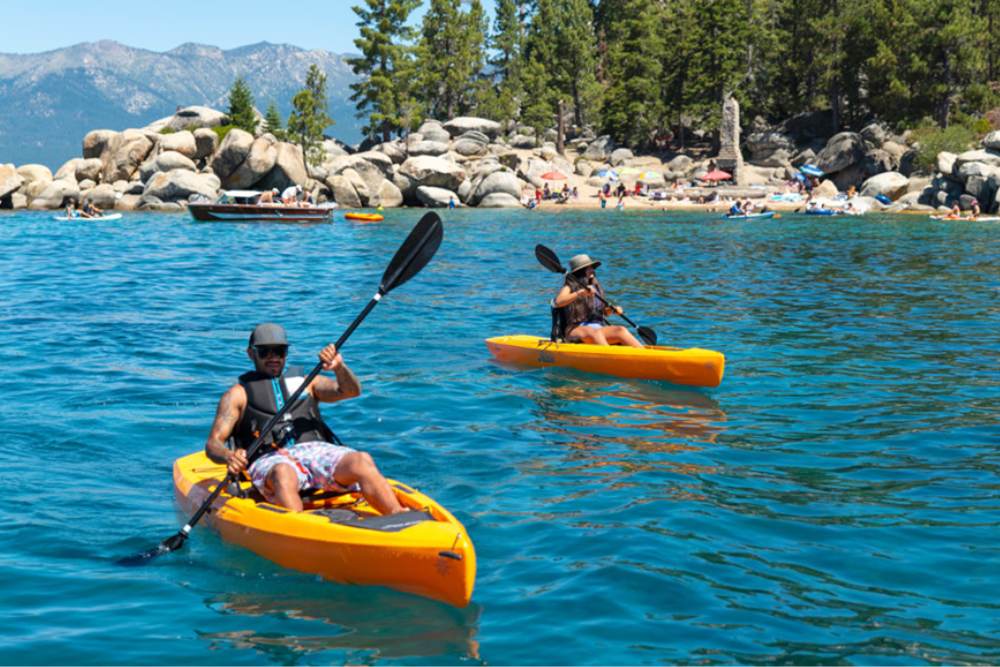
- Paddle along the coastline, exploring hidden coves and enjoying the stunning views of cliffs and beaches.
Rock Climbing
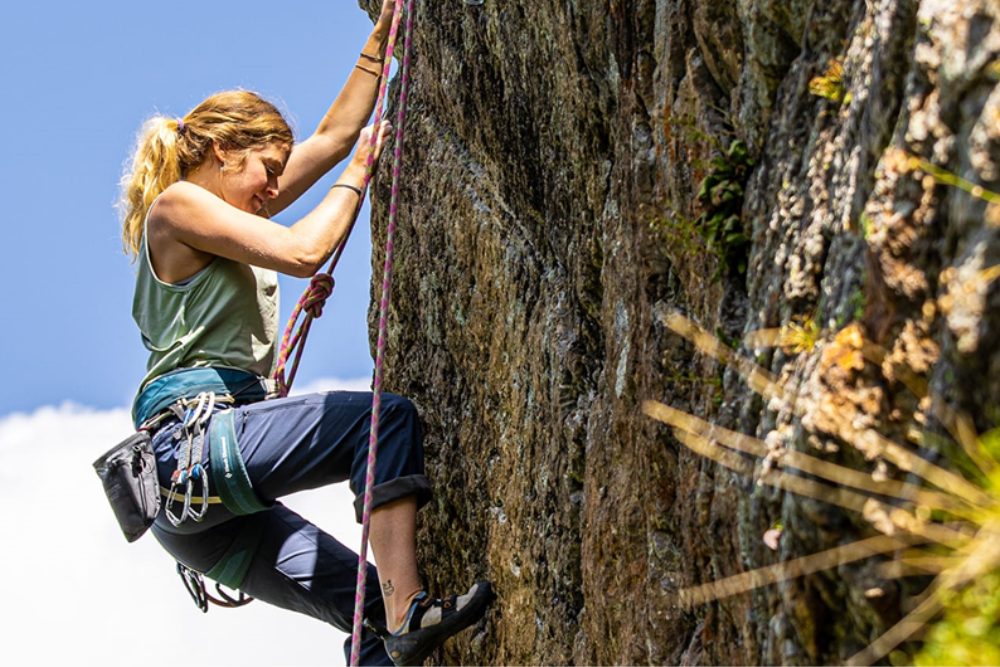
- The limestone cliffs in the region provide excellent opportunities for rock climbing, catering to different skill levels.
Dos and Don’ts Almeria
When visiting Almeria, keeping in mind some local customs and etiquette can enhance your experience. Here are some dos and don’ts to consider:
Dos
- Do Try Local Cuisine: Sample traditional dishes like tortilla de patatas (Spanish omelet), pulpo a la gallega (octopus), and local tapas. Don’t miss out on fresh seafood!
- Do Respect Local Customs: Embrace the Spanish siesta culture, where many shops and restaurants close in the afternoon. Plan your outings accordingly.
- Do Use Spanish Greetings: A simple “Hola” (hello) or “Gracias” (thank you) in Spanish can go a long way in making a good impression.
Don’ts
- Don’t Assume Everyone Speaks English: While many people in tourist areas do, not everyone is fluent. Be patient and try to communicate in Spanish if possible.
- Don’t Rush Meals: Dining is a leisurely affair in Spain. Enjoy long meals, and don’t expect quick service, especially during lunch and dinner.
- Don’t Litter: Keep Almeria clean by disposing of trash properly and respecting the natural environment, particularly in protected areas.
Best time to reach in Almeria
The best time to visit Almeria depends on your preferences for weather and activities:
Spring (March to May)
- Mild temperatures ranging from 15°C to 25°C (59°F to 77°F) and generally pleasant conditions.
- Ideal for outdoor activities like hiking in Cabo de Gata-Nijar Natural Park, enjoying the beaches, and exploring the city without the summer crowds.
Summer (June to August)
- Hot and dry, with temperatures often exceeding 30°C (86°F) and reaching up to 40°C (104°F) in July and August.
- Perfect for beach lovers and water sports enthusiasts. Note that popular tourist spots can be crowded, and it’s essential to stay hydrated and wear sunscreen.
Fall (September to November)
- Similar to spring, with temperatures gradually cooling from around 25°C (77°F) in September to 15°C (59°F) in November.
- Great for hiking, cultural exploration, and enjoying local festivals. The beaches are less crowded, and the weather is still warm enough for swimming.
Winter (December to February)
- Mild but cooler, with temperatures ranging from 8°C to 18°C (46°F to 64°F). Rain is more common, but it’s still relatively dry compared to other regions.
- Suitable for those looking for a quieter experience. You can explore the historical sites and enjoy local cuisine. However, outdoor activities may be limited due to cooler temperatures.