


Cherry blossom season in Japan is a time of beauty and celebration, but as the delicate pink petals begin to fall, the country transitions into a quieter yet equally meaningful period. The end of sakura season is not just the conclusion of hanami (flower viewing) gatherings—it is a time of reflection, renewal, and preparation for the warmer months ahead.
Even as the peak bloom fades, Japan continues to honor the changing season through festivals, cultural traditions, and a unique appreciation for the fleeting nature of cherry blossoms. Here’s how Japan celebrates and acknowledges the end of sakura season.
1. The Sakura Fubuki Phenomenon (Cherry Blossom Blizzard)
One of the most breathtaking moments of the late sakura season is the sakura fubuki, or “cherry blossom blizzard.” As the petals fall in large numbers, they create a magical snow-like effect, covering streets, rivers, and parks in a soft pink blanket.
How People Celebrate It
- Many Japanese people take walks or have final hanami picnics under the falling petals.
- Photographers capture the beauty of petal-covered rivers, such as the moat around Hirosaki Castle in Aomori, where cherry blossoms float on the water.
- Some cities organize light-up events, allowing visitors to enjoy the last moments of the cherry blossoms in the evening.
Best Places to Experience Sakura Fubuki:
- Chidorigafuchi Moat (Tokyo) – Rowboats glide through waters filled with floating petals.
- Hirosaki Castle (Aomori) – Famous for its “sakura carpet” effect on the moat.
- Philosopher’s Path (Kyoto) – A beautiful canal lined with cherry trees, where petals drift peacefully on the water.
2. Sakura Petal-Themed Foods and Drinks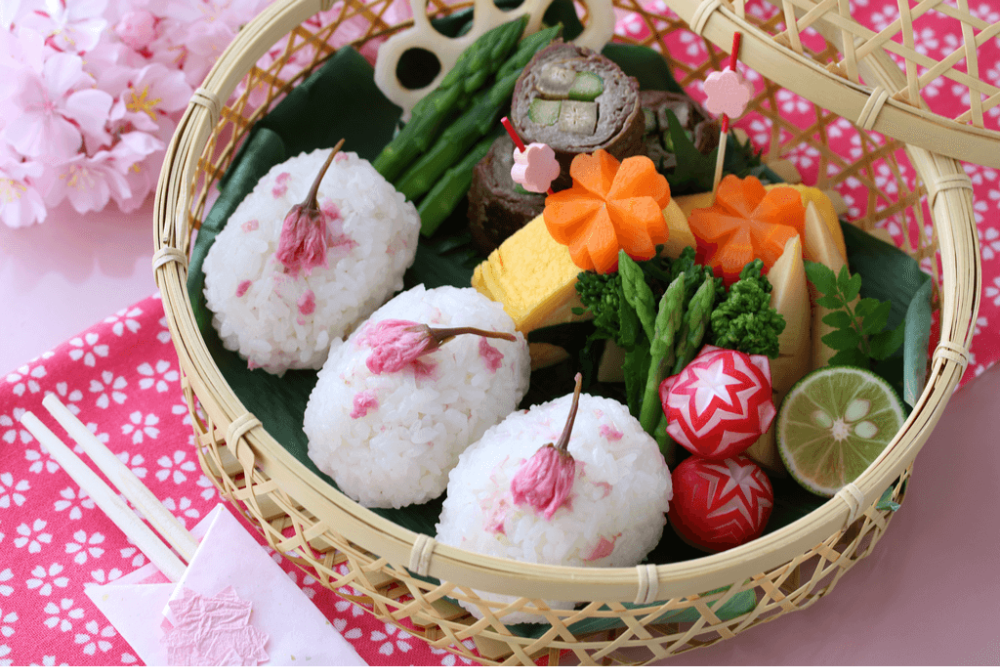
As sakura season ends, cafes and stores continue to offer cherry blossom-themed food and drinks, celebrating the last taste of spring. While early in the season is all about sakura mochi and pink-themed sweets, the late season brings a focus on petal-inspired creations.
Popular Late-Sakura Seasonal Foods
- Sakura-Infused Sake – Many breweries release limited-edition cherry blossom sake to enjoy in spring’s final days.
- Sakura Flavored Cold Noodles – A refreshing dish served as the weather warms.
- Petal-Covered Lattes and Desserts – Many cafes sprinkle dried sakura petals on their lattes, parfaits, and cakes.
- Cherry Blossom Tea Ceremonies – Some tea houses hold special sessions using sakura-infused tea.
Where to Try These Foods:
- Starbucks Japan – Often releases a final sakura drink before transitioning to summer flavors.
- Traditional Tea Houses in Kyoto – Offer seasonal sakura teas and wagashi sweets.
- Izakaya and Sake Breweries – Feature limited-edition spring sake until early May.
3. Sakura Festivals and Closing Ceremonies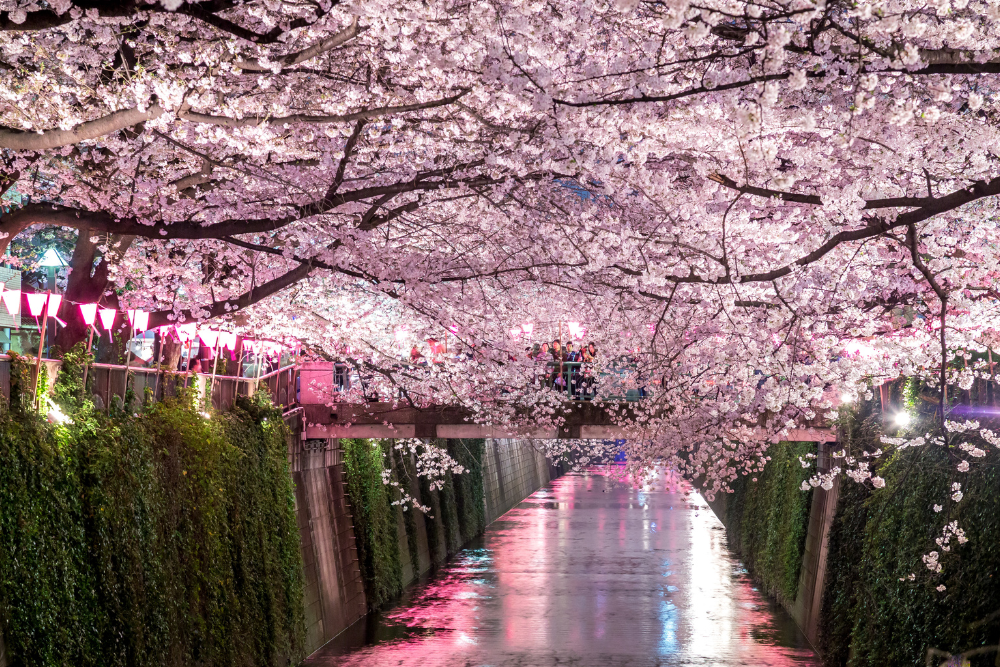
While most cherry blossom festivals take place during peak bloom, some regions hold farewell celebrations as the season comes to an end.
Notable End-of-Sakura Festivals
Hirosaki Cherry Blossom Festival Closing Event (Aomori)
- One of Japan’s most famous sakura festivals ends with a special illumination night and floating lanterns.
Kakunodate Samurai Sakura Festival (Akita)
- A farewell parade takes place in this historic samurai town, where people in traditional kimono walk under the final cherry blossoms.
Tohoku Region’s “Last Hanami” Gatherings
- As cherry blossoms bloom later in northern Japan, people enjoy one last hanami before early May.
These festivals serve as a graceful farewell to the sakura season, allowing people to reflect on the beauty they have witnessed and look forward to summer.
4. The Symbolism of Falling Cherry Blossoms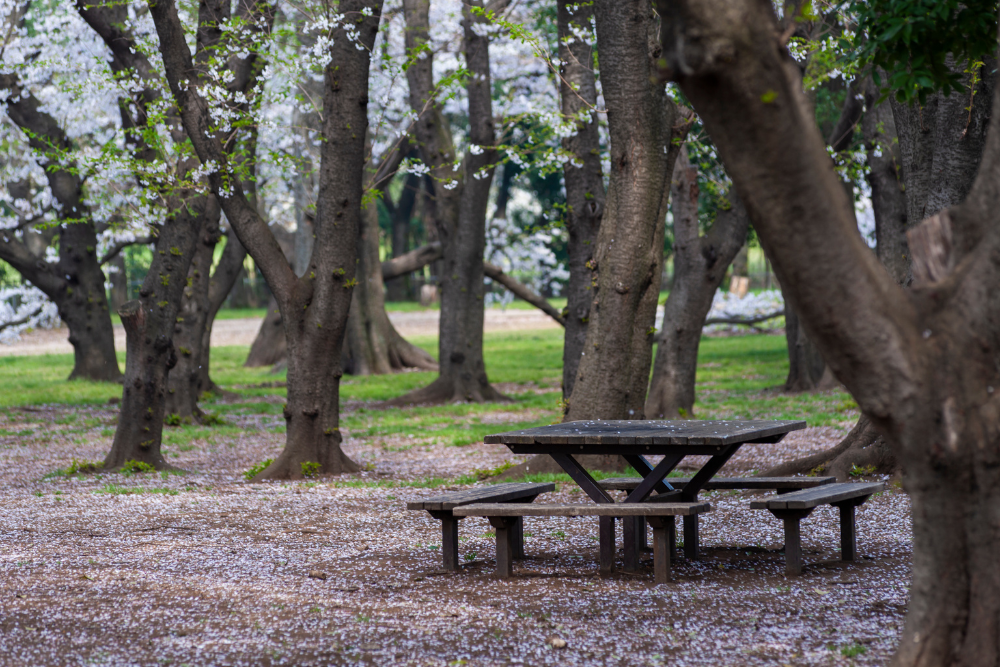
The falling of cherry blossoms holds deep cultural significance in Japan. The short-lived nature of sakura is often associated with the concept of mono no aware (the beauty of impermanence).
How This Is Reflected in Japanese Culture
- Poetry and Haiku: Many Japanese poets write about the bittersweet feeling of sakura petals falling, symbolizing the fleeting nature of life.
- Samurai Philosophy: The samurai admired cherry blossoms because they fall at their most beautiful, representing the ideal way to live and die with honor.
- Reflection and Gratitude: Many Japanese people use the end of the season as a time to reflect on personal growth and the passage of time.
5. The Transition to Wisteria and Other Spring Flowers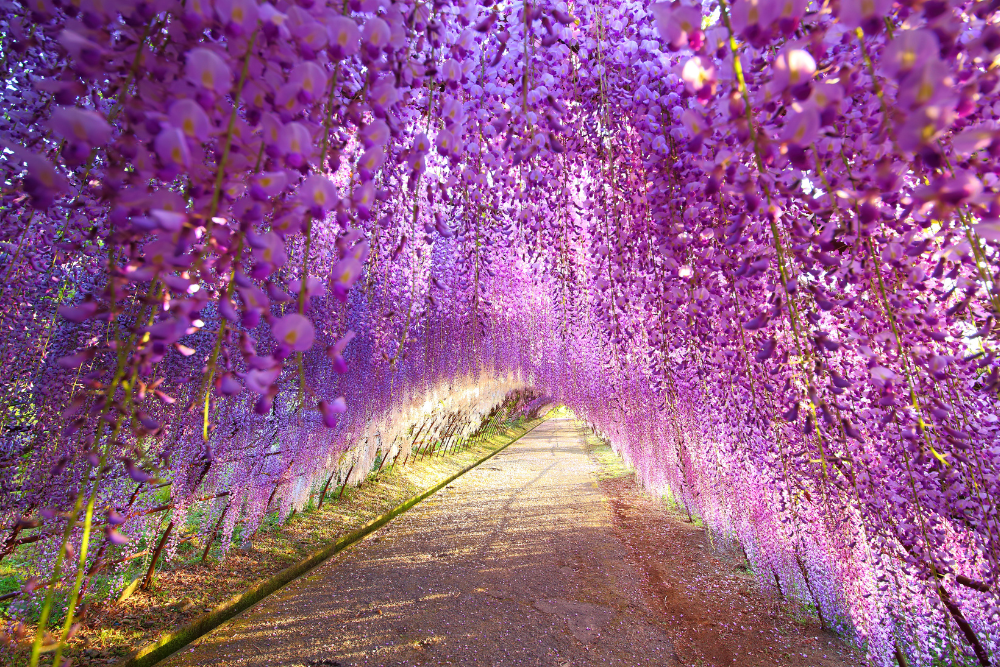
As cherry blossoms fade, Japan’s landscapes begin to shift to other seasonal flowers, keeping the spirit of spring alive.
What Blooms Next?
- Wisteria (Fuji Flowers) – Famous for their hanging purple vines, wisteria takes center stage in late April.
- Nemophila (Baby Blue Eyes) – The Hitachi Seaside Park in Ibaraki turns into a sea of blue flowers.
- Shibazakura (Pink Moss) – Fields of pink moss phlox bloom at the Fuji Shibazakura Festival.
Many people transition from hanami to flower-viewing trips, ensuring that spring’s beauty continues beyond the cherry blossom season.
6. “Sakura Snow” Clean-Up and Environmental Care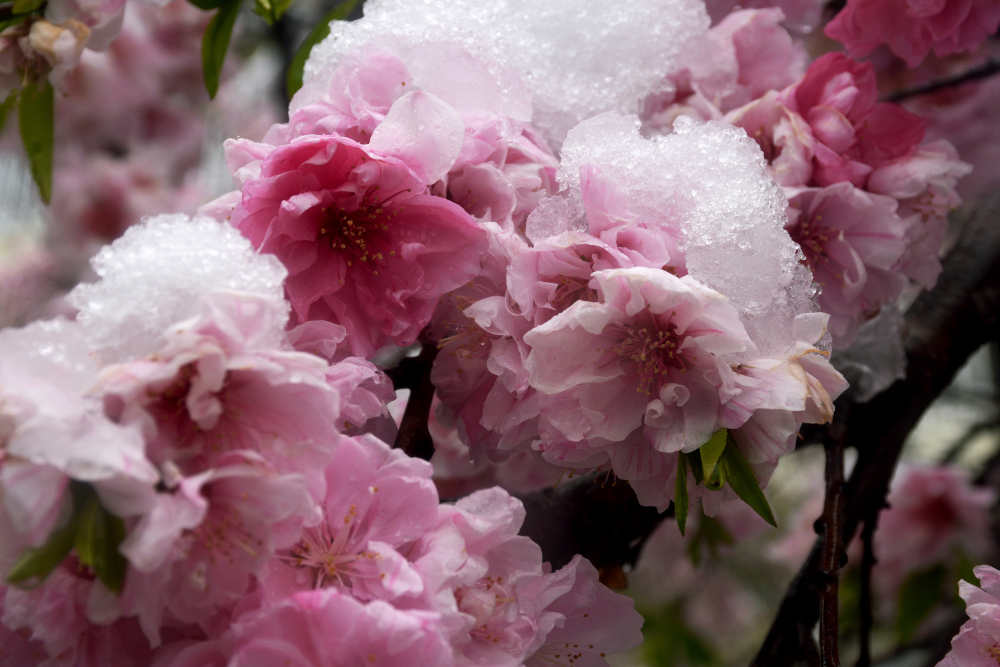
After the final petals fall, many communities organize sakura clean-up efforts to keep parks, temples, and rivers clean. This is especially important in areas with large hanami gatherings.
How This Is Done:
- Volunteers sweep up fallen petals from streets and pathways.
- Local businesses donate funds to maintain cherry blossom trees.
- Some temples collect fallen sakura petals and use them to make natural dyes or sakura-scented paper.
This shows Japan’s deep respect for nature and its commitment to keeping the environment beautiful for future generations.
Conclusion
The end of cherry blossom season in Japan is not just the disappearance of pink petals—it is a transition filled with meaning, beauty, and reflection. From enjoying the breathtaking sakura fubuki, to tasting petal-inspired foods, to attending farewell festivals, Japan finds graceful ways to celebrate the fleeting beauty of sakura.
As the country prepares for summer, the lessons of impermanence and appreciation that cherry blossoms symbolize remain in the hearts of the people. Whether through poetry, seasonal traditions, or environmental care, Japan continues to cherish the legacy of the sakura long after its petals have fallen.