


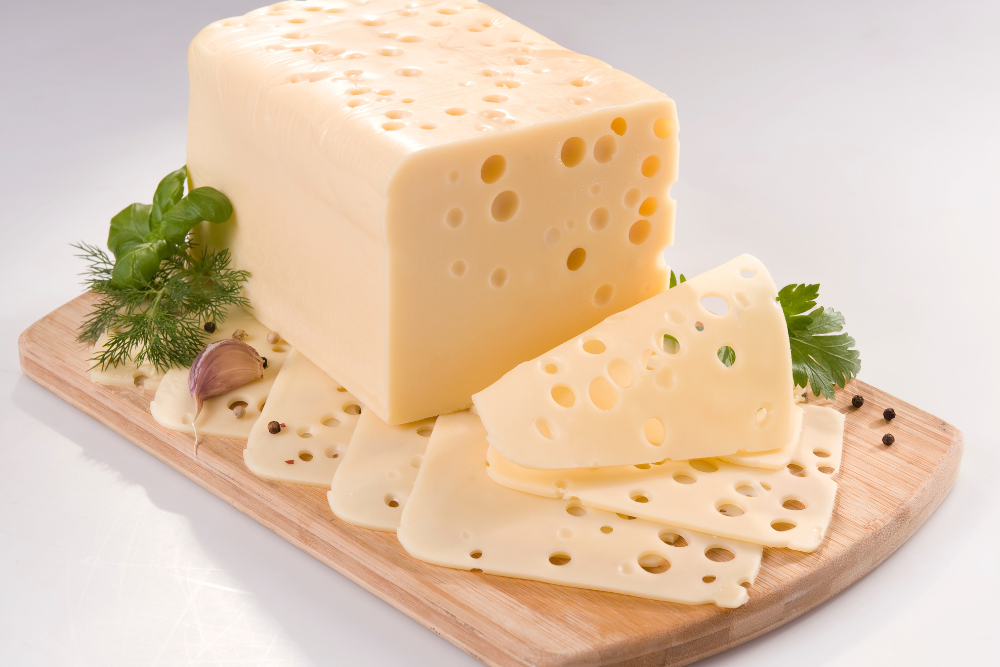

Swiss cheese is much more than a culinary delight—it is a symbol of Swiss culture and heritage. Known for its rich textures, distinctive flavors, and centuries-old traditions, cheese holds a central place in Swiss cuisine and daily life. From the Alpine meadows to the bustling cities, the making, serving, and enjoying of Swiss cheese is an integral part of Swiss identity. Each region of Switzerland has its own unique variety of cheese, shaped by the local climate, geography, and customs. Exploring the role of Swiss cheese in regional traditions reveals how deeply this food is woven into the fabric of Swiss life.
The Historical Significance of Swiss Cheese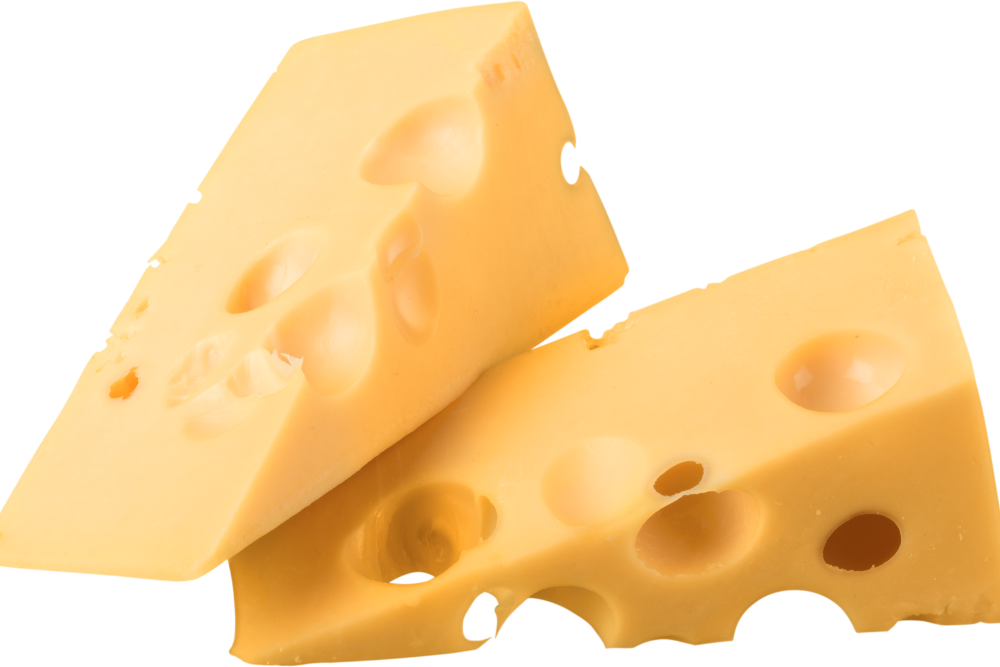
The roots of Swiss cheese production go back to the Middle Ages, when monks and farmers in the Alpine regions began to perfect the art of cheese-making. The cooler, mountainous environment provided ideal conditions for raising cattle, goats, and sheep, which were essential for milk production. Over time, Swiss cheese-making became a family tradition passed down through generations.
In the early days, cheese was not just a food product; it was also a form of preservation. Due to limited refrigeration in rural areas, the Swiss needed a way to store excess milk produced during the summer months. By turning milk into cheese, they could preserve it for the long winters. This necessity eventually evolved into a fine art, resulting in the creation of a vast array of cheeses, each with its own distinctive flavor profile, texture, and regional significance.
The Role of Swiss Cheese in Regional Traditions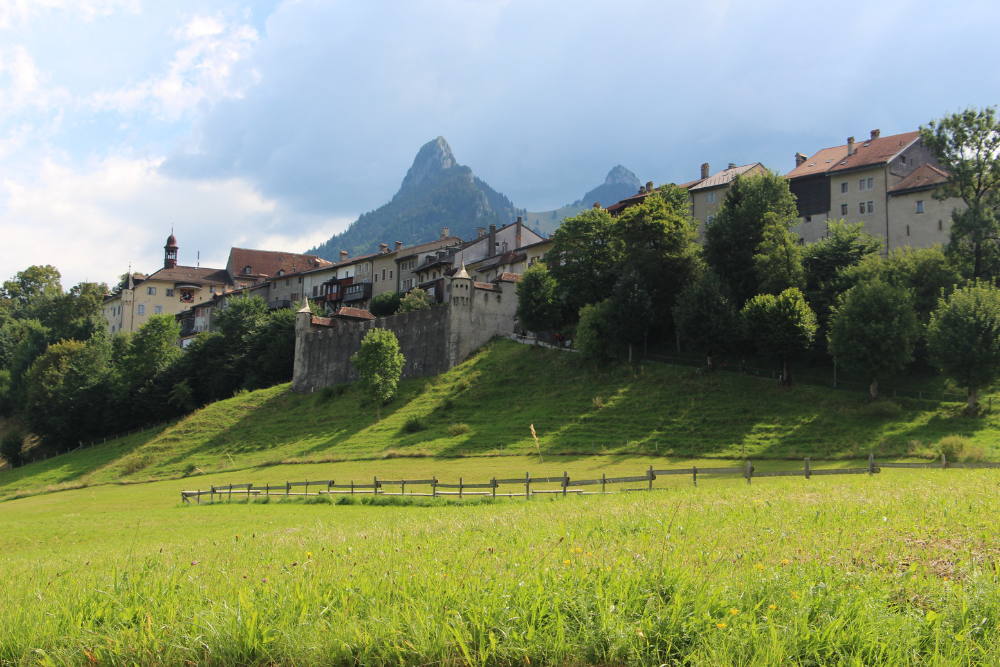
Each Swiss canton has its own local cheese varieties, reflecting the geography, climate, and traditions of the region. These cheeses often play an important role in local customs, celebrations, and daily life. Let’s take a closer look at how cheese fits into the regional culture of Switzerland.
1. The Alpine Influence: Gruyère and Emmental
When you think of Swiss cheese, two varieties often come to mind: Gruyère and Emmental. Both of these cheeses have deep roots in the Alpine regions of Switzerland.
- Gruyère: Originating from the region of Gruyère in western Switzerland, this cheese is known for its rich, nutty flavor and smooth texture. Traditionally made in large, round wheels, Gruyère is a key ingredient in classic Swiss dishes like fondue and croque monsieur. The cheese is made using a special process called “pit cheese-making”, where curd is cooked at a low temperature to give it its characteristic dense texture. The Gruyère cheese-making process has remained virtually unchanged for centuries and is still practiced by local farmers today.
- Emmental: Known for its distinctive holes, Emmental comes from the region of the same name in the canton of Bern. This cheese has a mild, slightly sweet flavor and is often used in traditional Swiss dishes such as raclette and cheese sandwiches. Historically, Emmental cheese was produced by rural families and is still made in small, family-owned dairies in the Swiss countryside. Emmental represents Swiss cheese-making at its most traditional, with a strong emphasis on the craftsmanship and local knowledge passed down through generations.
2. The French-Swiss Connection: Tête de Moine
The canton of Jura, located in the French-speaking region of Switzerland, is known for a unique cheese called Tête de Moine. Unlike other Swiss cheeses, Tête de Moine is traditionally served in thin, rosette-like curls, which are shaved off the cheese wheel using a special tool called a girolle. The process of shaving the cheese enhances its flavor and texture, and it is often served with fresh bread or crackers.
Tête de Moine has deep connections to the monastic traditions of the region. It was originally made by monks in the Bellelay Abbey during the 12th century, and its distinct method of preparation is a reminder of Switzerland’s monastic history and its contribution to cheese-making.
3. The Italian-Swiss Influence: Ricotta and Formaggio di Capra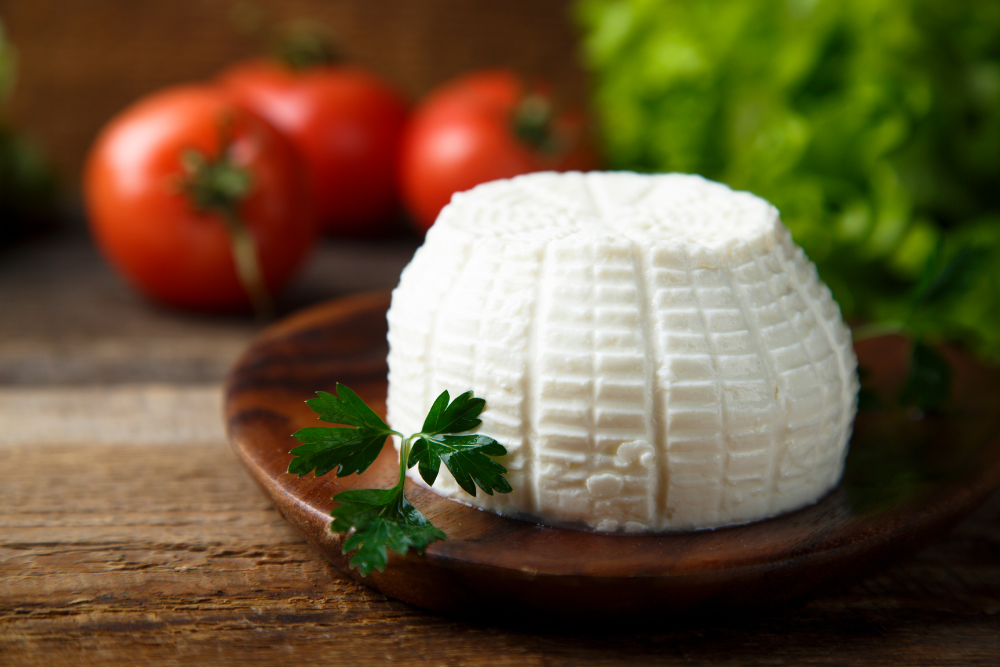
In the southern part of Switzerland, particularly in the canton of Ticino, Italian culinary traditions have had a lasting influence on the local food scene. In this region, goat cheese and fresh cheeses like ricotta are commonly produced.
- Ricotta: While ricotta originated in Italy, its production is also widespread in the southern Swiss canton of Ticino. Made from whey left over after the cheese-making process, ricotta is a soft cheese with a mild, creamy flavor. It is often used in Italian-Swiss dishes such as cannelloni and lasagna, and it also features in traditional Swiss desserts.
- Formaggio di Capra (Goat Cheese): Ticino is known for its high-quality goat cheeses, which have a tangy flavor and a crumbly texture. Goat cheese has been a staple of the Ticinese diet for centuries, and local producers often use traditional methods of production, passed down from generation to generation.
4. The Swiss-German Influence: Appenzeller and Sbrinz
In the eastern Swiss region of Appenzell, the Appenzeller cheese is famous for its strong, tangy flavor. Appenzeller is traditionally made from cow’s milk, and the process involves washing the cheese with a special brine made from herbs and spices, which gives it its characteristic aromatic flavor.
- Appenzeller is traditionally made in small villages in the region, where local farmers still use traditional techniques passed down through generations. The cheese is often enjoyed with local bread or served alongside mountain wines.
In the central regions of Switzerland, the production of Sbrinz, a hard cheese, is an important part of local life. With a history dating back to the Middle Ages, Sbrinz is one of the oldest Swiss cheeses. It has a firm texture and a robust, slightly salty flavor, often grated over dishes or used in cheese platters.
Swiss Cheese in Modern-Day Traditions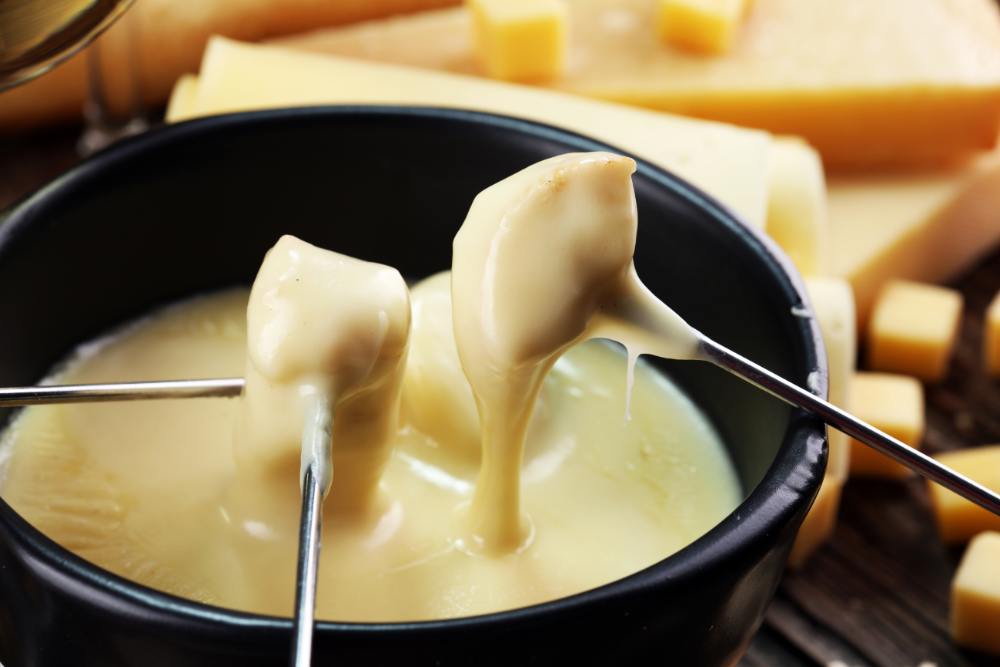
Today, Swiss cheese remains a central part of both daily life and special celebrations across the country. It is enjoyed in many forms, from simple cheese plates to elaborate dishes such as fondue and raclette, two classic Swiss dishes that have gained popularity worldwide.
- Fondue: Fondue is one of Switzerland’s most famous cheese dishes, where melted cheese (usually a mix of Gruyère and Emmental) is served in a communal pot and eaten by dipping bread into the melted cheese using long forks. This dish is particularly popular in the winter months, and is often enjoyed during social gatherings or festive occasions.
- Raclette: Another beloved Swiss cheese dish, raclette involves melting cheese and scraping it onto boiled potatoes, pickles, and onions. This dish is a staple in the mountain regions of Switzerland and is often enjoyed during winter months, when people gather around the raclette grill for a communal meal.
Conclusion
Swiss cheese is a reflection of the country’s diverse landscapes, cultures, and history. From the Alpine meadows of Gruyère and Emmental to the Italian-influenced cheeses of Ticino, each region in Switzerland contributes its own flavors and traditions to the country’s rich cheese-making heritage. Whether served in a humble sandwich, part of a grand meal, or melted into a fondue pot, Swiss cheese plays an important role in regional traditions, serving as a connection to the past while continuing to delight Swiss palates today.