


Japan is home to some of the world’s most fascinating cultural museums, offering a deep dive into its rich artistic traditions, samurai heritage, Buddhist influences, and modern creativity. Whether you’re captivated by ancient calligraphy, Edo-era artifacts, or contemporary Japanese art, Japan’s museums provide an immersive experience into the country’s past and present.
This guide highlights the best cultural museums in Japan, perfect for art and history lovers seeking an enriching journey through the nation’s heritage.
1. Tokyo National Museum (Tokyo) – Japan’s Largest and Oldest Museum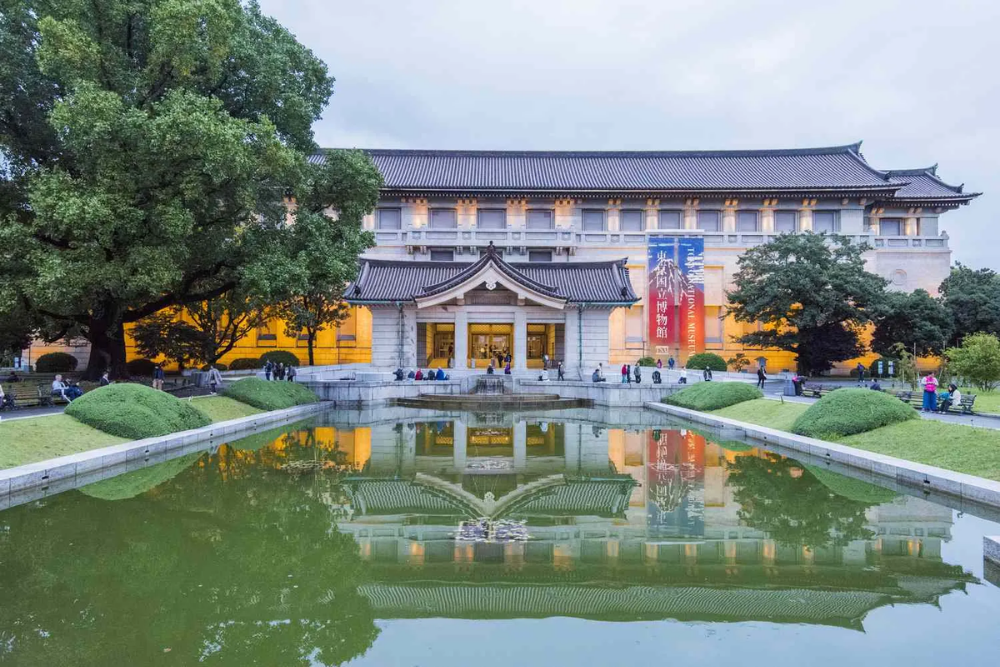
Why Visit?
Founded in 1872, the Tokyo National Museum is Japan’s oldest and most prestigious museum, housing over 110,000 artifacts spanning 5,000 years of history. It offers a comprehensive overview of Japanese art and culture, from ancient pottery to samurai armor.
Highlights:
- Honkan (Japanese Gallery) – Showcases samurai swords, Buddhist sculptures, and Edo-period paintings.
- Toyokan (Asian Art Gallery) – Features Chinese and Korean art, including Silk Road relics.
- Horyuji Treasures Hall – Houses priceless Buddhist statues and scriptures from the 7th century.
- Seasonal Special Exhibits – Rotating collections of ukiyo-e prints, Noh masks, and calligraphy.
Location: Ueno Park, Tokyo
Admission: ¥1,000
2. Kyoto National Museum (Kyoto) – Traditional Japanese Art and Buddhist Treasures
Why Visit?
Located in Japan’s cultural capital, the Kyoto National Museum specializes in classical Japanese art, Buddhist sculptures, and imperial treasures. The museum is housed in a Meiji-era red-brick building alongside a modern gallery.
Highlights:
- Samurai armor and weapons from Kyoto’s warrior past.
- Traditional tea ceremony utensils and hand-painted folding screens.
- Zen Buddhist calligraphy and ancient temple artifacts.
- Seasonal exhibitions featuring Kyoto’s historic treasures.
Location: Higashiyama, Kyoto
Admission: ¥700
3. The National Museum of Western Art (Tokyo) – Japan’s Best European Art Collection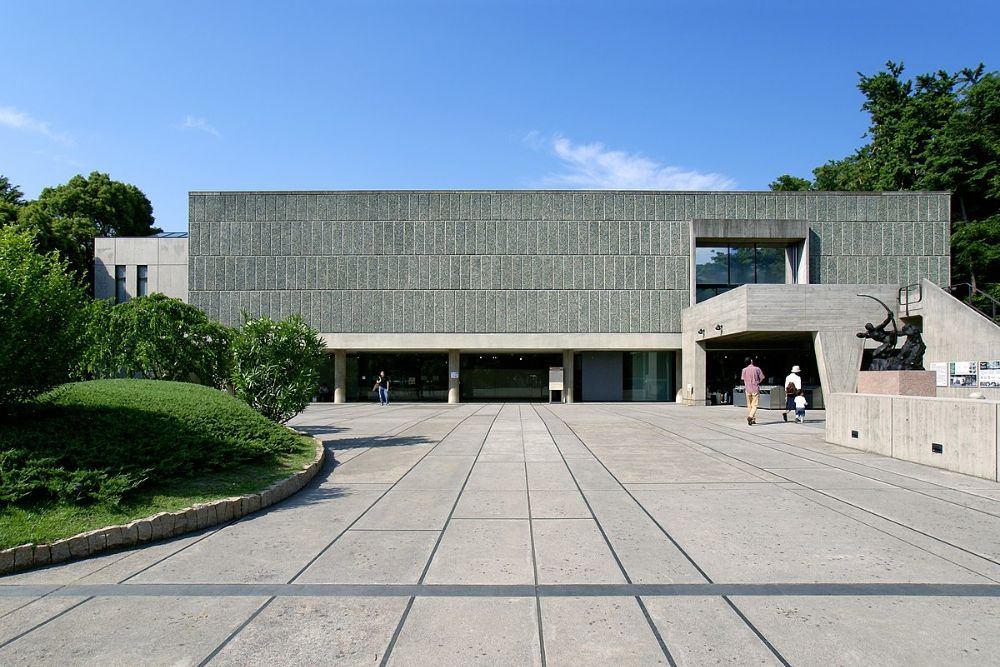
Why Visit?
A UNESCO World Heritage site designed by Le Corbusier, this museum houses Japan’s most significant European art collection, featuring works by Monet, Van Gogh, and Picasso.
Highlights:
- Impressionist masterpieces, including Monet’s “Water Lilies.”
- Rodin’s “The Thinker,” located in the museum’s sculpture garden.
- Renaissance to 20th-century European paintings.
Location: Ueno Park, Tokyo
Admission: ¥500
4. Edo-Tokyo Museum (Tokyo) – A Walk Through Edo’s Samurai and Merchant Life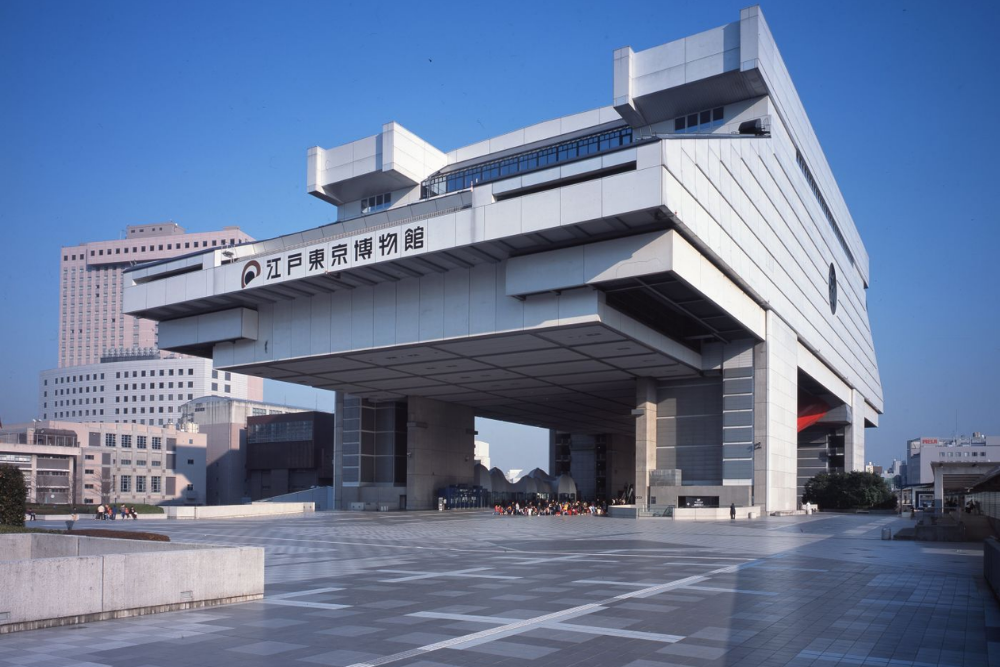
Why Visit?
This immersive museum brings Edo-period Tokyo (1603–1868) to life with full-scale historical recreations, including a replica of Nihonbashi Bridge and Edo-era merchant streets.
Highlights:
- Life-size Edo-period streets, teahouses, and samurai residences.
- Interactive samurai armor and kabuki exhibits.
- Models of Tokyo’s transformation from Edo to a modern metropolis.
Location: Sumida, Tokyo (Closed for renovations until 2025)
Admission: ¥600
5. Nara National Museum (Nara) – A Treasure Trove of Buddhist Art
Why Visit?
Located in the ancient capital of Nara, this museum focuses on Buddhist sculpture, paintings, and artifacts from Japan’s oldest temples.
Highlights:
- 8th-century Buddha statues from Nara’s historic temples.
- Silk scrolls and golden sutras from the Heian period.
- The annual Shosoin Exhibition, featuring rare treasures from Todai-ji Temple.
Location: Nara Park, Nara
Admission: ¥700
6. Hiroshima Peace Memorial Museum (Hiroshima) – A Powerful Reflection on History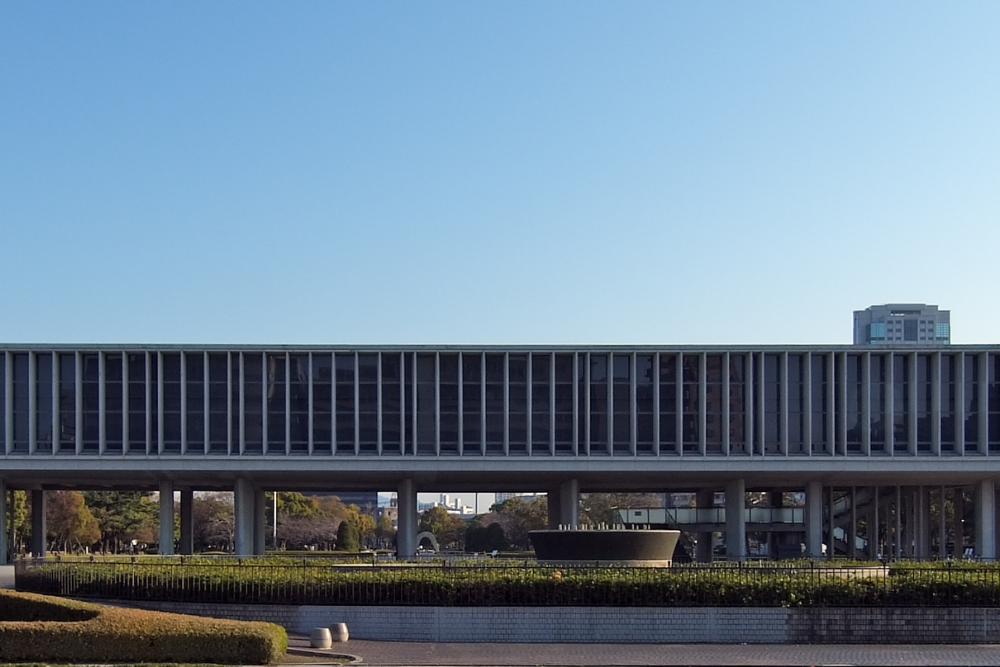
Why Visit?
One of Japan’s most significant historical museums, this museum documents the impact of the 1945 atomic bombing and promotes a message of peace.
Highlights:
- Personal belongings of atomic bomb victims, including burned clothing.
- Recreated Hiroshima before and after the bombing.
- Global peace exhibitions and anti-nuclear campaigns.
Location: Hiroshima Peace Memorial Park
Admission: ¥200
7. Adachi Museum of Art (Shimane) – Where Art Meets Landscape
Why Visit?
Famous for its breathtaking Japanese gardens, which are considered living works of art, this museum showcases modern and contemporary Japanese paintings.
Highlights:
- Gardens ranked among Japan’s most beautiful for over 20 years.
- Nihonga (modern Japanese-style paintings) by Yokoyama Taikan.
- Seasonal scenery blending art and nature seamlessly.
Location: Yasugi, Shimane Prefecture
Admission: ¥2,300
8. Nezu Museum (Tokyo) – The Hidden Gem of Traditional Japanese Art
Why Visit?
A lesser-known treasure, the Nezu Museum is a sanctuary of Japanese and East Asian art, with a serene garden and tea house.
Highlights:
- National Treasures, including ancient tea ceremony tools.
- Ink paintings, calligraphy, and Buddhist artifacts.
- A stunning Japanese garden with hidden tea houses.
Location: Minato, Tokyo
Admission: ¥1,300
9. Otsuka Museum of Art (Tokushima) – The World’s Masterpieces in Japan
Why Visit?
This museum features full-scale ceramic reproductions of famous Western artworks, including the Sistine Chapel ceiling, Da Vinci’s “Last Supper,” and Van Gogh’s “Sunflowers.”
Highlights:
- Life-sized replicas of world-famous art, created with advanced technology.
- A completely unique museum experience in Japan.
- No photography restrictions, allowing visitors to closely examine artworks.
Location: Naruto, Tokushima
Admission: ¥3,300
10. The National Museum of Modern Art (MOMAT) (Tokyo) – Japan’s Avant-Garde Art Scene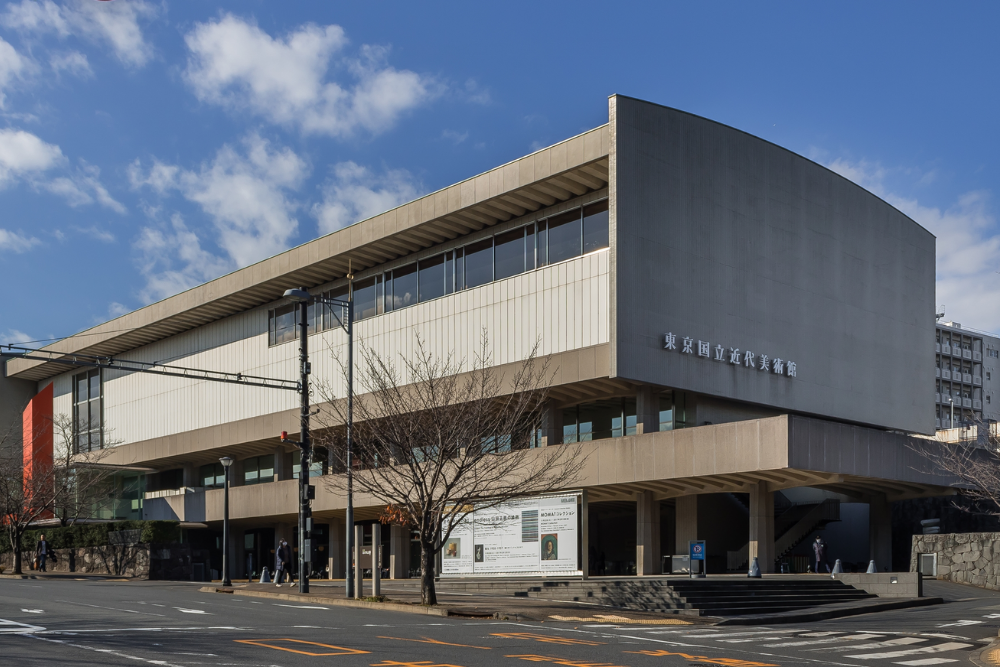
Why Visit?
MOMAT focuses on 20th-century Japanese art, blending traditional techniques with modern creativity.
Highlights:
- Post-war avant-garde movements, including Gutai and Mono-ha.
- Modern calligraphy, abstract paintings, and photography.
- Seasonal rooftop garden views of the Imperial Palace.
Location: Chiyoda, Tokyo
Admission: ¥500
Conclusion
Japan’s cultural museums offer a fascinating glimpse into its artistic evolution and historical depth. From the samurai treasures of Kyoto to the modern galleries of Tokyo, each museum provides a unique and enriching experience.
Whether you are drawn to ancient Buddhist sculptures, Edo-period artifacts, or avant-garde modern art, these museums ensure a deep appreciation of Japan’s artistic legacy.
For art and history lovers, exploring these museums is an essential part of any trip to Japan.