


Italy is a dream destination that attracts travelers year-round with its stunning landscapes, rich history, and world-renowned cuisine. However, the best time to visit depends on what kind of experience you’re looking for. Whether you want to avoid crowds, enjoy warm beaches, or indulge in cultural festivals, this guide will help you determine the perfect time for your Italian adventure. Here are five major factors to consider when planning your trip.
1. Weather and Seasons
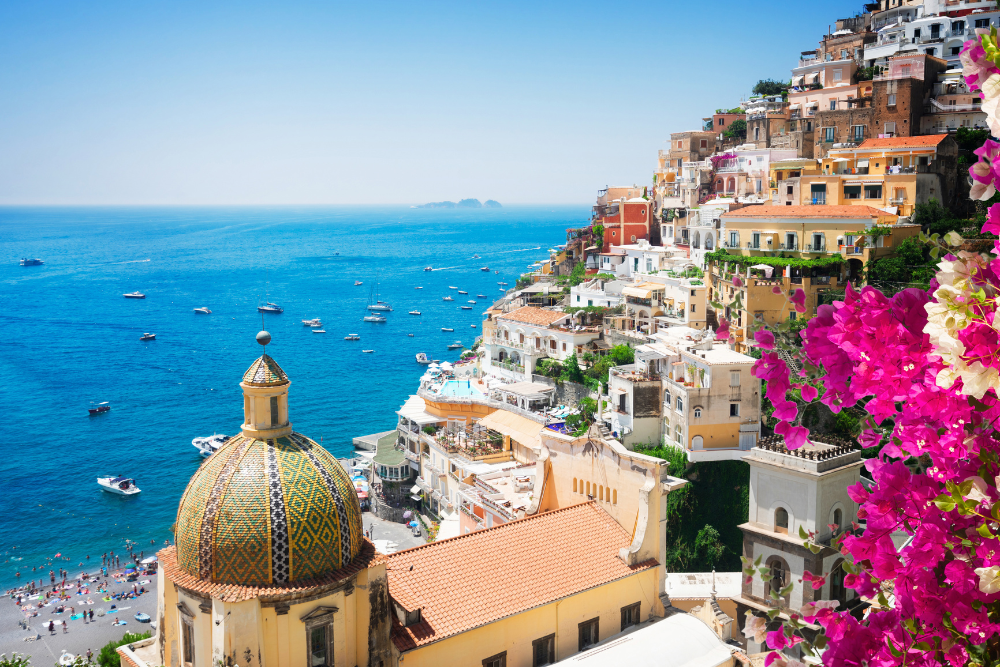
Italy’s weather varies significantly depending on the season and region. Winter (December to February) is cold in the north, making it ideal for skiing in the Alps, while southern regions like Sicily and Naples remain relatively mild. Snowfall in northern Italy, especially in cities like Turin and Milan, creates a charming winter atmosphere, making it a great time for holiday markets and festive lights. However, coastal areas such as the Amalfi Coast and Cinque Terre are often closed or have limited services in winter.
Spring (March to May) offers pleasant temperatures and blooming landscapes, perfect for sightseeing in cities like Rome and Florence. The countryside comes alive with flowers, making it an ideal time for photography and nature walks. Days are longer, and temperatures range from 10°C to 22°C (50°F to 72°F), providing comfortable weather for outdoor activities.
Summer (June to August) is hot and crowded, making it the best time for coastal trips to Amalfi, Sardinia, and Sicily. Expect temperatures to soar above 30°C (86°F) in many regions, making beaches the top attraction. However, major cities like Rome, Florence, and Venice can be sweltering and filled with tourists. If you plan to visit during summer, book accommodations and attractions in advance.
Autumn (September to November) brings cooler temperatures and stunning fall foliage, an excellent time for wine lovers to explore Tuscany and Piedmont. The climate is still warm in September, but by October and November, it becomes more relaxed, and tourists start to dwindle. It’s also truffle season in northern Italy, making it a fantastic time for food enthusiasts to visit Alba, which is famous for its white truffle festival.
2. Peak Season vs. Off-Season Travel
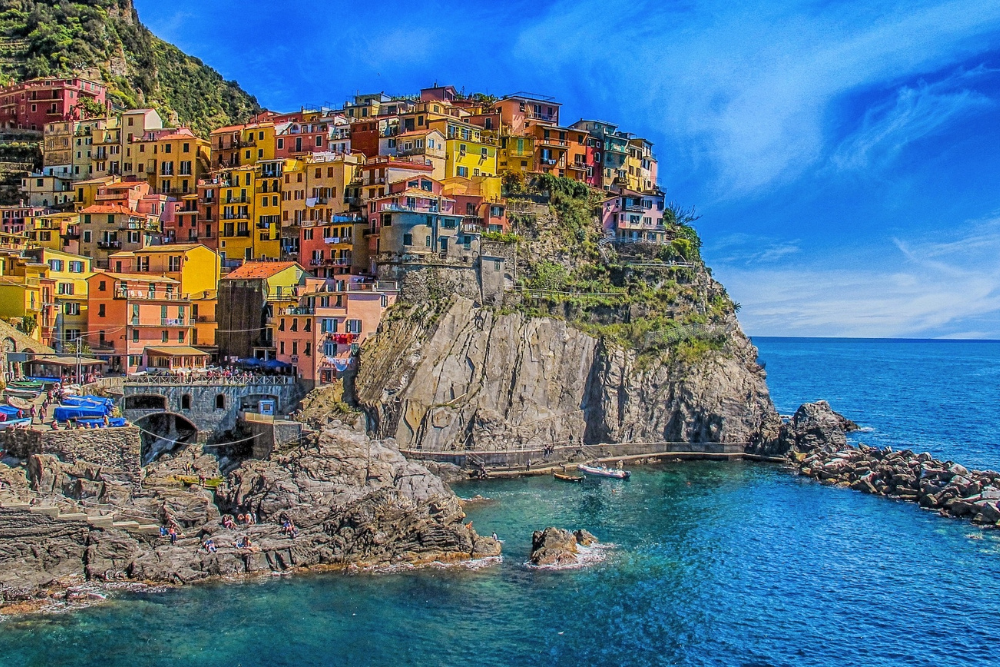
Peak season in Italy falls between June and August when tourist attractions are packed, and prices for accommodation and flights skyrocket. The allure of the Mediterranean sun brings travelers in droves, leading to higher prices and long lines at iconic sites like the Colosseum, Vatican Museums, and the Uffizi Gallery. The upside of peak season is the vibrant atmosphere, with street performances, open-air concerts, and summer festivals keeping the cities lively.
If you enjoy vibrant nightlife, beach parties, and bustling streets, summer is the ideal time. However, if you prefer fewer crowds and more affordable travel, the off-season (November to March) is your best bet. The colder months allow for a quieter experience in Italy’s most famous landmarks, and you can enjoy attractions without the long queues. Venice, Florence, and Milan are particularly beautiful during winter, with festive Christmas lights and seasonal delicacies like panettone and vin brulé (mulled wine) adding to the experience.
The shoulder seasons (April-May and September-October) strike a balance between favorable weather and moderate crowds. These months are ideal for exploring historical sites, countryside vineyards, and coastal towns without the peak summer rush. Flights and hotels are also more reasonably priced compared to the summer months.
3. Cultural Events and Festivals

Italy hosts incredible festivals throughout the year, each offering a unique glimpse into the country’s traditions. If you visit in February, you can experience the famous Venice Carnival, where the city comes alive with elaborate masks, parades, and masquerade balls. The carnival’s grand finale features a spectacular water parade along the Grand Canal.
Easter (March or April) is an important religious celebration, especially in Rome and Vatican City, where you can witness the Pope’s Easter Mass in St. Peter’s Square. Florence also hosts the Scoppio del Carro (Explosion of the Cart), a centuries-old tradition featuring a spectacular fireworks display.
In July, Siena’s Palio Horse Race offers a thrilling medieval spectacle, where ten riders representing different districts of the city compete in a high-energy race around the Piazza del Campo. The event is steeped in history and local pride, making it one of Italy’s most unique cultural experiences.
Autumn welcomes wine festivals in Tuscany and truffle fairs in Alba, where visitors can sample some of Italy’s finest wines and truffles. November’s White Truffle Festival in Alba is particularly famous among food lovers. December is magical with Christmas markets in Bolzano, Florence, and Rome, as well as festive New Year’s Eve celebrations, making it an enchanting time to visit.
4. Best Time for Specific Activities
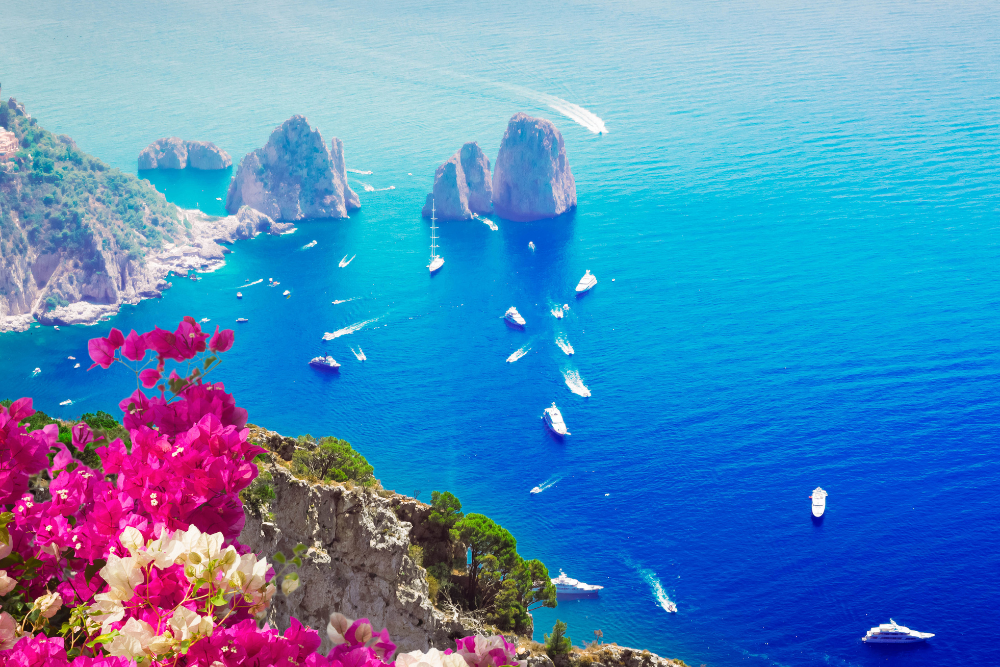
The best time to visit Italy depends on what you plan to do. If you’re a beach lover, June to August is perfect for enjoying the coastal towns and islands. The Amalfi Coast, Capri, and Sardinia offer some of the best beach experiences in Europe. However, these destinations can be crowded, so early morning or late afternoon visits are recommended.
Hiking enthusiasts should visit in May or September when the weather is mild and trails in the Dolomites and Cinque Terre are less crowded. Italy’s national parks, such as Gran Paradiso and Abruzzo National Park, provide stunning hiking routes, waterfalls, and wildlife sightings.
Wine lovers should head to Italy in September and October to witness the grape harvest season in Tuscany and Piedmont. Many vineyards offer special wine-tasting tours and events where visitors can experience traditional grape stomping.
Meanwhile, winter sports fans will find December to February ideal for skiing in the Italian Alps. Resorts like Cortina d’Ampezzo, Madonna di Campiglio, and Val Gardena offer world-class skiing and snowboarding opportunities.
5. Budget and Affordability
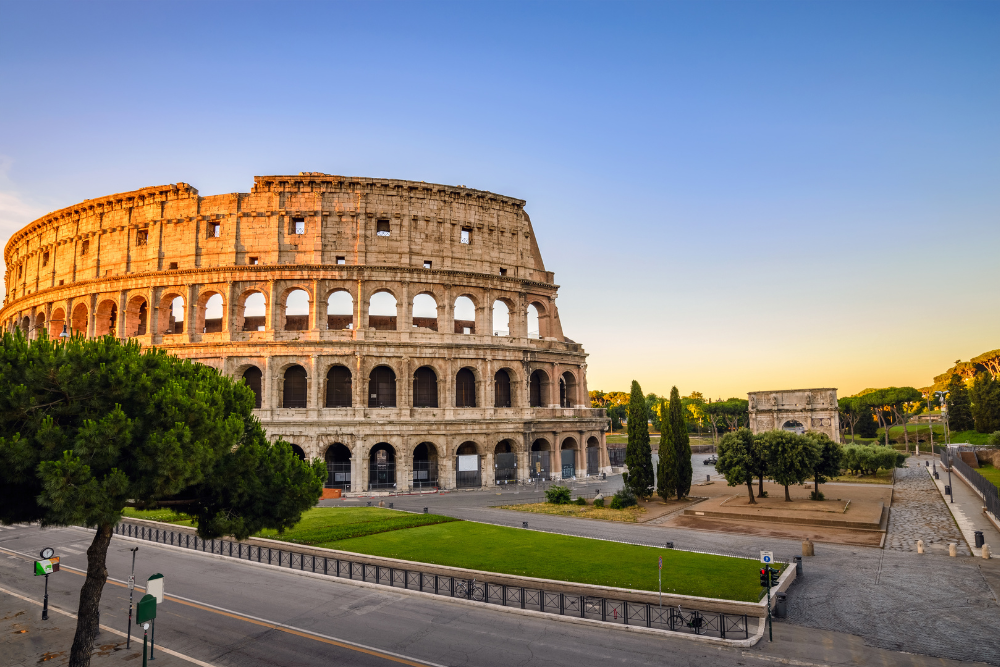
Italy can be an expensive destination, especially in peak season. Flights, hotels, and attractions are at their highest prices between June and August, and popular tourist areas often charge premium rates. If you’re traveling on a budget, consider visiting during the shoulder seasons of March to May or September to November, when prices are more reasonable, and the weather is still pleasant.
Winter (except for Christmas and New Year) is the most affordable time, as many hotels and airlines offer discounts. If you don’t mind the cold, this is a fantastic opportunity to explore Italy’s cultural heritage without breaking the bank. Budget-friendly cities like Bologna, Naples, and Palermo provide authentic experiences at lower costs compared to more touristy destinations like Venice and Florence.
Another great way to save money is by opting for city passes, which provide discounts on major attractions, free public transportation, and skip-the-line access. The Roma Pass, Firenze Card, and Venezia Unica City Pass are excellent options for budget-conscious travelers.
Final Thoughts
Italy is a year-round destination, but the best time to visit depends on your travel style and preferences. If you love beaches and lively crowds, summer is your season. For cultural experiences and pleasant weather, spring and autumn are ideal. If you want to explore Italy on a budget, winter and early spring are the best times to go.
Whatever season you choose, Italy’s beauty, history, and cuisine will make your trip unforgettable. Plan ahead, prioritize your must-see attractions, and embrace the Italian way of life—whether it’s sipping espresso in a bustling piazza, hiking through vineyards, or indulging in fresh seafood along the coast. Buon viaggio!