


Hiroshima is a city that carries deep historical significance while offering breathtaking natural beauty and a vibrant culture. Known worldwide for the tragic events of August 6, 1945, Hiroshima has since transformed into a city dedicated to peace and resilience. Today, it stands as a place of remembrance, education, and hope. In this guide, we’ll explore Hiroshima’s rich history, its peace memorials, and the stunning scenic spots that make it a must-visit destination in Japan.
1. A Brief History of Hiroshima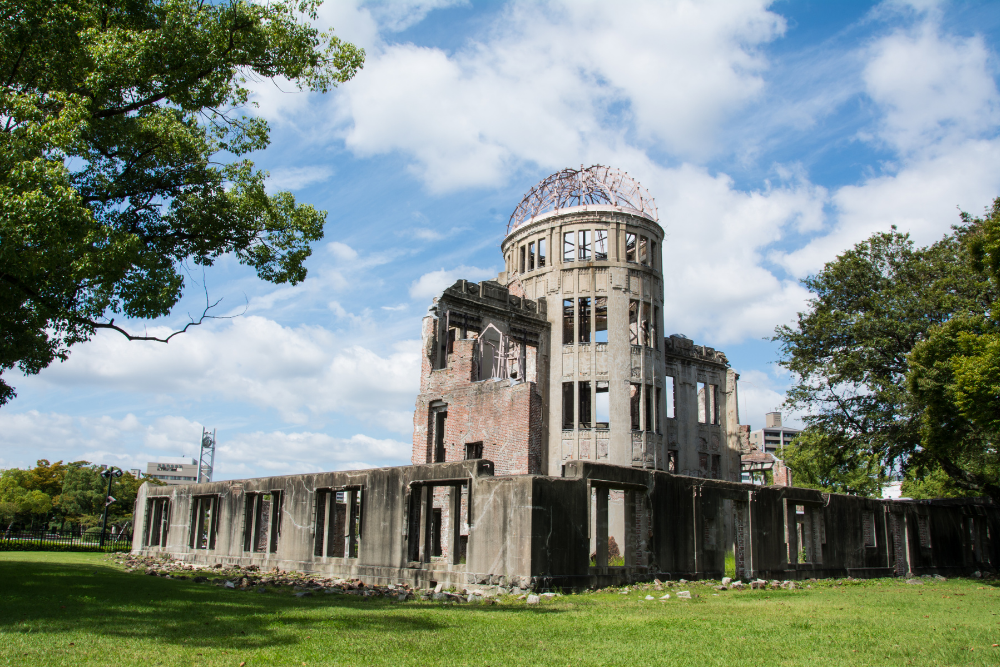
Hiroshima was a thriving industrial and military city before World War II. On August 6, 1945, the city was forever changed when the first atomic bomb was dropped, causing unprecedented destruction and loss of life. However, Hiroshima’s remarkable recovery and dedication to peace have made it a global symbol of resilience. The city now serves as a powerful reminder of the past while embracing a hopeful future.
2. Peace Memorials and Historical Sites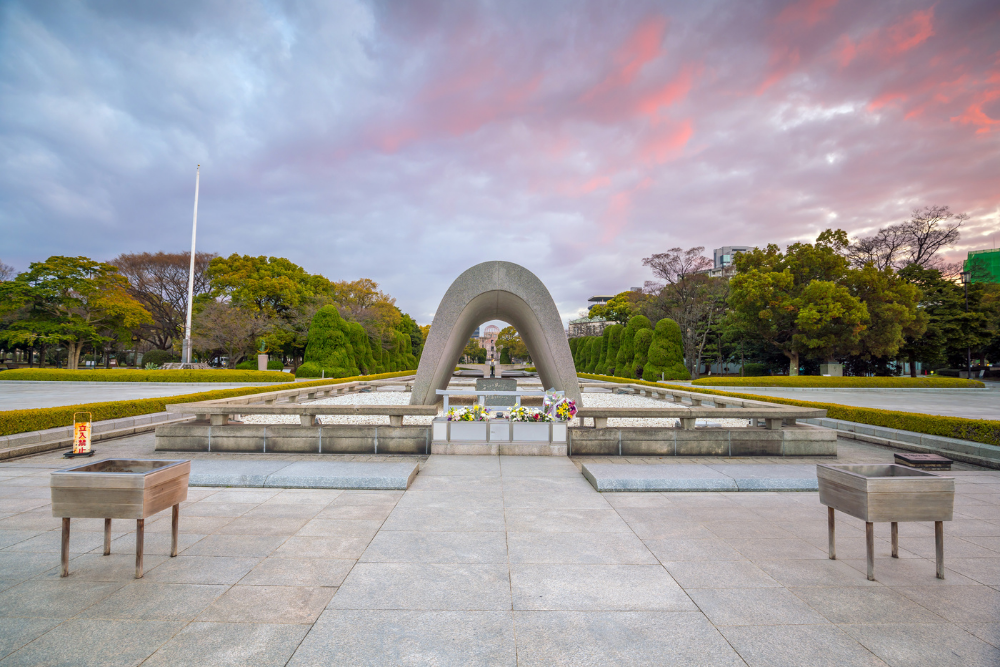
Hiroshima Peace Memorial Park
The heart of Hiroshima’s remembrance efforts, Peace Memorial Park, is a must-visit. Located in the city center, the park is home to several important memorials and museums dedicated to the victims of the atomic bomb and the promotion of global peace.
Atomic Bomb Dome (Genbaku Dome)
One of Hiroshima’s most iconic landmarks, the Atomic Bomb Dome is a preserved structure from the bombing. Originally the Hiroshima Prefectural Industrial Promotion Hall, it was one of the few buildings that remained standing after the blast. Today, it is a UNESCO World Heritage Site and a symbol of the city’s commitment to peace.
Hiroshima Peace Memorial Museum
This museum offers a deeply moving and educational experience about the events of August 6, 1945. Through personal belongings, photographs, and survivor testimonies, visitors gain insight into the devastating effects of the atomic bomb and Hiroshima’s post-war recovery.
Children’s Peace Monument
Dedicated to the memory of children who perished in the bombing, this monument was inspired by Sadako Sasaki, a young girl who developed leukemia due to radiation exposure. She folded paper cranes in hopes of recovery, and today, people from around the world send paper cranes to the monument as a symbol of peace.
Cenotaph for the A-Bomb Victims
An arched monument that holds the names of all known victims of the bombing. The inscription on the cenotaph reads, “Let all the souls here rest in peace, for we shall not repeat the evil.” Every year on August 6, a peace ceremony is held here.
3. Scenic Spots in Hiroshima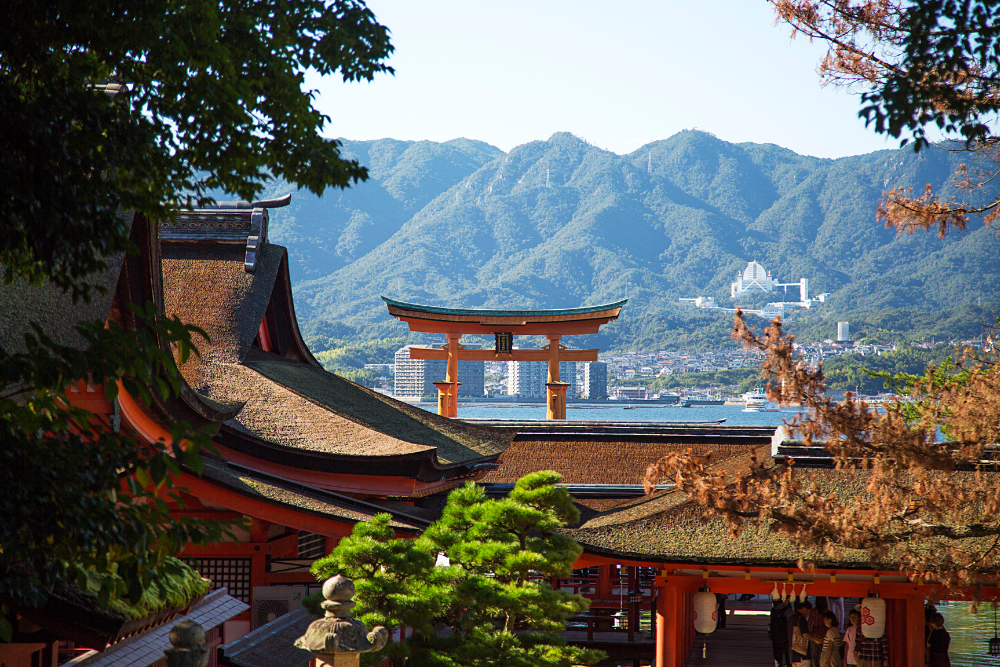
While Hiroshima is a city of remembrance, it is also a place of incredible natural beauty. Here are some of the best scenic spots to explore:
Miyajima Island (Itsukushima)
One of Japan’s most famous sights, Miyajima Island is known for the breathtaking floating torii gate of Itsukushima Shrine. At high tide, the gate appears to float on the water, creating a magical scene. The island is also home to friendly deer, stunning hiking trails, and delicious local food.
Mount Misen
For those who enjoy nature and hiking, Mount Misen offers spectacular panoramic views of the Seto Inland Sea. There are several hiking trails leading to the summit, or visitors can take the Miyajima Ropeway for a scenic ride.
Shukkeien Garden
A beautiful traditional Japanese garden, Shukkeien offers a peaceful retreat from the city. Originally built in the 17th century, the garden features ponds, bridges, and meticulously designed landscapes that reflect different scenic views of Japan.
Hiroshima Castle
Rebuilt after World War II, Hiroshima Castle is a magnificent example of a traditional Japanese fortress. Inside, there is a museum showcasing samurai culture and Hiroshima’s history before the bombing. The castle grounds are especially beautiful during cherry blossom season.
Mitaki-dera Temple
Nestled in the forested hills of Hiroshima, Mitaki-dera is a hidden gem known for its moss-covered statues, waterfalls, and serene atmosphere. The temple is particularly stunning in autumn when the maple trees turn brilliant shades of red and orange.
4. Hiroshima’s Culinary Delights
Hiroshima is famous for its regional cuisine, offering delicious dishes that visitors should not miss.
- Hiroshima-style Okonomiyaki – Unlike the Osaka version, Hiroshima-style okonomiyaki layers ingredients such as noodles, cabbage, and seafood, then tops it with a sweet and savory sauce. Popular spots to try it include Okonomimura, a multi-floor food complex dedicated to this dish.
- Momiji Manju – A maple leaf-shaped sweet filled with red bean paste, custard, or chocolate. This treat is a specialty of Miyajima Island.
- Oysters – Hiroshima is one of Japan’s top oyster-producing regions. Try them grilled, fried, or fresh with lemon.
- Anago-meshi – A delicious dish featuring grilled saltwater eel (anago) served over rice, popular on Miyajima Island.
- Tsukemen – Hiroshima’s version of cold dipping noodles served with a spicy broth, perfect for a refreshing meal.
5. Day Trips from Hiroshima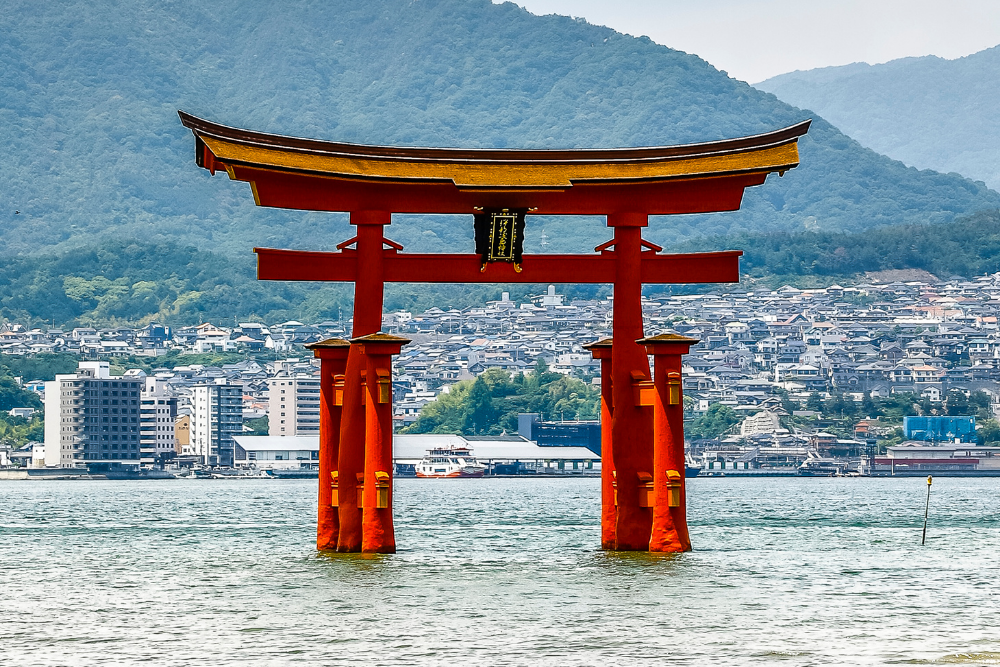
Iwakuni and Kintai Bridge
A short train ride from Hiroshima, Iwakuni is home to the picturesque Kintai Bridge, a historic five-arched wooden bridge over the Nishiki River. The area also features Iwakuni Castle, which offers beautiful views of the surrounding landscape.
Hiroshima Sake Breweries in Saijo
For sake lovers, a trip to Saijo, one of Japan’s top sake-producing regions, is highly recommended. The area is home to several traditional breweries where visitors can sample a variety of sake and learn about the brewing process.
Onomichi
A charming port town known for its temples, scenic cycling routes, and narrow hillside streets. Onomichi is also the starting point of the Shimanami Kaido, a famous cycling route that connects Honshu and Shikoku via a series of bridges.
6. Practical Tips for Visiting Hiroshima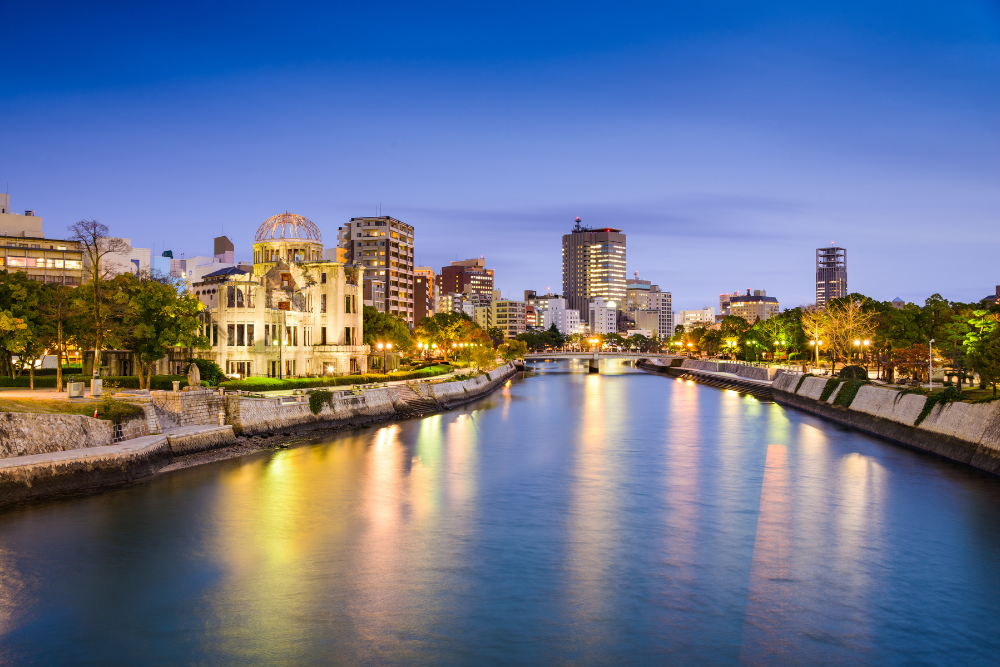
- Getting There: Hiroshima is easily accessible via the Shinkansen (bullet train) from Osaka (90 minutes) and Tokyo (4 hours). The Hiroshima Airport also connects the city to domestic and international destinations.
- Getting Around: The Hiroshima Electric Railway (streetcars) is a convenient way to explore the city. Ferries operate from Hiroshima to Miyajima Island.
- Best Time to Visit: Spring (March to May) and autumn (September to November) offer the most pleasant weather and stunning seasonal scenery.
- Respectful Behavior: When visiting the Peace Memorial Park and Museum, remember to be mindful and respectful as these are places of remembrance.
Conclusion
Hiroshima is a city that leaves a lasting impression on every visitor. With its profound history, peaceful memorials, and stunning natural scenery, it offers an experience that is both educational and inspiring. Whether you are exploring the powerful reminders of the past, enjoying the beauty of Miyajima Island, or savoring local delicacies, Hiroshima’s resilience and charm will stay with you long after your visit.
A journey to Hiroshima is not just about witnessing history—it is about understanding the importance of peace and appreciating the beauty of life.