


London is a year-round destination, offering a mix of history, culture, and vibrant events. The best time to visit depends on what you’re looking for—whether it’s mild weather, exciting festivals, or fewer crowds. This guide provides a detailed breakdown of each season to help you decide when to plan your trip.
Spring (March to May): Blossoms, Pleasant Weather & Fewer Crowds
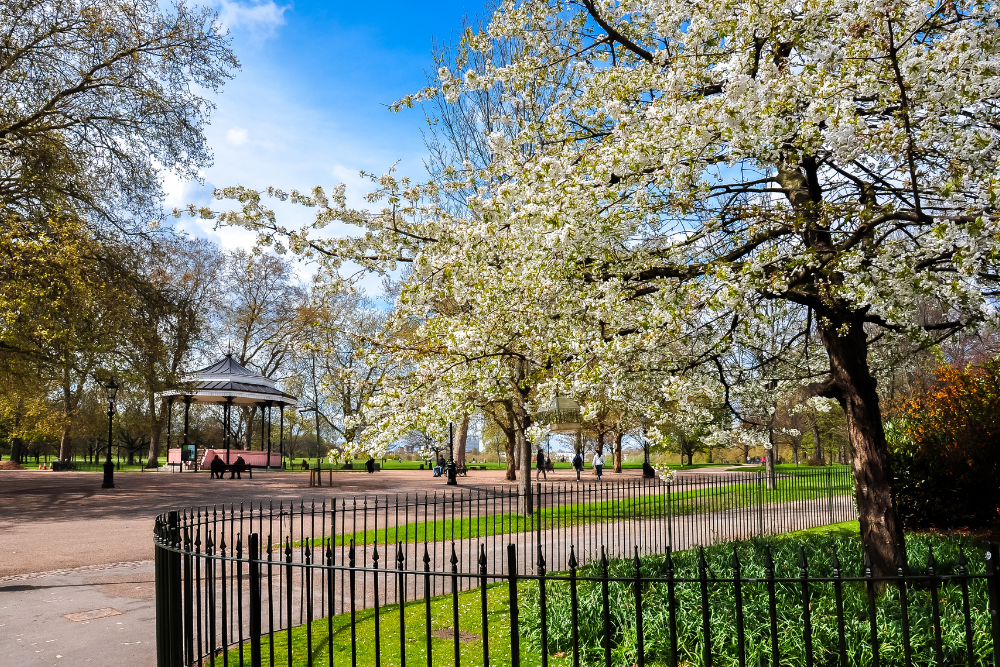
Spring is one of the best times to visit London, as the city awakens with blooming flowers, mild temperatures, and fewer tourists compared to summer. The weather ranges from 8°C to 15°C (46°F to 59°F), making it perfect for exploring outdoor attractions and parks.
Why Visit in Spring?
- Fewer crowds, allowing a more relaxed experience at major attractions.
- Beautiful cherry blossoms in parks like Kew Gardens, Regent’s Park, and St. James’s Park.
- Ideal weather for sightseeing, river cruises, and exploring outdoor markets.
Events & Festivals:
- St. Patrick’s Day Parade (March): A lively celebration with music, food, and performances in Trafalgar Square.
- London Marathon (April): One of the world’s most famous races, drawing thousands of runners and spectators.
- Chelsea Flower Show (May): A prestigious floral event showcasing breathtaking garden designs.
Spring is perfect for a balance of good weather and fewer crowds, making it an excellent time for first-time visitors.
Summer (June to August): Long Days, Warm Weather & Festivals
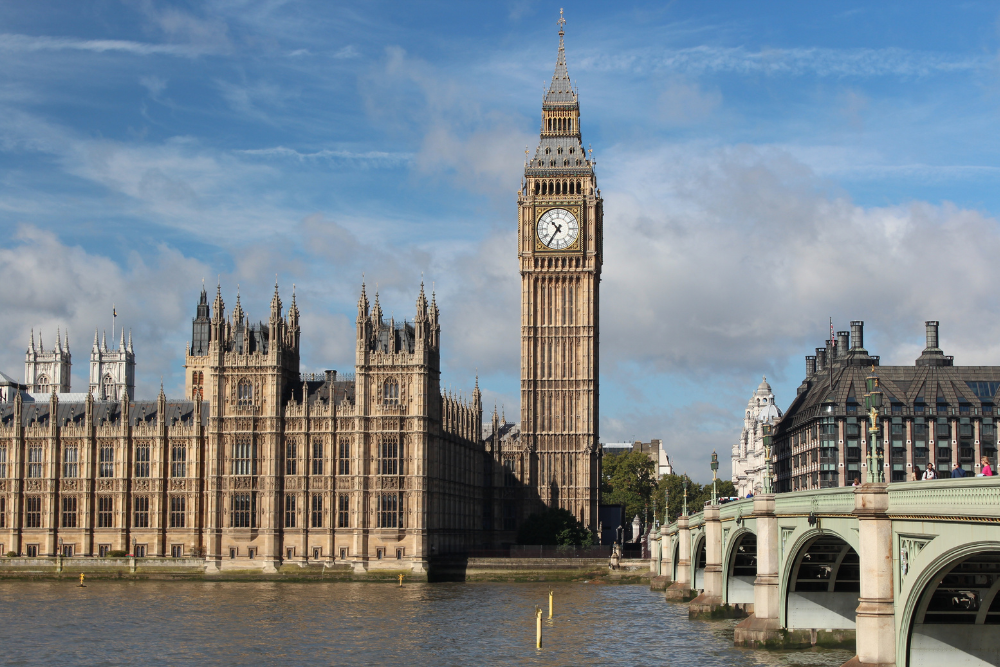
Summer is the peak tourist season in London, with long daylight hours, warm temperatures ranging from 15°C to 25°C (59°F to 77°F), and a lively atmosphere. While it’s the best time for outdoor activities, expect higher prices and large crowds at popular attractions.
Why Visit in Summer?
- Ideal weather for walking tours, open-air concerts, and picnics in Hyde Park.
- Extended daylight hours (sunset after 9 PM) for maximum sightseeing time.
- A vibrant atmosphere with street performances and cultural events.
Events & Festivals:
- Wimbledon Tennis Championships (July): A world-renowned tennis event where you can enjoy strawberries and cream while watching top players compete.
- British Summer Time Festival (July): A music festival in Hyde Park featuring international artists.
- Notting Hill Carnival (August): A colorful Caribbean street festival with parades, music, and delicious food.
Tip: Book accommodations, attractions, and event tickets well in advance, as summer is the busiest season.
Autumn (September to November): Foliage, Cultural Events & Mild Weather
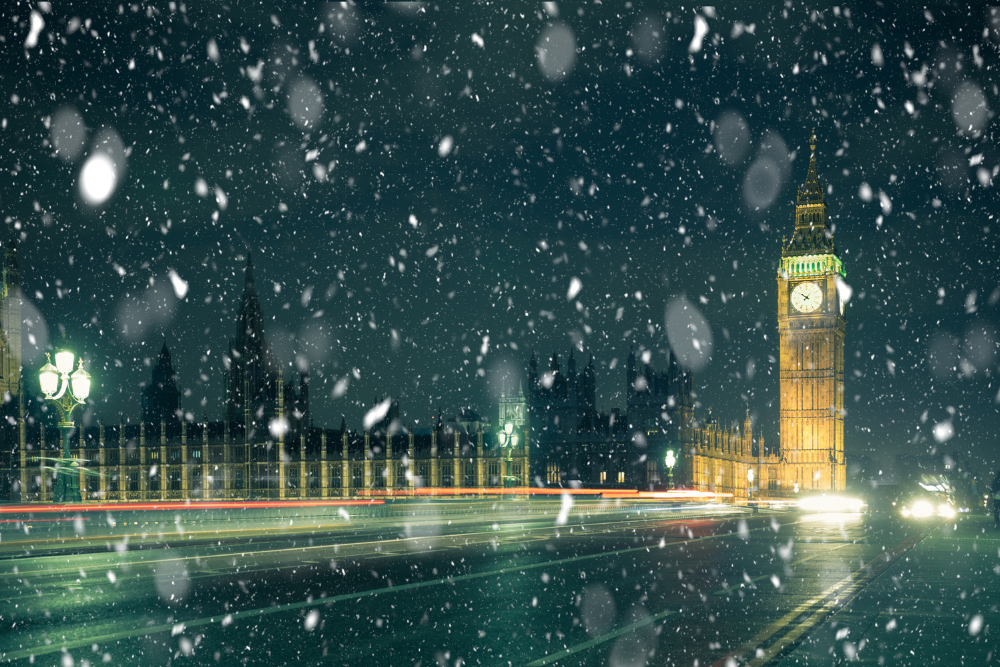
Autumn in London offers mild temperatures, ranging from 11°C to 18°C (52°F to 64°F), fewer tourists, and stunning fall foliage. It’s an excellent time for cultural events and enjoying the city’s many parks in golden hues.
Why Visit in Autumn?
- Beautiful autumn scenery in Hyde Park, Richmond Park, and Hampstead Heath.
- Fewer crowds make attractions like the British Museum and Tower of London more enjoyable.
- Ideal for food lovers as the restaurant scene flourishes with seasonal menus.
Events & Festivals:
- Open House London (September): A chance to explore historic and modern buildings usually closed to the public.
- London Film Festival (October): Showcasing international and independent films from around the world.
- Bonfire Night (November 5th): A British tradition featuring fireworks and bonfires to commemorate the failed Gunpowder Plot of 1605.
Autumn is a great alternative to summer for those who prefer pleasant weather with fewer crowds.
Winter (December to February): Christmas Markets & Cozy Vibes
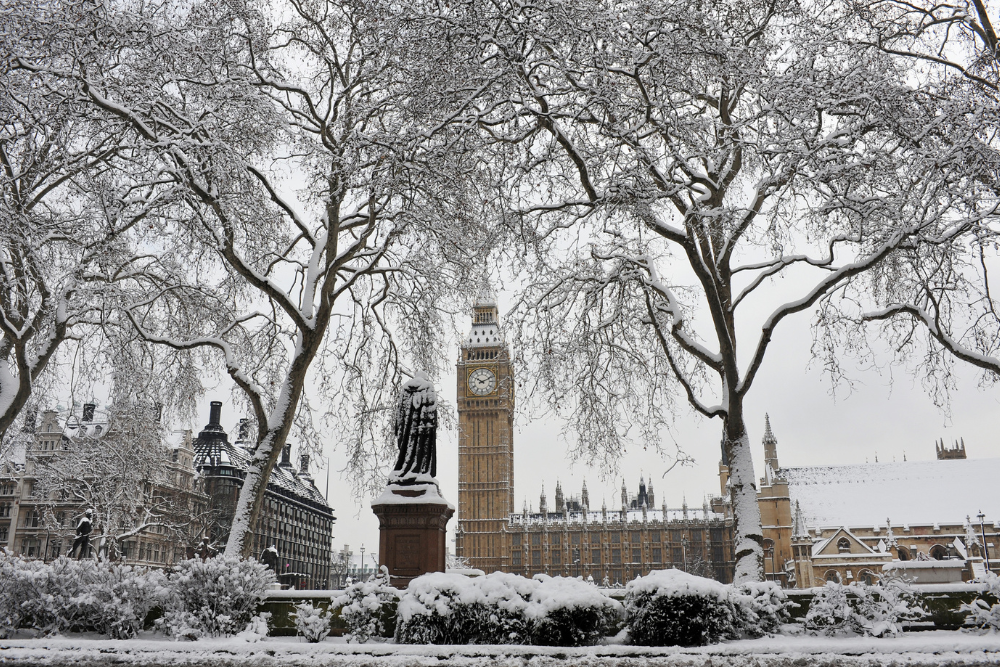
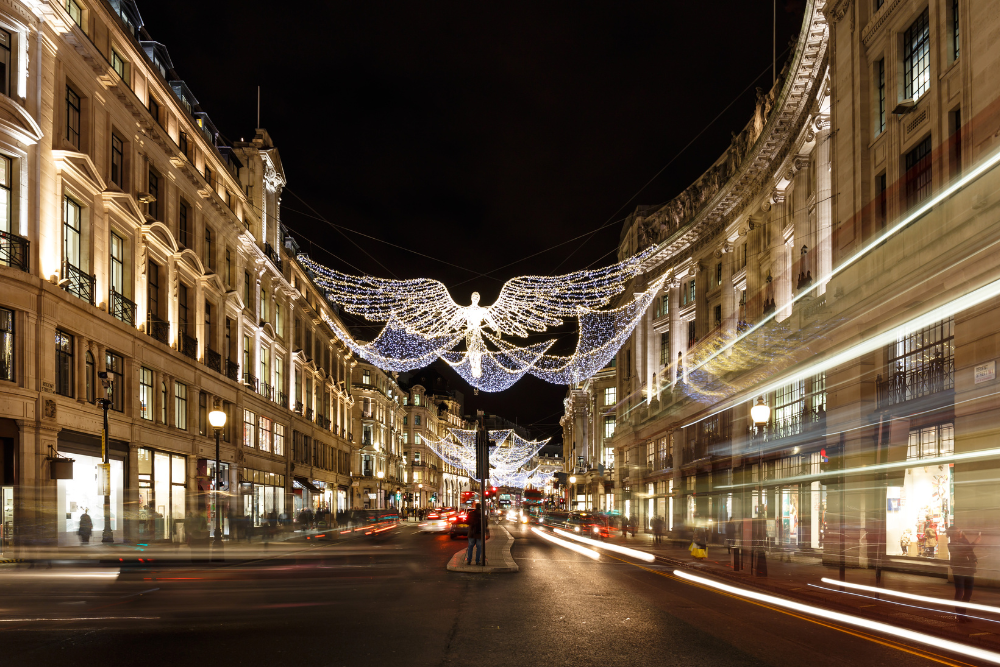
Winter in London is magical, with festive lights, Christmas markets, and cozy indoor attractions. While temperatures drop to 2°C to 8°C (36°F to 46°F), the city’s holiday charm makes it a special time to visit.
Why Visit in Winter?
- Iconic Christmas decorations on Oxford Street and Covent Garden.
- Ice skating at Somerset House, the Natural History Museum, and Canary Wharf.
- Lower prices on flights and accommodations after the New Year.
Events & Festivals:
- Winter Wonderland (December): A festive fair with ice skating, rides, and holiday markets in Hyde Park.
- New Year’s Eve Fireworks (December 31st): A spectacular display over the Thames (ticketed event).
- Chinese New Year (January/February): Celebrations in Chinatown with parades, performances, and traditional food.
If you love festive vibes and don’t mind the cold, winter is a magical time to experience London.
Month-by-Month Breakdown
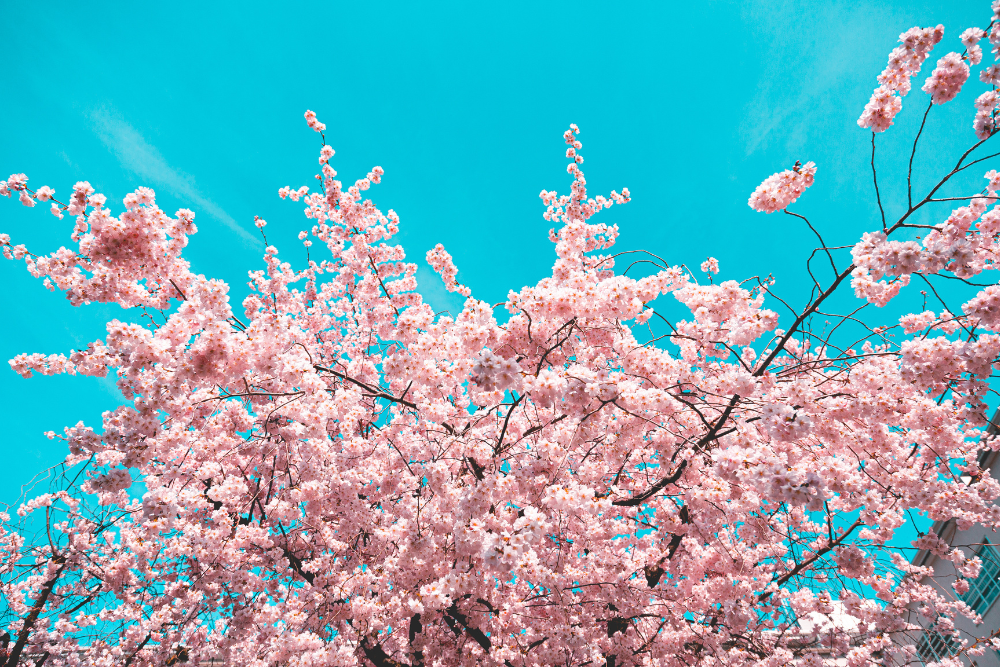
- January & February: Cold but budget-friendly with post-holiday sales.
- March & April: Spring blooms, mild weather, and cultural events.
- May & June: Ideal for sightseeing with pleasant temperatures.
- July & August: Peak season, warm weather, and top festivals.
- September & October: Mild temperatures and autumn colors.
- November & December: Festive markets, Christmas lights, and cozy indoor attractions.
Final Thoughts
The best time to visit London depends on your travel preferences:
- For mild weather and fewer crowds: Spring (March-May) or autumn (September-November).
- For festivals and outdoor activities: Summer (June-August).
- For a festive and cozy experience: Winter (December-February).
No matter when you visit, London always has something exciting to offer. With this guide, you can plan the perfect trip based on the season that best suits your interests!