

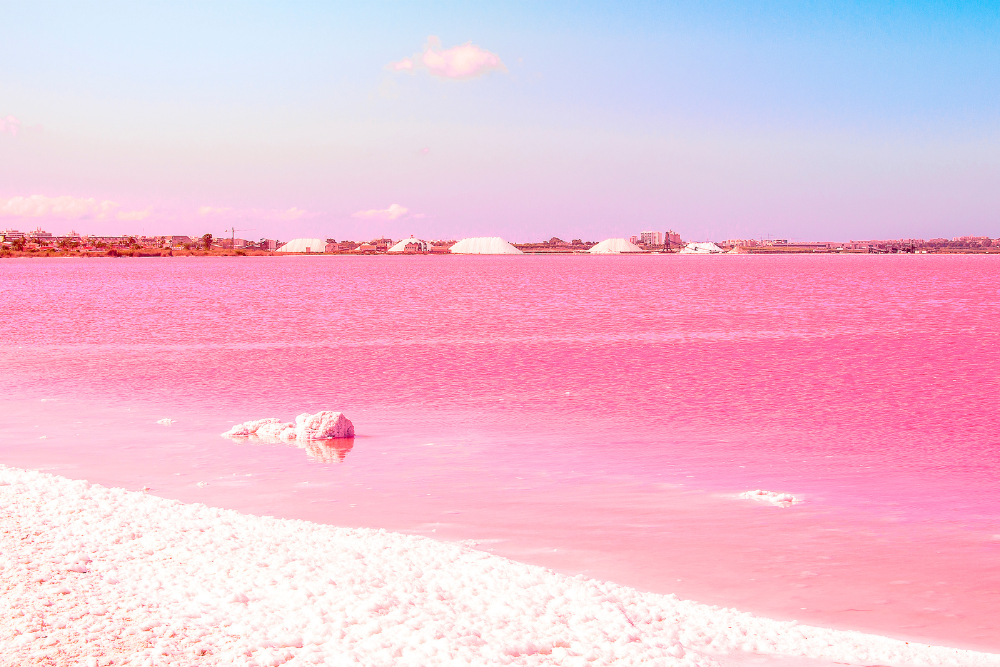

Western Australia is home to some of the world’s most striking natural wonders, and among these, the pink lakes stand out as one of the most fascinating and unique attractions. The vivid, otherworldly hues of these lakes, ranging from pale pinks to vibrant fuchsias, have captured the imagination of travelers, photographers, and nature enthusiasts alike. These lakes are not just beautiful; they are a testament to the incredible diversity of landscapes that Western Australia offers. In this guide, we’ll explore the best pink lakes in the region, what makes them so unique, and how you can experience their beauty firsthand.
What Makes Pink Lakes Pink?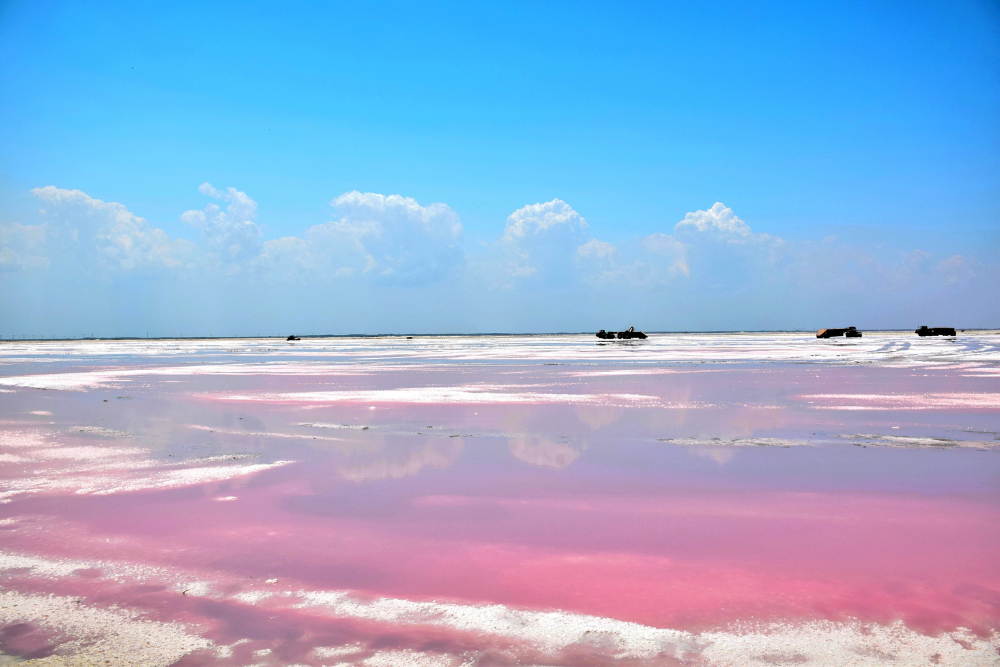
The striking pink color of these lakes is due to a combination of factors that create an ideal environment for microorganisms to thrive. The primary reason for the pink hue is the presence of a pigment-producing microorganism called Dunaliella salina, a type of algae. These algae thrive in high-salinity environments, and the more concentrated the salt in the water, the more vibrant the pink color.
In addition to the algae, other factors such as temperature, light intensity, and the presence of certain salts (like beta-carotene) also contribute to the intensity of the color. The high evaporation rates in the region increase the salinity of the lakes, creating perfect conditions for these microorganisms to flourish and give the water its signature hue.
1. Lake Hillier: The Iconic Pink Lake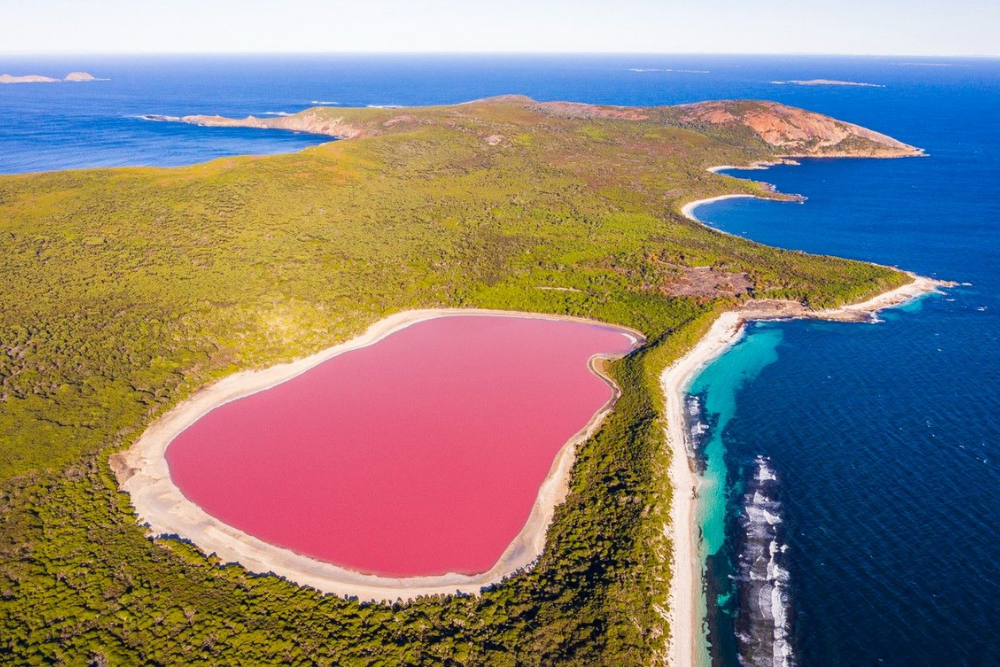
Location: Middle Island, Recherche Archipelago (off the coast of Esperance)
Perhaps the most famous of all the pink lakes in Western Australia, Lake Hillier is renowned for its vibrant, bubblegum-pink waters. Situated on Middle Island in the Recherche Archipelago, Lake Hillier is unique in that it is consistently pink throughout the year, unlike some other lakes that only show their true colors during specific seasons.
Why Visit Lake Hillier?
- Striking Pink Color: Lake Hillier’s color is often described as fluorescent pink, and the contrast between the surrounding white sand and the turquoise of the Indian Ocean makes for a breathtaking sight.
- Isolation: As the lake is located on an uninhabited island, it is difficult to access by land, which means most visitors experience it by aerial tours. Flying over the lake provides the best perspective to appreciate its beauty and isolation.
- Protected Area: The lake is part of Recherché Archipelago Nature Reserve, which means access to the island is limited to protect the natural environment.
How to Experience It:
- By Air: The most common way to visit Lake Hillier is by booking a scenic flight from Esperance, which provides an aerial view of the lake as well as other nearby islands and coastline. There are several operators offering these tours.
- Boat Tours: Some operators also offer boat trips that get you close to the island, although landing on Middle Island itself is prohibited to protect the delicate ecosystem.
2. Lake Preston: A Hidden Gem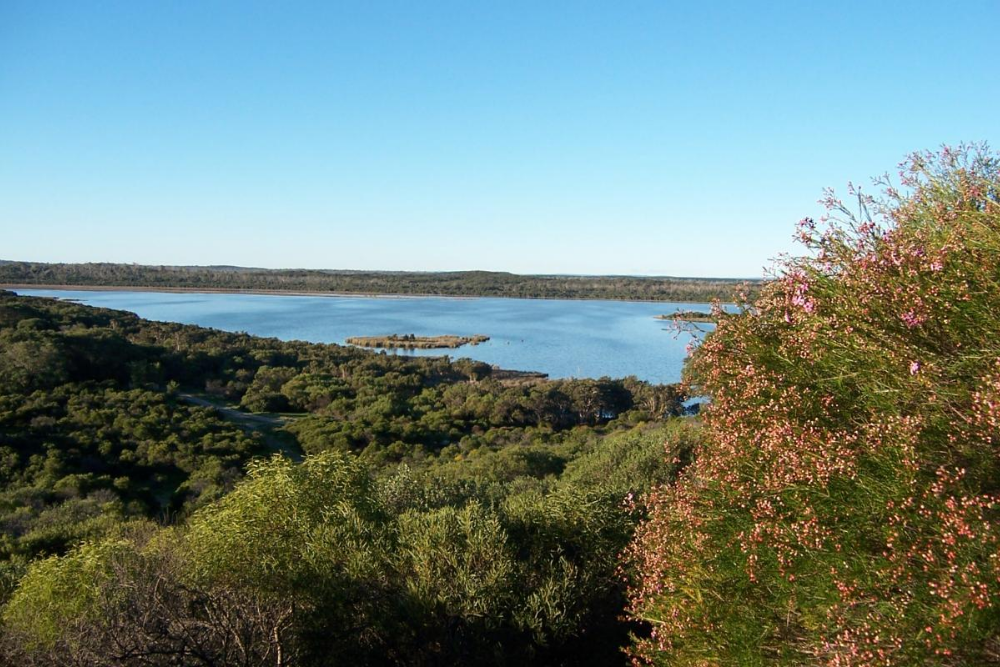
Location: Near Mandurah, 80 km south of Perth
Lake Preston is another lesser-known but equally stunning pink lake located near Mandurah in the Peel region of Western Australia. While it may not be as famous as Lake Hillier, its vibrant hues and proximity to Perth make it a fantastic off-the-beaten-path destination for those wanting to explore a natural wonder without the crowds.
Why Visit Lake Preston?
- Accessibility: Lake Preston is one of the more accessible pink lakes in Western Australia, just a short drive from Perth. Visitors can get close to the lake and enjoy its pink color from the shore.
- Peaceful and Scenic: The lake is surrounded by bushland and farmland, making it an ideal spot for a quiet day trip, picnic, or a scenic walk around the perimeter.
- Wildlife: The surrounding area is home to various bird species, including migratory waders, making it a great spot for birdwatching.
How to Experience It:
- Driving: Lake Preston is located just off the Old Coast Road, and you can easily drive to the lake for a peaceful visit. The best time to visit is during the summer months when the lake’s color is at its most vibrant.
- Photography: The contrast between the pink waters and the surrounding greenery provides plenty of photographic opportunities, especially at sunrise or sunset when the light adds to the scene’s beauty.
3. Lake Monger: A City-side Pink Paradise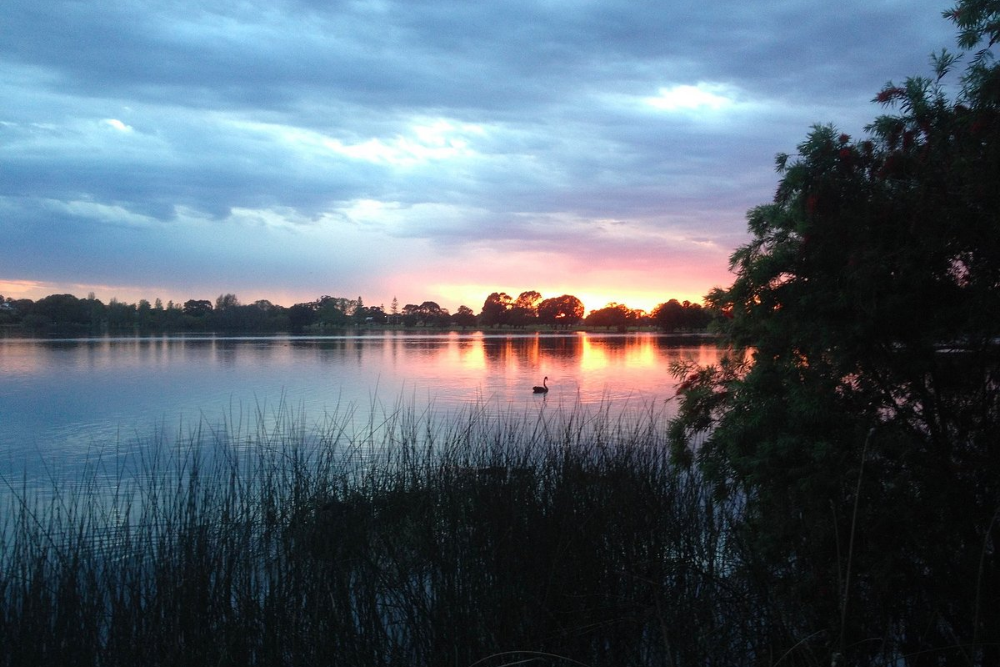
Location: Perth, Western Australia
While Lake Monger may not boast the same intense pink color as some of the more remote lakes, it is still a notable spot for visitors looking to experience a pink lake close to Perth. Lake Monger is a large urban lake located just 6 km from the city center, making it an ideal destination for a quick escape from city life.
Why Visit Lake Monger?
- Urban Convenience: Situated so close to the city, it is one of the easiest pink lakes to access. It is perfect for a short visit or a relaxed afternoon walk along its perimeter.
- Wildlife Spotting: The lake is home to a wide variety of birdlife, including swans, ducks, and pelicans, and is a great place for birdwatching, especially at sunrise or sunset.
- Cultural Significance: The lake is of cultural importance to the Noongar people, the traditional owners of the land. It’s a great place to learn about the region’s history and connection to the land.
How to Experience It:
- Walking and Cycling: The lake is surrounded by a well-maintained walking and cycling track that allows visitors to explore the area at their own pace. It’s a great spot for a morning jog or a leisurely afternoon stroll.
- Birdwatching: Bring your binoculars and enjoy watching the wide variety of birds that frequent the lake.
4. Lake Bumbunga: The Salty Wonder of the South
Location: Near the town of Lochiel, 140 km north of Adelaide (South Australia)
While not in Western Australia, Lake Bumbunga in neighboring South Australia is often included in lists of notable pink lakes across the country, as it’s one of the most accessible and consistently vibrant lakes in Australia.
Why Visit Lake Bumbunga?
- Changing Hues: The color of the lake fluctuates depending on the time of year and the salinity levels, sometimes appearing as a deep fuchsia and other times a softer pastel pink.
- Salt Flats: The lake is known for its vast salt flats, which provide a surreal, otherworldly landscape that contrasts with the pink water.
- Close to Adelaide: Lake Bumbunga is easily accessible from Adelaide, making it a great day-trip destination for those in the area.
5. Lake Dumbleyung: The Pink Oasis of the Wheatbelt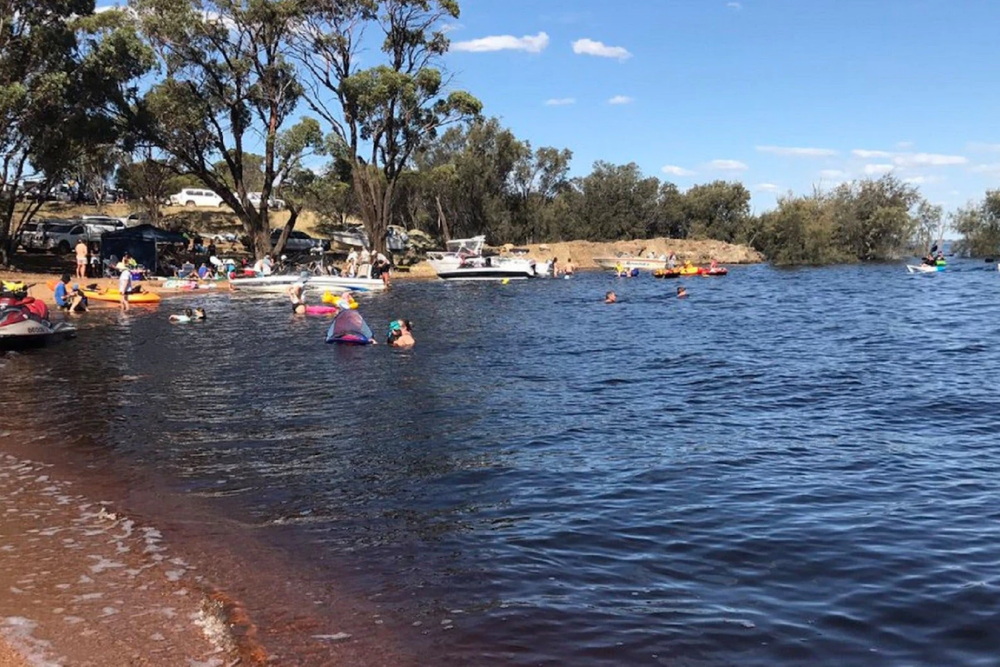
Location: 170 km southeast of Perth
Lake Dumbleyung is another inland pink lake that offers a more rural and tranquil off-the-grid experience. Located in the Wheatbelt region of Western Australia, the lake is known for its changing shades of pink, which can be particularly striking in the warmer months.
Why Visit Lake Dumbleyung?
- Tranquil Surroundings: The lake is set in a peaceful agricultural region, providing a serene escape for visitors looking to explore a lesser-known pink lake.
- Birdwatching: Lake Dumbleyung is also a popular spot for birdwatching, especially for waterfowl and migratory birds.
- Local History: The lake holds historical significance as the site of the first successful trans-Tasman flight by Sir Charles Kingsford Smith in 1928.
How to Experience It:
- Self-guided Exploration: The lake is easily accessible by car, and visitors can explore it on foot or by bike. It’s a great spot to relax and enjoy a quiet day outdoors.
Conclusion
Western Australia’s pink lakes are some of the most mesmerizing natural phenomena on the planet. From the famous Lake Hillier to lesser-known gems like Lake Preston and Lake Monger, each offers a unique experience and an opportunity to witness the beauty of nature’s vibrant colors. Whether you’re an avid photographer, a nature lover, or someone simply seeking a peaceful escape, these pink lakes promise an unforgettable adventure. Be sure to check the best times to visit, pack your camera, and immerse yourself in the stunning hues of Western Australia’s magical pink lakes!