

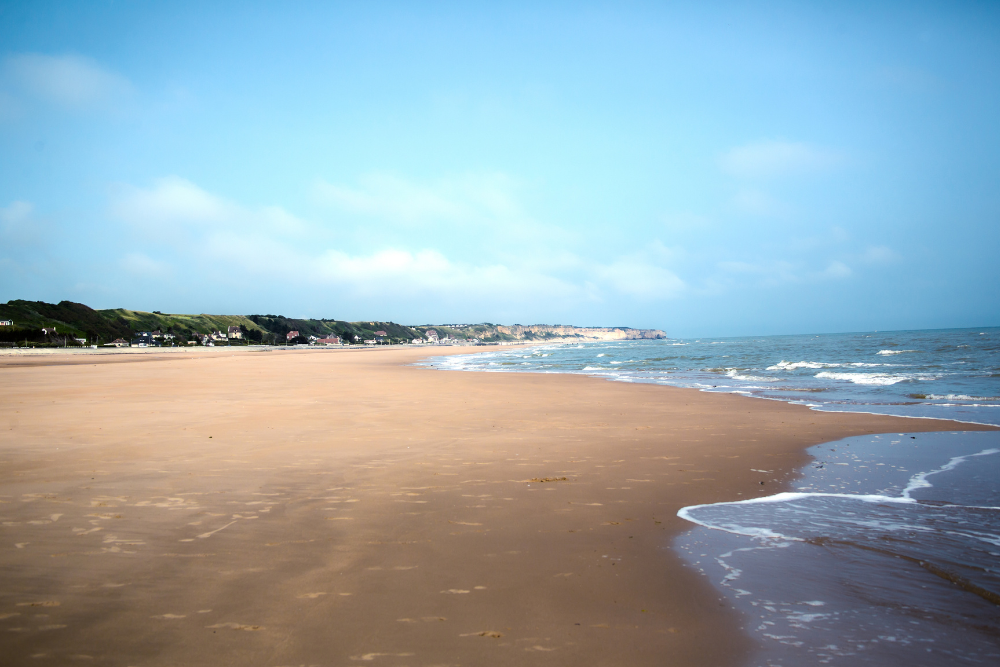

The D-Day landings on June 6, 1944, marked a turning point in World War II and remain one of the most significant military operations in history. Visiting the D-Day beaches in Normandy is a deeply moving experience, offering insight into the sacrifices made by Allied troops to liberate Europe. Whether you’re a history enthusiast or a casual traveler, this guide will help you explore the key sites and understand the historical significance of this remarkable region.
1. Omaha Beach: The Bloodiest Landing Site
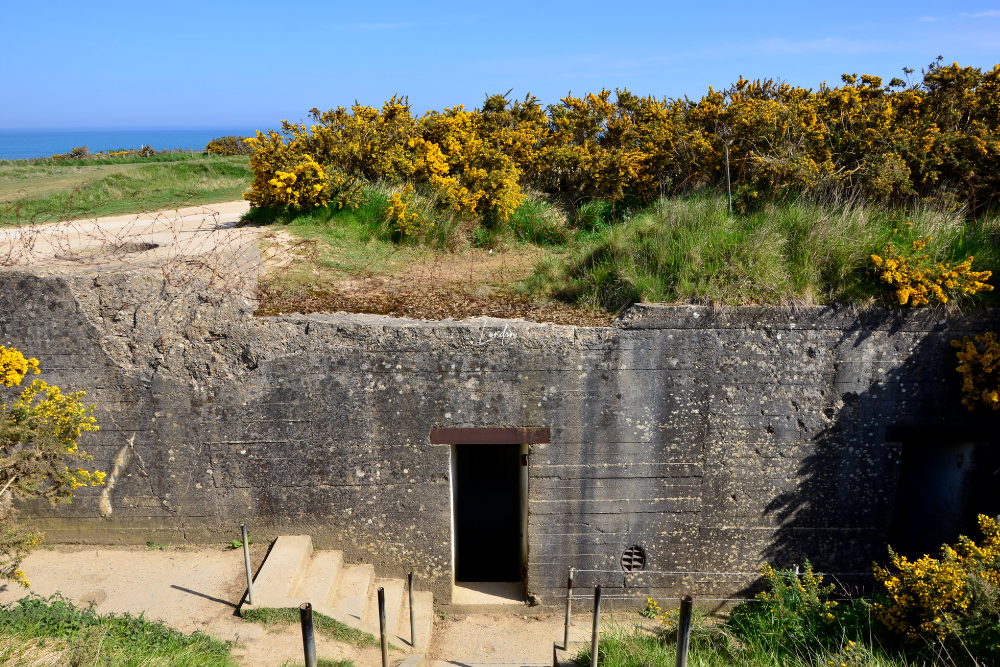
Omaha Beach was one of the most fiercely contested landing zones during D-Day, with American forces facing heavy resistance from German defenders.
Highlights:
- Omaha Beach Memorial: A monument honoring the bravery of American troops.
- Normandy American Cemetery: Over 9,000 white crosses mark the graves of fallen soldiers, offering a solemn and reflective atmosphere.
- Pointe du Hoc: A strategic German stronghold captured by U.S. Army Rangers after a daring cliff assault.
2. Utah Beach: A Tactical Success
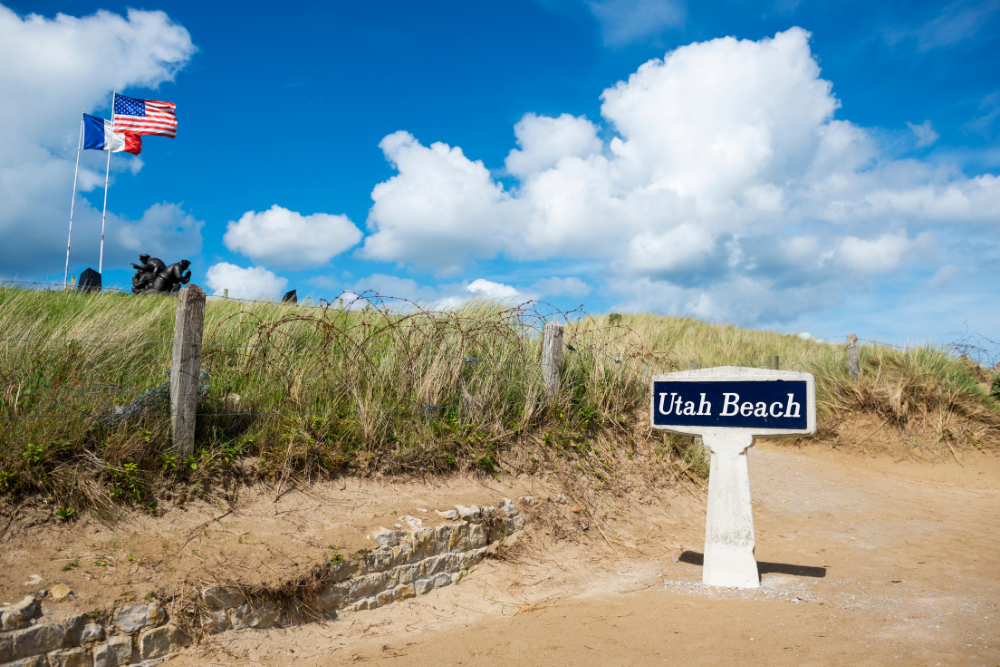
Utah Beach was the westernmost landing area, where American forces faced less resistance and achieved their objectives swiftly.
Highlights:
- Utah Beach Museum: Housed in a former German bunker, this museum provides an in-depth look at the invasion through artifacts and personal accounts.
- Monument to the 4th Infantry Division: A tribute to the troops who stormed the beach and secured a key victory.
- La Madeleine Church: A small but historic site where American paratroopers regrouped after landing.
3. Gold Beach: The British Advance
Gold Beach was assigned to British forces and played a crucial role in linking the eastern and western beachheads.
Highlights:
- Arromanches-les-Bains: This town features remnants of the Mulberry Harbors, which facilitated the rapid movement of troops and supplies.
- D-Day Museum: A museum dedicated to the artificial harbors and their impact on the invasion.
- Longues-sur-Mer Battery: A well-preserved German coastal defense position with large artillery guns still intact.
4. Juno Beach: The Canadian Effort
Juno Beach was stormed by Canadian troops, who faced strong German defenses but eventually secured a critical foothold.
Highlights:
- Juno Beach Centre: A museum dedicated to Canada’s role in World War II, featuring interactive exhibits and personal stories.
- Courseulles-sur-Mer: A small coastal town where Canadian forces first made landfall.
- Bény-sur-Mer Canadian War Cemetery: The final resting place of hundreds of Canadian soldiers who fought on D-Day.
5. Sword Beach: The British Push Inland
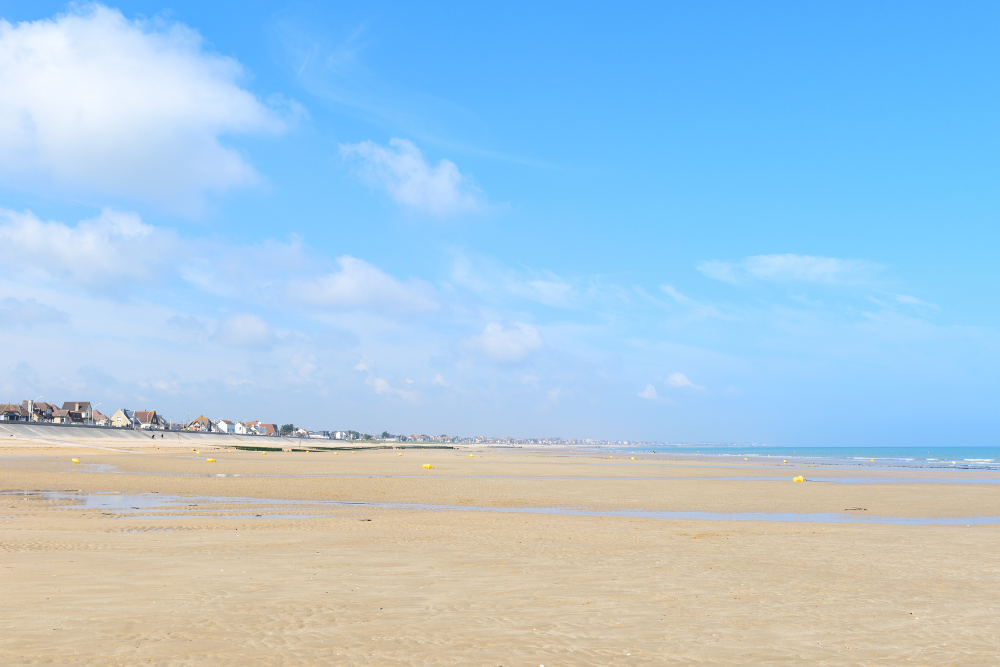
Sword Beach was the easternmost landing site and saw intense fighting as British troops pushed toward Caen.
Highlights:
- Pegasus Bridge: A key objective captured by British airborne forces to prevent German counterattacks.
- Hillman Fortress: A German bunker complex that was a major obstacle during the advance inland.
- Sword Beach Memorial: A tribute to the soldiers of the British 3rd Infantry Division.
Final Thoughts
Visiting the D-Day beaches of Normandy is a powerful and educational experience, offering a deep appreciation for the bravery and sacrifice of Allied forces. From somber cemeteries to immersive museums and preserved battle sites, each location tells a compelling story of courage and determination. Whether you’re tracing family history or simply learning more about this pivotal moment in world history, Normandy’s D-Day beaches provide an unforgettable journey through the past.