


Introduction
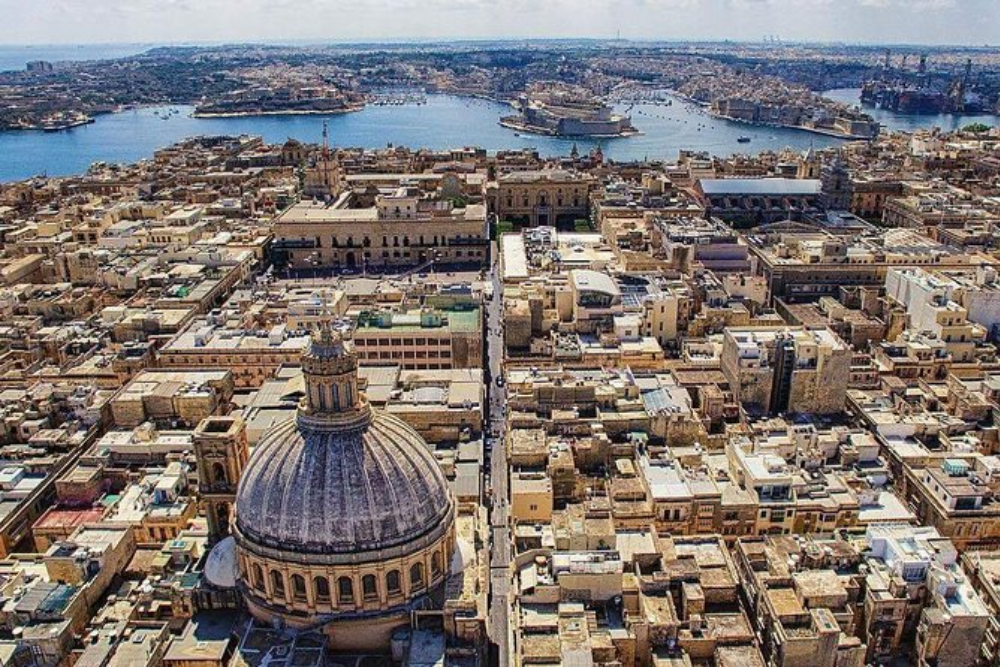
Mosta is an enchanting town in the core of Malta, eminent for its great building milestone, the Mosta Vault (Rotunda of Mosta). This gigantic church, with quite possibly of the biggest unsupported vault on the planet, draws guests for the two its glory and the phenomenal occasion during The Second Great War when a bomb fell through the arch yet didn’t detonate. Mosta likewise offers a sample of conventional Maltese life, with clamoring neighborhood markets, verifiable roads, and close by picturesque open country. Its focal area makes it an astounding base for investigating the island, mixing history with social liveliness.
Mosta Dome (Rotunda of Mosta)
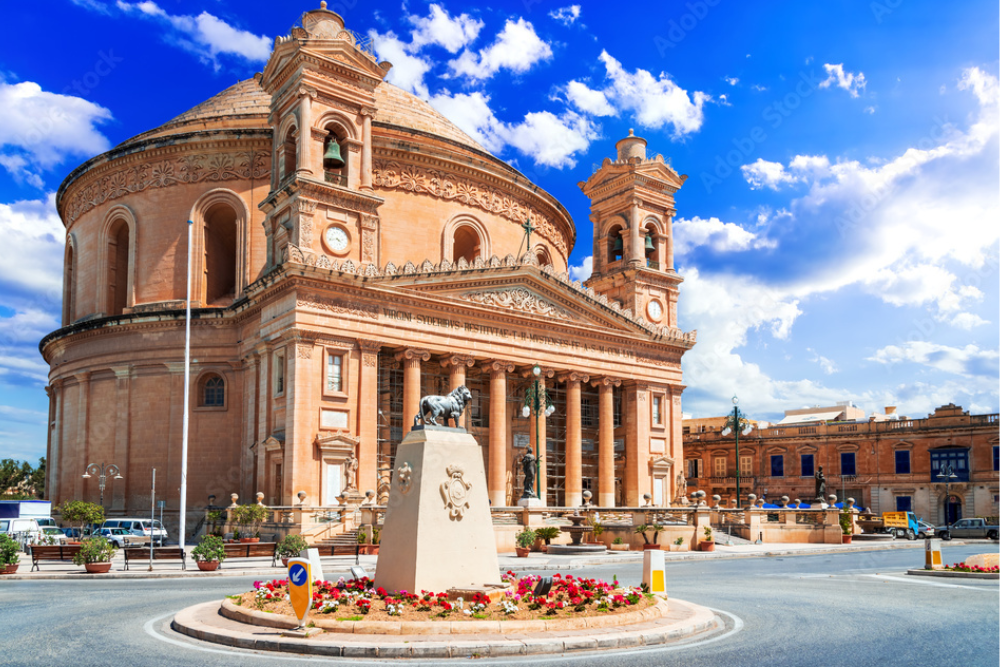
- The notorious image of Mosta, this congregation brags one the world’s biggest unsupported arches. The most striking part of the Rotunda is the WWII marvel when a bomb punctured the vault during mass and didn’t detonate. Investigate the congregation’s captivating history and engineering.
Mosta World War II Shelter
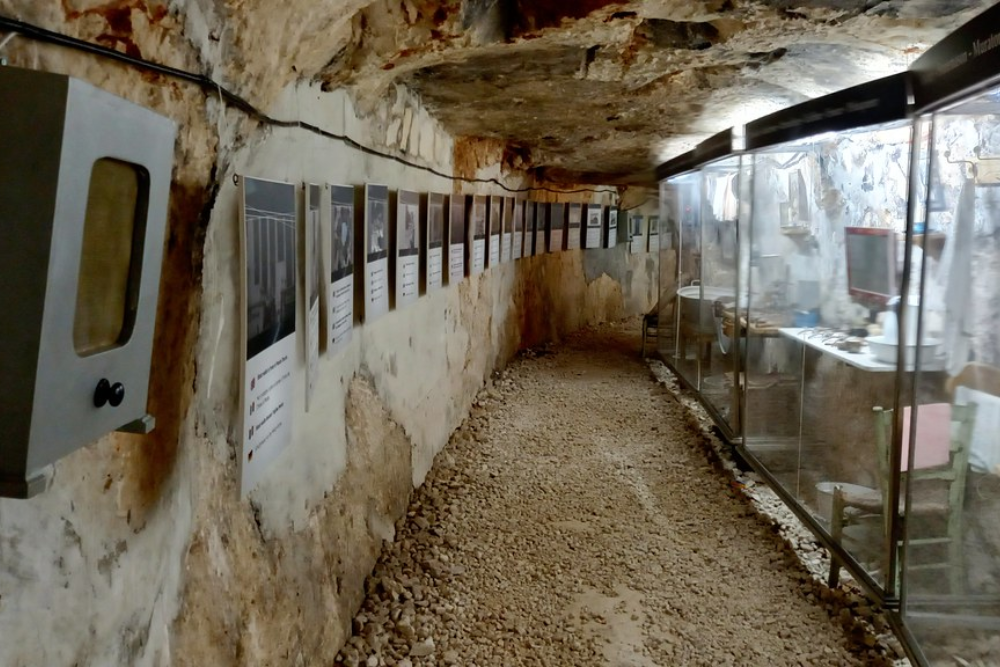
- Situated underneath the roads of Mosta, this haven offers a brief look into the existences of Maltese individuals during air strikes in The Second Great War. It’s a suggestive verifiable encounter, displaying how the town’s residents endure the bombings.
Wied il-Ghasel (Honey Valley)
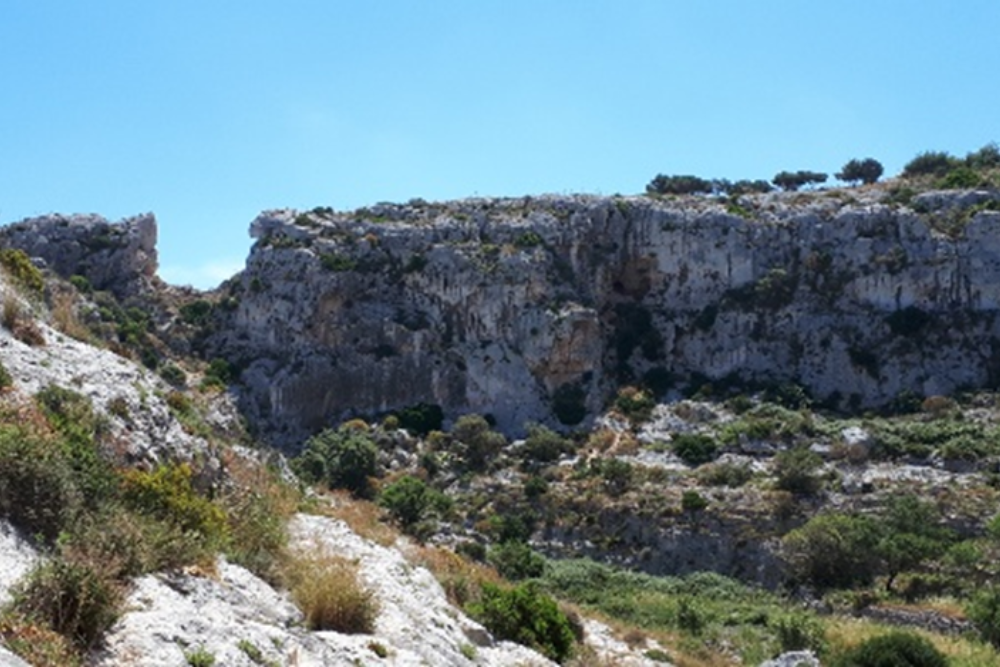
- A beautiful valley situated close to Mosta, ideal for nature sweethearts and climbers. The valley highlights normal caverns and offers a quiet retreat from the bustling town, making it ideal for grand strolls and photography.
Ta’ Bistra Catacombs
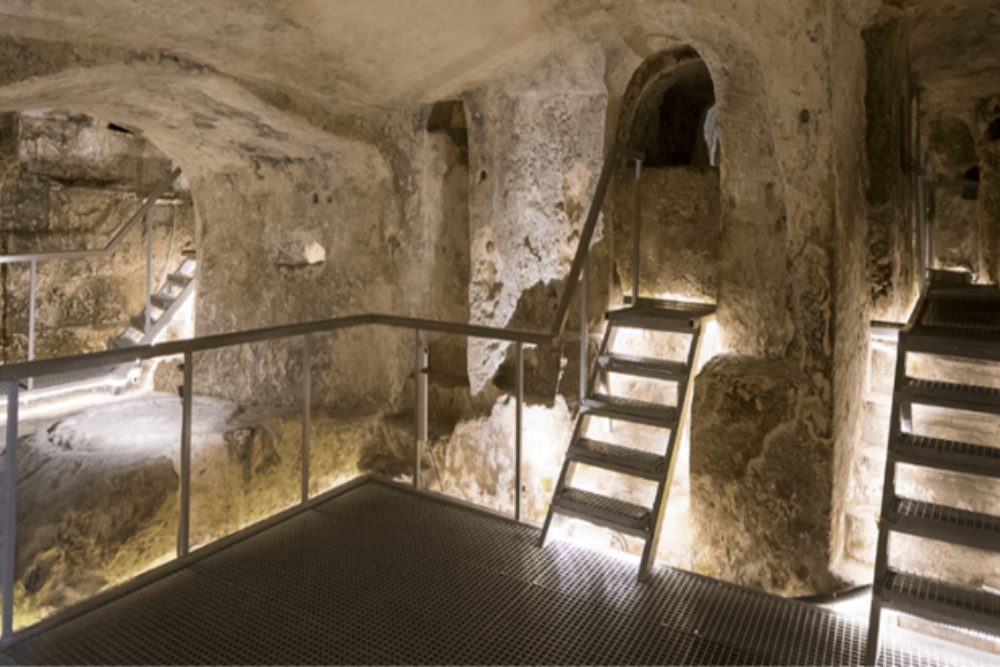
- An old entombment site tracing all the way back to Roman times, these mausoleums give a captivating knowledge into Malta’s old history. Directed visits offer clarifications about entombment practices and Maltese life in classical times.
Mosta Bridge
- Known as the “Targa Hole,” this compositional design offers sees over the Wied il-Ghasel valley and is an amazing accomplishment of designing. The scaffold likewise fills in as a door to investigate the close by open country.
Hiking in the tramuntana mountains
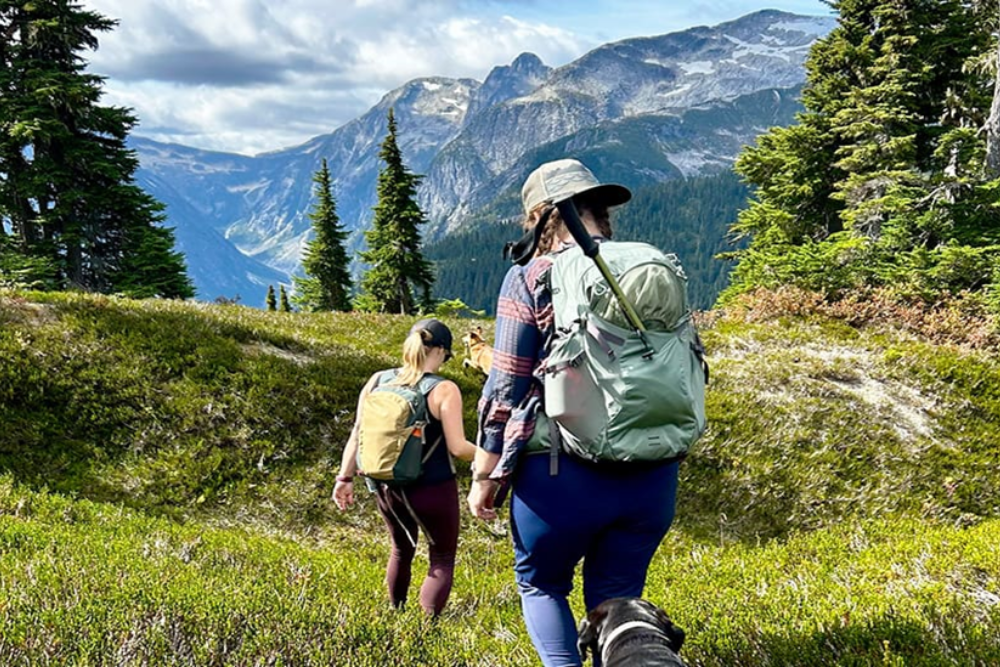
- The wide open encompassing Mosta, particularly Wied il-Ghasel, offers various climbing trails. You can travel across tranquil scenes, regular stone arrangements, and secret caverns. This is ideal for outside lovers and those hoping to encounter Malta’s normal excellence.
Cycling Tours
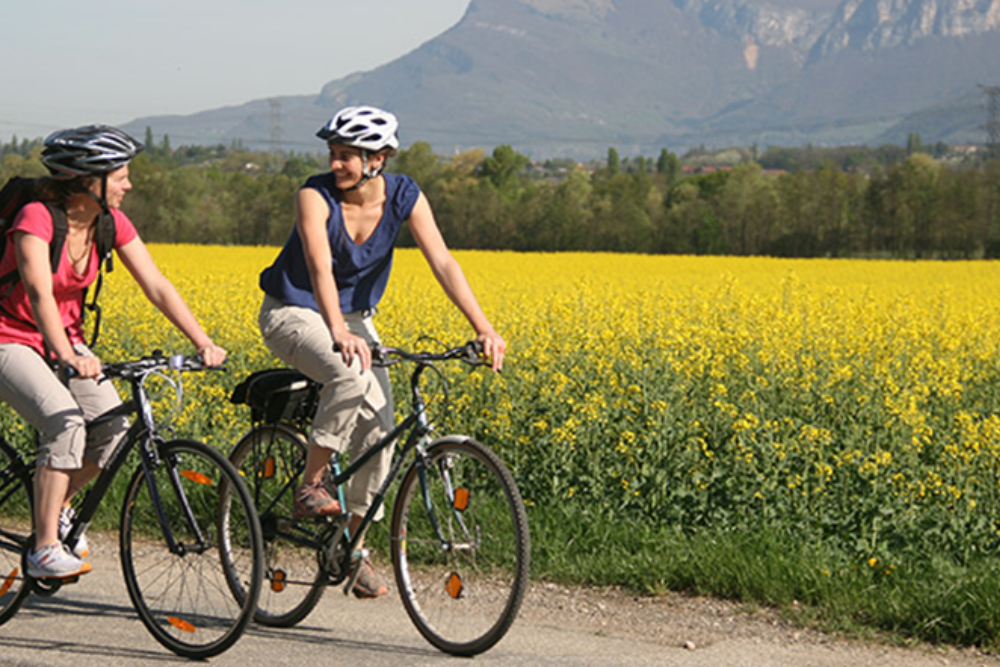
- Investigate Mosta and the encompassing towns on a bicycle. Going through the town’s notable roads and into the rustic regions offers a blend of history, culture, and grand magnificence, making it a bold method for investigating.
Cave Exploration
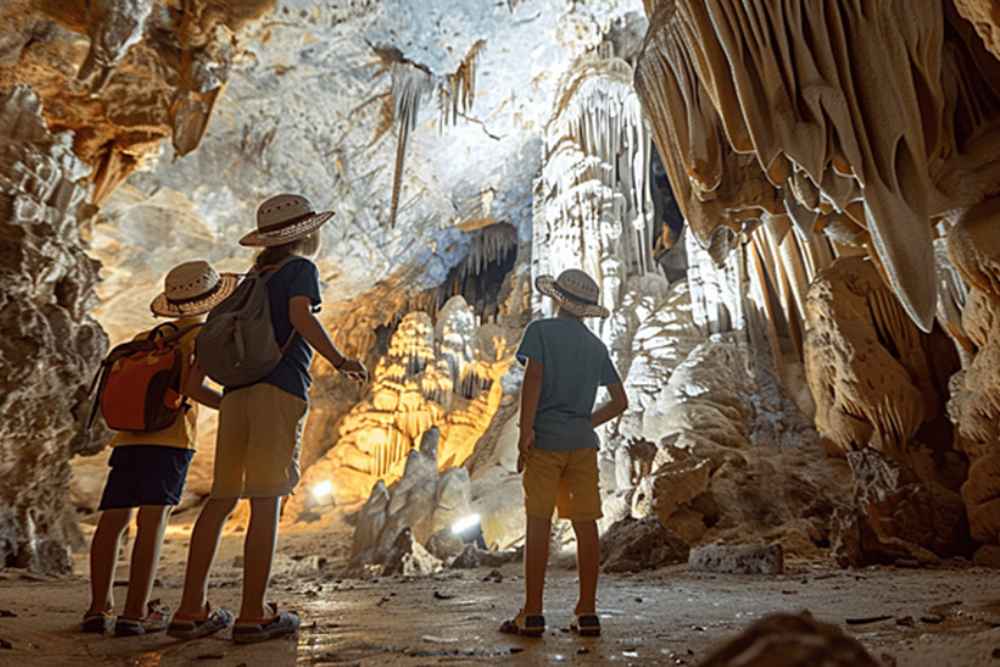
- Wied il-Ghasel valley has caves that can be investigated by audacious guests. These regular developments have been molded by time and are great for a little experience in nature.
Horseback Riding
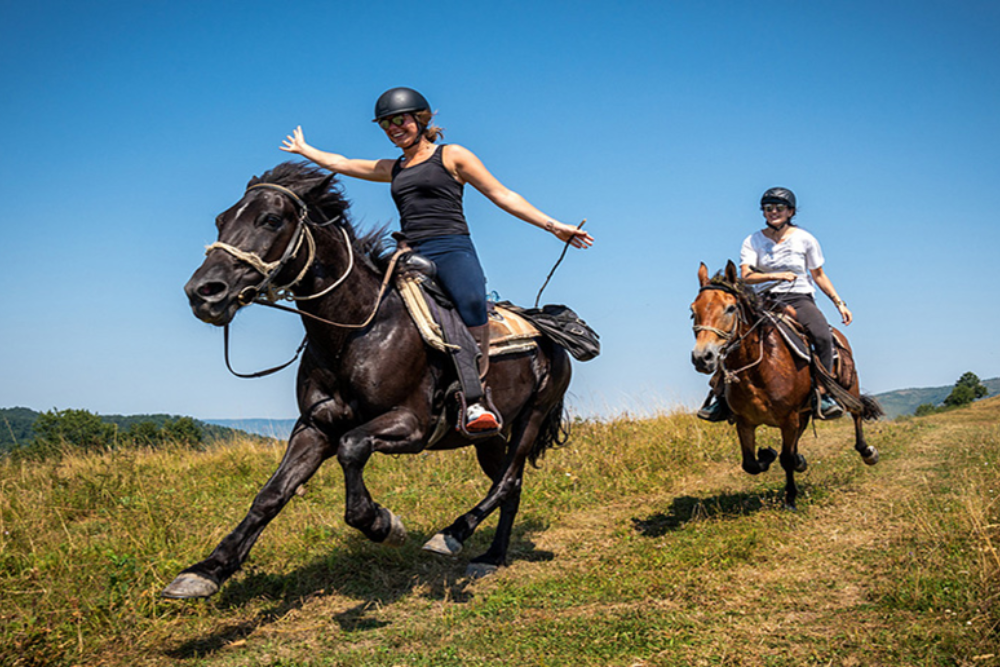
- Experience Mosta’s open country and close by fields riding a horse. A few equestrian places in Malta offer riding visits, which permit you to partake in the town’s regular magnificence and milestones in a remarkable and courageous manner.
Do and Don’ts in Mosta
While visiting Mosta, it’s vital to be aware of nearby traditions and manners. Here is a useful aide of do’s and don’ts to guarantee a conscious and pleasant experience:
Do
- Do visit the Mosta Dome (Rotunda): It’s perhaps of the biggest vault on the planet and a compositional wonder. Make certain to investigate its rich history, including the supernatural occurrence of the unexploded bomb from The Second Great War.
- Do dress modestly when visiting churches: Mosta’s strict locales, similar to the Rotunda, require suitable clothing. Cover your shoulders and knees as an honorable gesture while entering temples.
- Do engage with locals: Maltese individuals are known for their kind disposition and neighborliness. Make it a point to for headings or participate in discussion with local people to more deeply study their way of life and customs.
Don’t
- Don’t wear revealing clothing in religious places: Keep away from shorts, tank tops, or sleeveless shirts while visiting strict destinations like the Mosta Arch. Humility is normal inside these holy spots.
- Don’t take photos during religious services: While it’s OK to take photographs of the Mosta Arch’s delightful inside when no help is occurring, it’s insolent to do as such during mass or other strict functions.
- Don’t litter in nature reserves or historical areas: Keep Mosta’s normal excellence and authentic locales clean by discarding garbage mindfully.
Best time to reach in Mosta
The best chance to visit Mosta is throughout the spring (April to June) and fall (September to October) months. Here is a breakdown of what’s in store in each season:
-
Spring (April to June)
- Spring brings gentle temperatures, going from 15°C to 25°C (59°F to 77°F). The weather conditions is lovely, making it ideal for touring and open air exercises.
- Spring is additionally the ideal opportunity for different nearby celebrations and occasions, permitting guests to encounter Maltese culture and customs.
- This season is described by sprouting blossoms and lively plant life, improving the magnificence of Mosta and its environmental factors.
-
Summer (July to August)
- Summer in Mosta can be very blistering, with temperatures frequently surpassing 30°C (86°F). While this is a famous time for beachgoers, it tends to be awkward for broad touring.
- Swarms: July and August are top traveler months, prompting bigger groups at famous locales. On the off chance that you partake in a vivacious environment and summer celebrations, this may pursue.
-
Fall (September to October)
- Decrease offers gentle temperatures, like spring, going from 20°C to 27°C (68°F to 81°F). This season gives agreeable circumstances to investigating Mosta.
- Reap Season: Pre-winter is likewise an extraordinary opportunity to appreciate nearby food and wine celebrations, as it’s the collect season in Malta.
-
Winter (November to Spring)
- Winters are gentle, with temperatures going from 10°C to 17°C (50°F to 63°F). While it may not be essentially as warm as different seasons, it’s as yet a great opportunity to visit in the event that you favor less groups.
- Christmas festivities and nearby customs throughout the cold weather months offer an extraordinary social encounter.