



Introduction
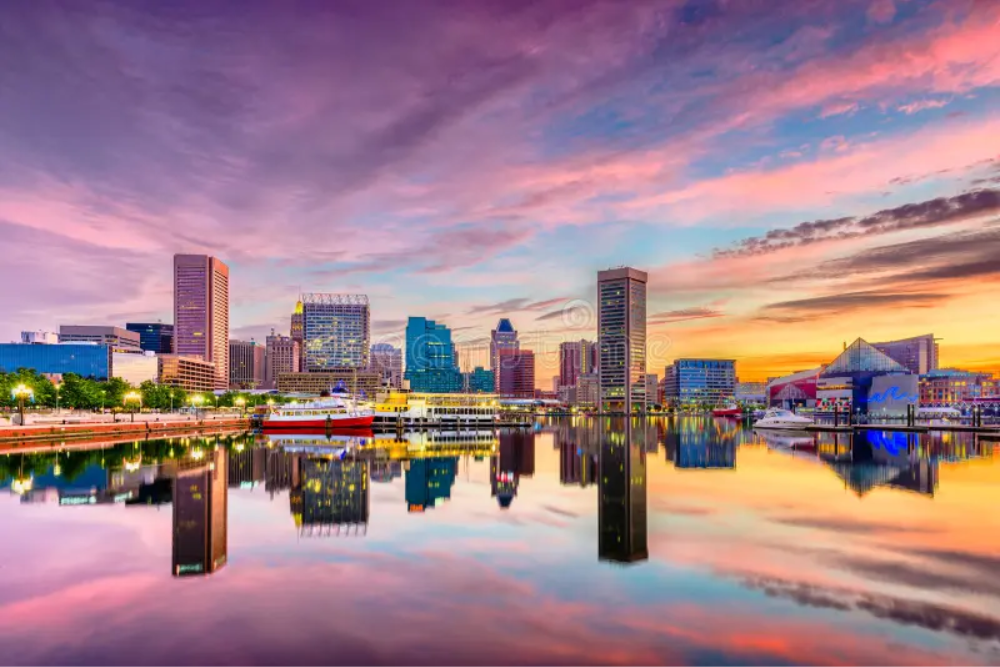
Maryland is a state situated in the Mid-Atlantic locale of the US. It’s known for its different geology, going from the Atlantic shoreline to the Appalachian Mountains. The state has a rich history and assumed a critical part in the early development of the US. Baltimore, its biggest city, is renowned for its noteworthy harbor, energetic social scene, and fish, especially crab dishes. The state capital is Annapolis, which is additionally outstanding for its sea history and as the home of the U.S. Maritime Foundation. Maryland is likewise known for its beautiful scenes, including the Chesapeake Narrows and various state parks.
Baltimore Inner Harbor
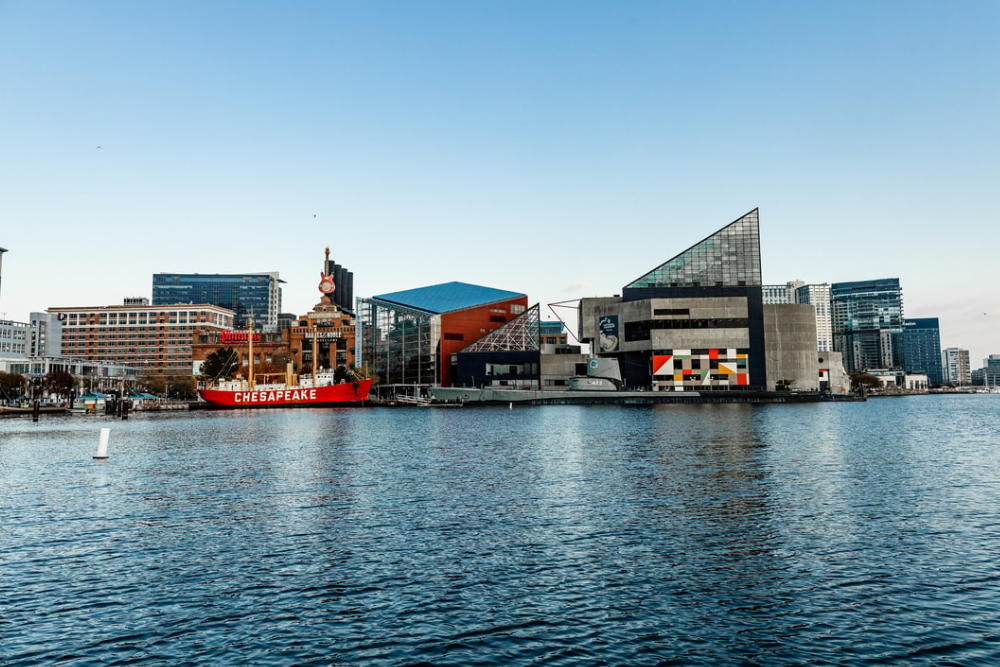
Overview: A bustling waterfront area known for its scenic views, historic ships, and vibrant atmosphere.
Key Attractions:
- Public Aquarium: Elements marine life shows and a rainforest.
- Noteworthy Boats in Baltimore: Incorporates the USS Star grouping, a nationwide conflict period sloop-of-war.
- Maryland Science Center: Offers intuitive displays and an IMAX theater.
Washington, D.C. (Close Proximity)
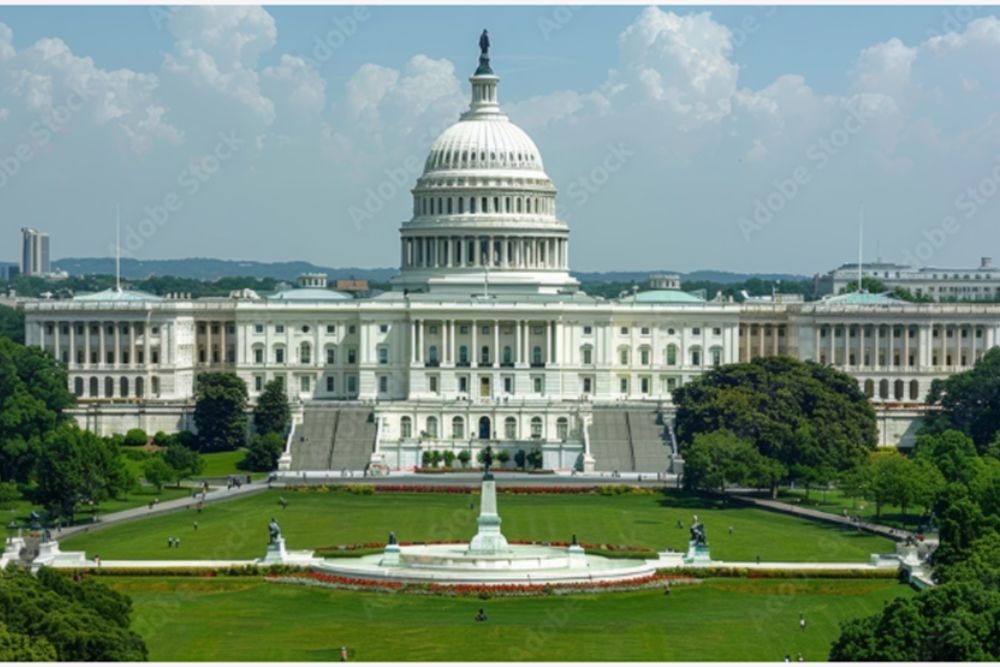
Overview: Though not in Maryland proper, it’s easily accessible and offers major landmarks.
Key Attractions:
- Smithsonian Exhibition halls: A gathering of galleries offering free confirmation, including the Public Historical center of American History and the Public Air and Space Gallery.
- Public Shopping center: Home to well-known landmarks like the Lincoln Remembrance and Washington Landmark.
Assateague Island National Seashore
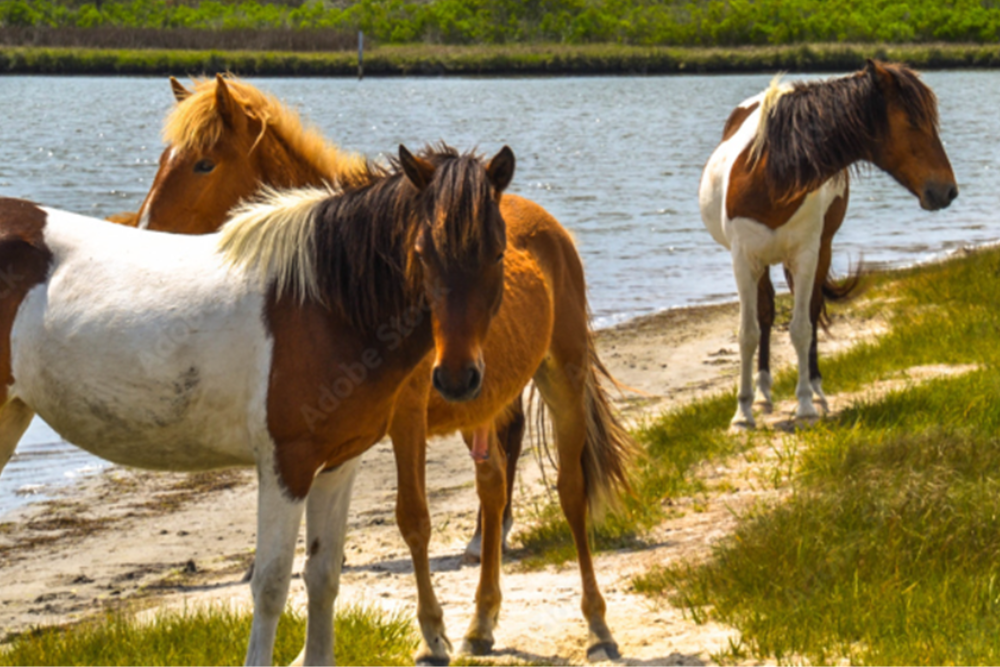
- Overview: A barrier island known for its wild horses and pristine beaches.
- Key Activities: Beachcombing, natural life survey, and setting up camp.
Antietam National Battlefield
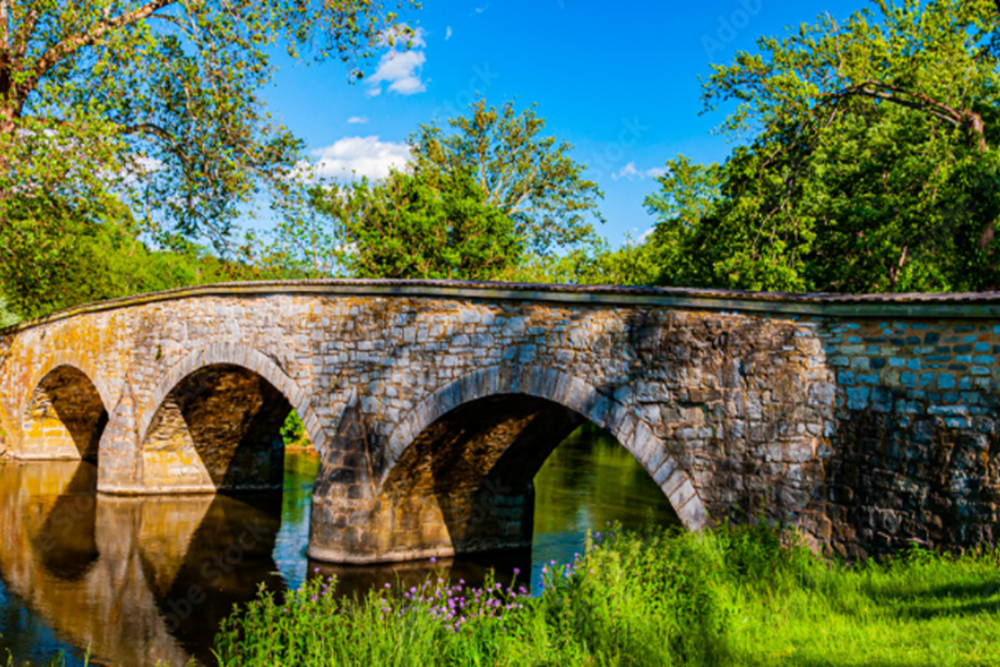
- Overview: The site of the Skirmish of Antietam, quite possibly of the bloodiest fight in the nationwide conflict.
- Key Attractions: Combat zone visits, verifiable displays, and a guest place.
Frederick Historic District
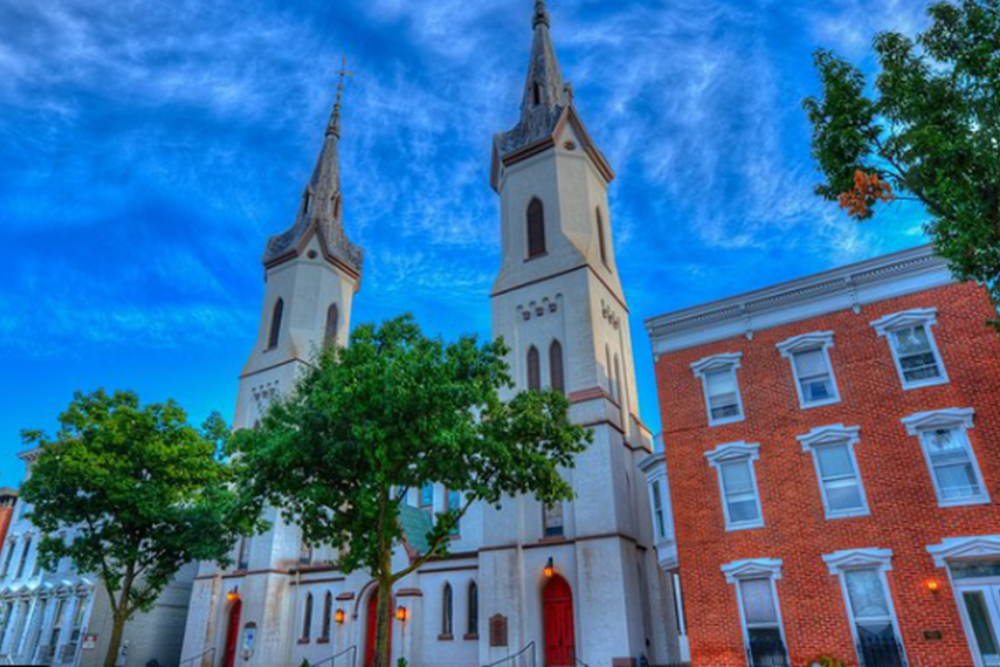
- Overview: An enchanting region with saved eighteenth and nineteenth century engineering.
- Key Attractions: Notable homes, exhibition halls, and secondhand stores shops.
Harpers Ferry National Historical Park
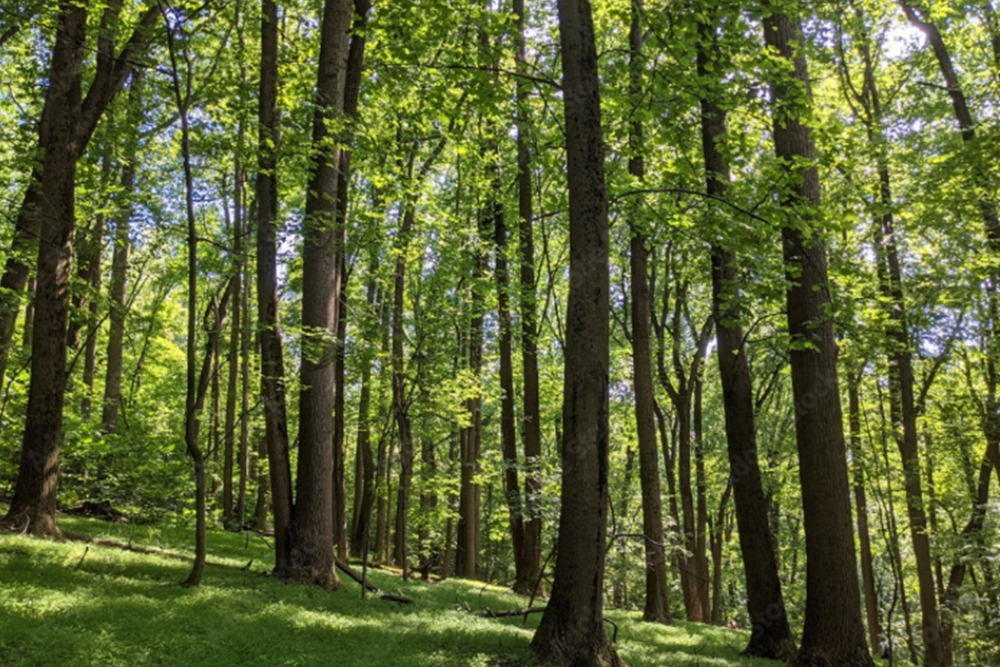
- Overview: Situated at the juncture of the Potomac and Shenandoah Streams, this park offers history and shocking perspectives.
- Key Attractions: Notable structures, climbing trails, and a gallery.
The Chesapeake Bay
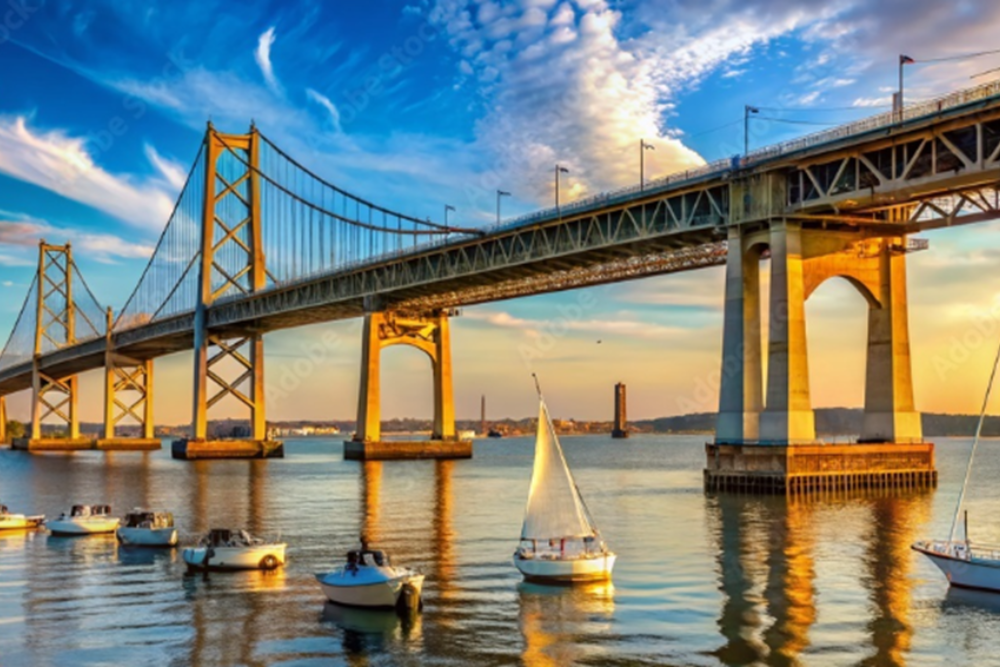
- Overview: The biggest estuary in the U.S., known for its fish, particularly crabs.
- Key Exercises: Drifting, fishing, and investigating beguiling seaside towns like St. Michaels and Oxford.
Mount Vernon
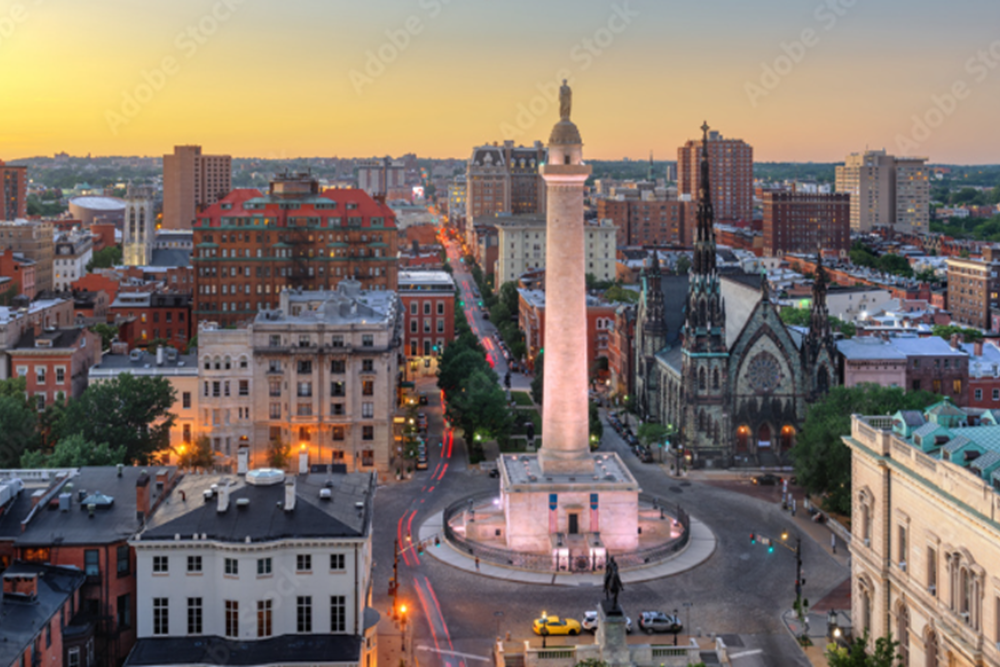
- Overview: The noteworthy bequest of George Washington, found only south of Washington, D.C.
- Key Attractions: The chateau, historical center shows, and perfectly kept up with gardens.
The Maryland Zoo in Baltimore

- Overview: Offers an opportunity to see various creatures and partake in instructive projects.
- Key Attractions: Creature shows, occasional occasions, and intuitive encounters.
Deep Creek Lake
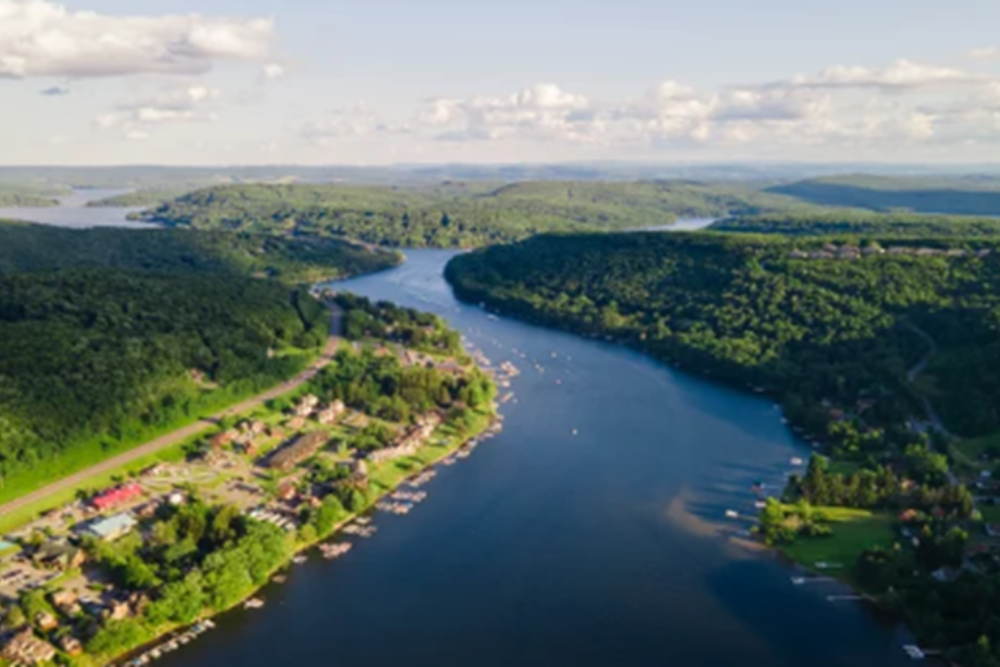
- Overview: Maryland’s biggest freshwater lake, ideal for outside exercises.
- Key Exercises: Sailing, fishing, climbing, and skiing in the colder time of year.
Dos and Don’ts in Maryland
Dos
- Do Investigate the Fish: Maryland is well known for its crab cakes and other fish dishes. Make certain to attempt the neighborhood treats, particularly in Baltimore and along the Chesapeake Cove.
- Do Visit Verifiable Destinations: Maryland has a rich history. Make time to visit places like Antietam Public War zone, Mount Vernon, and the Maryland Authentic Culture Historical center.
- Do Appreciate Outside Exercises: Exploit Maryland’s regular magnificence by climbing in places like the Appalachian Path, visiting Assateague Island, or drifting on the Chesapeake Cove.
Don’ts
- Try not to Disregard Neighborhood Regulations: Maryland has explicit regulations and guidelines, including those connected with liquor utilization and smoking. Get to know nearby regulations to stay away from fines or lawful issues.
- Try not to Depend Exclusively on GPS: A few regions, particularly country or verifiable locales, might not have solid GPS inclusion. Having a guide or comprehension of the area can be useful.
- Try not to avoid the Manners: In places like the Internal Harbor and other places of interest, be gracious to other people. For example, abstain from hindering walkways or disturbing visits.
Best time to reach in Maryland
-
Spring (Walk to May)
Pros Gentle temperatures, blossoming blossoms, and open air exercises become agreeable. It’s an incredible opportunity to visit the noteworthy destinations and normal regions without the mid-year swarms.
Cons: Weather conditions can be erratic with periodic downpour.
-
Summer (June to August)
Pros: Warm temperatures and a lot of occasions and celebrations. Ideal for partaking in Maryland’s sea shores, particularly the Chesapeake Cove and Assateague Island.
Cons: Can be hot and muggy, and places of interest might be packed. Facilities and attractions can be more costly.
-
Fall (September to November)
Pros: Charming climate and wonderful fall foliage, especially in the Appalachian Mountains and around Profound Brook Lake. It’s likewise a great time for open air exercises and getting a charge out of nearby collect celebrations.
Cons: Cooler temperatures begin to set in, which probably won’t be great for ocean side exercises.
-
Winter (December to February)
Pros: Less travelers and lower costs for facilities. You can appreciate winter sports at Profound Rivulet Lake or visit verifiable locales with less groups.
Cons: Cold temperatures and conceivable snow can influence itinerary items and open air exercises.